Summary: The Trump administration’s immigration enforcement practices — including a leaked ICE memo on administrative warrants, expanded expedited removal rules, shuttered DHS watchdog offices, and a purge of immigration judges — risk eroding constitutional protections for all Americans. High-profile incidents and GAO data showing wrongful detentions underscore the stakes. Even supporters of strong enforcement should be concerned about due process, accountability, and the use of military-style tactics in civilian policing.
You Don’t Have To Be A Liberal To Oppose Trump’s ICE — How Immigration Enforcement Is Eroding Americans’ Rights
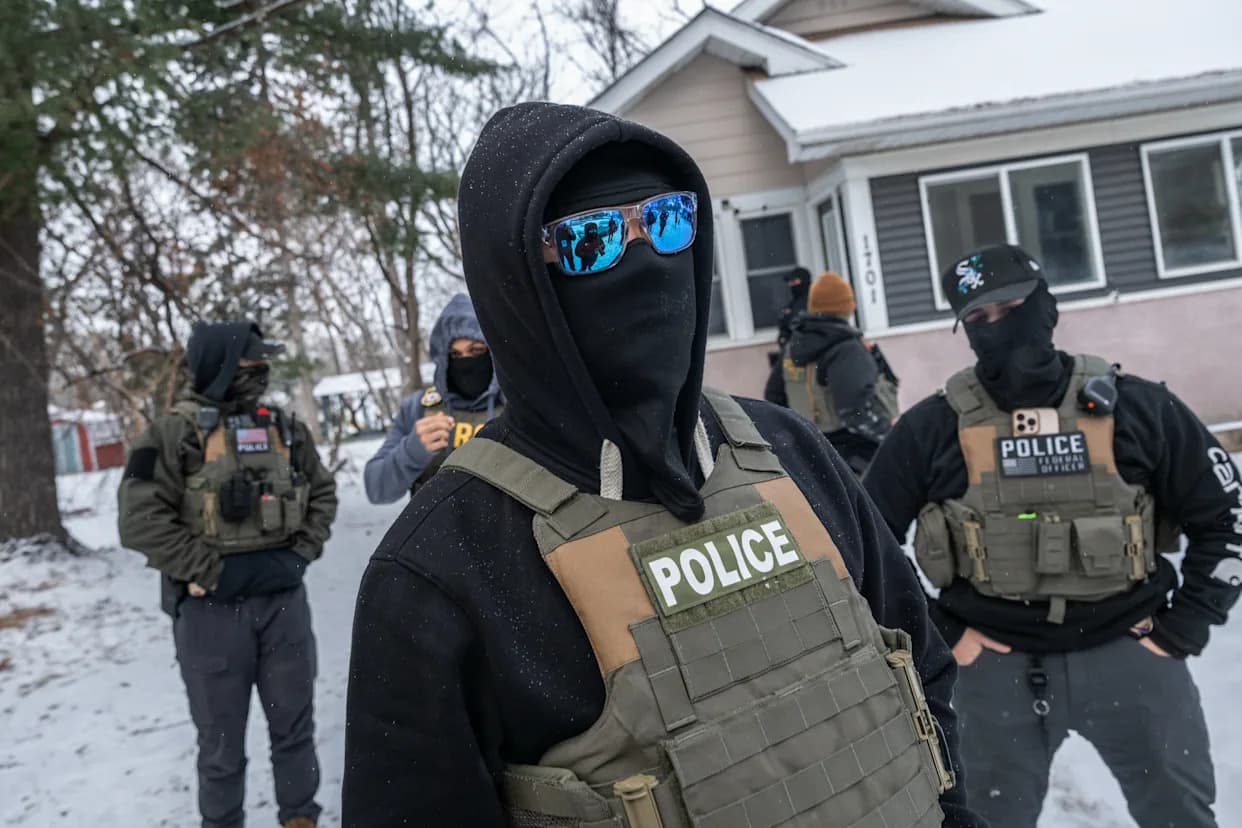
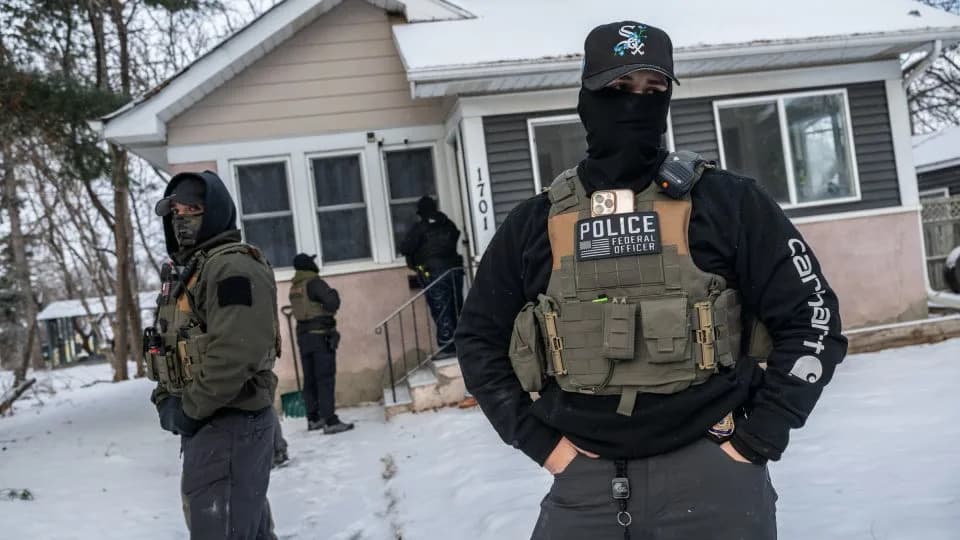
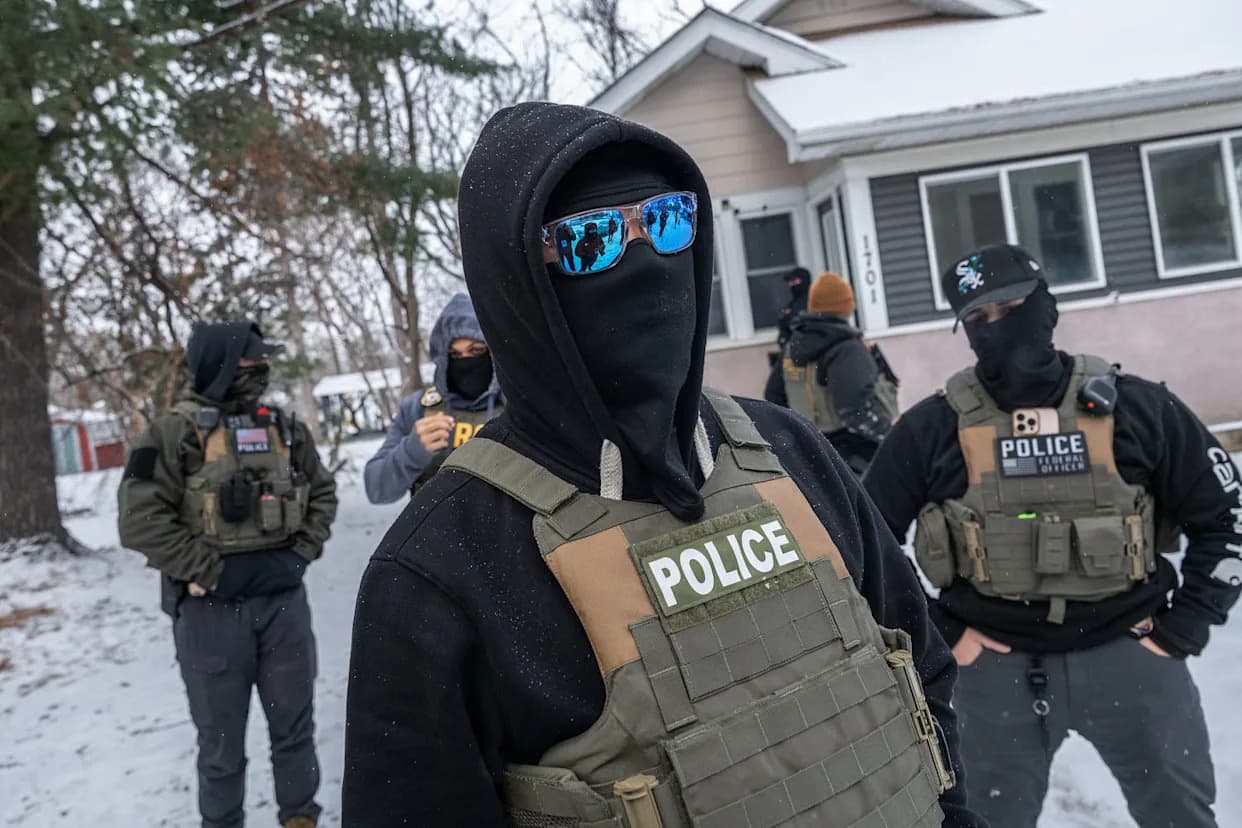
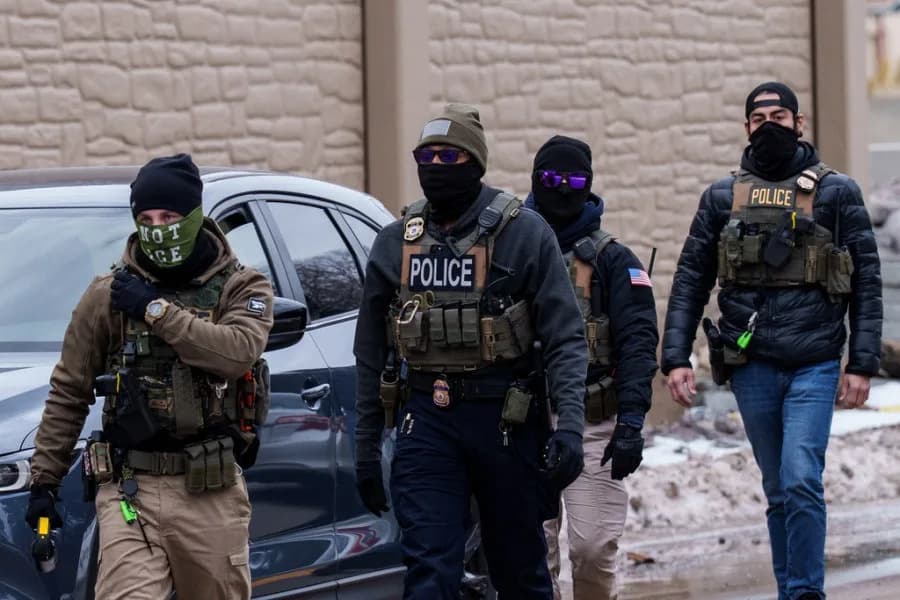
Federal law enforcement agents outside a private residence in St. Paul, Minnesota, US, on Sunday, Jan. 18, 2026.
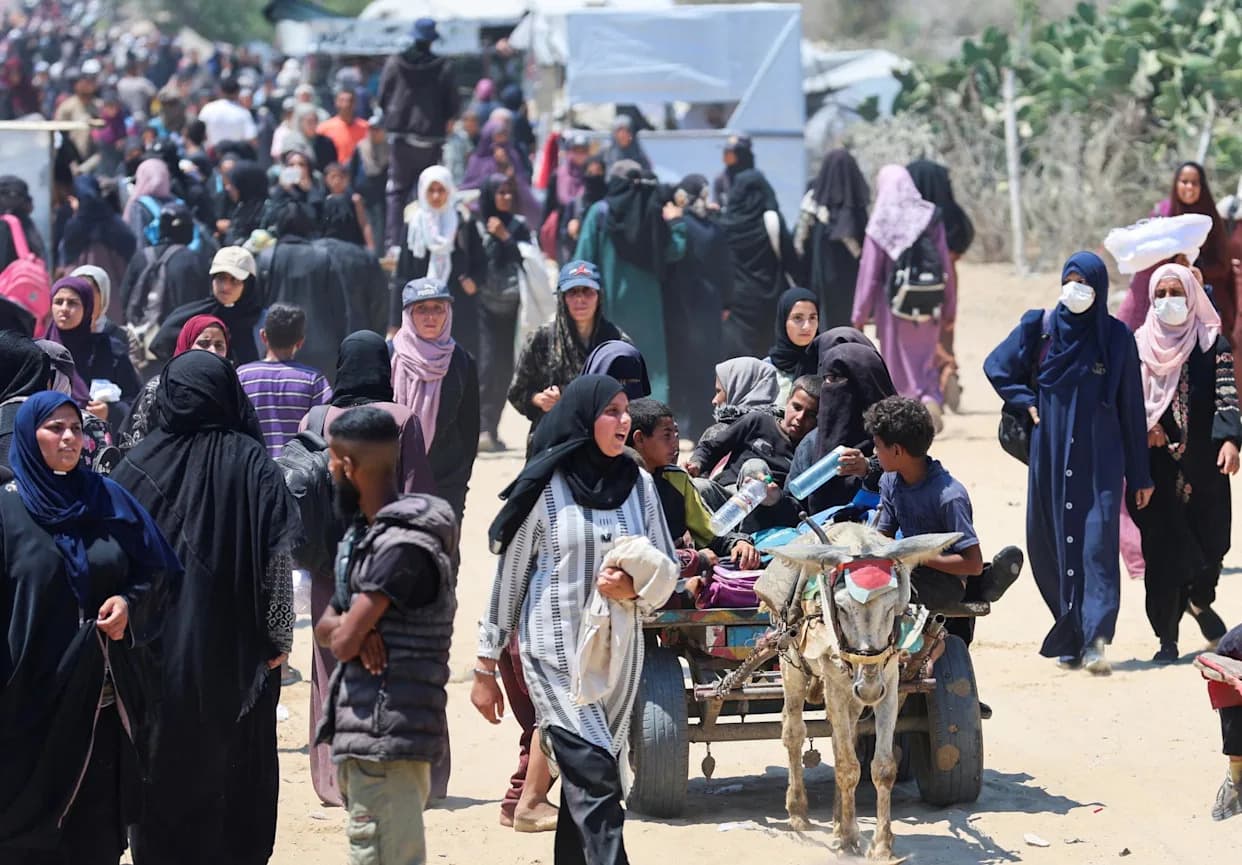
America’s dispute over immigration is often framed as a moral debate: progressives argue mass deportations of law-abiding families are intrinsically wrong, while conservatives contend strict internal enforcement deters chaotic migration, enforces the law, and preserves cultural norms. That argument matters — but recent ICE tactics have shifted the stakes. The question is no longer only who should be deported; it is whether the government should be allowed to trample constitutional rights in pursuit of deportations.
Why This Matters To All Americans
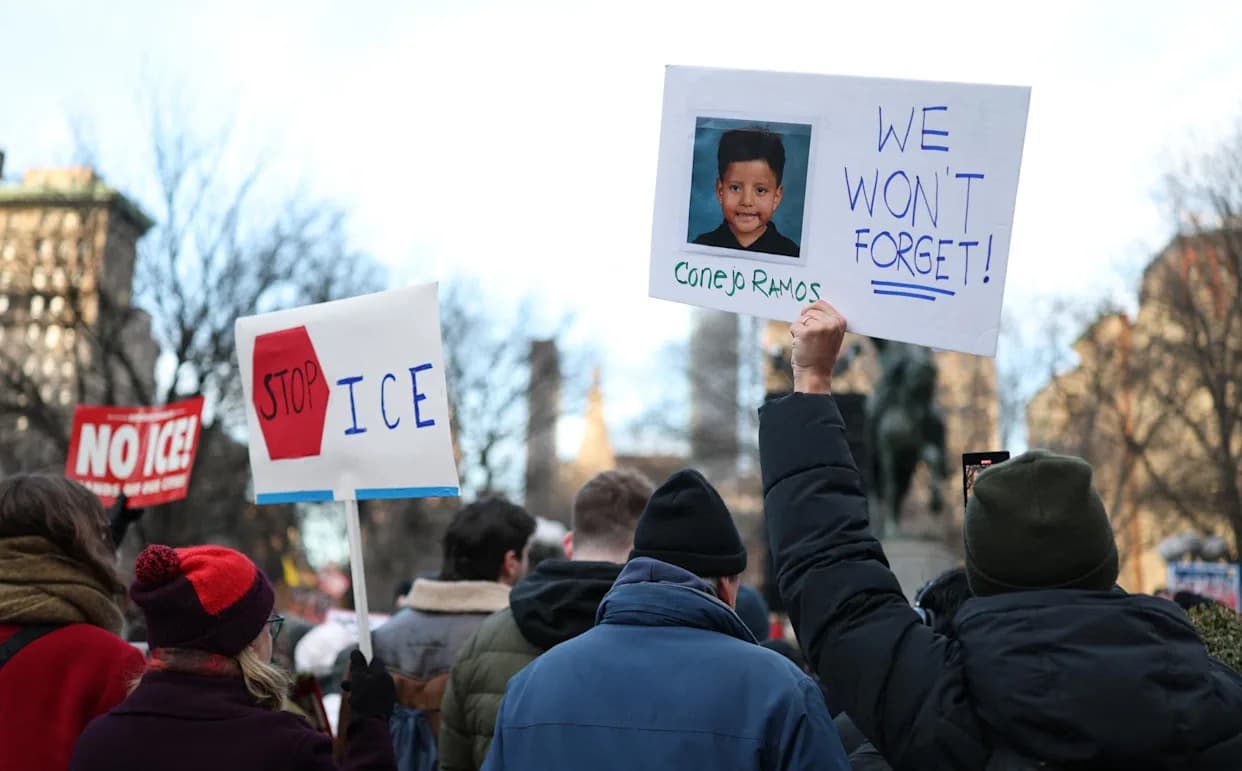
Voters are beginning to recognize the broader risks. A New York Times/Siena poll found Americans narrowly approved of deportations by 50% to 47%, yet more than 60% said ICE had "gone too far" in its tactics. You don’t need to accept progressive moral premises to oppose the administration’s immigration program: valuing civil liberties and due process is enough.
Six Ways Immigration Enforcement Is Eroding Civil Liberties
- Warrantless Home Entries: A leaked ICE memo reportedly authorizes officers to force entry into homes using administrative warrants issued by ICE rather than judicial warrants. Critics say this sidesteps the Fourth Amendment’s probable-cause protections.
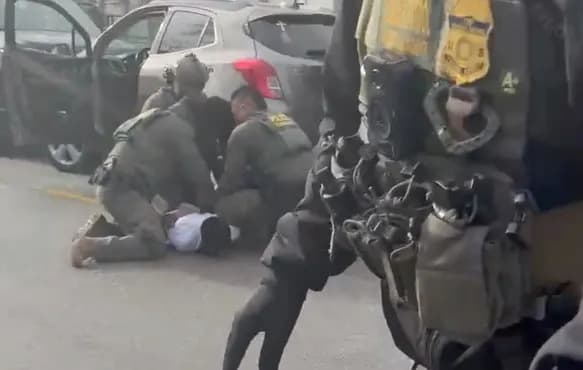
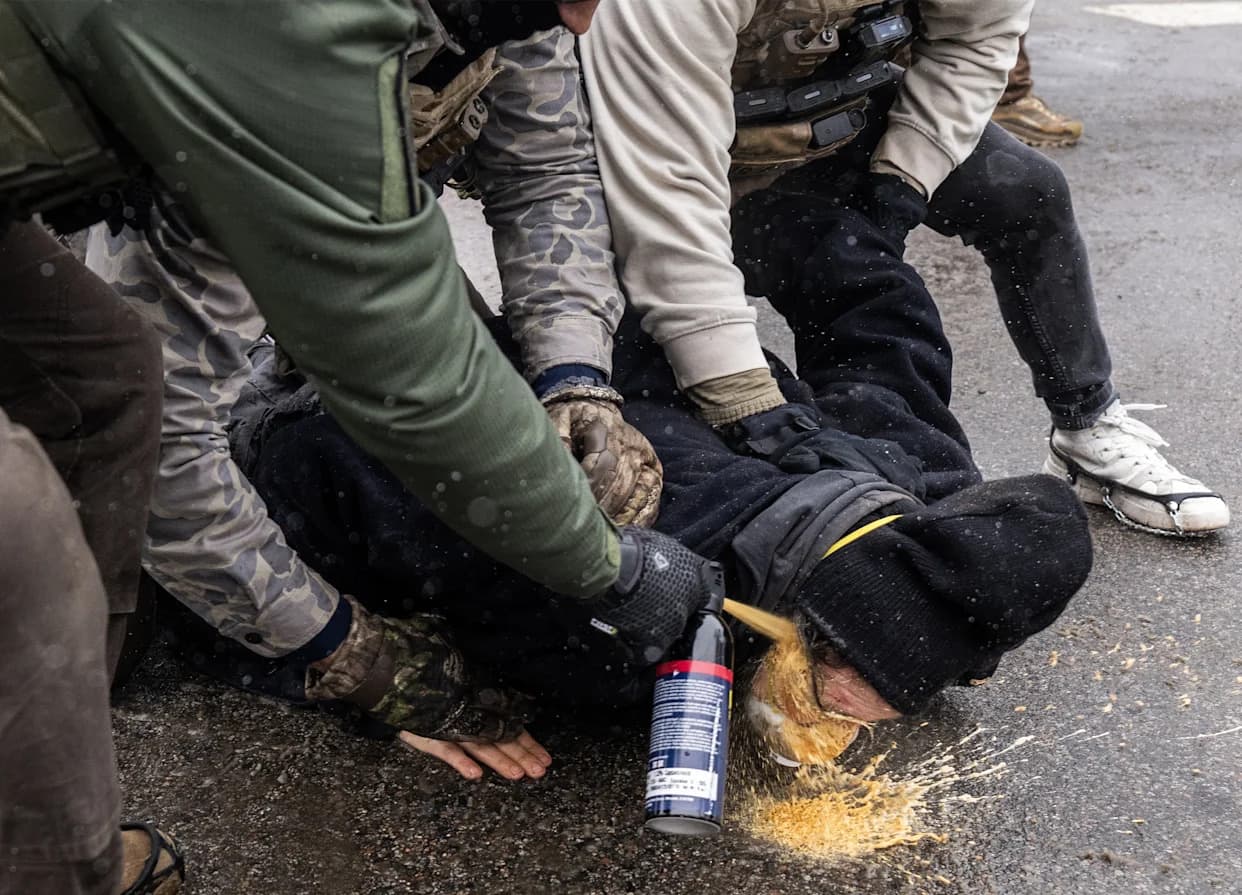
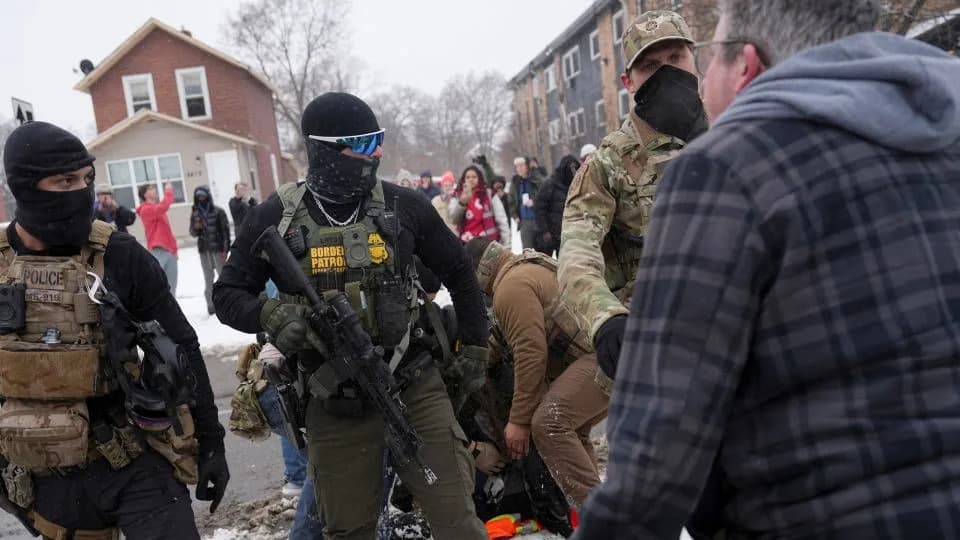
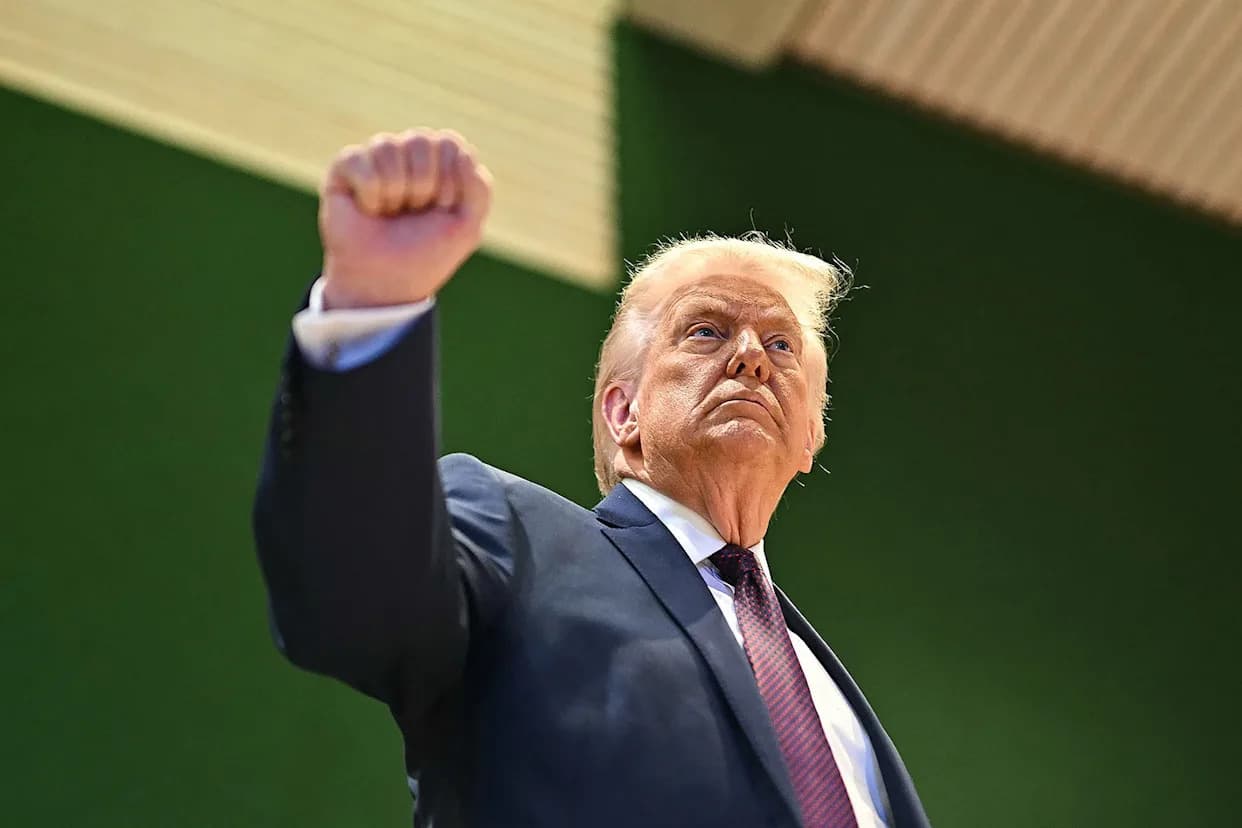
- Use Of Force And Political Cover: High-profile incidents — including a widely viewed video of ICE agent Jonathan Ross shooting Renee Nicole Good — were met with immediate public support from the president and limited criminal inquiry by the Justice Department, raising concerns about accountability.
- Watchdog Offices Closed: The White House shuttered DHS oversight offices such as the Office for Civil Rights and Civil Liberties and the Office of the Immigration Detention Ombudsman — the latter handled more than 11,000 complaints in 2023 — reducing internal oversight for detainees and immigration operations.
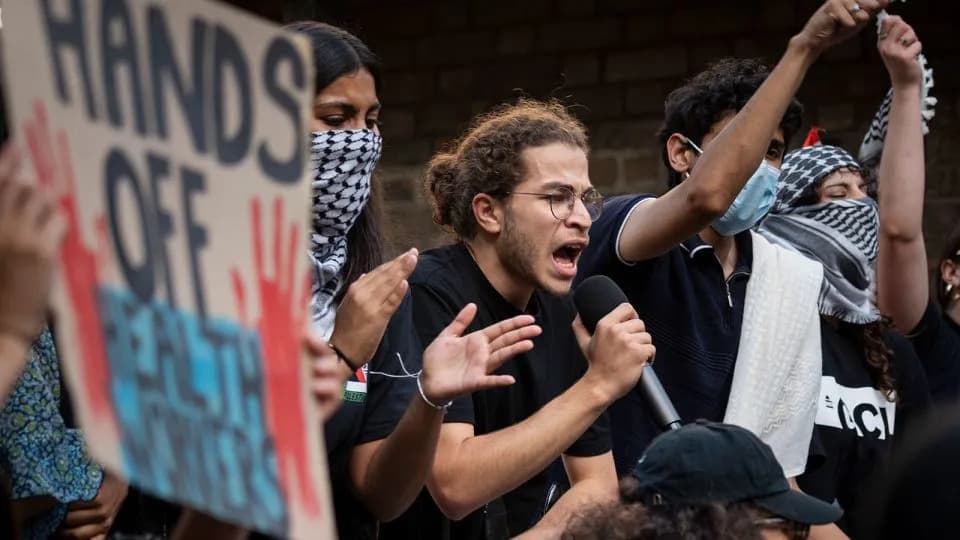
- Targeting Speech: Officials have threatened to revoke visas for people deemed to support extremist causes, and several cases have involved revocations or deportation proceedings tied to pro-Palestinian advocacy or campus political speech.
- Expanded Summary Deportations: The administration has sought to expand "expedited removal" nationwide, allowing rapid deportations without full hearings for people who cannot immediately prove two years’ presence — a change critics warn could sweep up lawful residents by mistake.
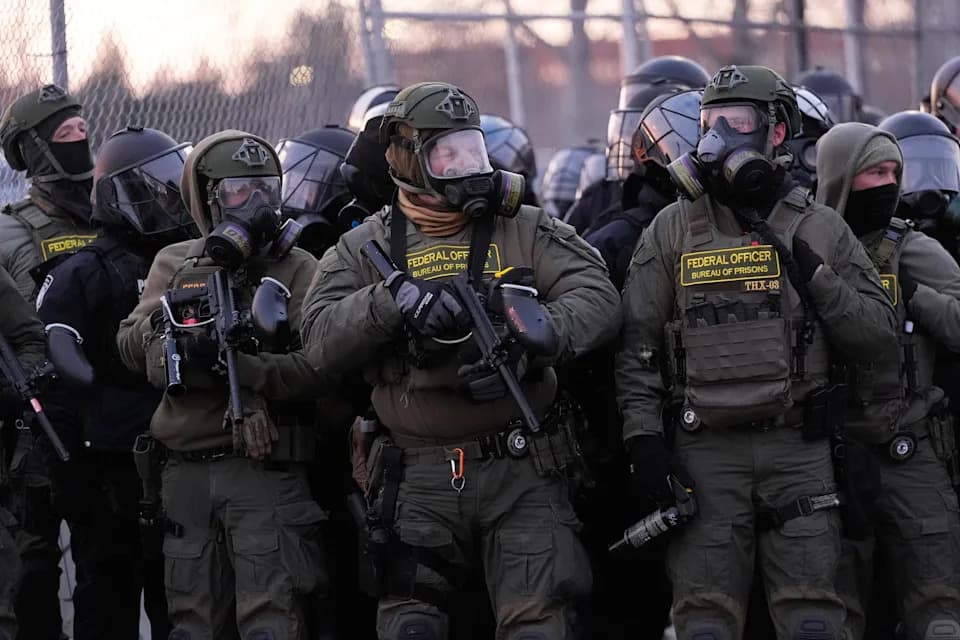
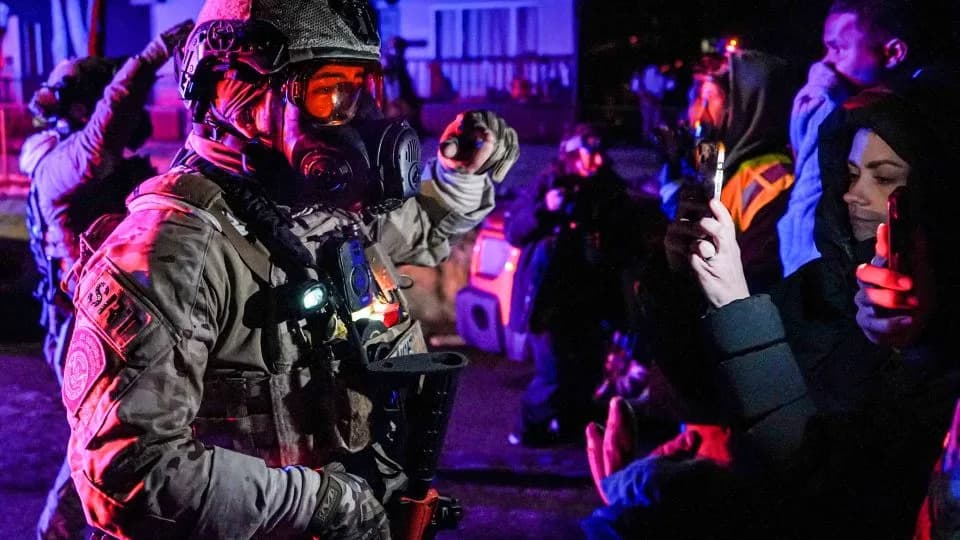
- Politicizing The Courts And Using Troops Domestically: Since January, roughly 139 immigration judges have been removed, pressured into early exit, or reassigned, prompting concerns about judicial independence. The administration has also invoked a 1903 law and authorized National Guard deployments to locations where protests against ICE may occur, testing limits on military involvement in domestic policing.
Concrete Incidents And Reported Data
Several concrete examples illustrate the danger. In St. Paul, Minnesota, agents reportedly broke down a door, pointed a gun at a US citizen, and removed him from his home without a reported judicial warrant. In other cases, lawful residents have reportedly been deported to foreign prisons with documented abuse, as in the Kilmar Abrego Garcia matter, which the courts later reversed.
Federal oversight data also raise alarms. A Government Accountability Office report found that, between 2015 and 2020, ICE arrested 674 people who were potential US citizens, detained 121, and removed 70 — evidence that enforcement operations sometimes sweep up the wrong people.
Where This Leaves Us
Enforcing immigration laws is a legitimate government function. But the means matter. Broad, aggressive tactics that bypass judicial oversight, limit accountability, target speech, and involve military or quasi-military forces in civilian policing put all citizens’ rights at risk. Even those who support vigorous enforcement should weigh the civil-libertarian costs of mass deportation drives and insist on clear safeguards for due process, judicial review, and independent oversight.
Bottom line: Policies that prioritize vast sweeps over targeted removals risk violating the Constitution and weakening the rule of law — consequences that affect every American, not only undocumented immigrants.
Help us improve.