Dark rural skies give U.S. students a natural advantage for observational astronomy, but many rural schools lack the funding, broadband access and STEM teachers to capitalize on it. The Smithsonian Astrophysical Observatory's STARS program provides free telescopes, aligned lesson plans and a teacher community of practice to rural schools, with materials to be posted publicly later this spring. Hands-on telescope use improves astronomy learning and strengthens students' STEM identity, helping rural communities turn local skies into opportunities for future scientists and engineers.
Dark Rural Skies, Bright Futures: How School Telescopes Can Bring Astronomy To Rural Students
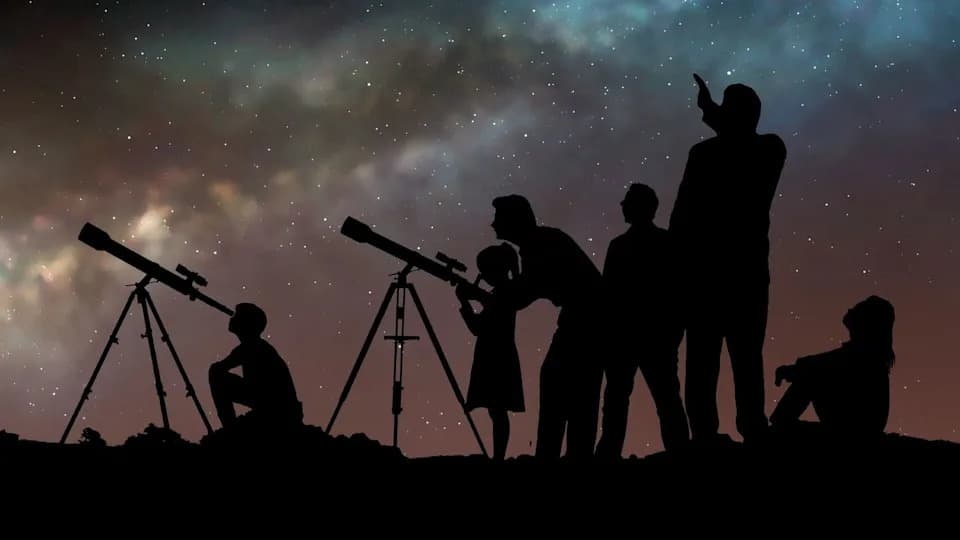
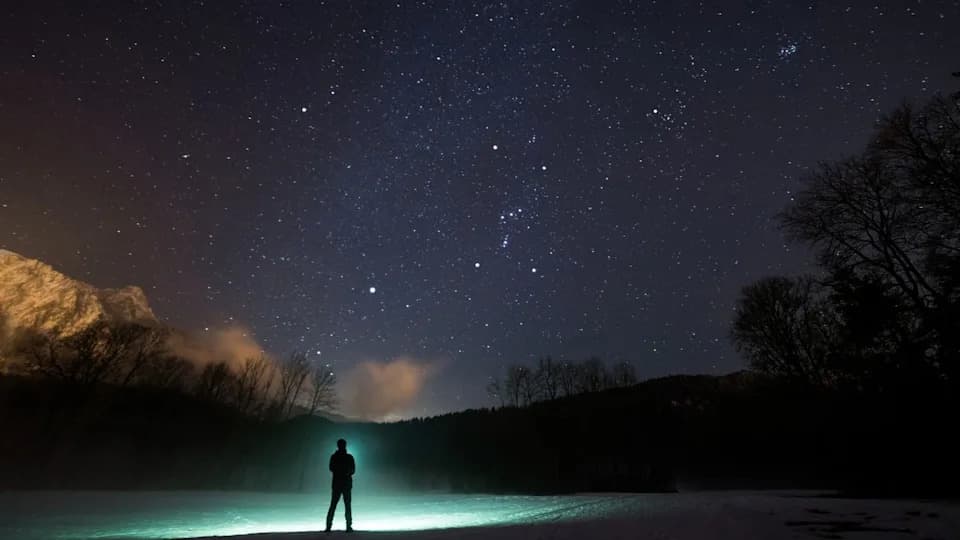
Skywatching can be a fun and accessible way to get young people interested in the science of astronomy. | Credit: Mark Garlick/Science Photo Library/Getty Images
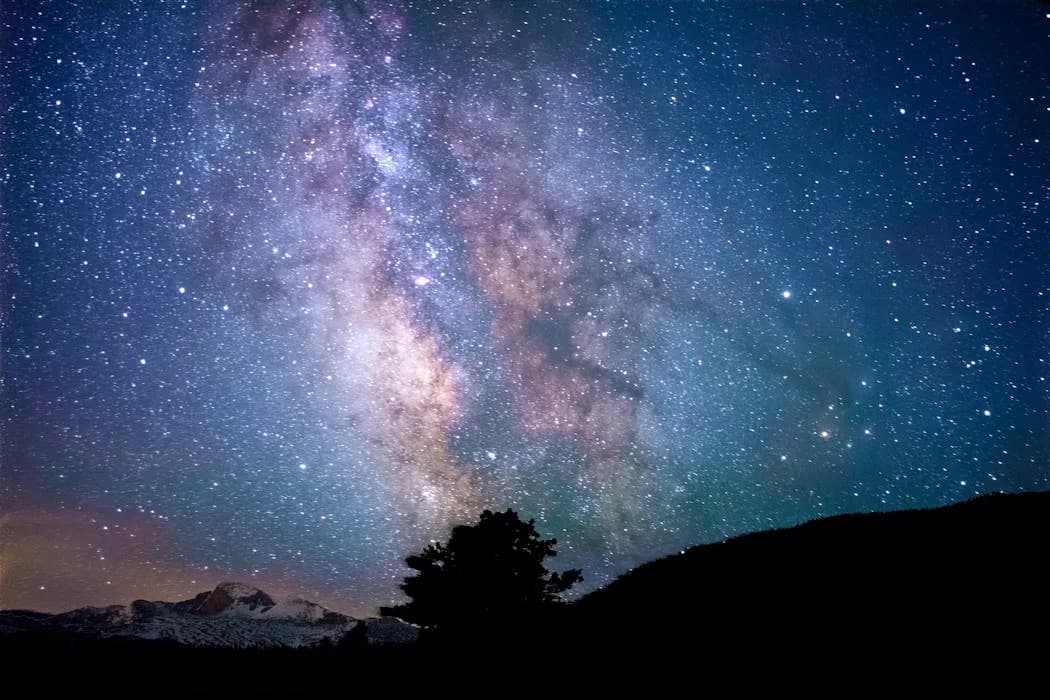
The night sky has inspired curiosity, navigation and scientific discovery for millennia. Yet today most Americans live under light-polluted skies, and only about one in five people in North America can see the Milky Way. Paradoxically, some of the best places for stargazing—rural communities with dark skies—are often the least resourced to turn that natural advantage into sustained science learning.
Why Astronomy Matters
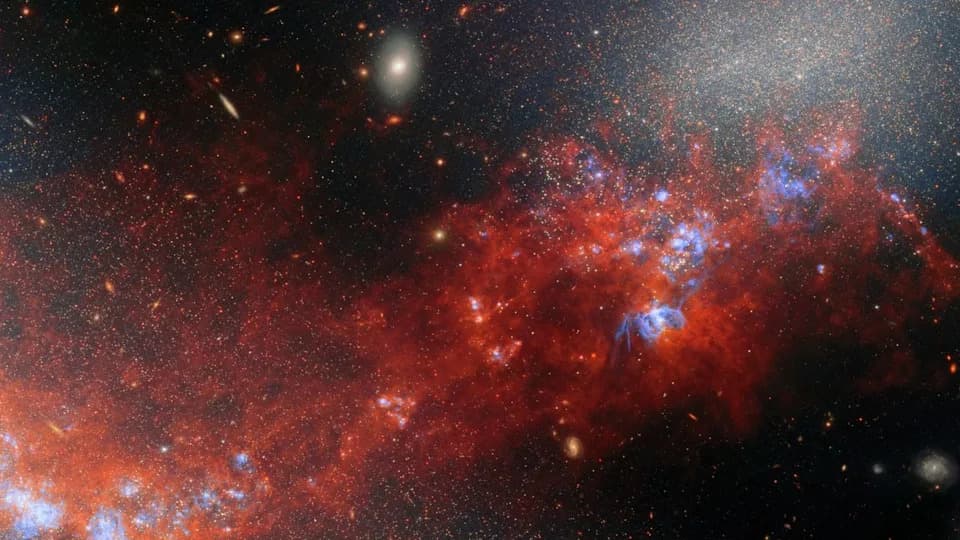
Astronomy is a gateway science: it captures wide interest across ages and helps students connect abstract concepts to real-world practices. Hands-on experiences, especially operating scientific instruments like telescopes, teach practical skills, deepen understanding and strengthen STEM identity. Seeing the Moon's craters, Saturn's rings or distant nebulae through a telescope can transform abstract classroom lessons into vivid, motivating encounters.
Rural Advantages and Barriers
Rural U.S. communities host some of the country’s darkest skies, making them ideal for observational astronomy. According to the National Rural Education Association's Why Rural Matters 2023 report, 9.5 million students attend more than 32,000 rural schools nationwide—a student body larger than that of the 100 largest school districts combined.
But rural districts face structural challenges that limit hands-on STEM opportunities: limited broadband access (on average 13.4% of rural households have constrained internet connectivity, and in some states this rises to 20%), lower per-student funding (nonrural districts spend roughly US$500 more per student on average, with larger gaps in some states), fewer cultural institutions (rural areas host only one in four U.S. museums and just 12% of children's museums) and persistent teacher shortages, especially in STEM subjects.
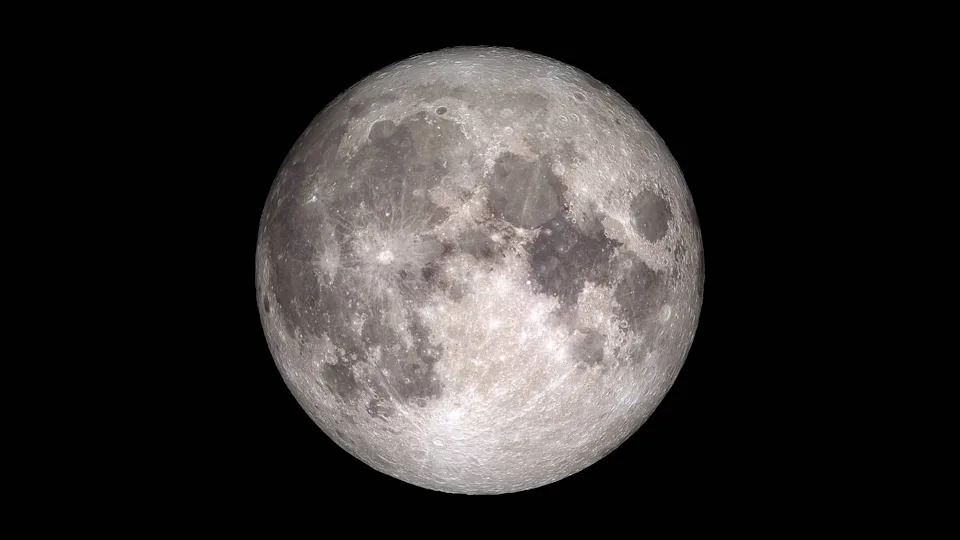
A close up of the moon in space showing some of its features. | Credit: NASA
STARS: Telescopes, Curriculum and Community
To address these gaps, the Smithsonian Astrophysical Observatory's Scientists Taking Astronomy to Rural Schools (STARS) program provides telescopes and science-aligned lesson plans to rural schools free of charge, and builds a national community of practice so teachers can share techniques and support. The program is run by the Center for Astrophysics | Harvard & Smithsonian and will make lesson materials publicly available online later this spring so any educator can use them.
Providing equipment alone is not enough; pairing telescopes with teacher training, classroom lesson plans and community events helps ensure sustainable student engagement. STARS complements national initiatives such as Observe the Moon Night and Globe at Night and local amateur astronomy clubs, creating multiple entry points for schools, families and communities to explore the sky.
Evidence and Impact
Research shows that telescope-based, experiential learning improves astronomy knowledge and fosters stronger STEM identity in students. When rural schools leverage their dark skies with targeted support—equipment, curricula and teacher networks—they can inspire students to pursue science and engineering careers that might otherwise seem out of reach.
Practical Steps For Communities
- Form partnerships between schools, local astronomy clubs and museums or libraries.
- Prioritize teacher support and professional development alongside equipment donations.
- Use community stargazing nights and school events to broaden participation across ages.
- Make curriculum materials and student activities available online for asynchronous use.
Dark skies are a community asset. With modest investments in equipment, training and community outreach, rural schools can translate natural advantages into long-term learning gains and new pathways into STEM.
Help us improve.