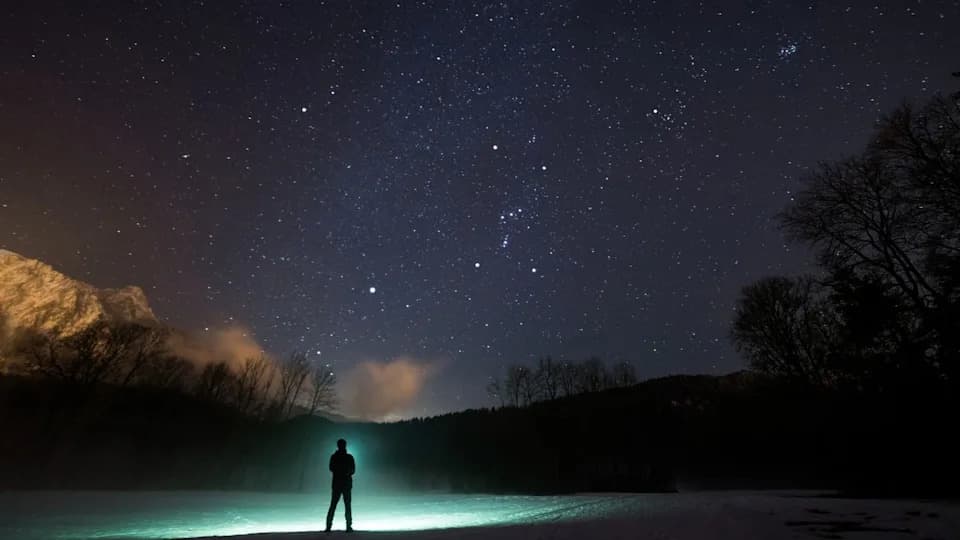
Astronomy is a powerful gateway to STEM that ignites curiosity and builds scientific confidence. Rural U.S. communities often have the darkest night skies—ideal for observing stars—but face challenges such as limited broadband, lower per-student funding and teacher shortages. The Smithsonian STARS program supplies rural schools with free telescopes, lesson plans and a teacher community to turn stargazing into hands-on learning. National events and local clubs also help connect students to the night sky.
Dark Skies, Thin Resources: How Free Telescopes Can Ignite STEM in Rural Schools
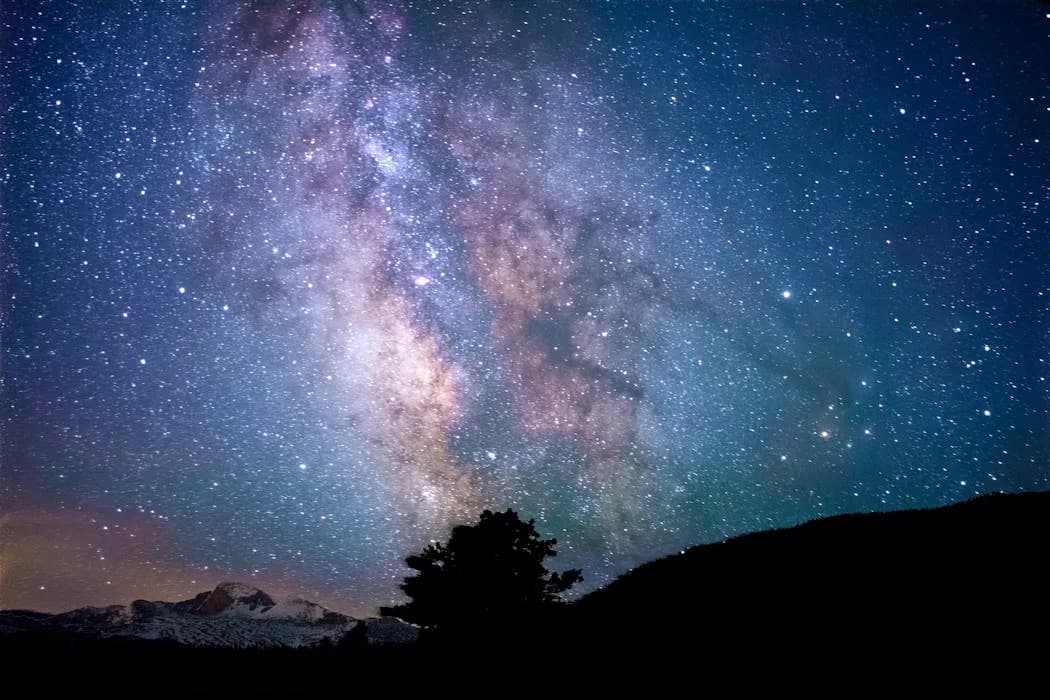
Observing the night sky can get kids interested in astronomy and STEM careers.Jeremy Thomas/Unsplash
The night sky has inspired curiosity for millennia: early societies observed the stars to track celestial events, forecast eclipses, build calendars, create maps and shape religious practices. Today, however, much of that view is obscured by light pollution—yet rural communities still enjoy some of the darkest skies in the United States.
Why Astronomy Matters
Astronomy is widely regarded as a gateway science. Its images and questions spark curiosity across generations and can help students build confidence, develop scientific thinking and consider careers they might not otherwise imagine. Hands-on, experiential learning—especially using real scientific tools—anchors abstract concepts in tangible practice and improves long-term engagement.
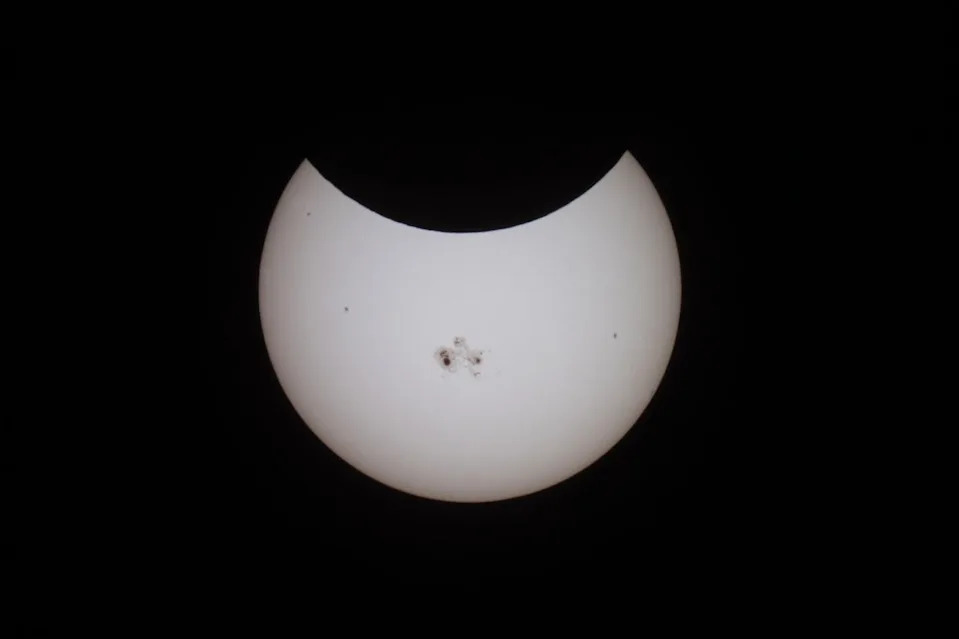
A solar eclipse, as viewed through a telescope.STARS
Rural Skies and Resource Gaps
Rural areas often offer optimal conditions for stargazing, but many rural schools lack the resources required to translate that natural advantage into meaningful STEM learning. According to the National Rural Education Association’s Why Rural Matters 2023 report, about 9.5 million students attend rural schools across more than 32,000 U.S. schools—more students than in the 100 largest U.S. school districts combined.
Yet rural communities commonly face limited broadband (an average of 13.4% of rural households report constrained internet, rising to roughly 20% in some states), lower per-student funding (nonrural districts spend about US$500 more per student on average), fewer cultural institutions (only 1 in 4 U.S. museums is in a rural area; 12% of children’s museums are rural), and shortages of STEM-focused teachers. These gaps make it harder for rural students to access high-quality STEM experiences despite excellent viewing conditions for astronomy.
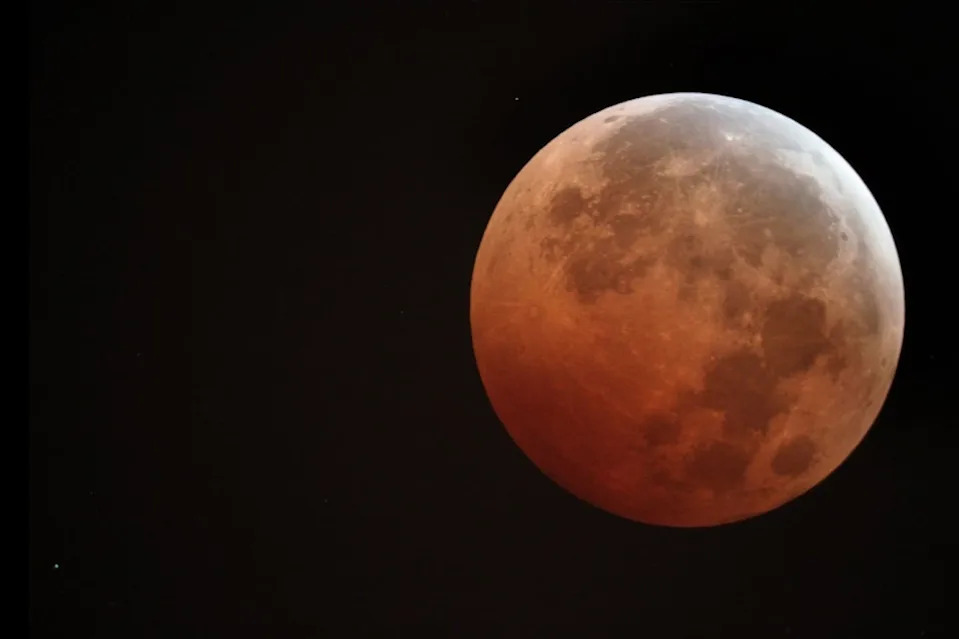
Telescopes help students view astronomical objects, like the Moon, up close.STARS
The STARS Program: Telescopes, Lessons, Community
To address this gap, the Smithsonian Astrophysical Observatory’s STARS (Scientists Taking Astronomy to Rural Schools) program provides rural schools with telescopes and science-aligned lesson plans free of charge. STARS also connects educators to a national community of practice for peer support and resource sharing. The lesson plans will be published online for broader access later this spring so that schools outside the program can use them as well.
How Telescopes Improve Learning
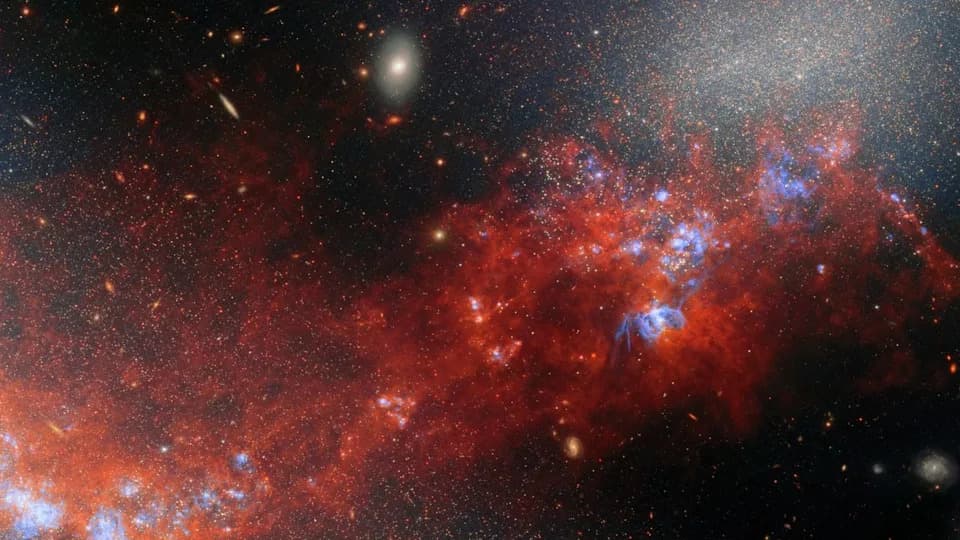
Telescopes are fundamental instruments in astronomy. When students operate telescopes they practice genuine scientific techniques and gain direct encounters with astronomical objects—galaxies, nebulae, planets and detailed views of the Moon and Sun (with appropriate solar filters). Observing the Moon’s craters and mountains or the rings of Saturn can ignite curiosity, strengthen STEM identity and motivate students to pursue further study.
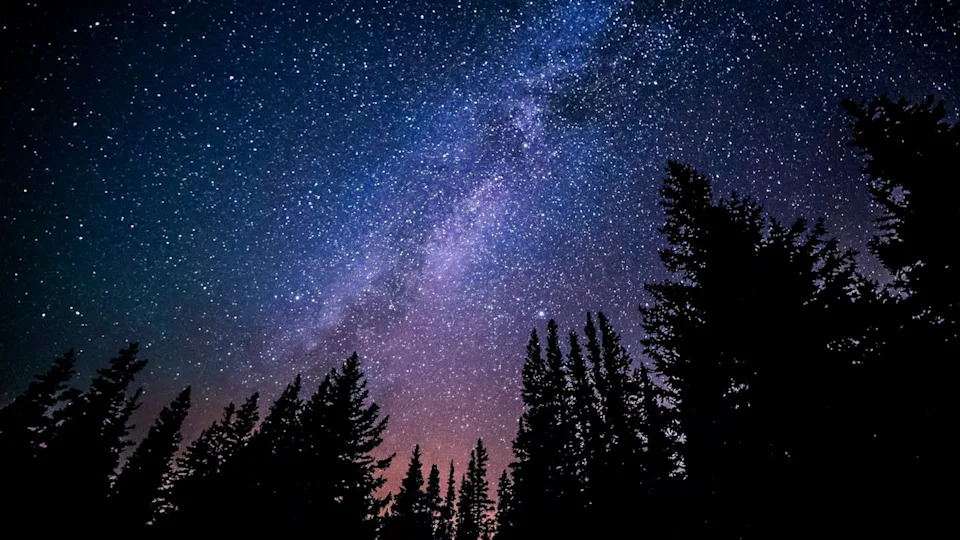
Rural areas farther from cities tend to have darker skies, better for stargazing.Ryan Hutton/Unsplash
Practical Support and Community Action
Programs like STARS complement national initiatives—such as Observe the Moon Night and Globe at Night—and local amateur astronomy clubs. Modest investments in telescopes, teacher support, community star parties and accessible lesson plans can create powerful, low-cost learning opportunities that take advantage of rural skies.
Conclusion
Rural schools are uniquely positioned to inspire the next generation of scientists and engineers because of their dark skies, but they need equitable access to tools, training and community support. Providing telescopes, high-quality lesson plans and teacher networks can transform a natural advantage into lasting educational gains for millions of students.
Disclosure: This article was adapted from a piece in The Conversation and written by Emma Marcucci, Executive Director of the Smithsonian STARS program at the Smithsonian Astrophysical Observatory. The STARS program is supported by private gifts and donations.
Help us improve.