NASA marked 25 years of continuous human presence on the ISS in 2025 by releasing thousands of images taken from about 250 miles above Earth. Astronauts captured auroras, the Milky Way, star trails, hurricanes and cyclones, lightning, rivers and city lights. Crew photography is both a personal passion and a practical tool for monitoring environmental change and aiding disaster response. The ISS has returned over 7 million photos since 2000 and is slated to operate through about 2030.
25 Years Above Earth: Astronauts' Most Stunning ISS Photos of 2025
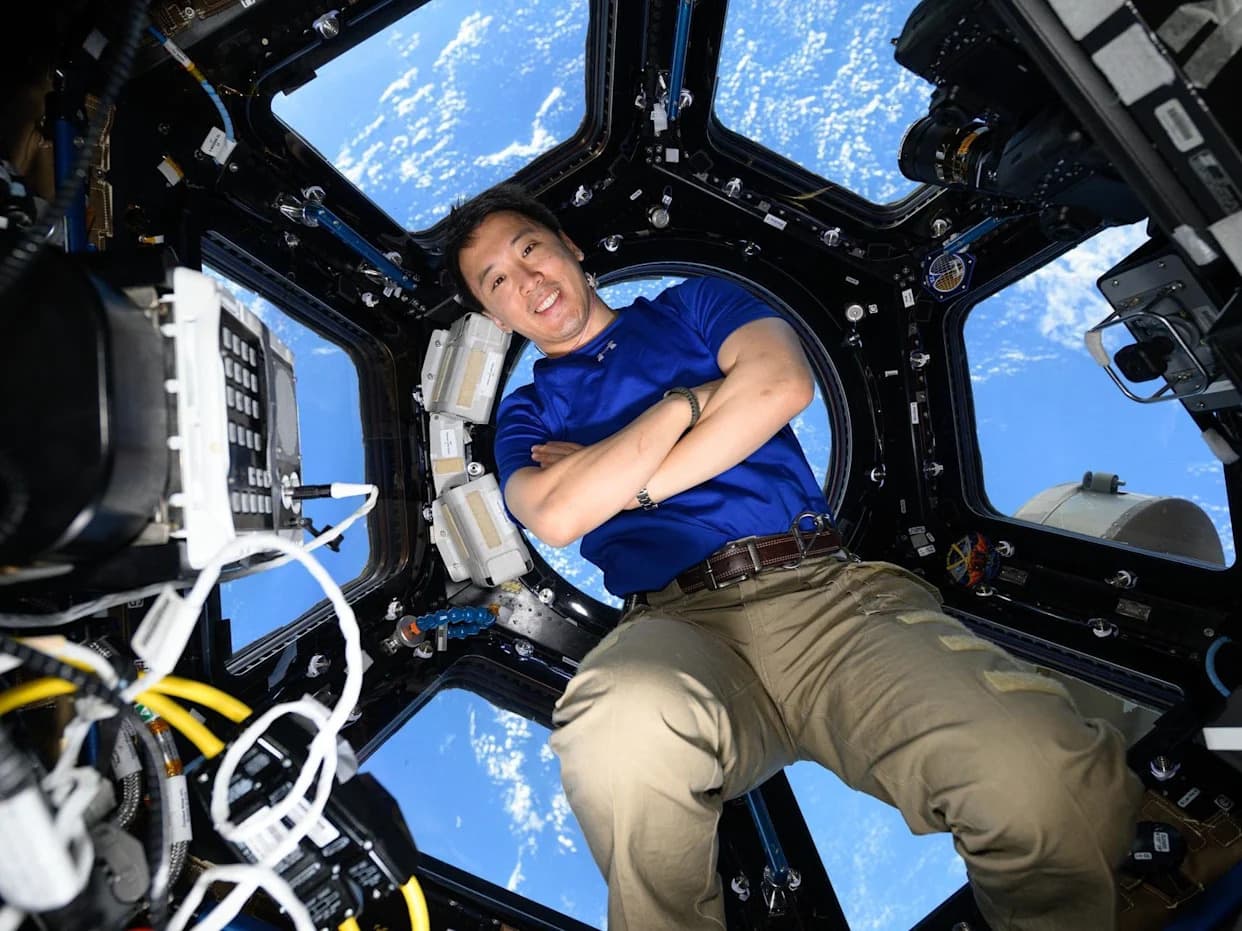
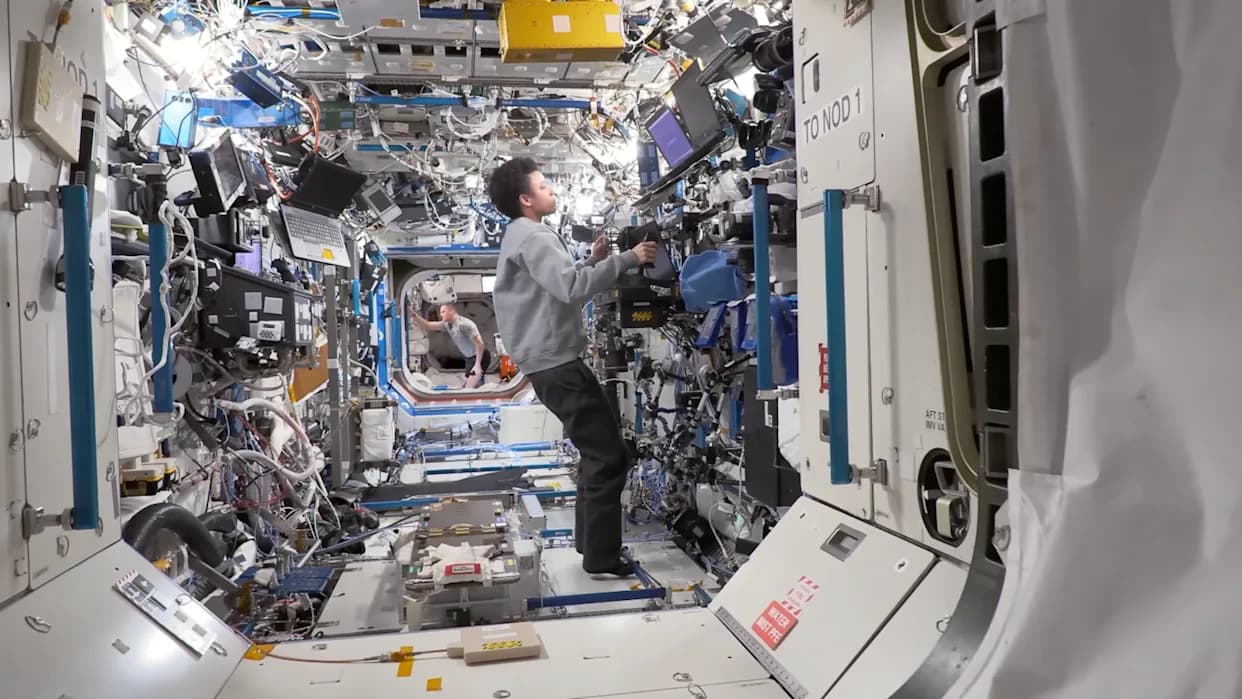
NASA astronaut Jonny Kim poses for a photo inside the International Space Station's "window to the world."NASA
In 2025 NASA celebrated 25 years of continuous human presence aboard the International Space Station (ISS) by releasing thousands of photographs taken from roughly 250 miles above Earth. These images — captured by a rotating crew of astronauts — highlight both the planet's beauty and the practical value of human observation from orbit.
Highlights From a Year in Orbit
Photos released in 2025 document a wide range of phenomena: neon greens and pinks of auroras, the Milky Way framed by Earth's atmospheric glow, long-exposure star trails, towering hurricanes and cyclones, cinematic lightning strikes, rivers lit at night, and unmistakable cityscapes and coastlines.
Photographers in Space
Astronauts describe photography aboard the ISS as "a labor of love." Veteran astronaut Don Pettit told reporters in late 2024 that crew members often spend off-duty hours collecting imagery to preserve memories and explain what life in orbit feels like.
"That’s what astronauts spend a lot of their off-duty time doing: doing imagery, collecting the photographs that go with the memories to tell the story of what it’s like up here," Pettit said.
Nichole Ayers contributed striking long-exposure images that turned star motion into luminous arcs and captured auroras and dramatic lightning over Milan. Her work and others’ photos help bring the experience of living in orbit to people on the ground.
Technical Benefits and Challenges
Photographing from the ISS presents unique technical issues: multilayered windows cause reflections and require care to avoid glare. Conversely, microgravity allows astronauts to use large telephoto lenses and stabilized setups more easily than would be possible on Earth. Pettit, for example, has used an 800 mm telephoto lens with a solar filter to capture highly detailed views.
Notable Images and Locations
Among the most memorable images from 2025:
- Auroras stretching across the horizon and the Milky Way beyond Earth’s atmospheric glow.
- Long-exposure star trails and neon auroras photographed by Nichole Ayers.
- Extreme weather events: Hurricane Melissa in the Atlantic, Typhoon Halong approaching western Alaska, and Cyclone Alfred near Queensland, Australia.
- Wildfires visible from orbit, including the Los Angeles fires recorded in January.
- Recognizable geographic and man-made features: Dubai’s palm-shaped islands, the upside-down boot of Italy beside Sicily, Mount Damavand in Iran, and the Manicouagan impact crater in Quebec.
- Nighttime cityscapes such as the Nile’s lights leading to Cairo, the British Isles viewed upside down, Phoenix, the San Francisco Bay Area, and agricultural patterns across Kansas.
Scientific and Practical Value
Beyond their aesthetic impact, astronaut photographs support scientific monitoring and disaster response. The images add to a repository of more than seven million photos taken from the ISS since crews first arrived in 2000, offering a valuable archive for tracking environmental change and aiding emergency responders.
Looking Ahead
NASA marked the ISS’s 25th anniversary in November 2025. Current plans call for operations to continue through about 2030, preserving the unique, crewed vantage point for several more years. For now, the astronauts' front-row seat to Earth continues to provide new perspectives on our planet and on the human experience of living in space.
Sources: NASA; additional reporting and images via Denver7 and Business Insider.
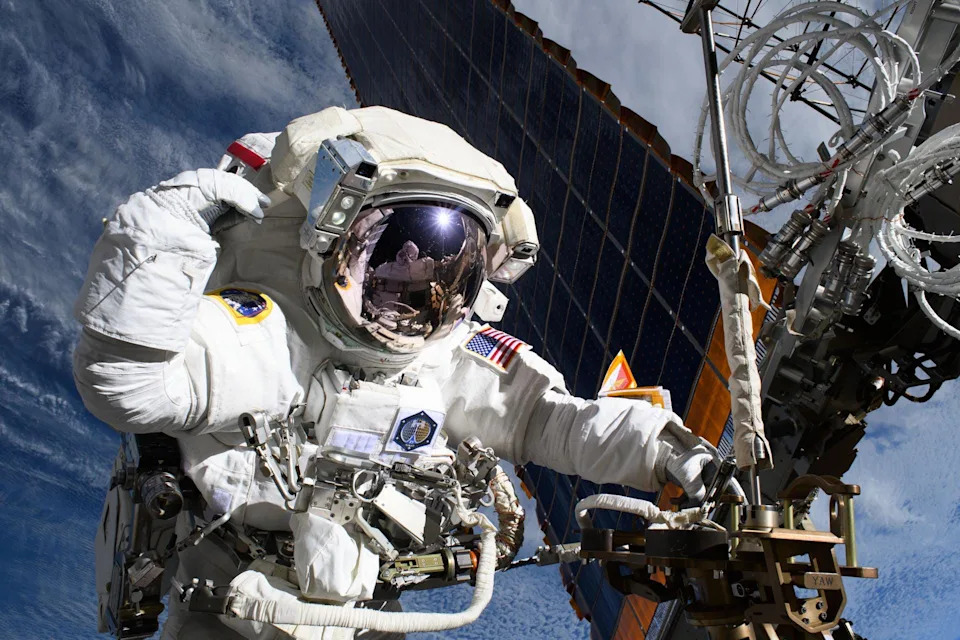
Astronaut Anne McClain on the International Space Station in May 2025.NASA
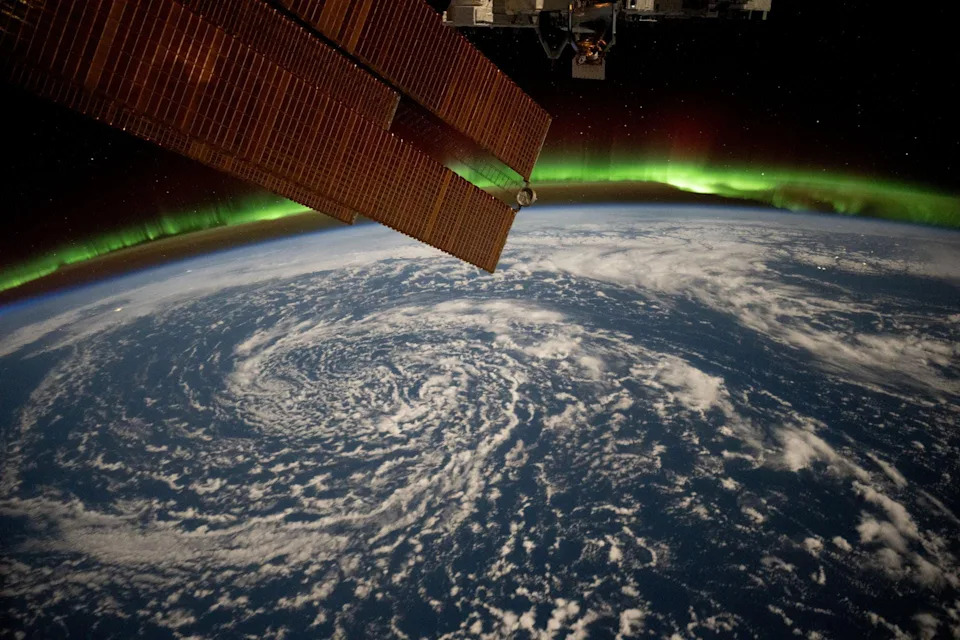
Clouds cover the Gulf of Alaska beneath the aurora borealis in March 2025, in a photo captured from the ISS.NASA
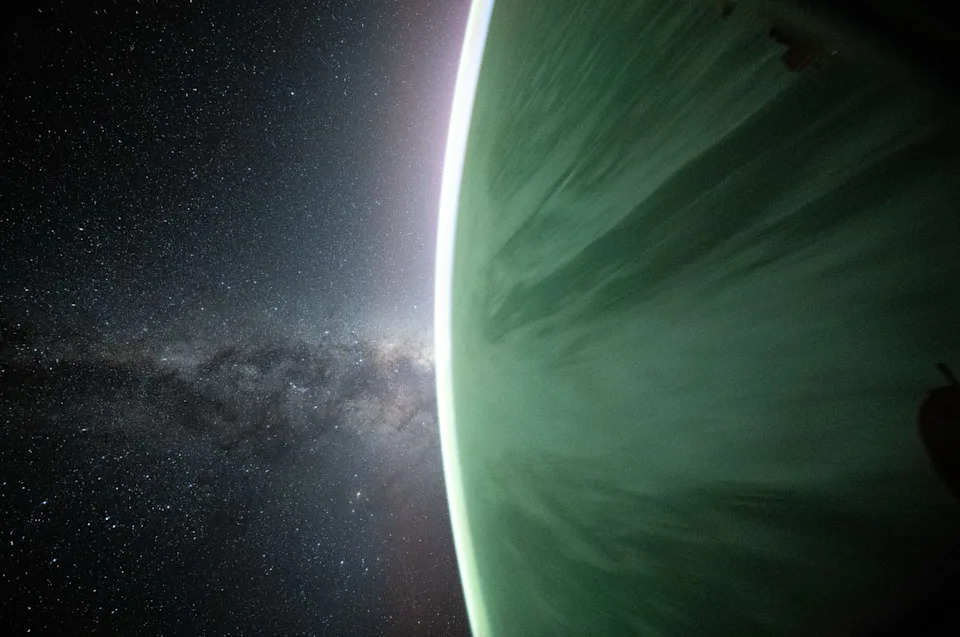
Astronaut Don Pettit captured an image of the Milky Way appearing beyond Earth's horizon from the ISS in January 2025.NASA/Don Pettit
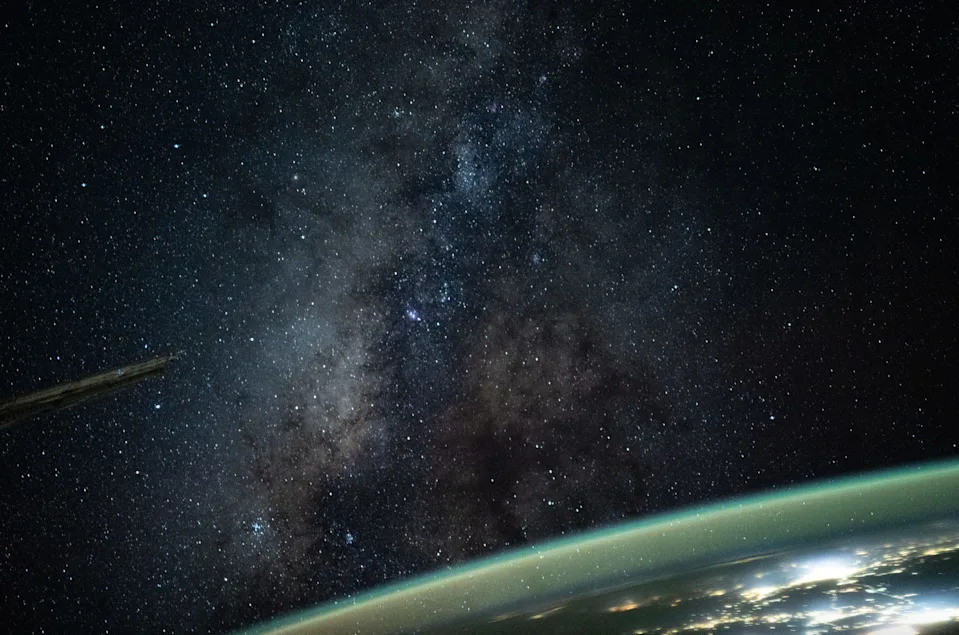
The Milky Way above the Earth from the International Space Station in August 2025.NASA/JAXA
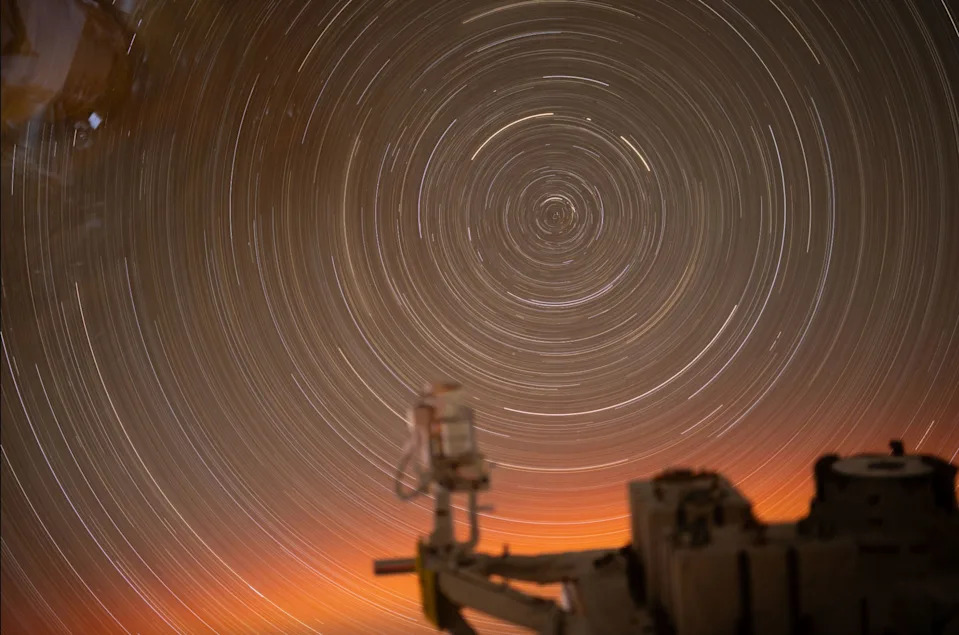
The photo was taken over 31 minutes from the International Space Station in July 2025.NASA/Nichole Ayers
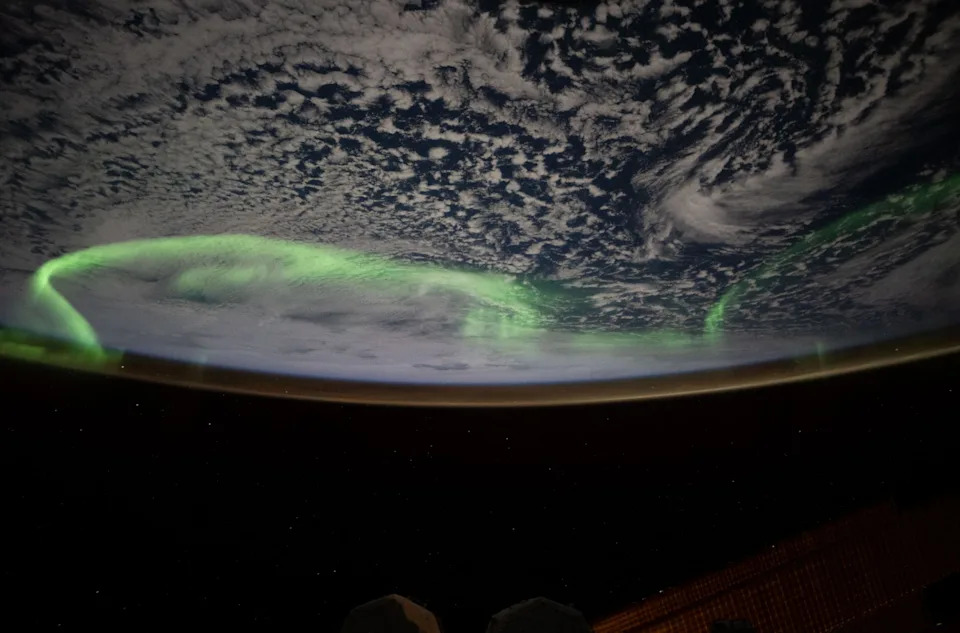
The photo was taken as the ISS soared 269 miles above Australia and Antarctica in June 2025, NASA reported.NASA/Nichole Ayers
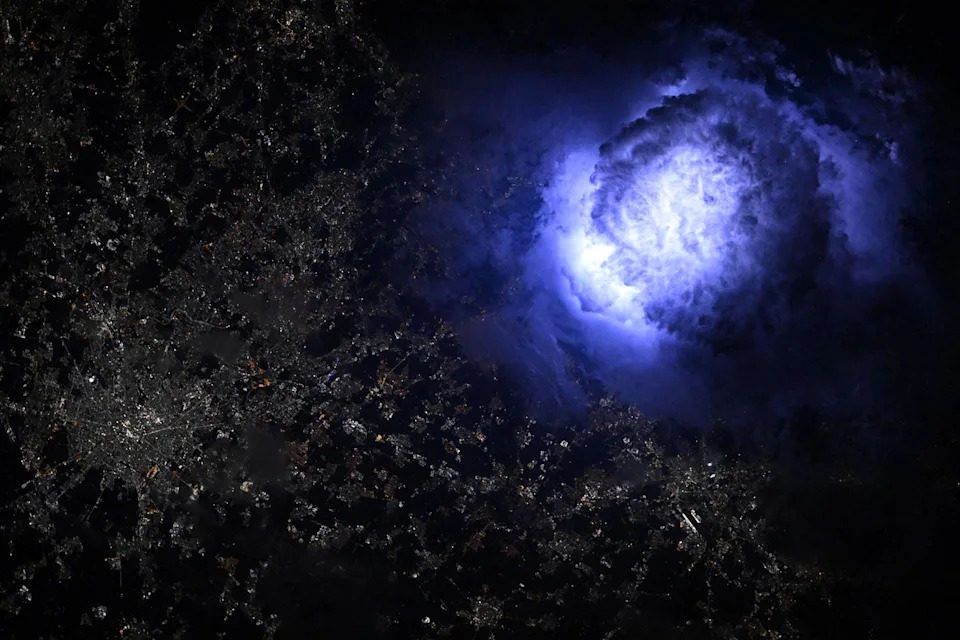
Lightning above Milan, Italy, as seen from the ISS in July 2025.NASA/Nichole Ayers
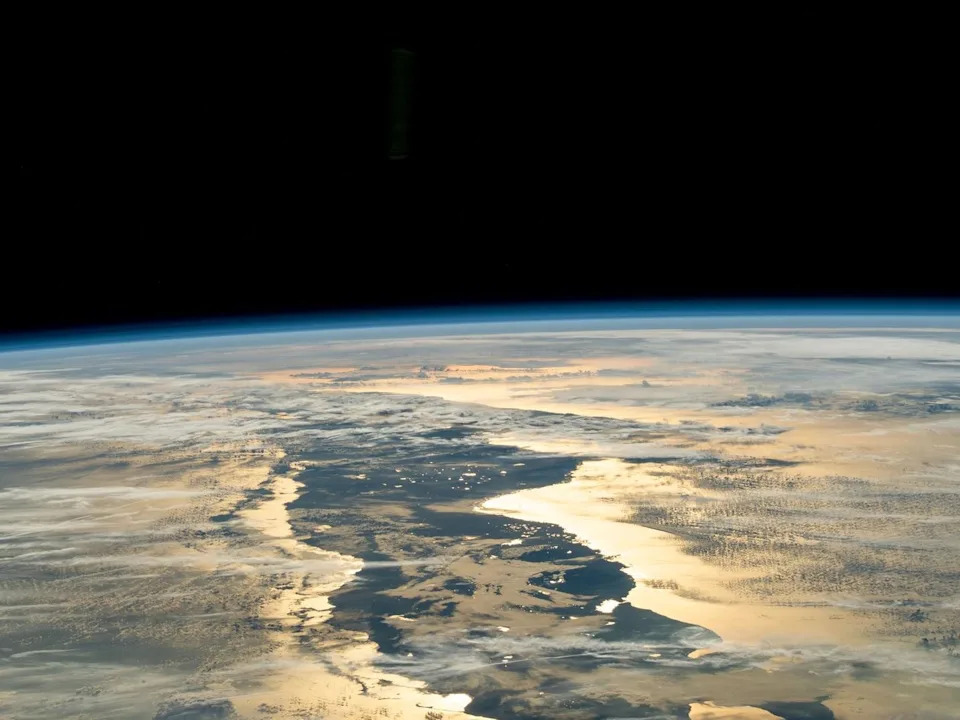
A photo taken from the International Space Station shows New Year's Day dawning on Cuba in 2025.NASA
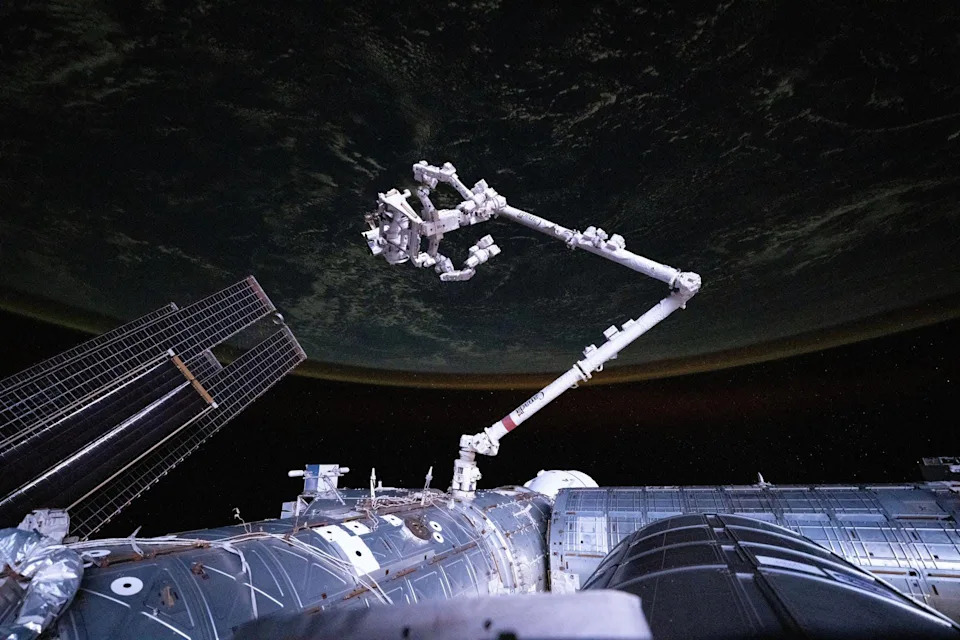
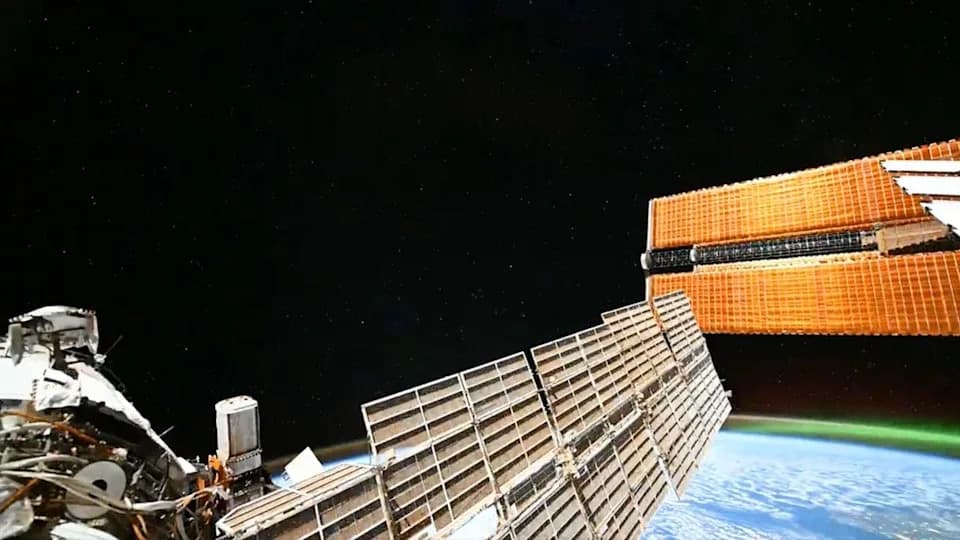
The ISS' Harmony module and robotic arm were photographed in front of an orbital sunset while above the southern Indian Ocean in August 2025.NASA
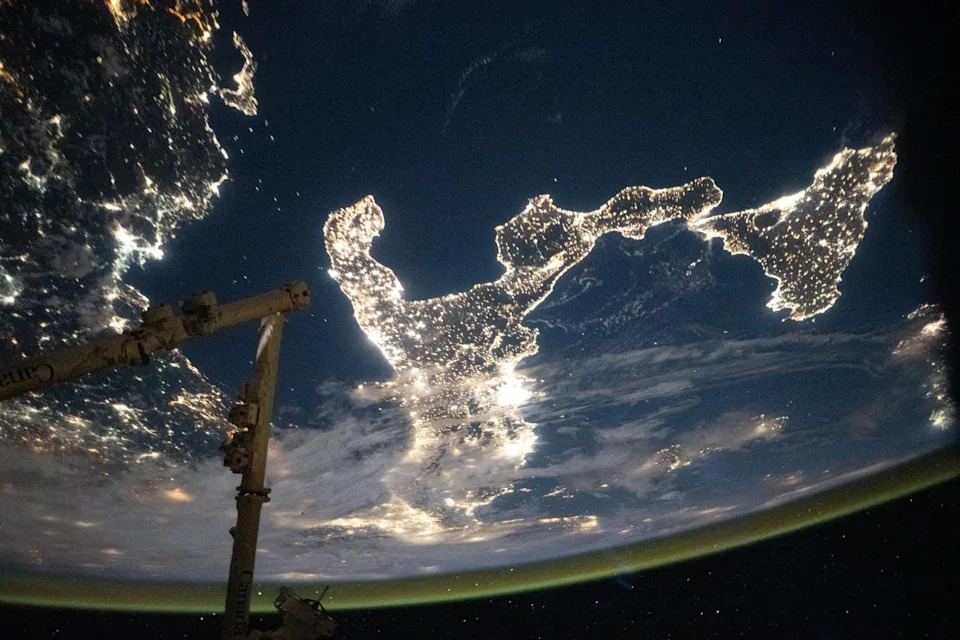
The boot of Italy and Sicily are pictured from the International Space Station as it orbited 262 miles above the Mediterranean Sea in September 2025.NASA
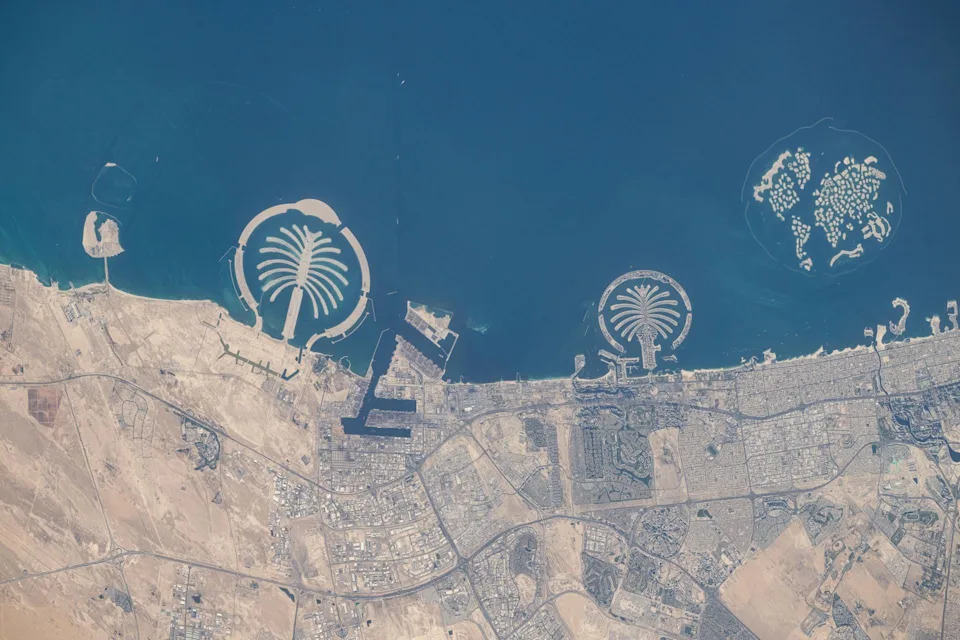
Dubai's manmade islands visible from the International Space Station in June 2025.NASA
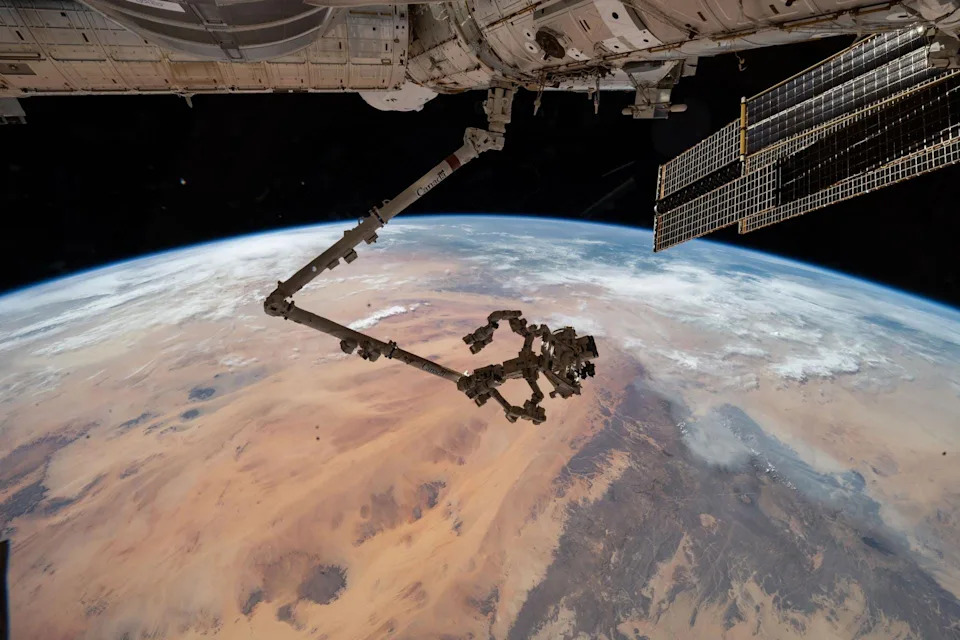
The ISS' Harmony module, with its robotic arm and hand, is seen above the Saharan Desert in Libya in August 2025.NASA
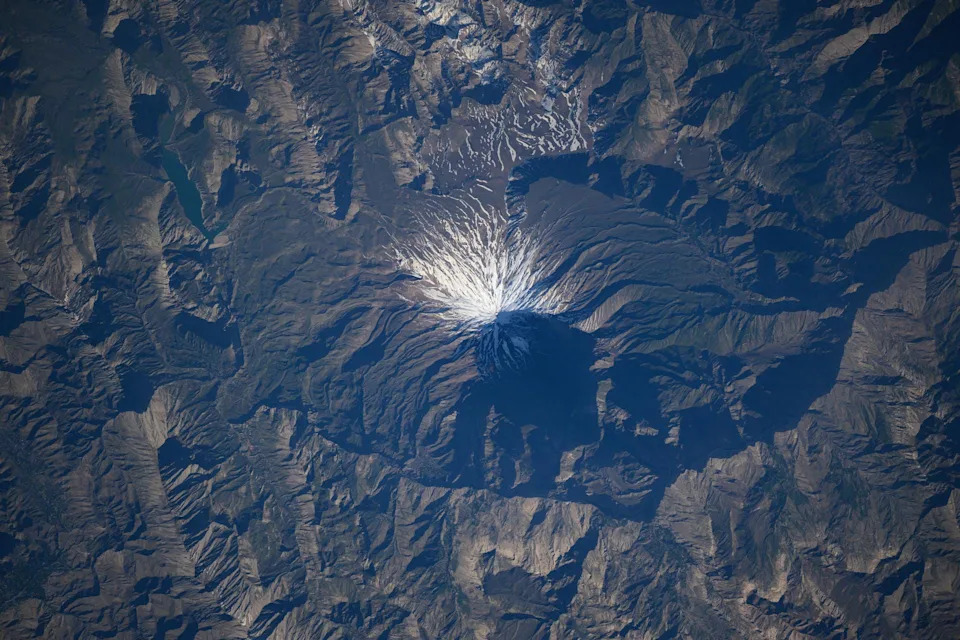
Mount Damavand, a dormant volcano in Iran, is captured by the ISS in May 2025.NASA
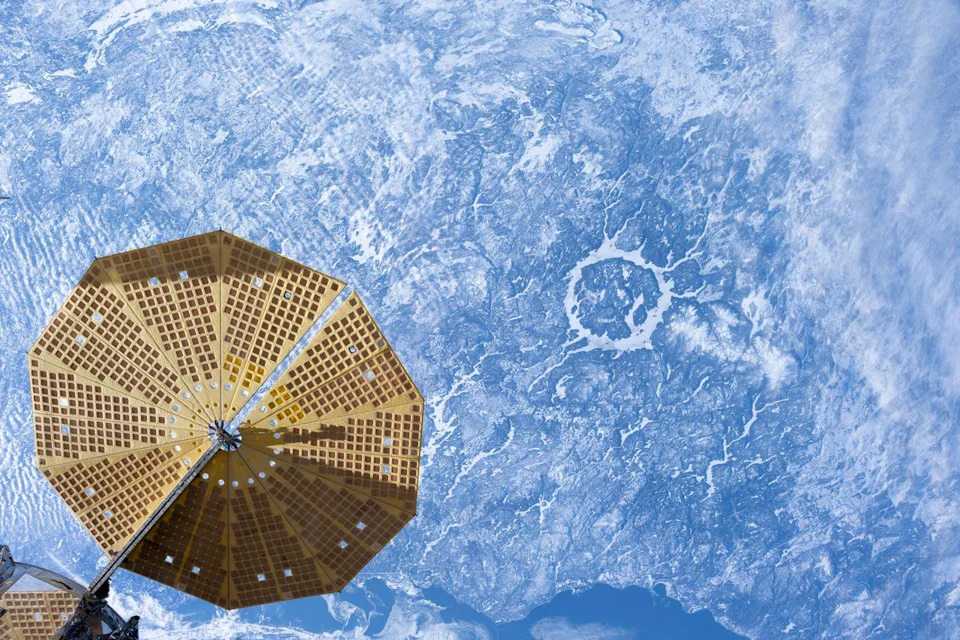
The ISS flies over the Manicouagan crater in Quebec, Canada, in January 2025.NASA
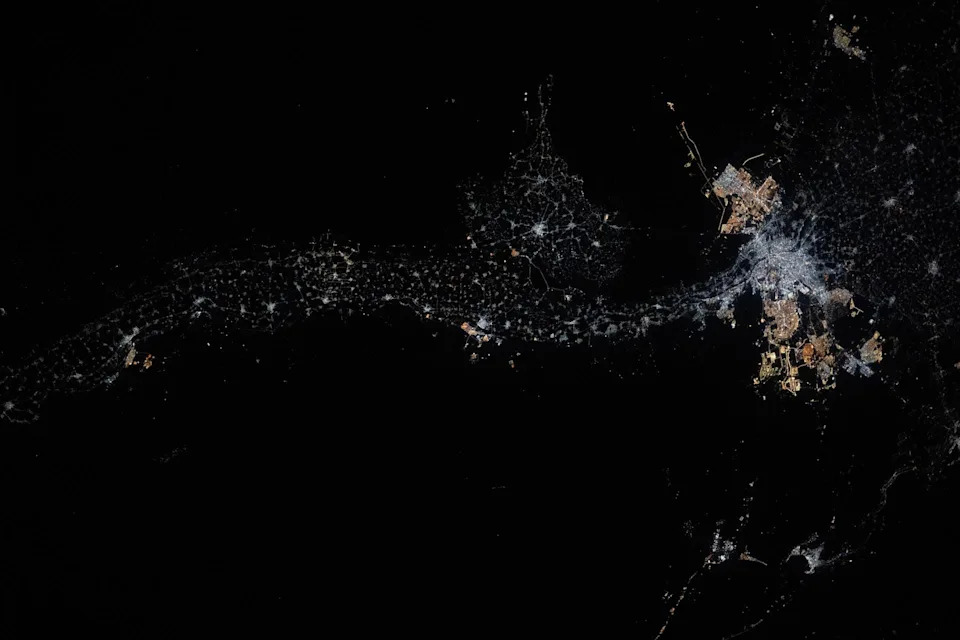
The Nile River was photographed from the International Space Station as it orbited 259 miles above Earth.NASA
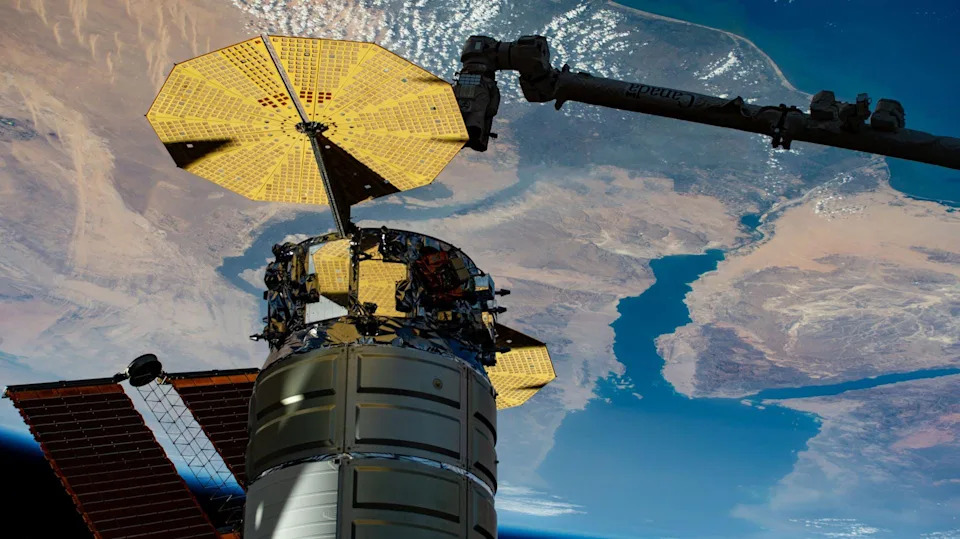
The International Space Station above the Red Sea (right) and the Nile River (left) in September 2025.NASA
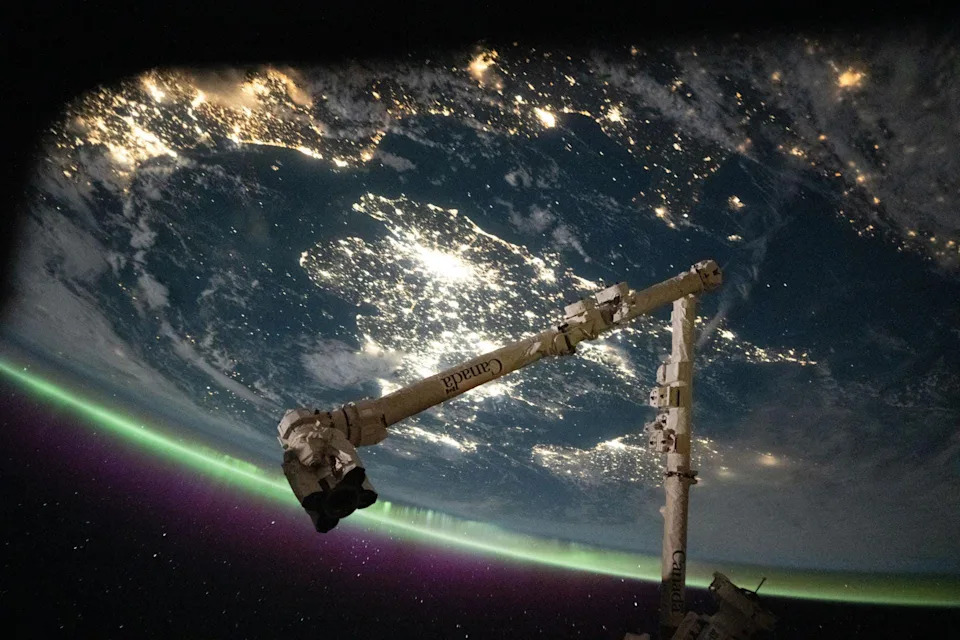
The bright lights of London are visible from the International Space Station in September 2025.NASA
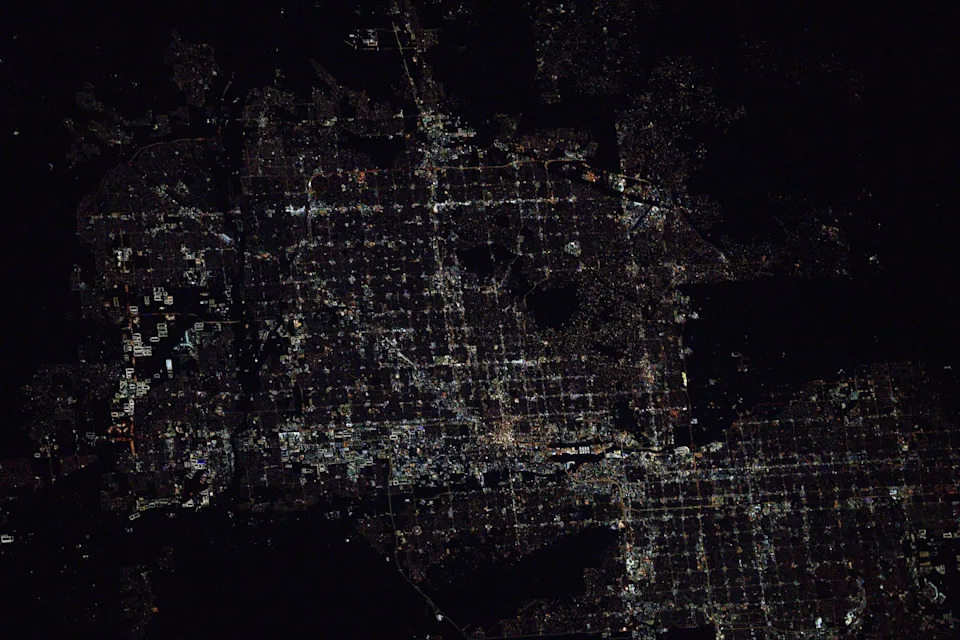
Phoenix, Arizona, from the International Space Station in May 2025.NASA
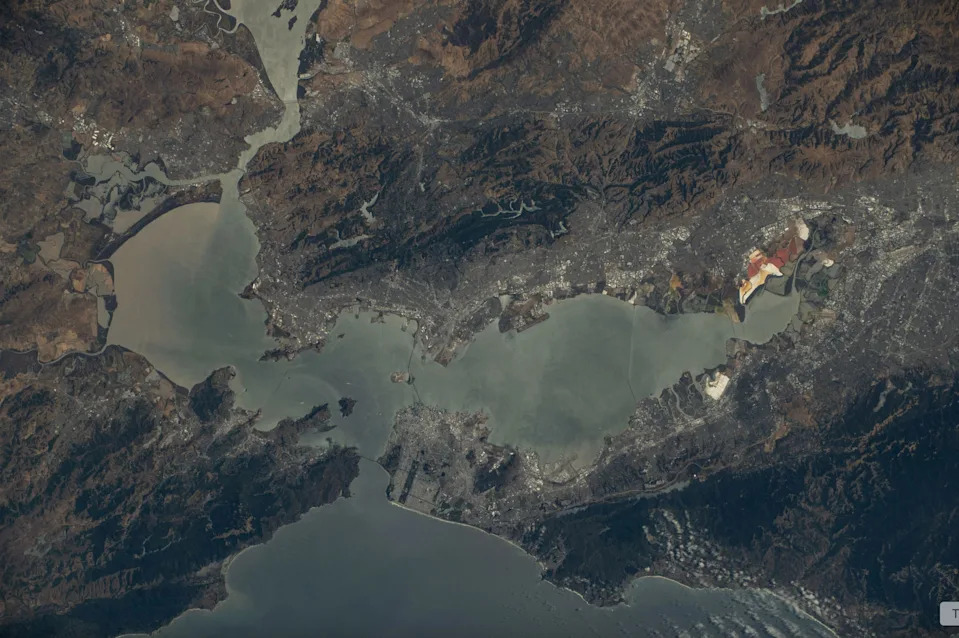
A photo taken from the ISS shows California's San Francisco Bay Area surrounded by San Francisco, Oakland, and San Jose, and their suburbs in August 2025.NASA/Nichole Ayers
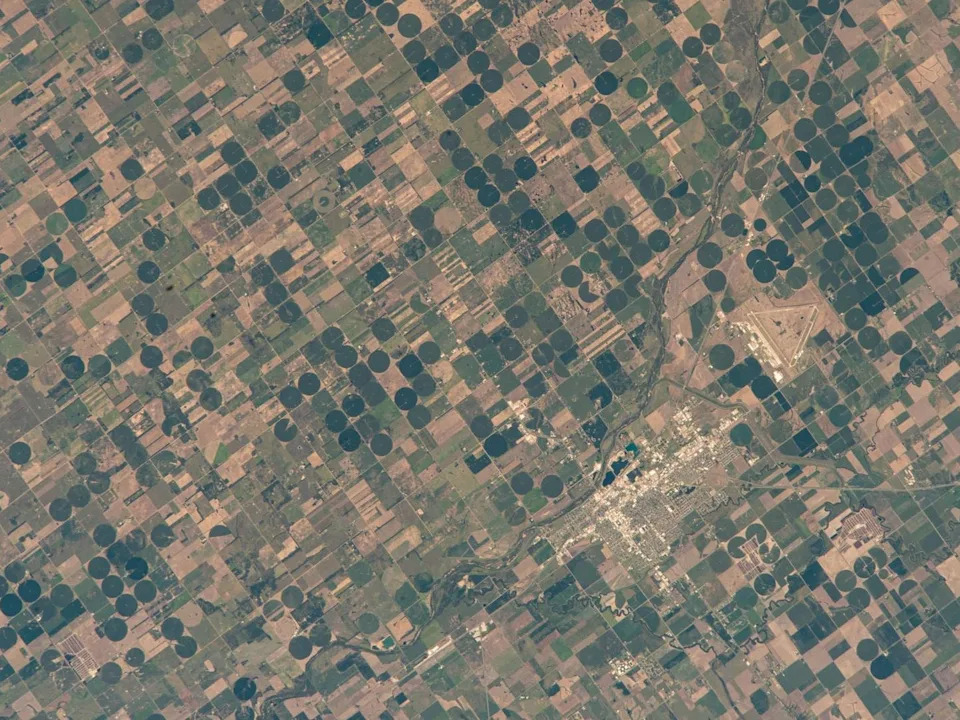
Fields in Great Bend, Kansas, pictured from the International Space Station in August 2025.NASA
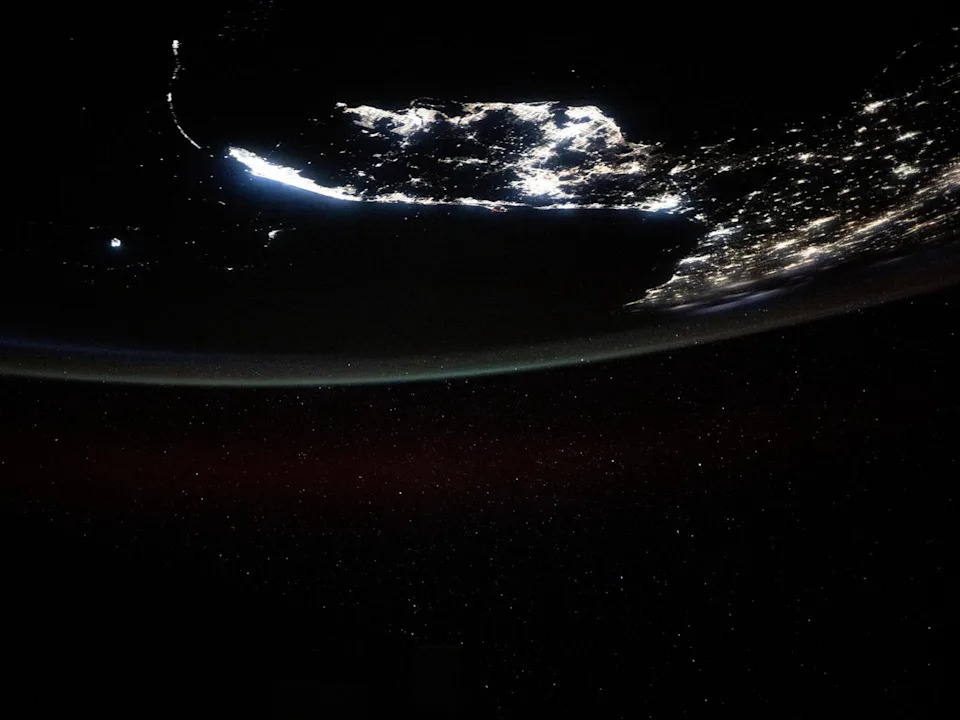
The Florida peninsula and the eastern coast of the US from the ISS in March 2025.NASA
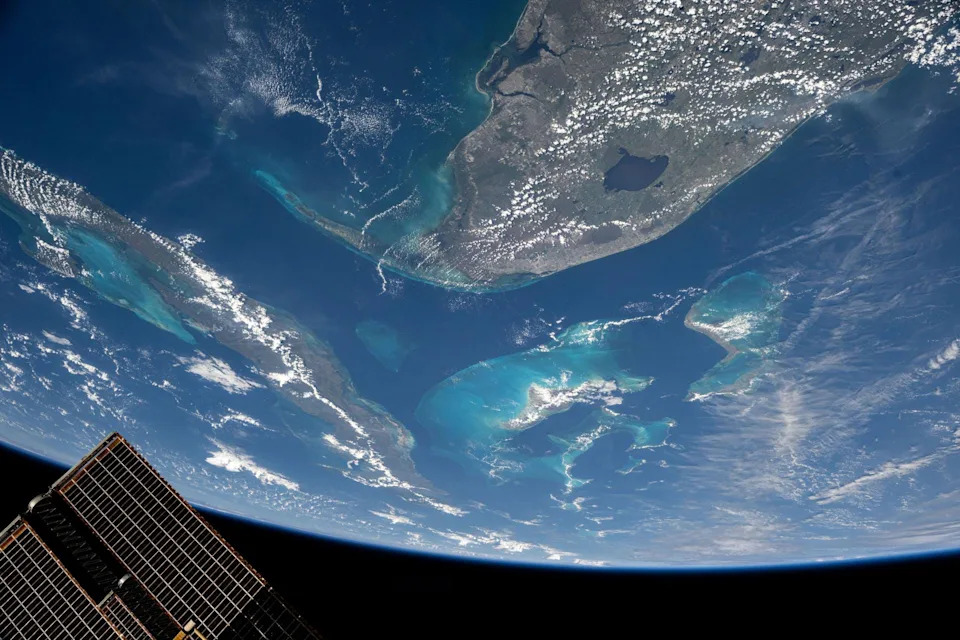
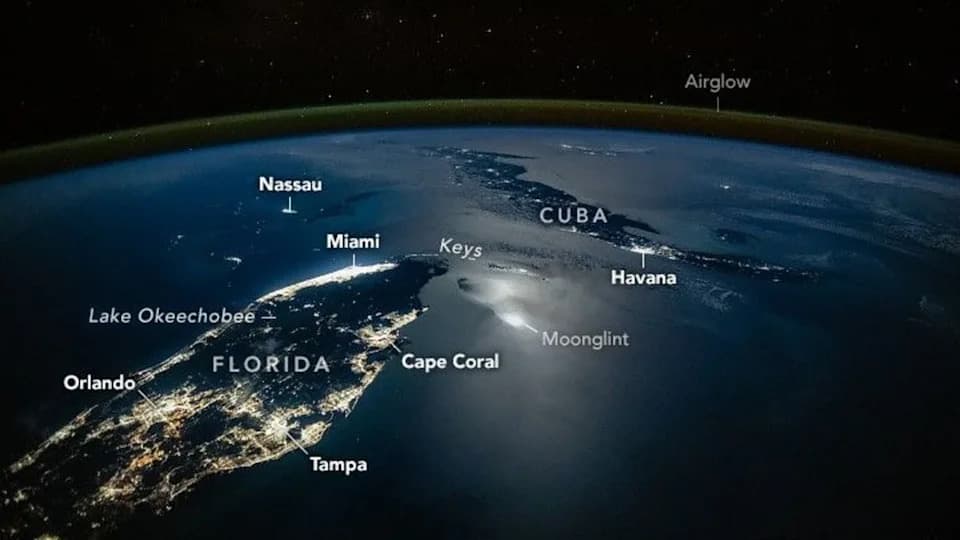
Florida (center), Cuba (left), and the Bahamas (right) seen from the ISS in May 2025.NASA
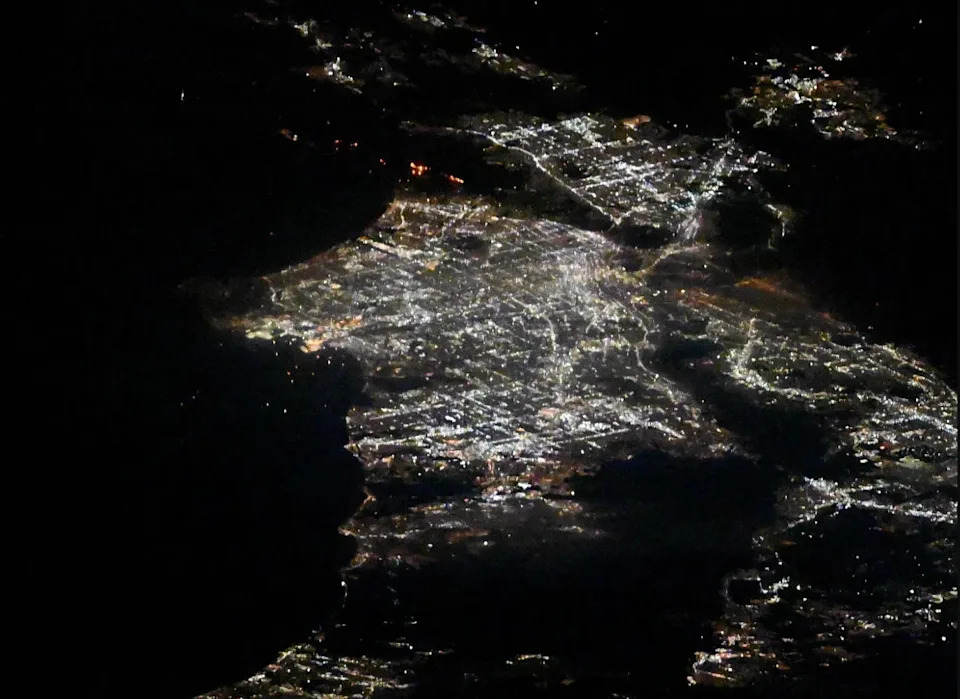
NASA astronaut Don Pettit shared images of the Los Angeles fires from the International Space Station on January 10, 2025.NASA/Don Pettit
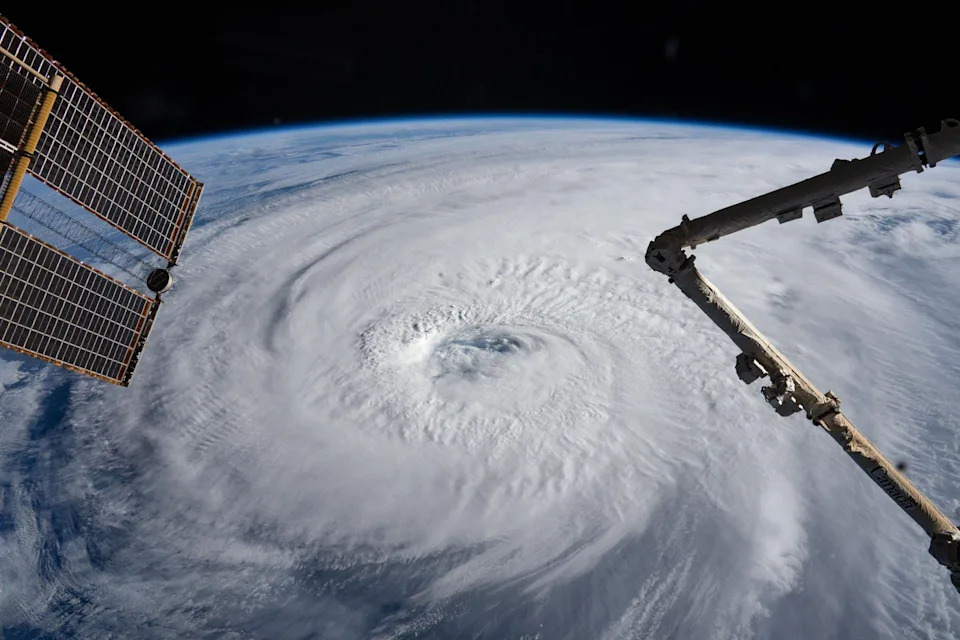
The swirling clouds of Typhoon Halong near Japan, as captured by the ISS in October 2025.NASA
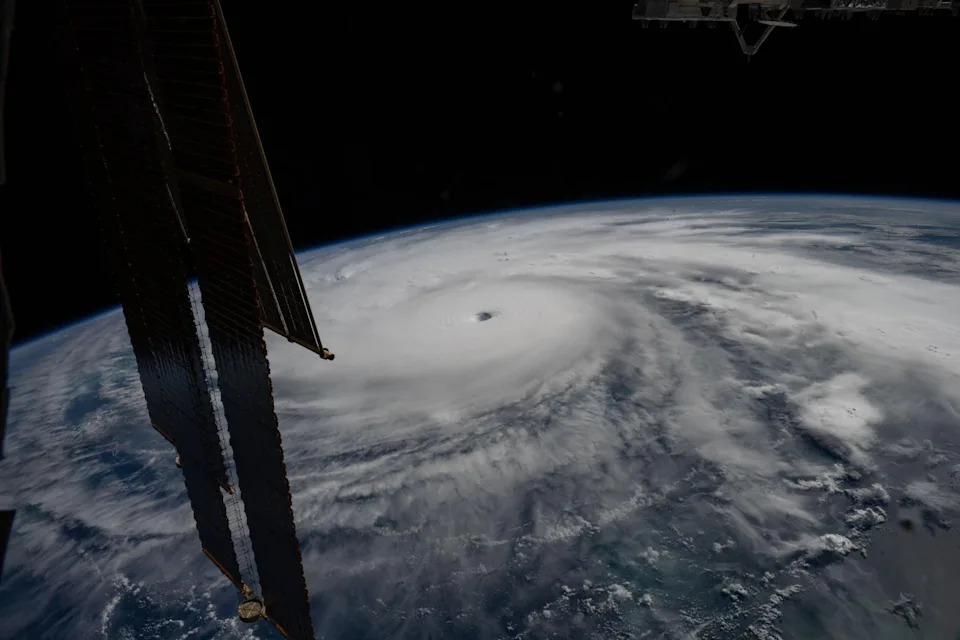
The eye of Hurricane Melissa seen from the ISS.NASA
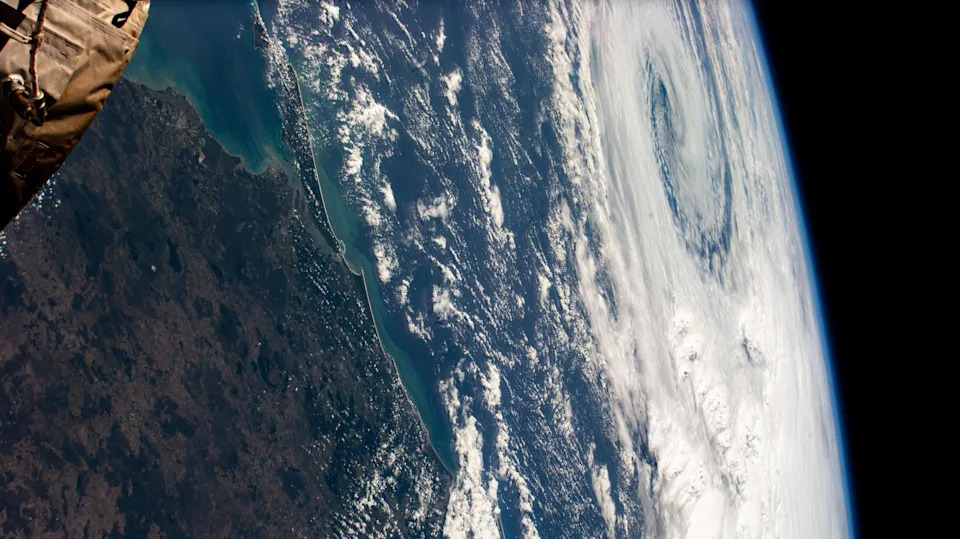
Cyclone Alfred seen from the ISS in March.NASA
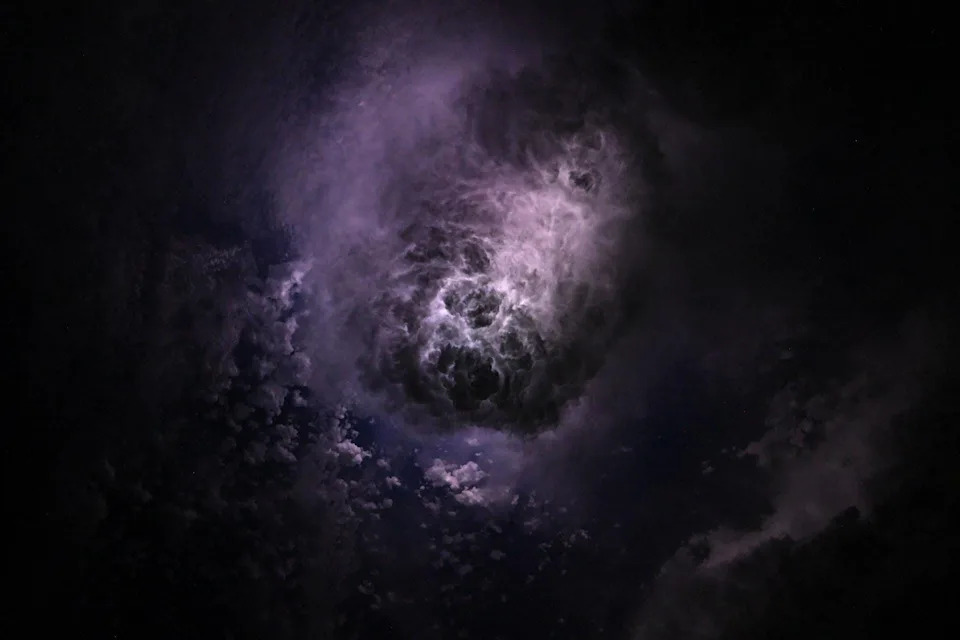
Clouds illuminated by lightning during a storm off the coast of North Carolina in May 2025.NASA
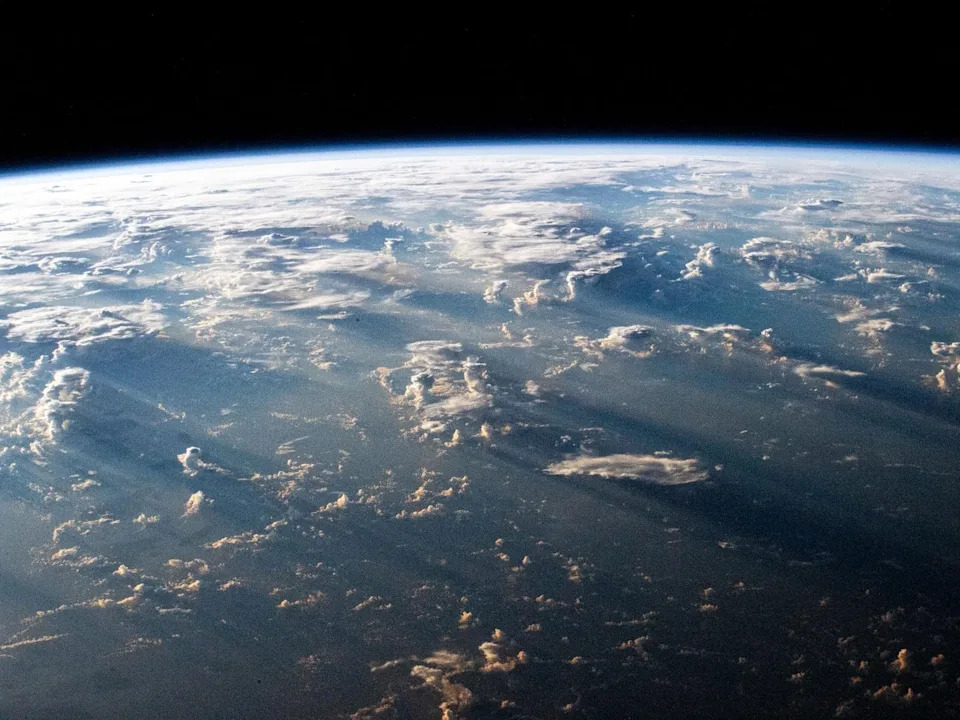
A Southeast Asian sunrise seen from the International Space Station in March 2025.NASA
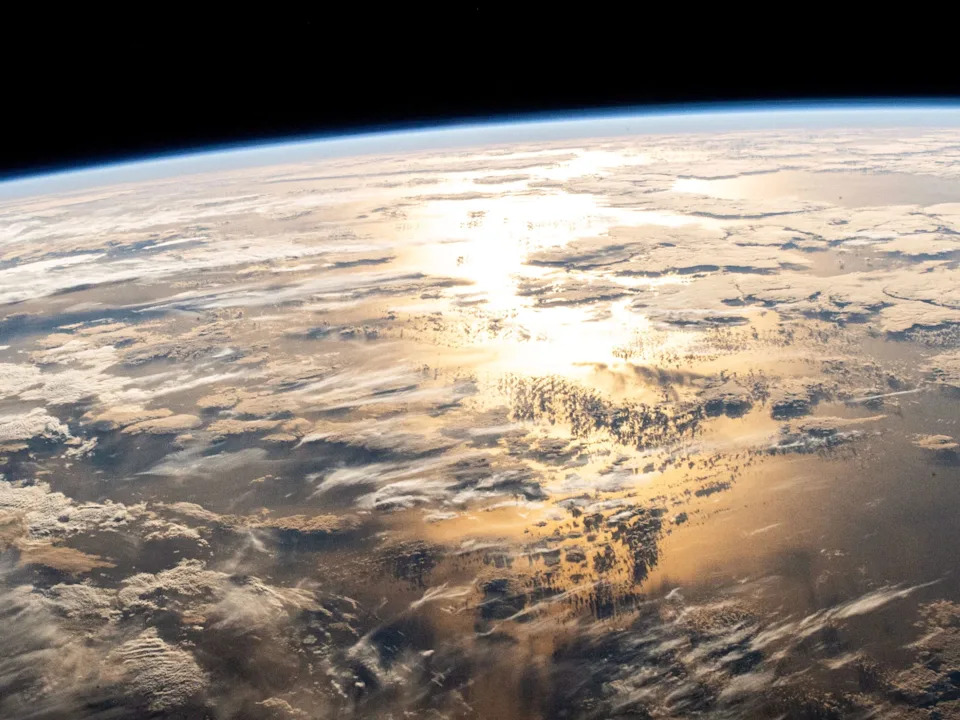
Sunshine bounces of the Atlantic Ocean. as seen from the ISS, in March 2025.NASA
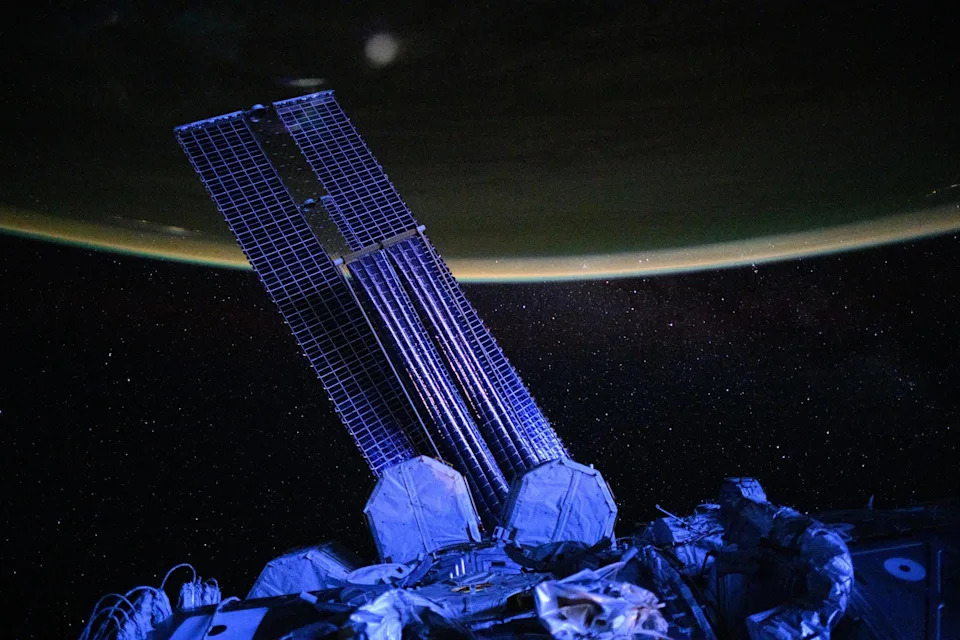
The main solar arrays of the ISS look violet as it orbits above New Zealand in September 2025.NASA
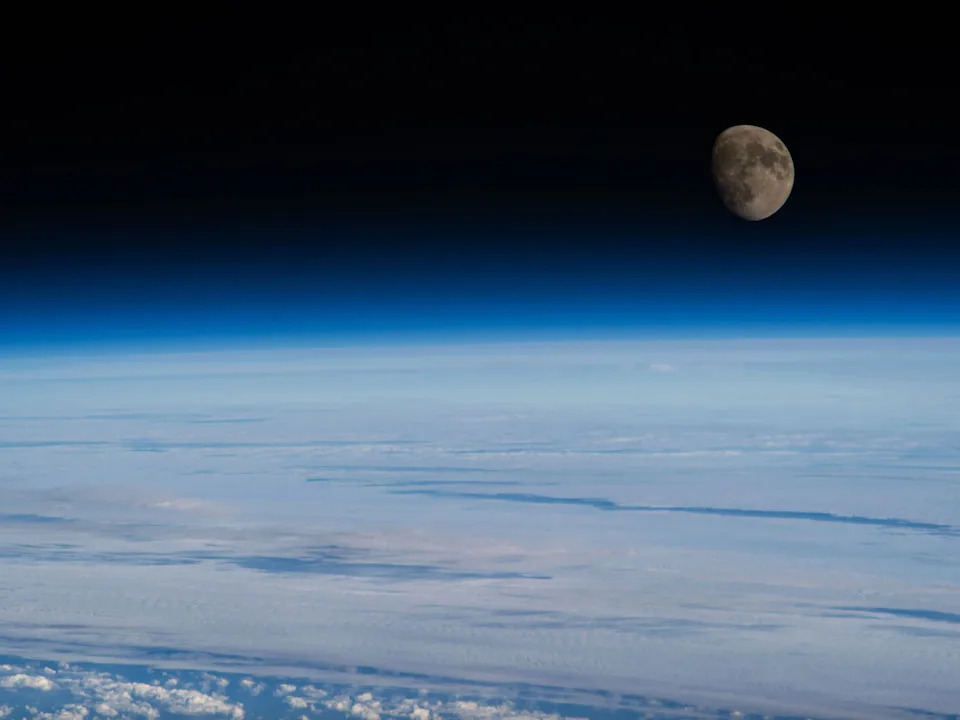
A waxing gibbous moon captured above Canada from the ISS in October 2025.NASA
Help us improve.