Researchers have set up a temporary outpost on Antarctica's Thwaites Glacier, airlifting 10 drilling personnel and about 17 tons of equipment 19 miles from an icebreaker. Over the next days they will deploy instruments aimed at measuring ocean temperatures roughly half a mile below the ice to better understand why Thwaites is thinning two to three times faster than expected. The camp is rudimentary and must be vacated by February 7 when the ship departs. Scientists warn the glacier's collapse could have serious consequences for global sea levels and coastlines.
Scientists Rush to Install Instruments on Rapidly Melting Thwaites Glacier — the 'Doomsday Glacier'
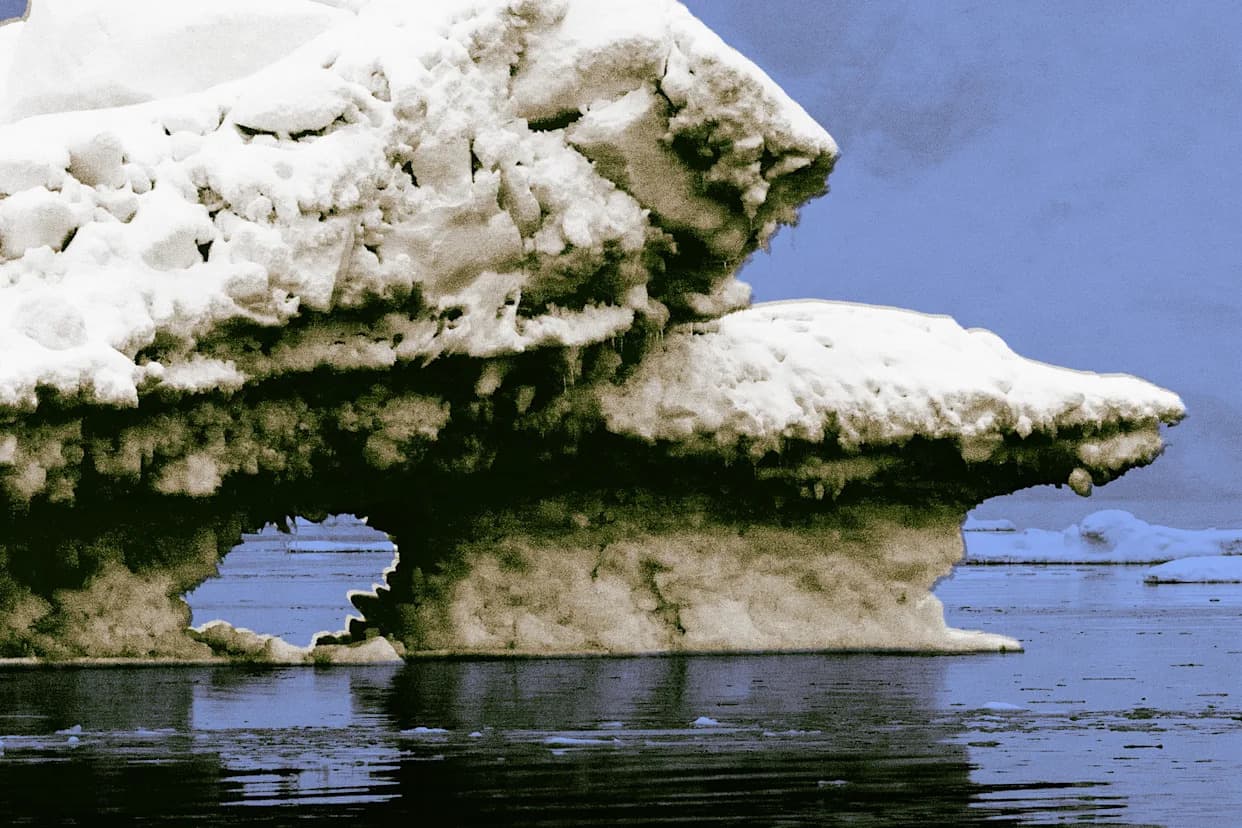
Illustration by Tag Hartman-Simkins / Futurism. Source: Getty Images
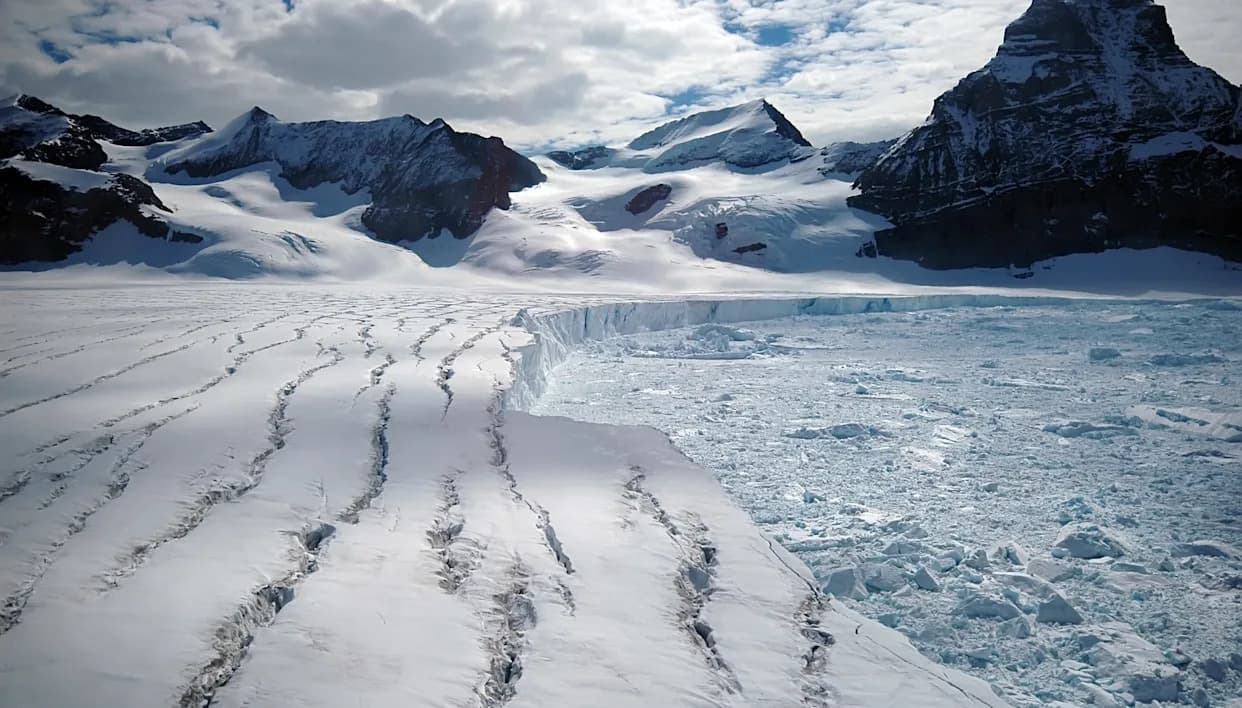
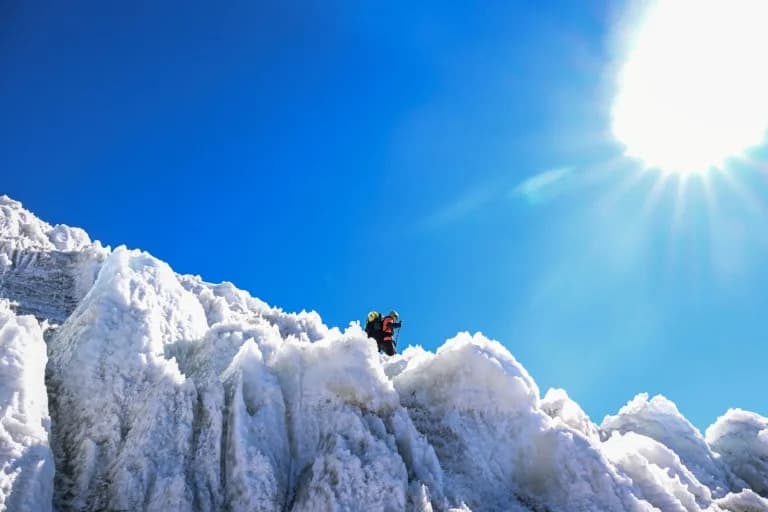
Braving poor visibility, strong winds and bitter cold, a team of researchers has established a temporary outpost on the Thwaites Glacier — one of Antarctica’s fastest-melting and most closely watched ice masses.
The New York Times, which embedded with the expedition, reports that 10 drilling personnel and roughly 17 tons of equipment were airlifted 19 miles inland from an icebreaker and set down on the glacier on Monday. Over the coming days the team will drill through the ice and install scientific instruments designed to monitor ocean conditions beneath the ice shelf and better understand the glacier’s unexpectedly rapid decline.
During a rare weather window, two helicopters completed about a dozen cargo trips between the ship and the campsite while glaciologists and engineers assembled a compact tent community equipped with generators, a mess tent and simple sanitation facilities. The camp is austere: bathrooms are described as outhouses bored into the snow, and meals are largely ready-to-heat or freeze-dried rations, supplemented by a buried cooler of frozen provisions.
The stakes are high. Experts warn that the collapse of Thwaites — popularly nicknamed the “Doomsday Glacier” — could have major, long-term effects on global sea levels and coastlines.
Before the icebreaker must depart on February 7, the drilling crew aims to deploy sensors into the ocean roughly half a mile beneath the glacier’s surface. If successful, those instruments will stream temperature and related oceanographic data that are critical to understanding how warmer waters are eroding the ice from below.
"We're very lucky to be here; we also work very hard to be here," said Scott Polfrey, a mechanical engineer at the British Antarctic Survey. "It's important for everybody here that we do things safely and we come home with hopefully some hard-hitting scientific results that speak about our planet."
Researchers say this fieldwork is part of a broader effort to map subglacial landscapes and chart ocean-ice interactions that drive long-term sea-level projections. The new data could help refine models and inform coastal planning worldwide.
Help us improve.