The lower troposphere functions as a distinct "sky habitat" used by birds, bats and insects, a new study in Ecology shows. Using over 100 million observations from 160 NEXRAD radar stations (1995–2022), researchers mapped daily and seasonal movement, finding concentrated vertical bands of activity and strong nocturnal use in spring and fall. Peak migration pulses occur about four hours after sunset, and many species share airspace with limited competition—insights that can inform conservation as the lower atmosphere becomes busier.
Radar Reveals the Sky as a 'Living Habitat' — What This Means for Birds, Bats and Conservation

Swift bird in flight with a colorful sky in background. Black swallow. Image with copy space.© Marco Lissoni/Shutterstock.com
Look up at the sky and you might see blue, clouds or the occasional bird. A new collaborative study published in the journal Ecology shows there's much more happening: the lower atmosphere functions as a measurable, life-filled environment the authors call the "sky habitat." Using long-term weather-radar archives, researchers mapped how birds, bats and insects use the troposphere across time and space, and explained why this matters for conservation as the lower atmosphere becomes increasingly crowded with human infrastructure.
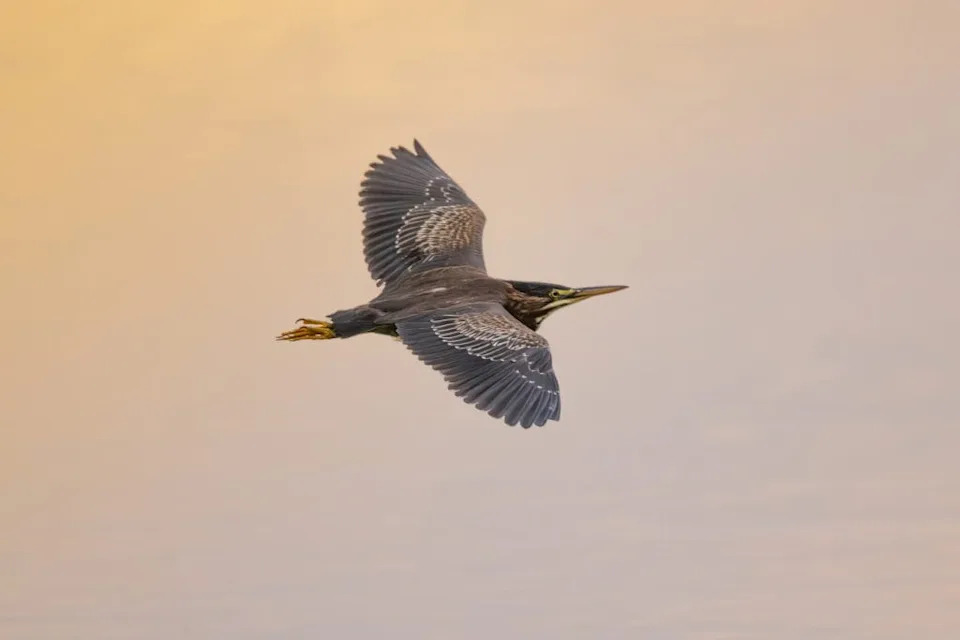
The green heron is among the many bird species that regularly traverse the sky during flight.©Purdue University –Original/License(Purdue University)
What the Study Did
Led by Kyle Horton, an associate professor at Purdue University, the team analyzed more than 100 million radar observations collected by the National Oceanic and Atmospheric Administration’s NEXRAD network from 1995 to 2022. A chain of roughly 160 NEXRAD stations across the United States and territories routinely measures precipitation and, simultaneously, records radar echoes from animals aloft. By reconstructing daily cycles of aerial activity at a continental scale, the researchers identified when, where and at what altitudes the bulk of flying animal movements occur.
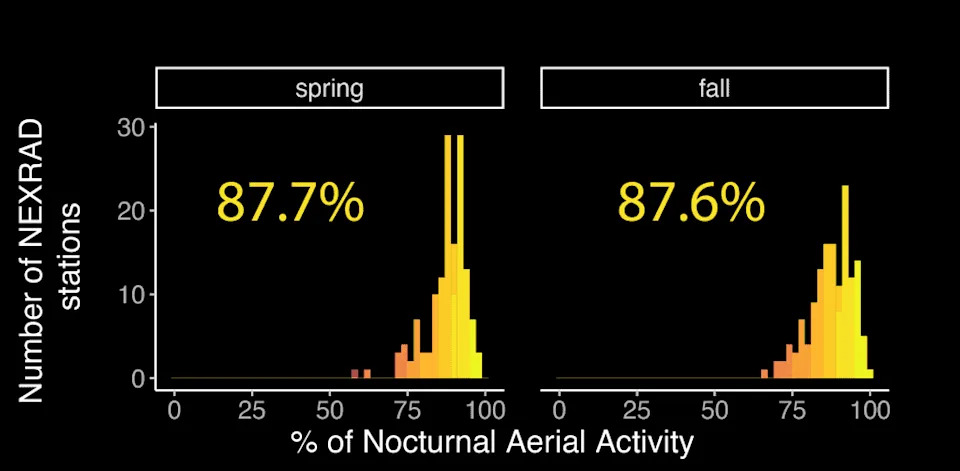
NEXRAD radar stations provided the raw data for the study.©Purdue University –Original/License(Purdue University)
Key Findings
The radar-based view revealed distinct patterns in how the lower troposphere is used:
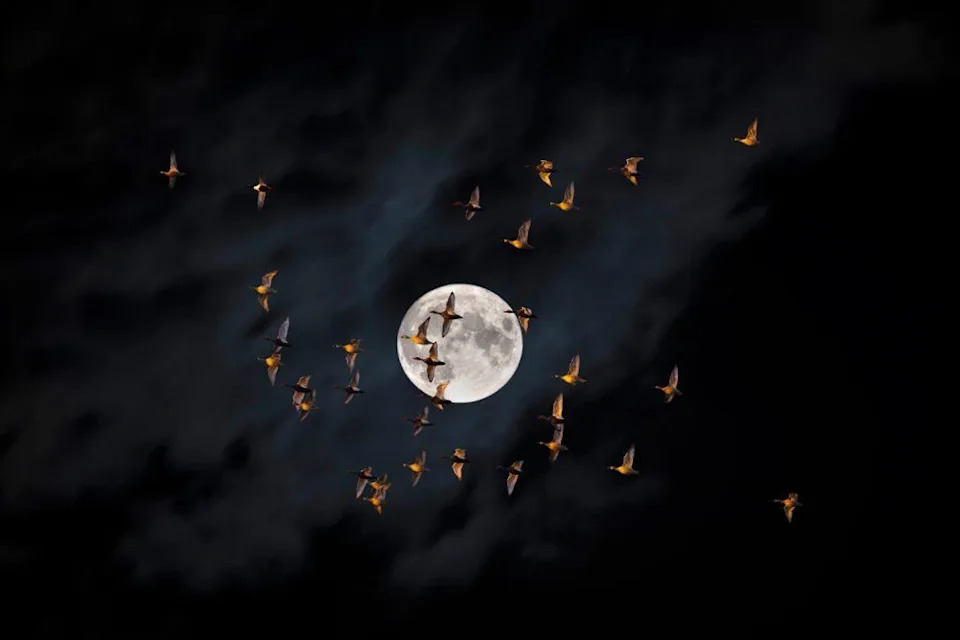
Peak sky habitat activity is four hours after local sunset in the spring and fall.©smutan/Shutterstock.com(smutan/Shutterstock.com)
- Much aerial activity is concentrated in defined vertical layers: on average, half of all detected movement occurred within a narrow band about one-third of a mile thick, beginning around 1,000 feet above ground level.
- Use of the sky habitat is strongly seasonal and largely nocturnal in migration seasons: in both spring and autumn roughly 88% of movement occurred at night, while summer showed a more even split with about 54% of movement after dark.
- The busiest nightly period in spring and fall tends to occur about four hours after local sunset, indicating predictable pulses of migration and other flight behaviors.
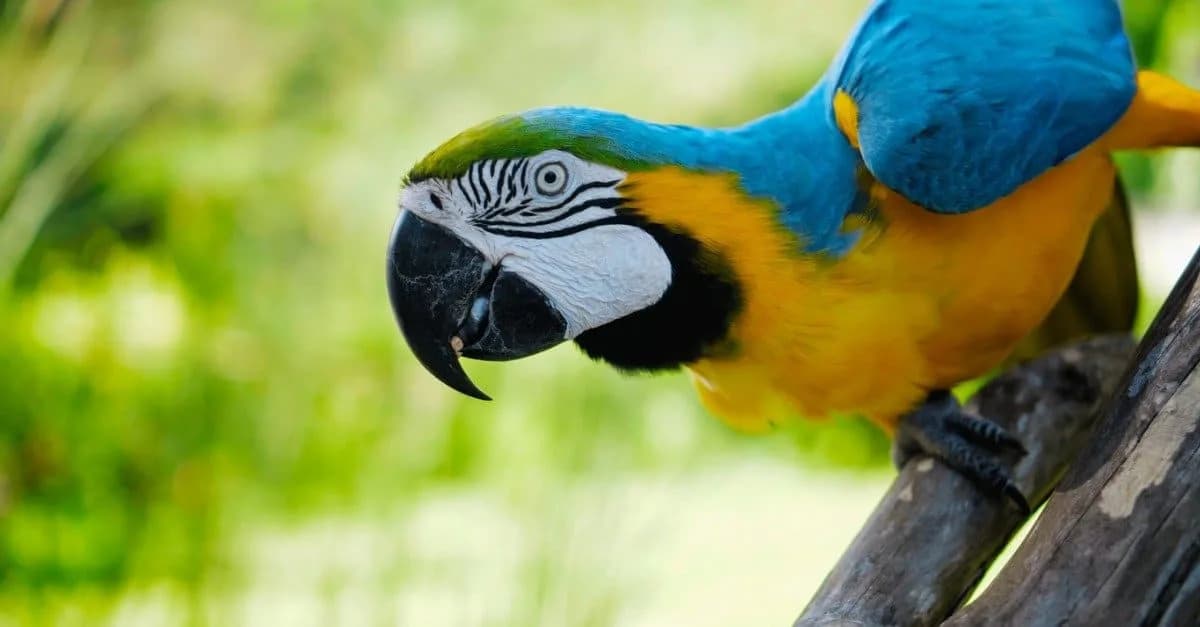
- Different groups—songbirds, wading birds (for example, green herons), bats and many insect taxa—often occupy the same airspace in coordinated ways rather than excluding one another, suggesting aerial ecological dynamics differ from many terrestrial systems.
"To protect species that rely on the sky, we first need to understand how they use it," said Kyle Horton. "The lower atmosphere isn’t empty—it’s a living, dynamic habitat, structured in ways we can now measure thanks to radar."
Why This Matters
Co-author Carolyn Burt and other researchers emphasize conservation and practical applications. As human activity in the lower atmosphere grows—aircraft, wind turbines, drones and artificial lighting—detailed knowledge of when and where wildlife use that space can inform mitigation like timing of turbine operation, flight-path planning, light management, and drone regulations to reduce collisions and disturbance.
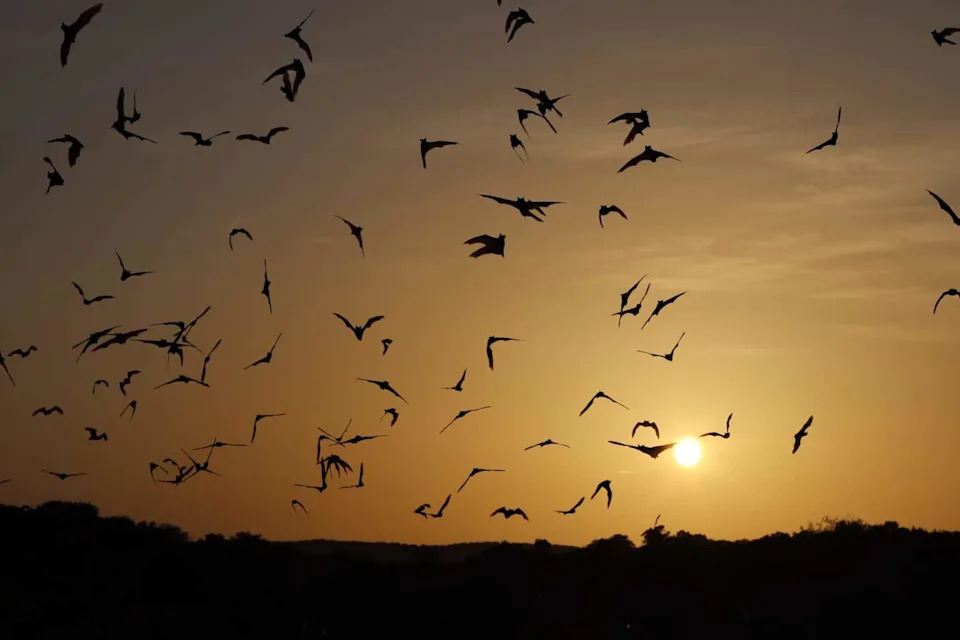
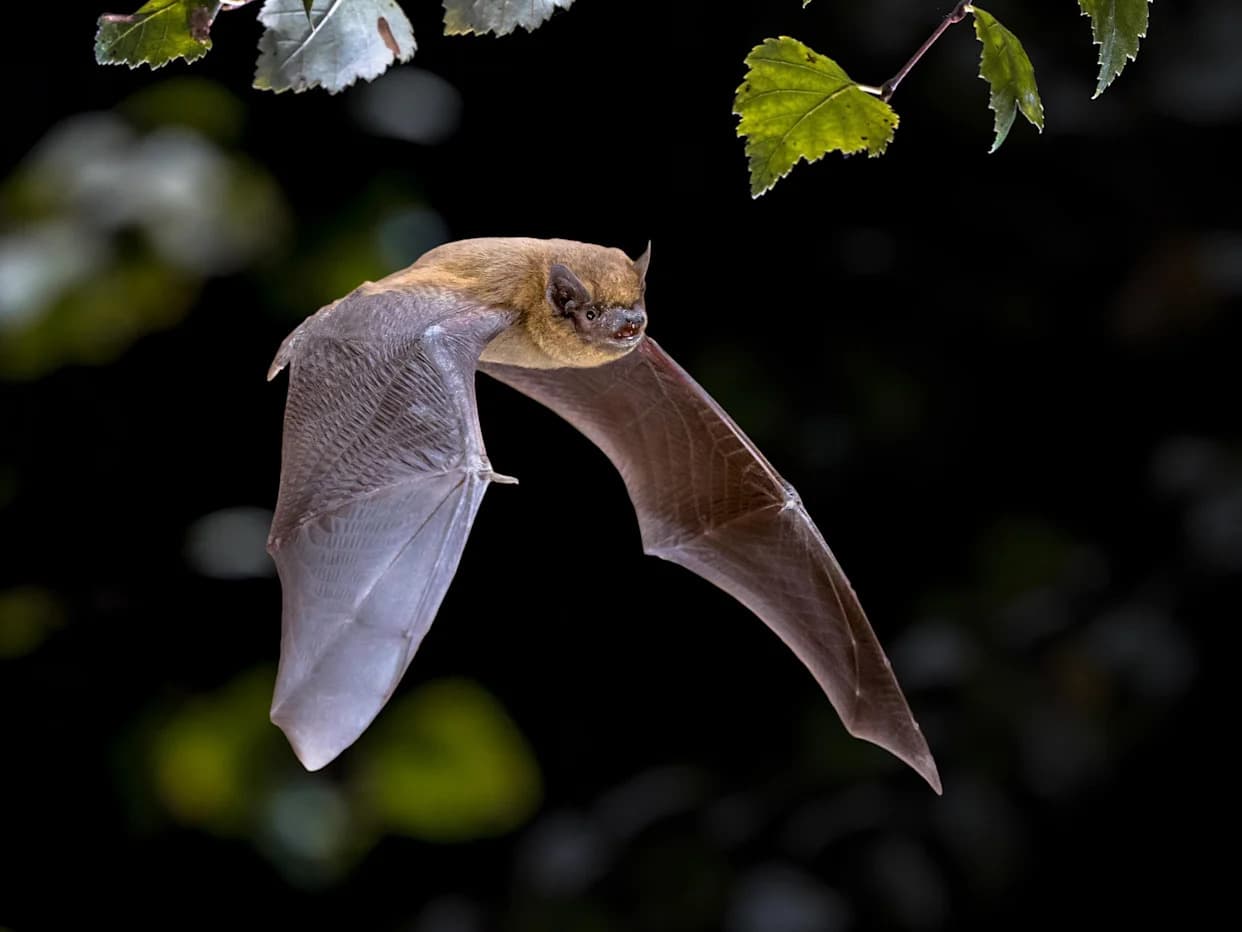
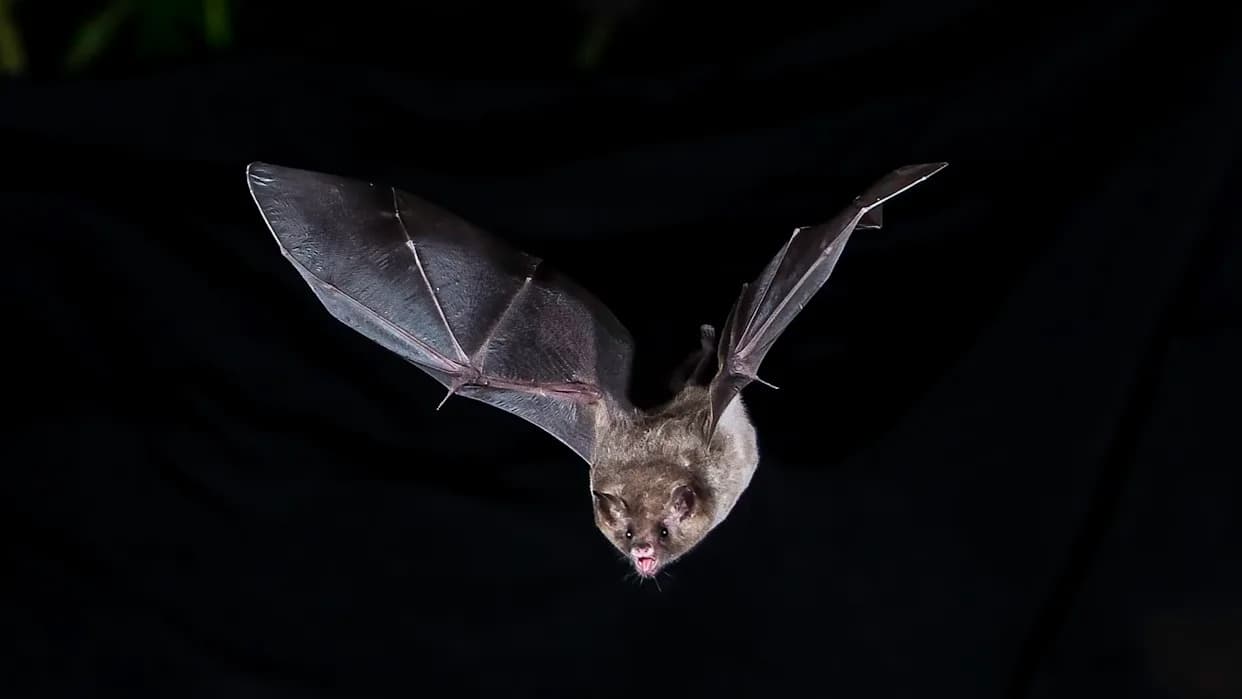
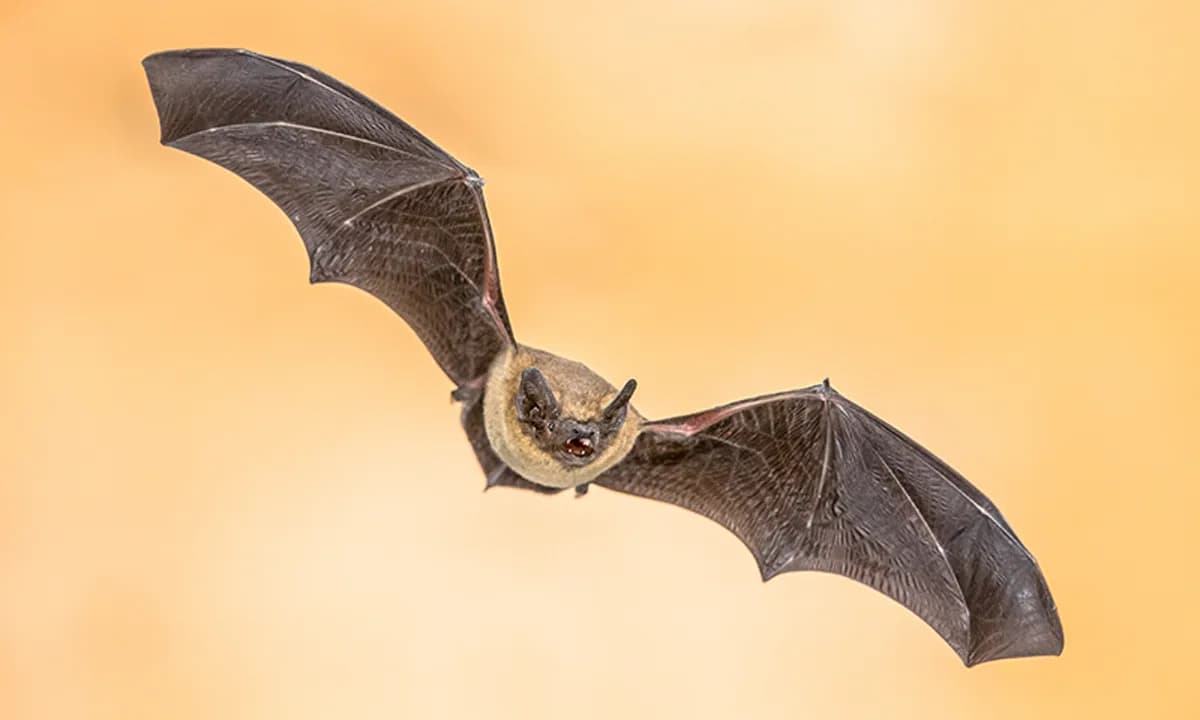
Bats are one of many users of the sky habitat.©Alex555x/Shutterstock.com(Alex555x/Shutterstock.com)
The authors also highlight next steps: pairing radar-derived patterns with species-specific tracking and observational tools to identify which species create particular radar signals and how species interact in shared layers. This combined approach can improve forecasting of animal movement and guide targeted conservation actions.
Bottom Line
The troposphere—especially its lowest levels—is far from empty. It is an active, three-dimensional habitat with daily and seasonal rhythms that shape how millions of animals move, migrate and forage. Long-term radar archives now give scientists a continental-scale, 24-hour lens on aerial life and an evidence base to better protect it.
Help us improve.