New analysis of nearly 2,000 sightings finds Amazon Leo satellites exceed IAU brightness recommendations. The fleet averages an apparent magnitude of 6.28, and about 25 percent of observations were bright enough to be seen without a telescope. Planned lower-orbit satellites and Amazon's expansion to thousands of units could increase impacts, though the company is working with astronomers on reflectivity and orientation fixes.
Study: Amazon's Leo Satellites Are Bright Enough To Disrupt Ground-Based Astronomy
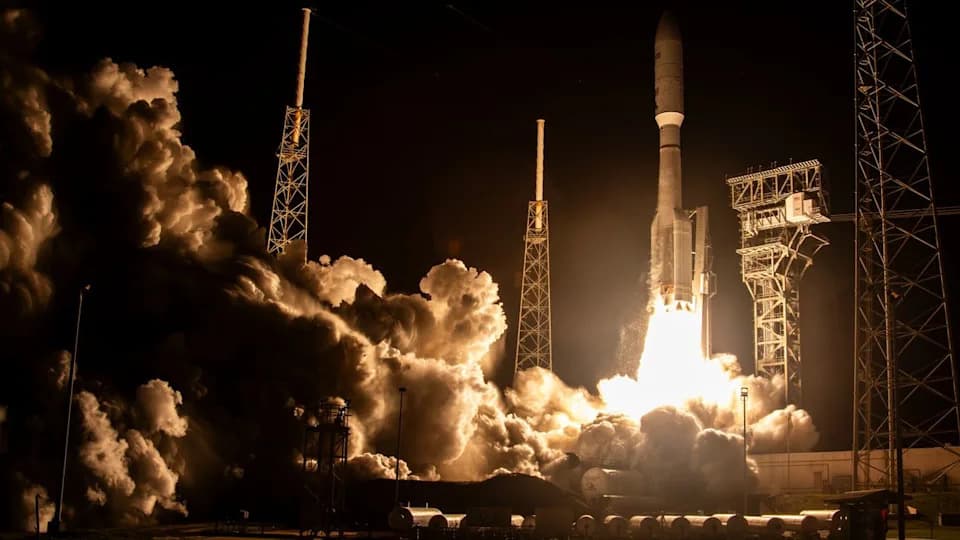
A United Launch Alliance Atlas V rocket launches 27 Amazon Leo internet satellites to orbit on Dec. 16, 2025. . | Credit: ULA
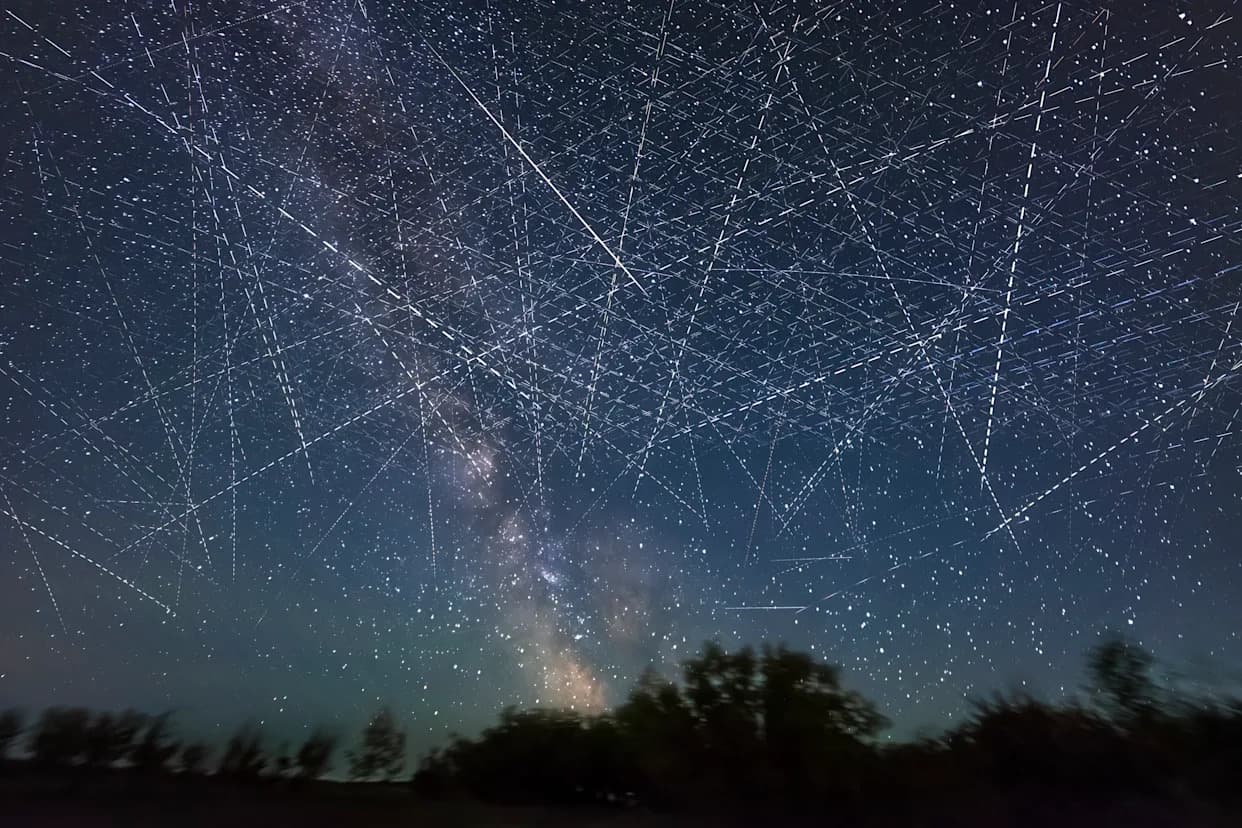
A new analysis finds that satellites in Amazon's low Earth orbit internet constellation, Amazon Leo, are bright enough to interfere with astronomical observations. The study, posted to the arXiv preprint server on Jan. 12 and not yet peer-reviewed, examined nearly 2,000 observations of Amazon Leo spacecraft and concluded the fleet exceeds the International Astronomical Union's (IAU) recommended brightness limits for megaconstellations.
Key Findings
The Amazon Leo satellites currently orbit at about 391 miles (630 kilometers) and have an average apparent magnitude of 6.28. That magnitude is generally below naked-eye visibility in ideal dark-sky conditions, but it remains high enough to affect professional astronomy. In roughly 25 percent of the recorded observations, individual satellites were bright enough to be seen without a telescope.
Bright satellites are particularly troublesome for large-scale astronomical surveys at ground-based observatories such as the Vera C. Rubin Observatory. They can also interfere with orbiting observatories, including the Hubble Space Telescope, the study's lead author Anthony Mallama said in an email to Space.com.
Comparisons And Context
Mallama and his colleagues compared Amazon Leo to other internet-beaming constellations. Amazon Leo is considerably dimmer than AST SpaceMobile's BlueBird arrays, whose large antennas (about 690 square feet or 64 square meters for current models, and up to ~2,400 square feet or 223 square meters for next-gen versions) make them among the brightest artificial objects in the night sky. Amazon Leo is slightly fainter than most SpaceX Starlink satellites, which operate at lower altitudes (around 300 miles or 480 kilometers), though Starlink benefits in many cases from spending more of its orbit in Earth’s shadow.
The study warns that planned later Amazon Leo satellites will operate at a lower altitude (about 366 miles or 590 kilometers), which would make them brighter when illuminated by the Sun and could increase their impact on observations.
Mitigation Efforts
Mallama praised Amazon for engaging with the astronomical community and attempting to reduce satellite reflectivity. Proposed mitigation measures include designing mirror-like undersides so sunlight is reflected away from observers on Earth and orienting components so that sunlit surfaces are less visible from the ground. Independent dark-sky expert John Barentine noted that Amazon engineers have reduced how much light early test satellites reflect since 2023, and that the satellites tend to be especially conspicuous during twilight.
Why This Matters
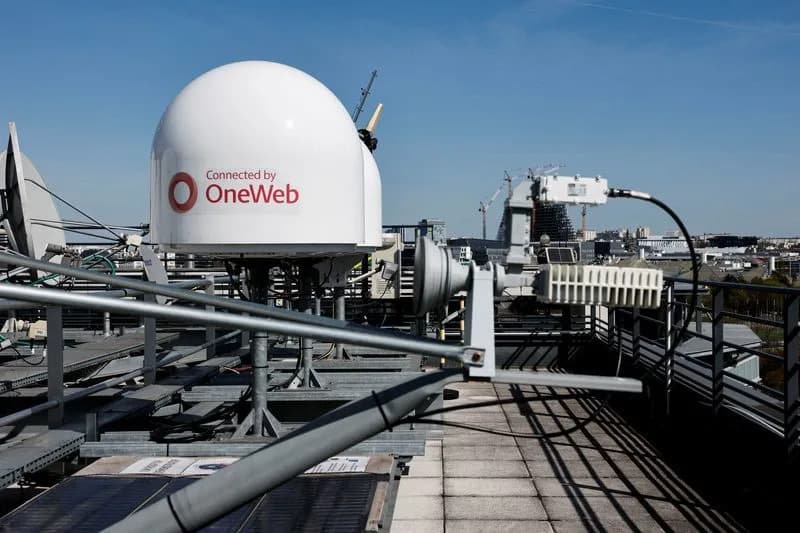
Astronomers first raised concerns about megaconstellations after streaked images appeared following SpaceX's early Starlink launches in 2019. Though operators have worked to dim satellites, a November 2025 report by Mallama and colleagues in Monthly Notices of the Royal Astronomical Society found that, with the exception of OneWeb (which orbits higher, at roughly 745 miles or 1,200 kilometers), most active internet-beaming constellations then exceeded IAU-recommended brightness limits.
With Amazon planning to expand Leo to more than 3,200 satellites (180 launched so far), the study underlines the need for ongoing collaboration between satellite operators and the astronomical community to protect scientific observations while meeting connectivity goals.
Note: The arXiv paper referenced here is a preprint and has not completed peer review.
Help us improve.