The Trump White House unexpectedly softened its stance twice in one week after public outrage and video evidence undermined earlier statements. First, President Trump’s broad dismissal of NATO’s role in Afghanistan drew sharp criticism; he later posted praise for British sacrifices. Second, senior officials quickly labeled Alex Pretti an "assassin" after he was shot by Border Patrol in Minneapolis, but those claims were backed away from as video contradicted the narrative. Both episodes demonstrate a limited, situational retreat from the administration’s usual no-apologies posture.
Rare Backtrack: Trump Team Pulls Back From Two High-Profile False Claims
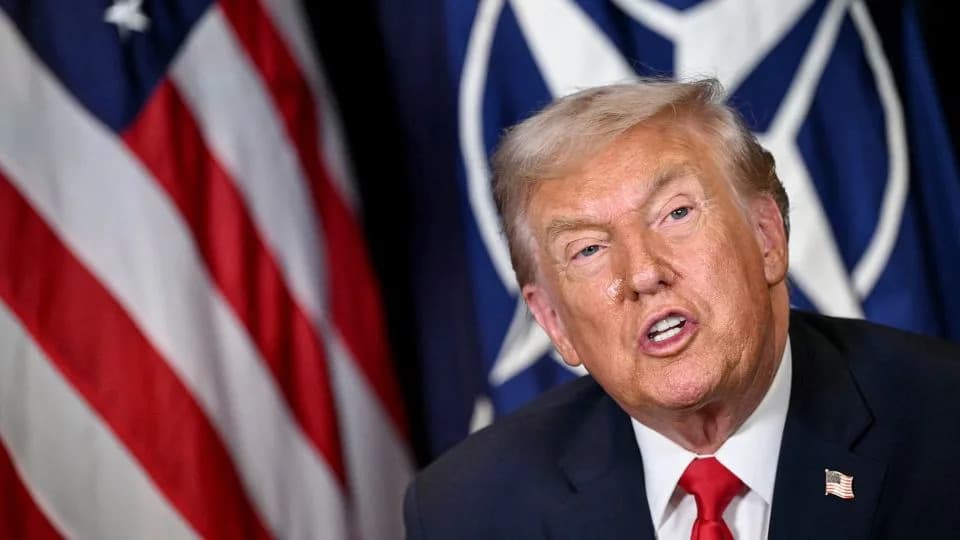
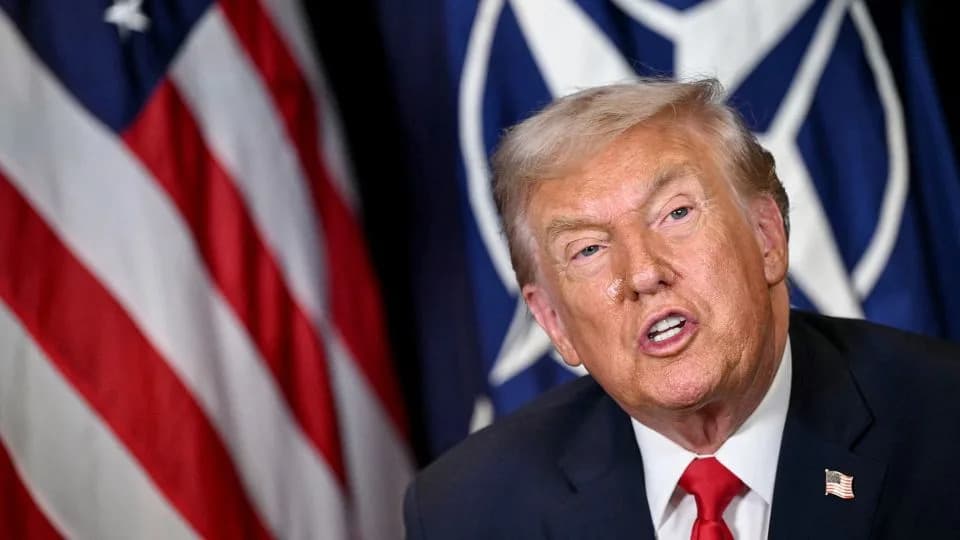
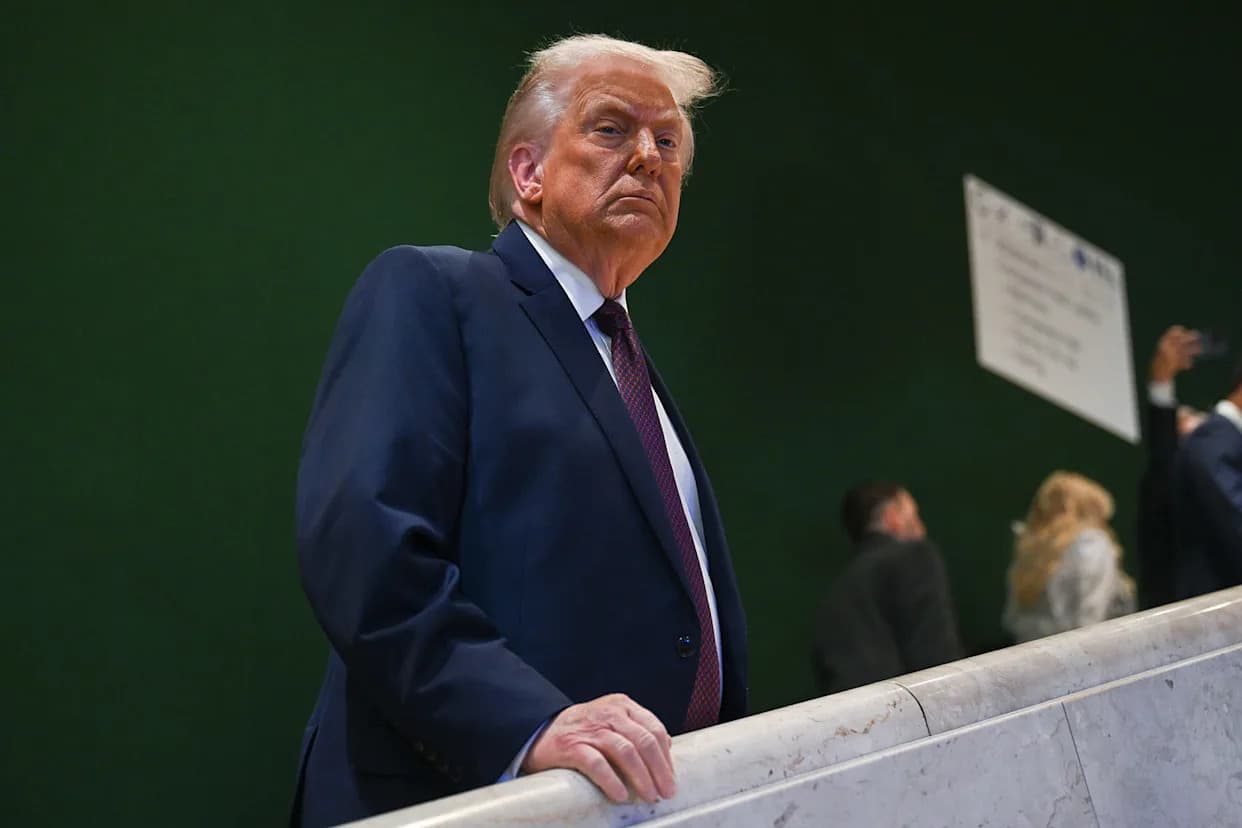
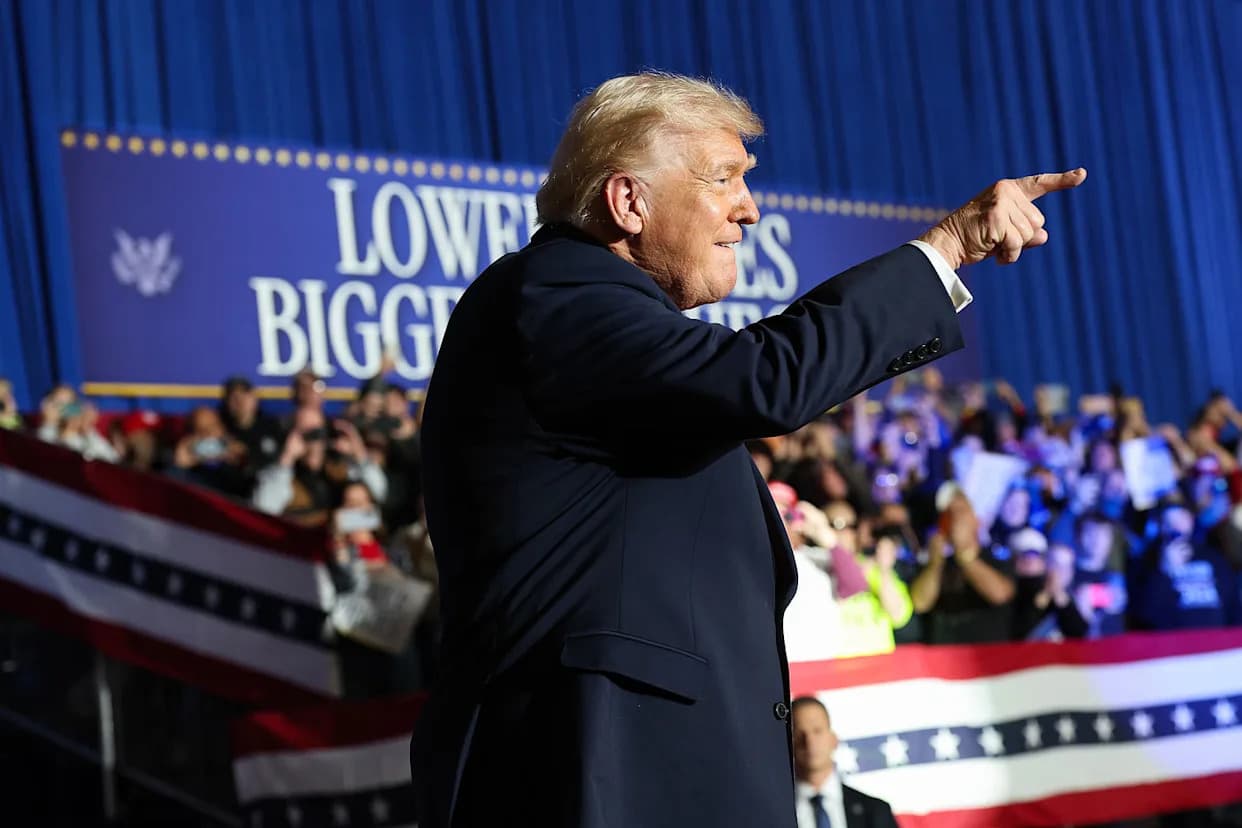
Trump speaks during a bilateral meeting with NATO's secretary-general in Davos, Switzerland, on January 21. - Mandel Ngan/AFP/Getty Images
This week saw an uncommon change in the Trump White House’s typical approach to contested statements: senior officials and the president retreated from two widely criticized claims after public pushback and video evidence made them politically and factually untenable.
Two High-Profile Episodes
1. NATO Remarks
"We’ve never needed them. We have never really asked anything of them... They stayed a little back, a little off the front lines."
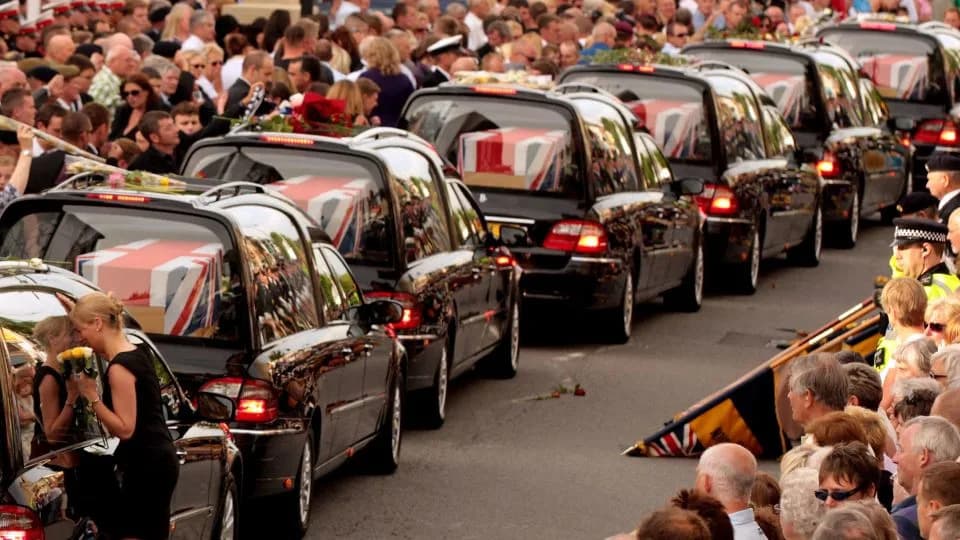
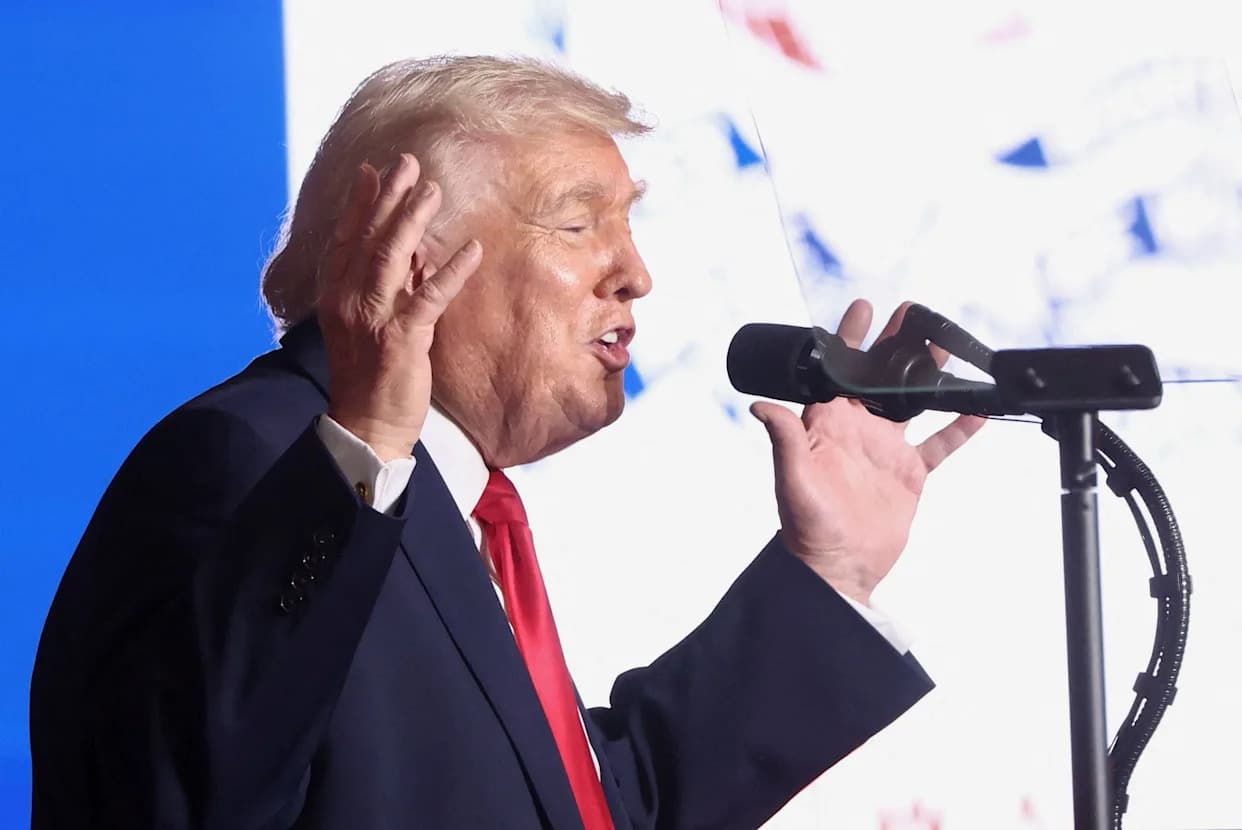
In a Fox Business interview, President Trump characterized NATO members’ contributions to the war in Afghanistan in sweeping terms that many allies and veterans found inaccurate and offensive. While it is true that some coalition partners restricted how their forces operated, the United States did ask NATO allies to help after the Sept. 11, 2001 attacks, and several partners—including the United Kingdom, Denmark and Canada—deployed forces into dangerous provinces such as Helmand and Kandahar and suffered substantial casualties. Tracking by iCasualties.org counts over 1,000 fatalities among non-U.S. NATO troops in that conflict.
The White House initially defended the president’s remarks, but Trump subsequently posted a social media message praising British sacrifices—noting, for example, that 457 British service members died—which was widely read as a partial retreat from his earlier comments.
2. The Alex Pretti Case
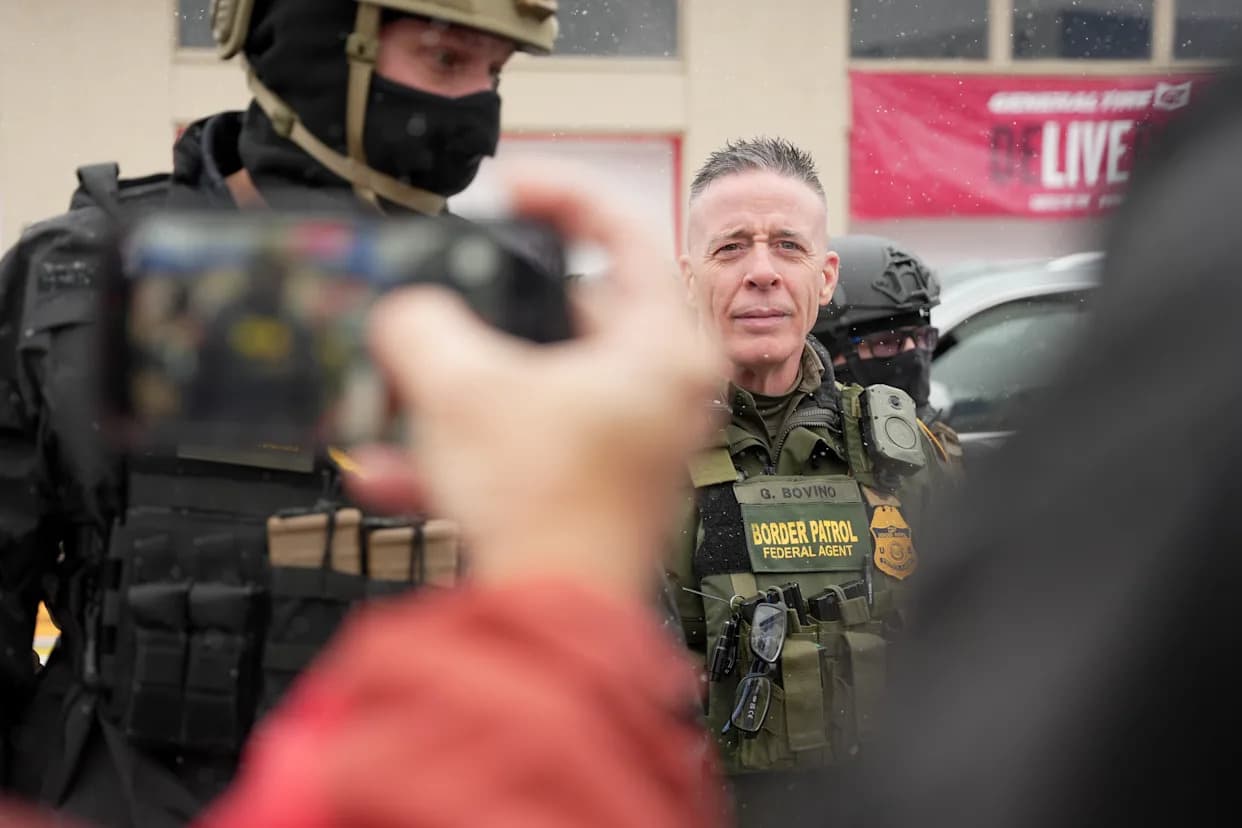
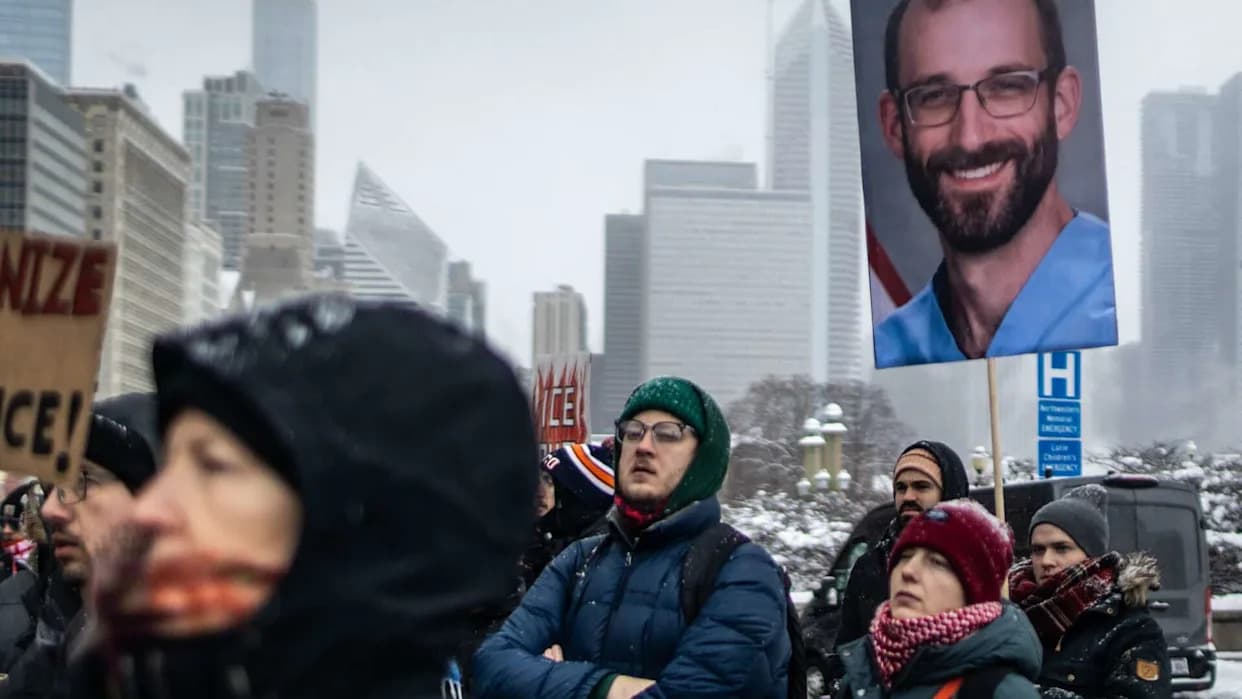
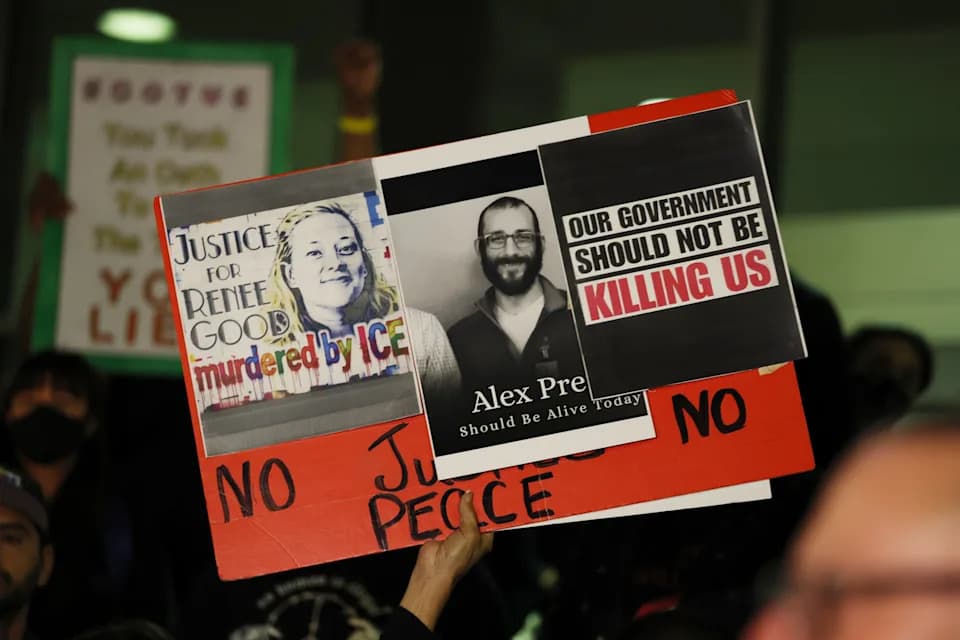
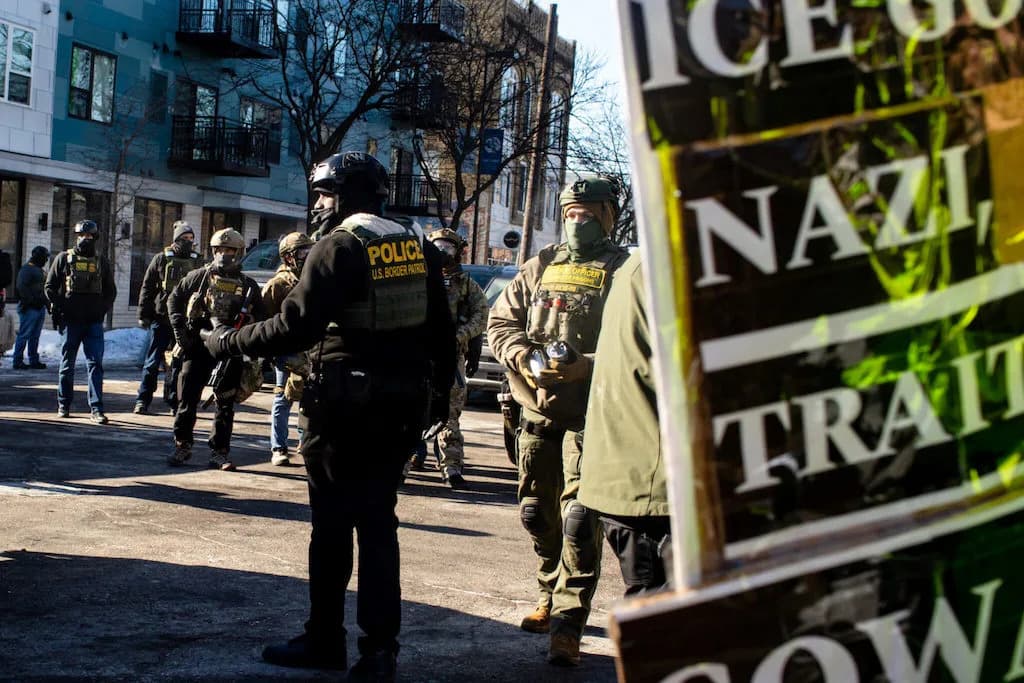
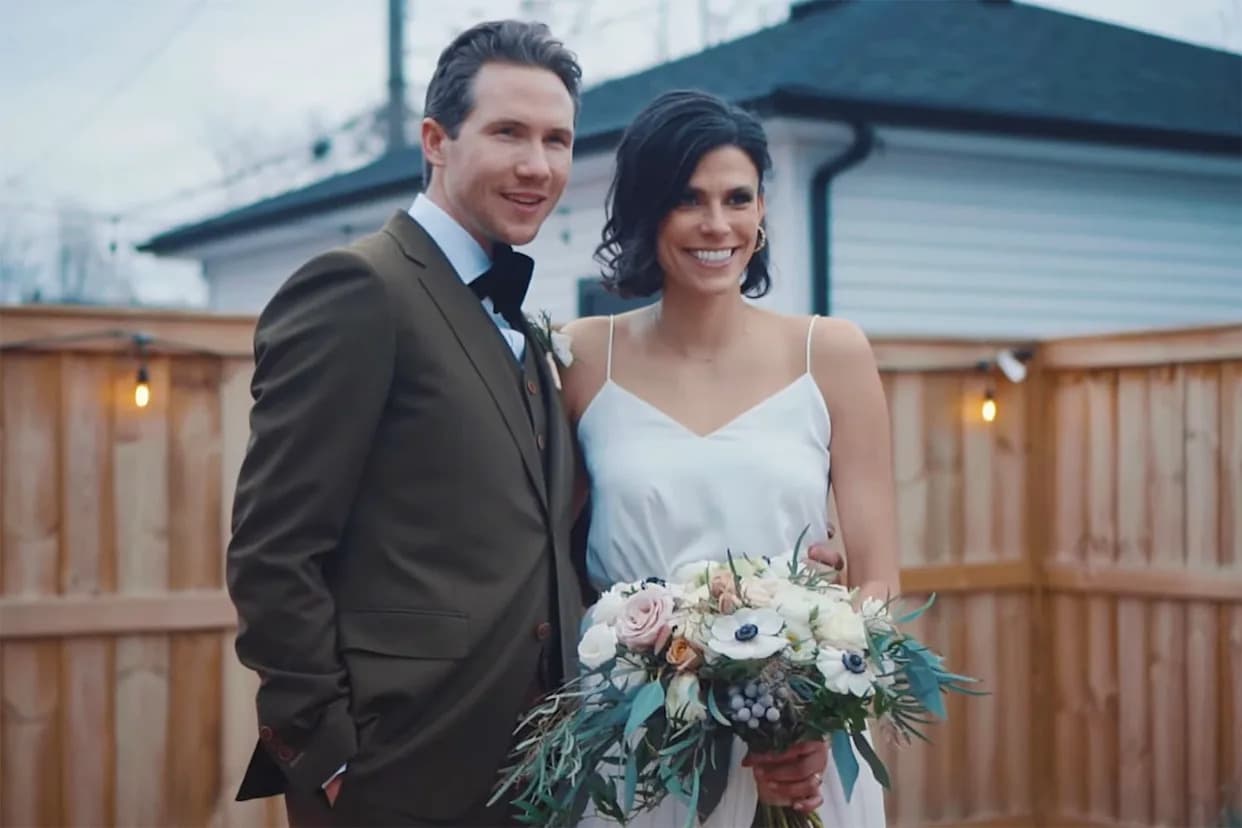
Alex Pretti, an intensive-care nurse at a VA facility, was shot and killed by Border Patrol agents in Minneapolis after witnesses say he intervened when an agent shoved a woman to the ground. Within hours senior administration officials amplified unproven, incendiary claims that described Pretti as an "assassin" or "domestic terrorist."
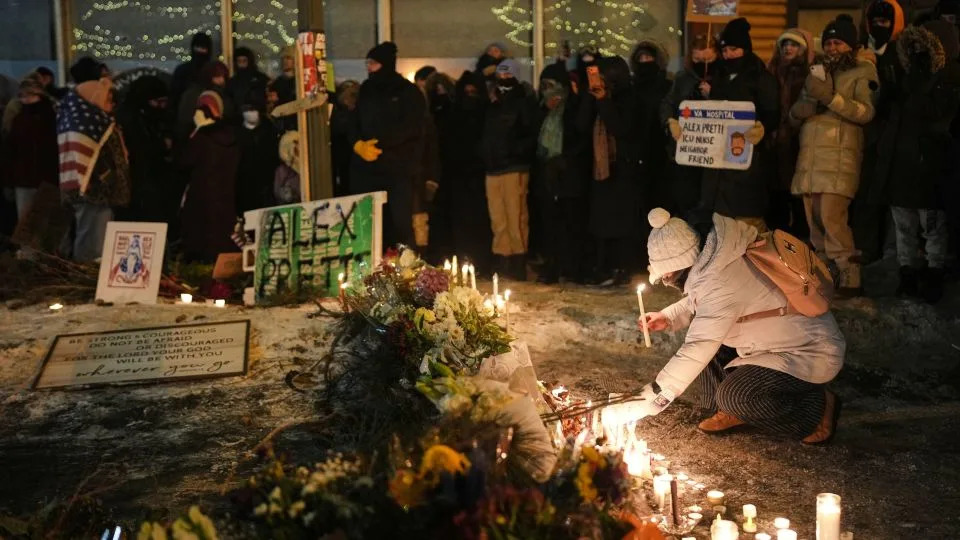
People gather during a vigil for 37-year-old Alex Pretti on January 24. - Adam Gray/AP
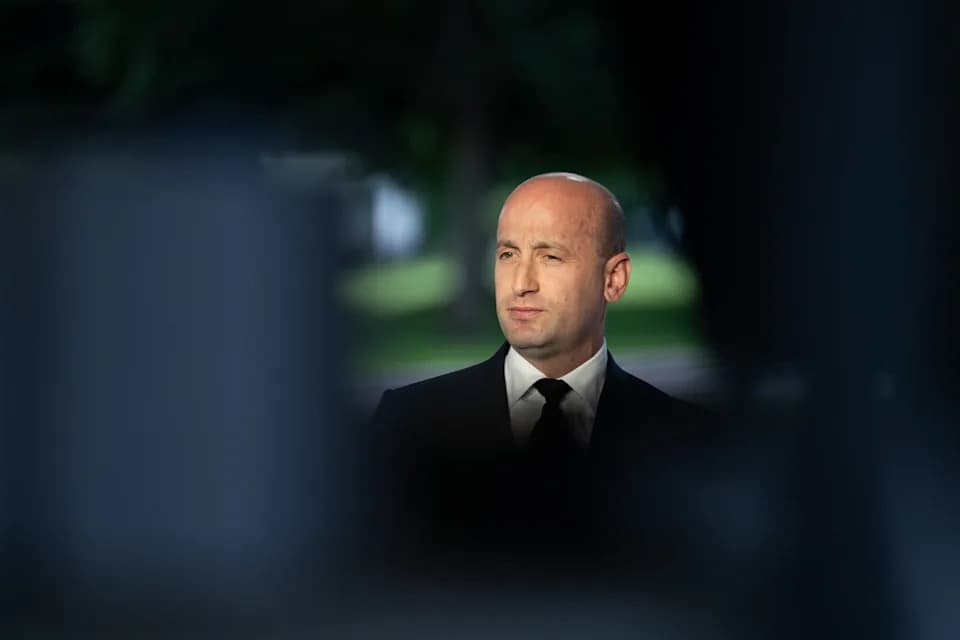
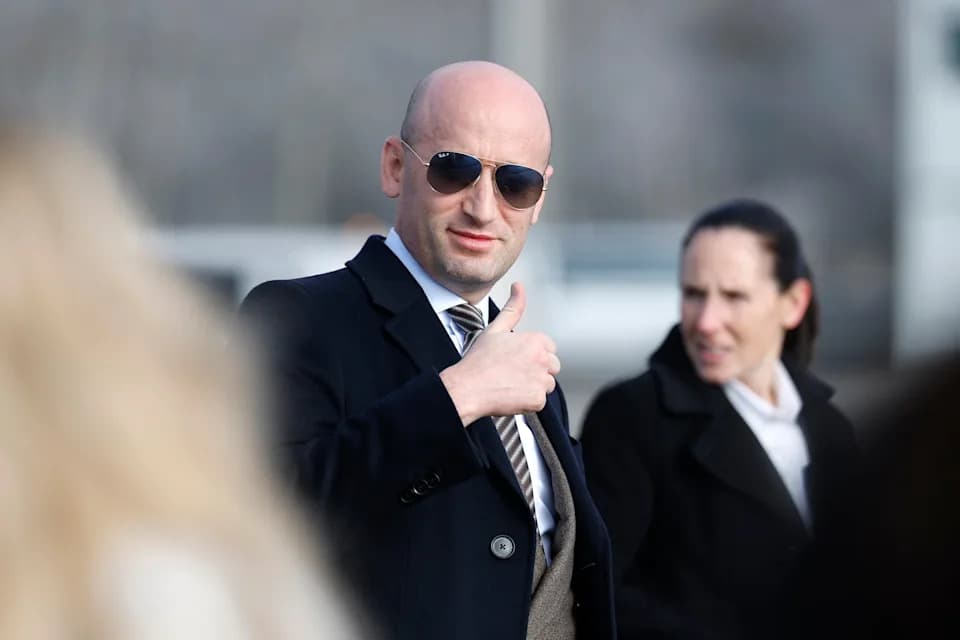
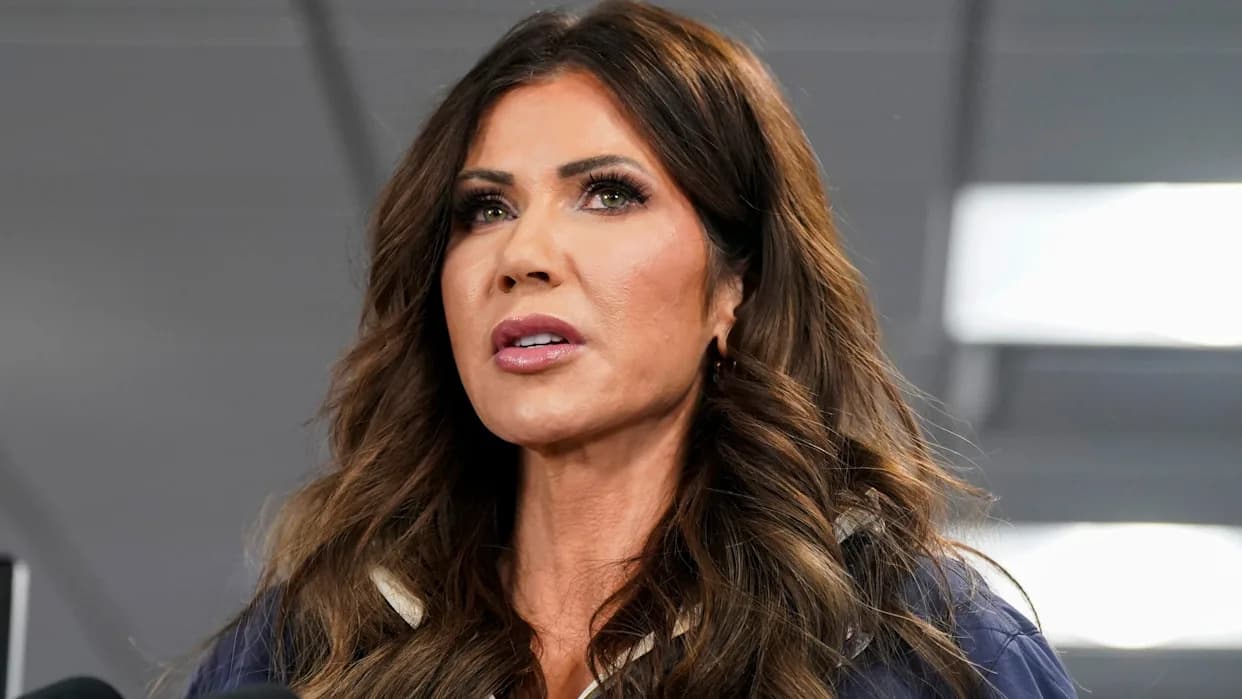
White House deputy chief of staff Stephen Miller posted on social media calling Pretti "an assassin" who "tried to murder federal agents," language Vice President JD Vance amplified. Homeland Security Secretary Kristi Noem and a Border Patrol commander used similar, highly charged descriptions. Viral video footage and rapidly mounting questions, however, undercut those assertions.
By the next day, many administration spokespeople were no longer repeating the most sensational claims and instead deferred to the ongoing investigation. When asked directly about the label "assassin," President Trump answered, "No." White House press secretary Karoline Leavitt said she had not heard the president call Pretti a "domestic terrorist."
Limits And Context Of The Retreat
These reversals were notable but limited. Officials did not uniformly apologize or retract all contentious statements; questions about whether aides would apologize to Pretti’s family went unanswered, and President Trump continued to criticize the presence of firearms at the scene despite public reporting that Pretti held a legal permit to carry. The episodes nonetheless show that, in certain high-profile situations—especially those accompanied by clear video evidence and international pushback—the administration’s usual no-apologies posture can yield to more cautious messaging.
What This Means
The events are not a wholesale change in strategy; rather, they are examples of how intense scrutiny, factual evidence and political pressure can prompt corrections or softer rhetoric. Observers should expect the administration to continue defending disputed claims in many cases, while occasionally disengaging from particularly conspicuous or easily disproved assertions.
Sources cited in reporting include public statements by administration officials, social media posts, eyewitness accounts and casualty tracking by iCasualties.org.
Help us improve.