Teachers across states and countries report more students arriving without basic academic and life skills, including weak reading/writing readiness, poor time management and limited practical abilities. Young children increasingly show sleep and feeding challenges, while many students rely heavily on technology for simple tasks. Educators urge a return to fundamentals—consistent expectations, routines at home and stable curricula that allow time to master basics.
Teachers Report Growing Gaps In Students' Basic Academic And Life Skills

Annazhuk / Getty Images
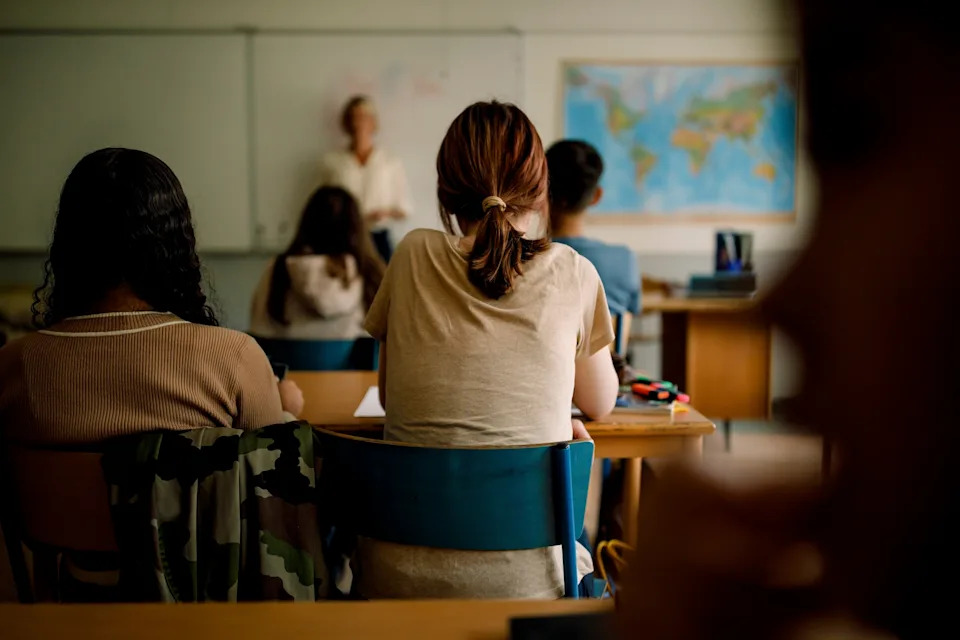
Across the U.S. and beyond, teachers are raising consistent concerns: an increasing number of students arrive at school without foundational academic abilities, practical life skills or independent learning habits. Educators — many speaking anonymously — describe children who struggle with reading and writing readiness, time management, handwriting and basic self-care. They also point to broader issues such as irregular sleep, rigid eating behaviors and heavy reliance on technology.
What Teachers Are Observing
Respondents from a variety of grades and regions reported similar patterns in their classrooms:
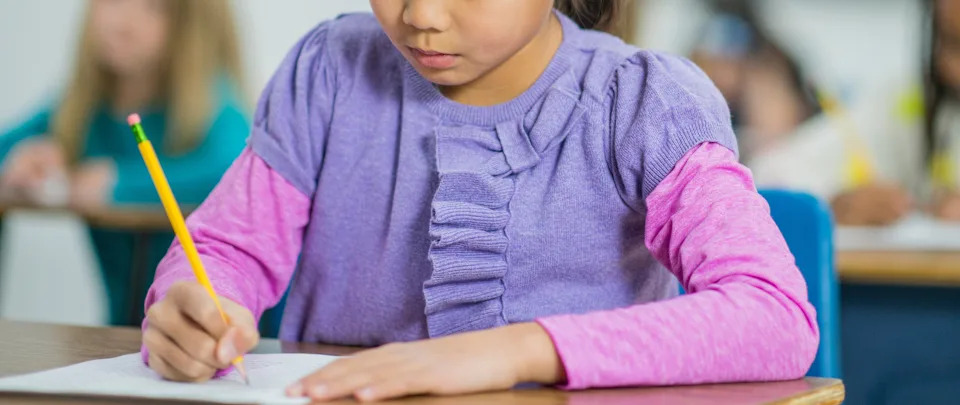
- Poor reading and writing readiness: Several teachers said students enter upper-elementary grades still "learning to read" rather than "reading to learn."
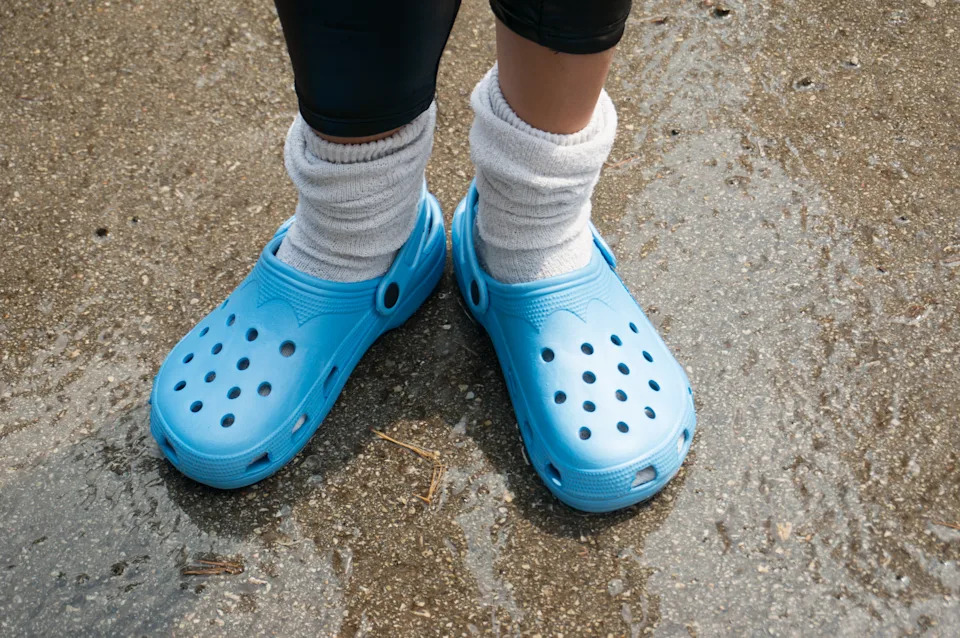
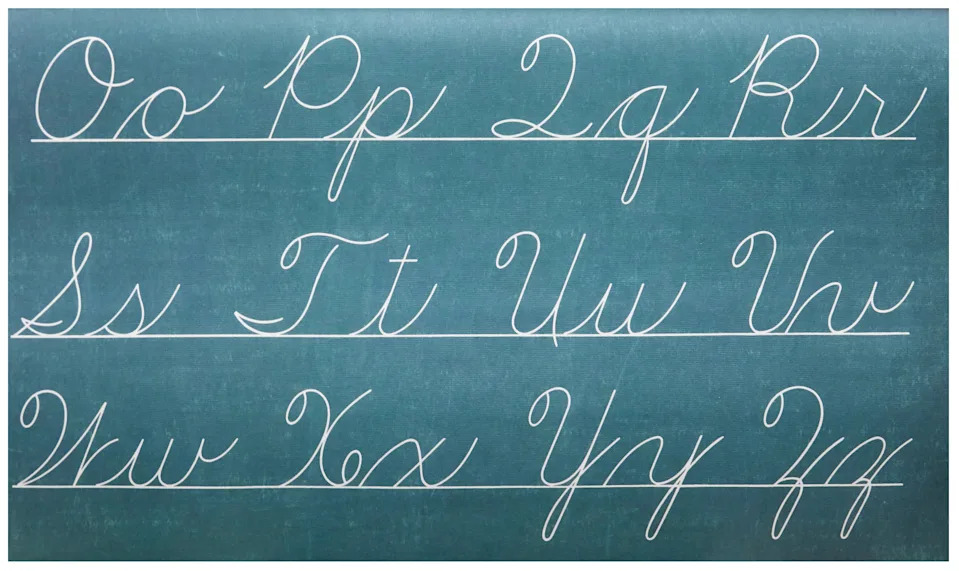
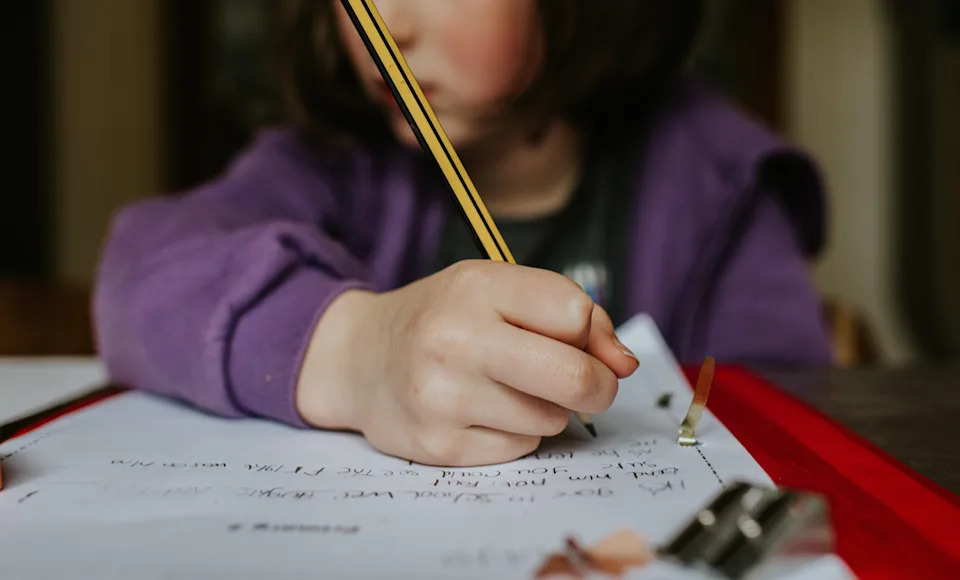
- Weak practical skills: Many students have trouble with handwriting, using simple classroom tools (glue sticks, scissors), winding headphone cords or reading analog clocks.
- Time-management and independent-work deficits: Teachers described students who struggle to follow multi-step assignments, summarize texts or complete work without constant prompting.
- Sleep and feeding concerns in young children: Multiple respondents noted more preschoolers with sleep disturbances or highly selective, rigid eating habits than in past decades.
- Overreliance on technology: Some students know touchpads and Chromebooks but lack experience with basic physical devices (for example, a standalone computer mouse) or offline problem solving.
- Social and emotional skills: Educators reported increasing immaturity, impatience, lower frustration tolerance and difficulty tolerating boredom.
Representative Voices
“Manners are often a thing of the past. Everything is scheduled for kids non-stop, so there is no time for imaginative play or what to do when they’re bored. Students come to my classroom barely able to read — more like learning to read, when third grade should be about reading to learn.” — Anonymous, Washington State
“How do you expect them to sign their names on legal documents? In basic print like a 6‑year‑old?! They have no idea how to work a problem or answer a question by themselves because of ‘group cooperative learning.’” — Anonymous, California
“Administrators and policymakers want quick results without allowing time to teach basic concepts. Stop changing programs every two years. Go back to common-sense teaching: fundamentals first, then build on them.” — Anonymous, 30‑year educator
“I have more 2–5‑year‑olds who don’t sleep through the night than those who do. They need to be rocked or held and demand snacks or stories at 3 a.m. I wonder what the long-term consequences will be.” — Anonymous, Canada
Common Themes And Suggested Remedies
Teachers repeatedly pointed to home and policy factors that may contribute to these trends: excessive scheduling of children's time, increased screen exposure, reduced free imaginative play, and low expectations for age-appropriate responsibilities. Many recommend:
- Re-centering instruction on fundamentals—phonics, handwriting practice, arithmetic fluency—and allowing sufficient time to master them.
- Reducing frequent, short-lived curriculum changes that demand repeated teacher training and distract from classroom instruction.
- Encouraging families and caregivers to set routines (bedtime, chores, reading aloud) and give children age-appropriate responsibilities.
- Balancing technology use with hands-on activities that build fine-motor, attention and problem-solving skills.
Note: The responses have been edited for length and clarity. Contributors remained anonymous in the original reporting; this article synthesizes recurring observations from multiple teachers across regions.

MineSweaty7956 / Viareddit.com

Channel 4, BBC Two

NBC
Aerogondo / Getty Images

NBC / Hulu

Fizkes / Getty Images
Fatcamera / Getty Images
Clu / Getty Images

Pop TV / CBC Television
Catherine Falls Commercial / Getty Images
Maskot / Getty Images

Thanasis Zovoilis / Getty Images

Walt Disney Pictures

Cappi Thompson / Getty Images

ABC
Fox

Paramount Pictures
Help us improve.