State legislatures across the U.S. have introduced a wide range of bills this session that either curb, enable or create new legal limits on federal immigration enforcement. Proposals include bans on ICE arrests near schools and hospitals, laws allowing residents to sue federal agents, restrictions on detention contracts and measures to shield officers’ identities. Many measures face steep political and legal challenges, including litigation from the U.S. Department of Justice and constitutional questions about state authority over federal enforcement.
States Move To Rein In — Or Back — ICE: A Wave Of Bills Tests Federal Enforcement
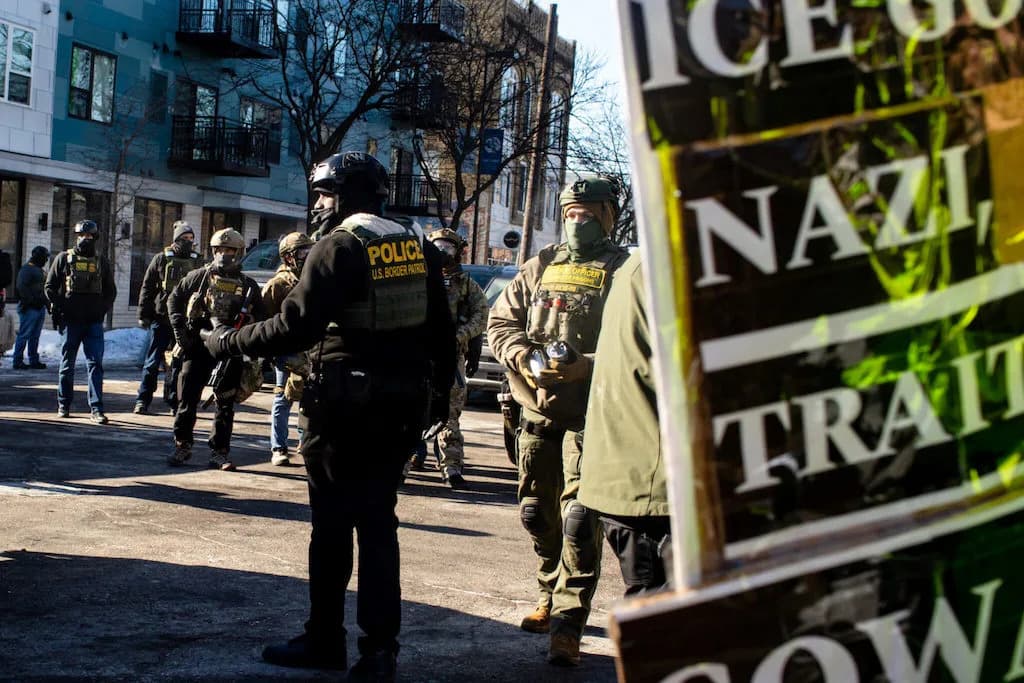
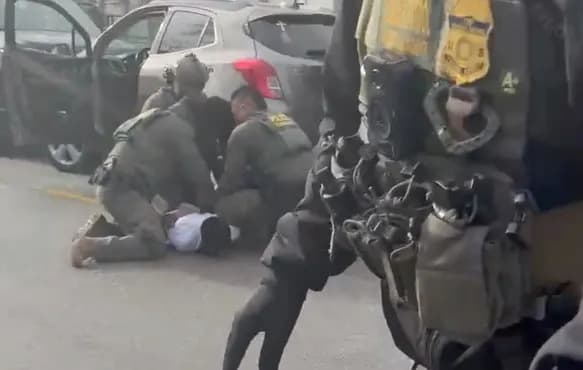
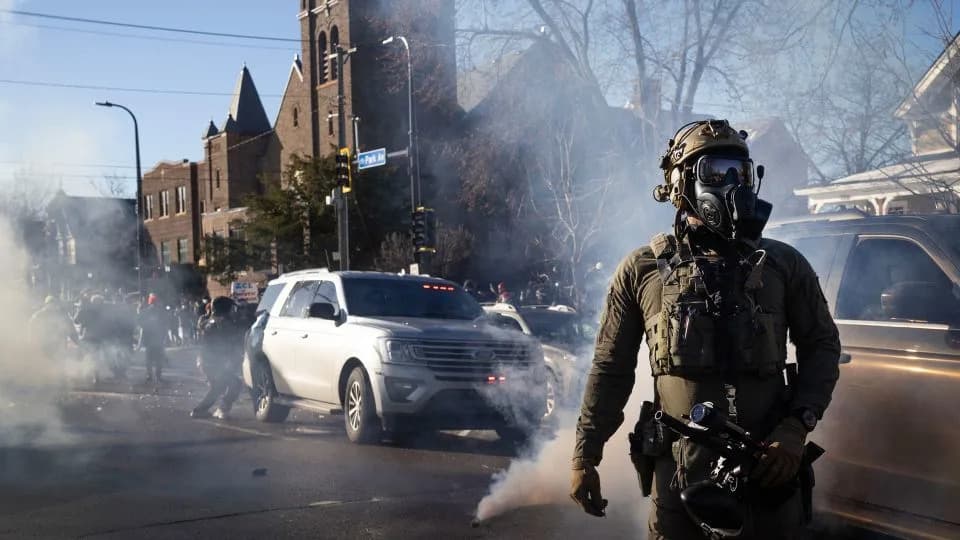
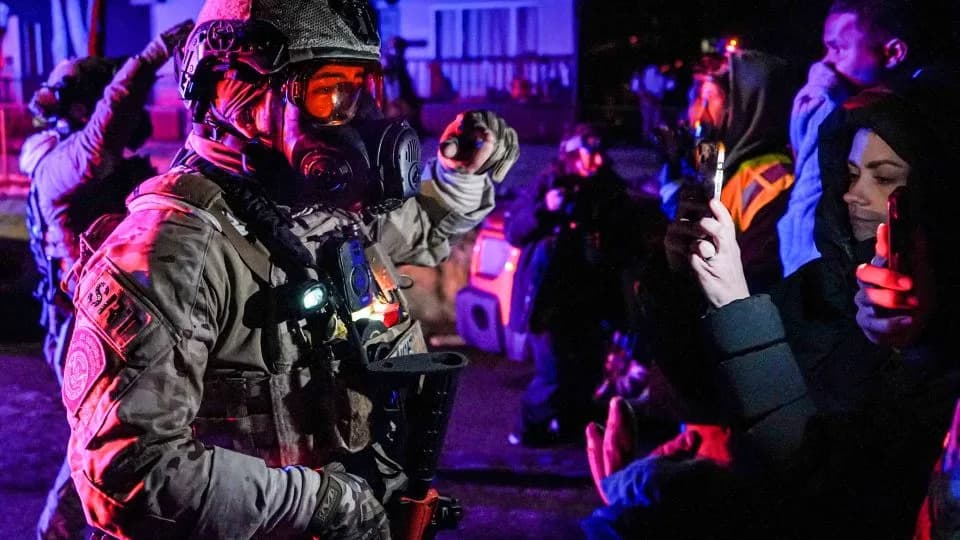
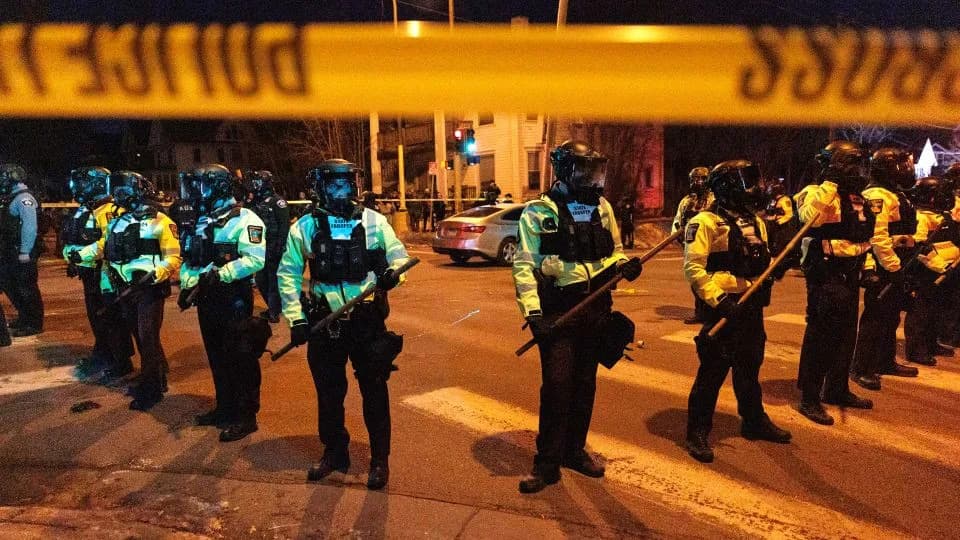
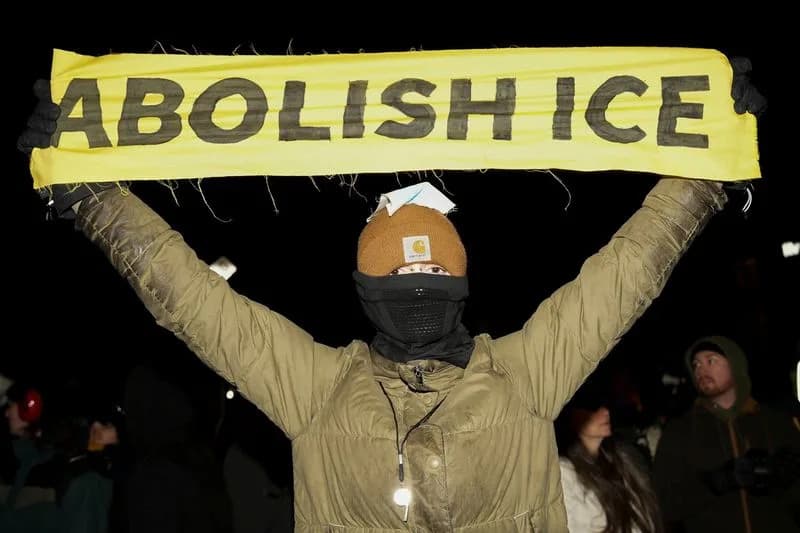
People gather near the spot where federal agents shot and killed Alex Pretti on Jan. 24, 2026, the third shooting in Minneapolis in as many weeks. Lawmakers in more than a dozen states have introduced a wave of bills aimed at reining in federal immigration enforcement operations.
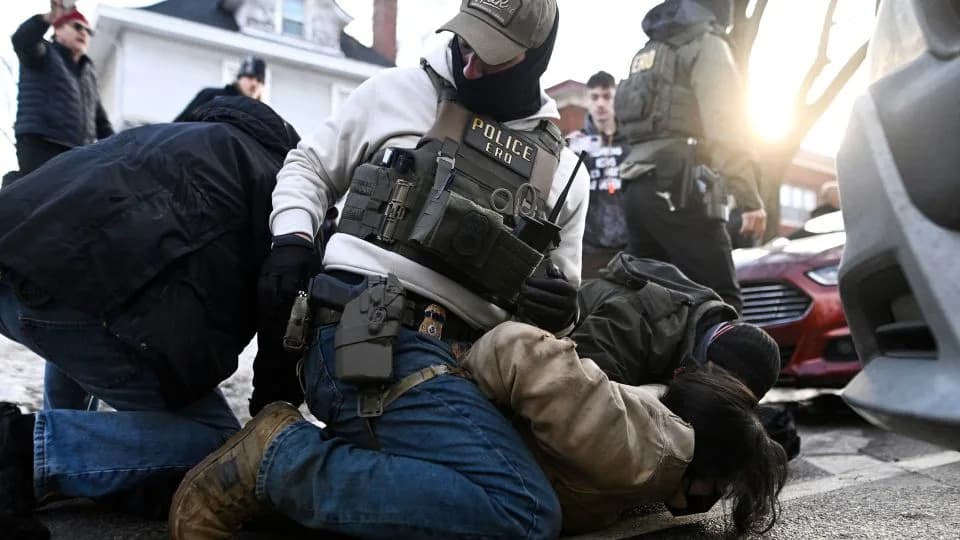
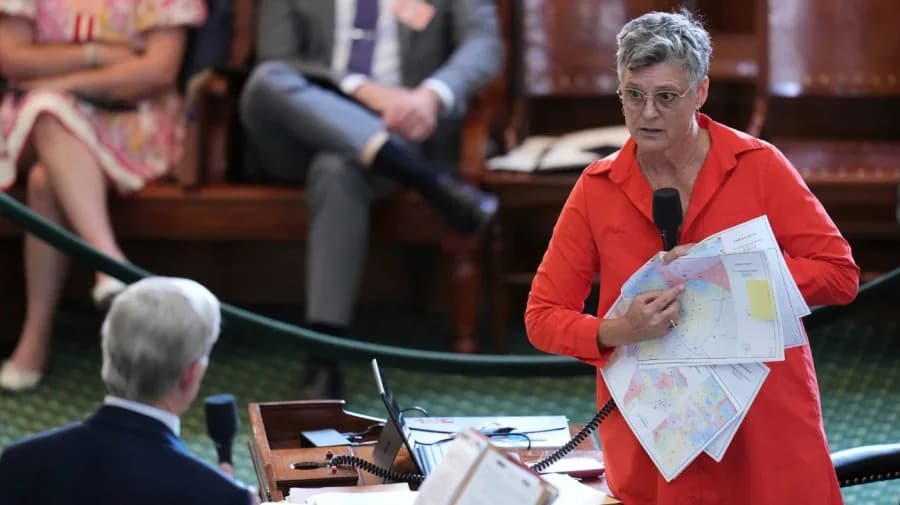
As state legislatures reconvene this year, immigration has surged to the top of many agendas. Lawmakers in more than a dozen states have introduced a broad array of bills that would either limit federal immigration enforcement, expand legal remedies for residents, or strengthen protections for federal agents and local cooperation with U.S. Immigration and Customs Enforcement (ICE).
Why States Are Acting
Immigration enforcement is primarily a federal responsibility, but states are using the levers available to them — contracts, court cooperation, licensing rules and civil remedies — to shape how enforcement plays out locally. The recent high-profile shootings in Minneapolis, where federal agents fatally shot two U.S. citizens and a third person was wounded, have intensified calls for oversight, transparency and independent investigations of federal tactics.
“There is important space for state officials to decide to what extent they are going to use state resources to enforce immigration law, or on the flip side, create a more welcoming environment for migrants in their communities,” said César Cuauhtémoc García Hernández, a law professor at Ohio State University.
Examples Of State Proposals
The proposals vary widely by state and political control:
Measures To Limit Enforcement
- Several Democratic-led states are considering bills that would bar or sharply restrict ICE arrests in sensitive locations such as schools, hospitals, churches and courthouses. New Mexico advanced a bill to forbid state and local governments from entering or continuing contracts to detain people for federal immigration authorities.
New Civil Remedies
- Legislatures in California, Colorado, Georgia, New York, Oregon and Pennsylvania have introduced or plan to introduce laws that would allow residents to sue federal immigration officers for alleged civil-rights violations. Illinois enacted a similar law in December but now faces a lawsuit from the U.S. Department of Justice seeking to block it.
Pro-Enforcement And Restrictive Measures
- In Republican-led states, lawmakers are pursuing bills to strengthen cooperation with ICE and tighten immigration controls. Examples include proposed state criminal penalties for being in the country unlawfully in West Virginia, a Florida House requirement for all employers to use E-Verify, and Tennessee proposals to require local law enforcement to enter 287(g) agreements.
Officer Privacy And Operational Rules
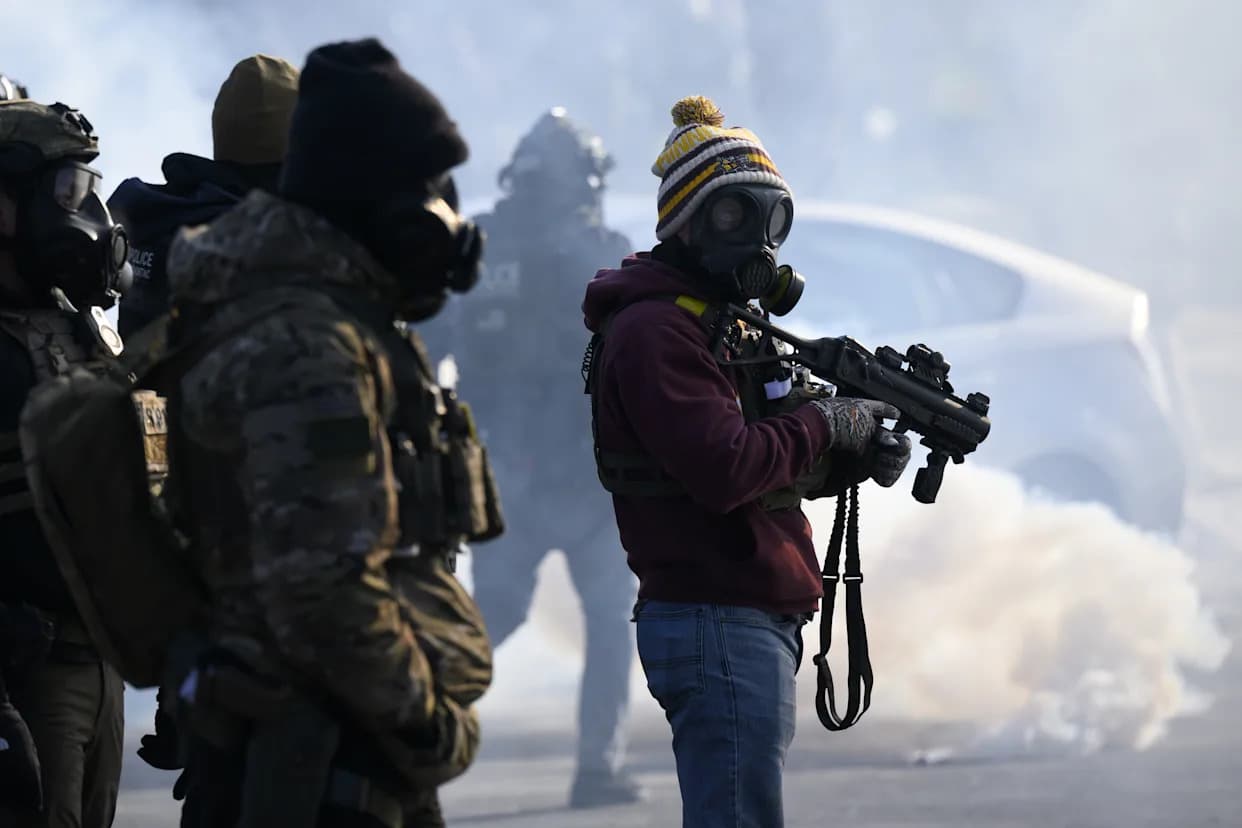
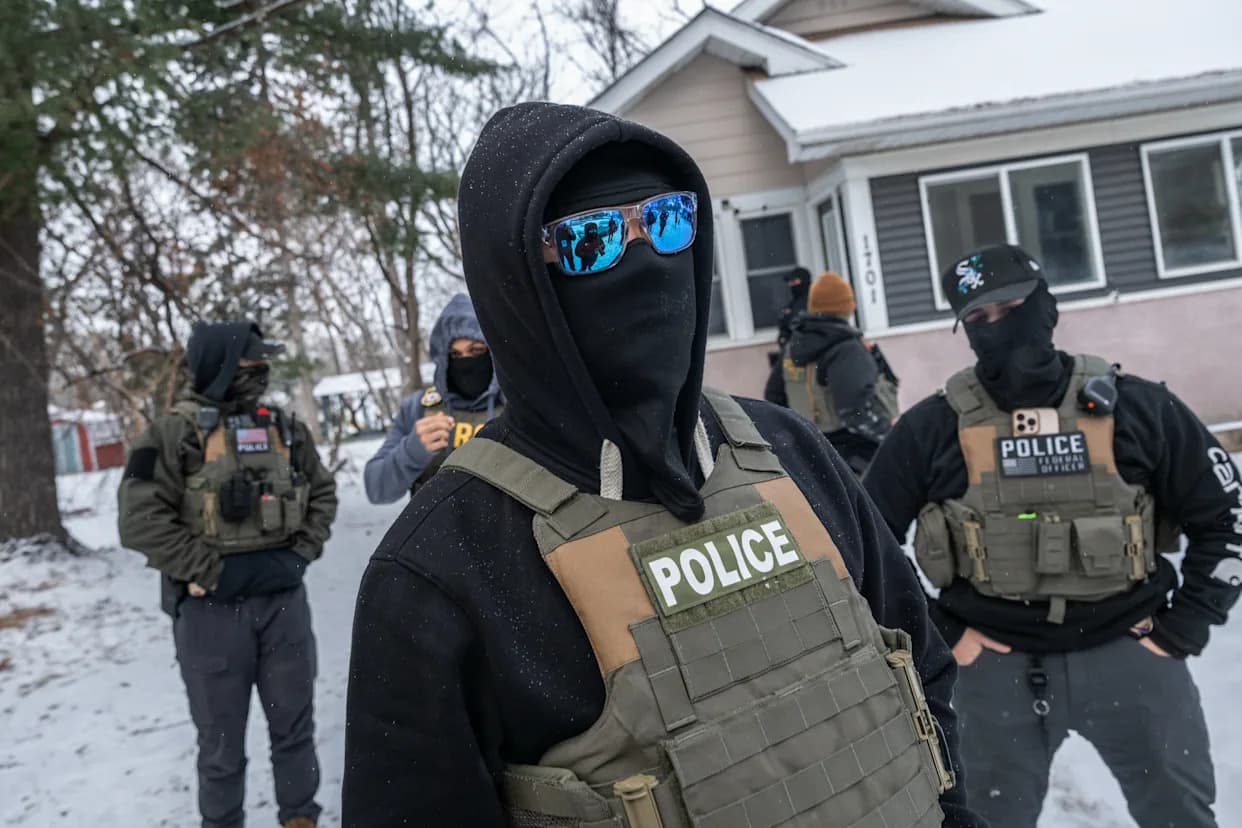
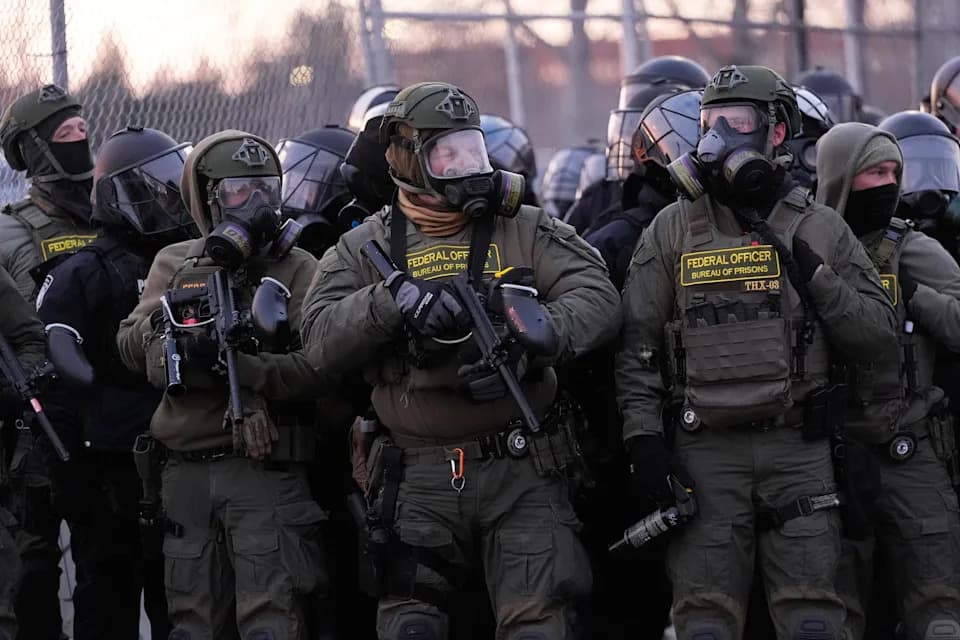
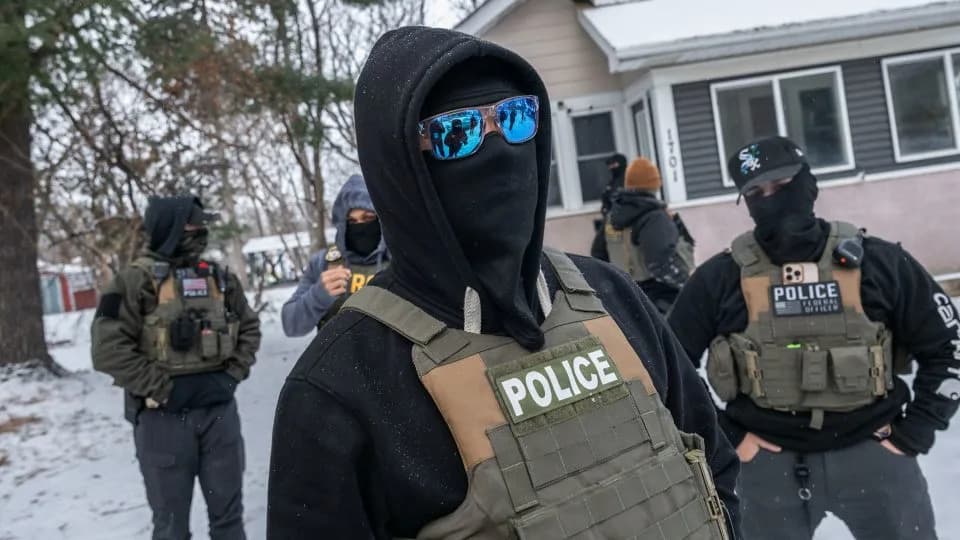
- At least 15 states have considered bans on federal agents wearing masks; California passed such a ban but the Trump administration sued to block it. Some bills would shield the names of officers involved in immigration operations, while others would require agents to display identification badges and obtain warrants for enforcement in sensitive places.
Political And Legal Obstacles
Many of the proposals face significant hurdles. Immigration enforcement is a federal function, which limits state authority and exposes state laws to constitutional and preemption challenges. The Department of Justice has already sued Illinois over its civil-suit law and the Trump administration challenged California’s mask ban. Partisan control of legislatures also shapes outcomes: some progressive measures are unlikely to pass in Republican-majority states, while strict enforcement bills face resistance in Democratic-controlled chambers.
“We’re seeing some new and unique approaches that we haven’t seen before, and I don’t think that’s going to be slowing down for the foreseeable future,” said Amanda Essex of the National Conference of State Legislatures.
What Comes Next
Expect continued back-and-forth at the state level: lawmakers will test the legal boundaries of state power, advocates will push for greater accountability and protections for immigrant communities, and opponents will argue for public-safety and operational concerns. High-profile incidents, federal litigation and national politics will shape which measures survive and which are struck down or altered in the courts.
Bottom line: States are actively trying to influence how immigration enforcement operates locally — whether by restricting federal agents, expanding civil remedies, or increasing cooperation with ICE — and this patchwork of laws and proposals will likely face both political and constitutional tests in the months ahead.
Stateline reporter Amanda Watford can be reached at ahernandez@stateline.org.
Help us improve.