Iran has refused to negotiate with the United States while Washington issues military threats, after President Trump declined to rule out force over Tehran's crackdown on protests. HRANA reports 6,221 confirmed deaths and is investigating another 17,091 possible fatalities, with at least 42,324 arrests. Tehran has pursued behind-the-scenes diplomacy with Arab states as a U.S. carrier strike group operates in the region, while rights groups warn of hospital searches, arrests of medical personnel and forced confessions.
Iran Rejects U.S. Talks Amid Military 'Threats' as Rights Group Verifies 6,221 Deaths
Iran has said it cannot negotiate amid threats (ATTA KENARE)
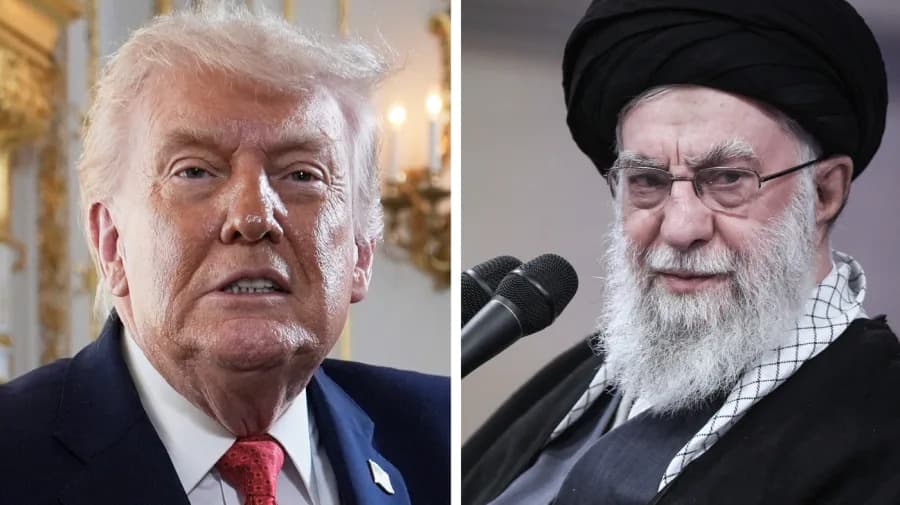
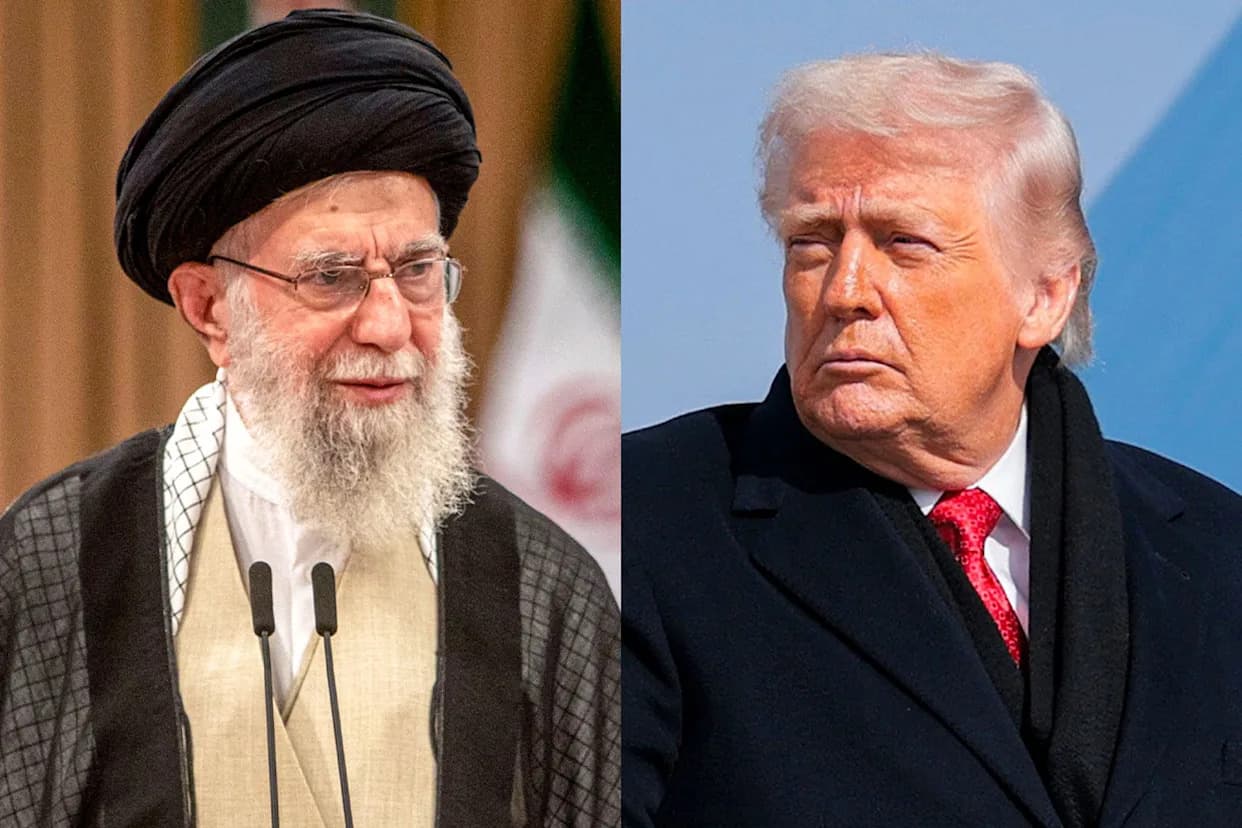
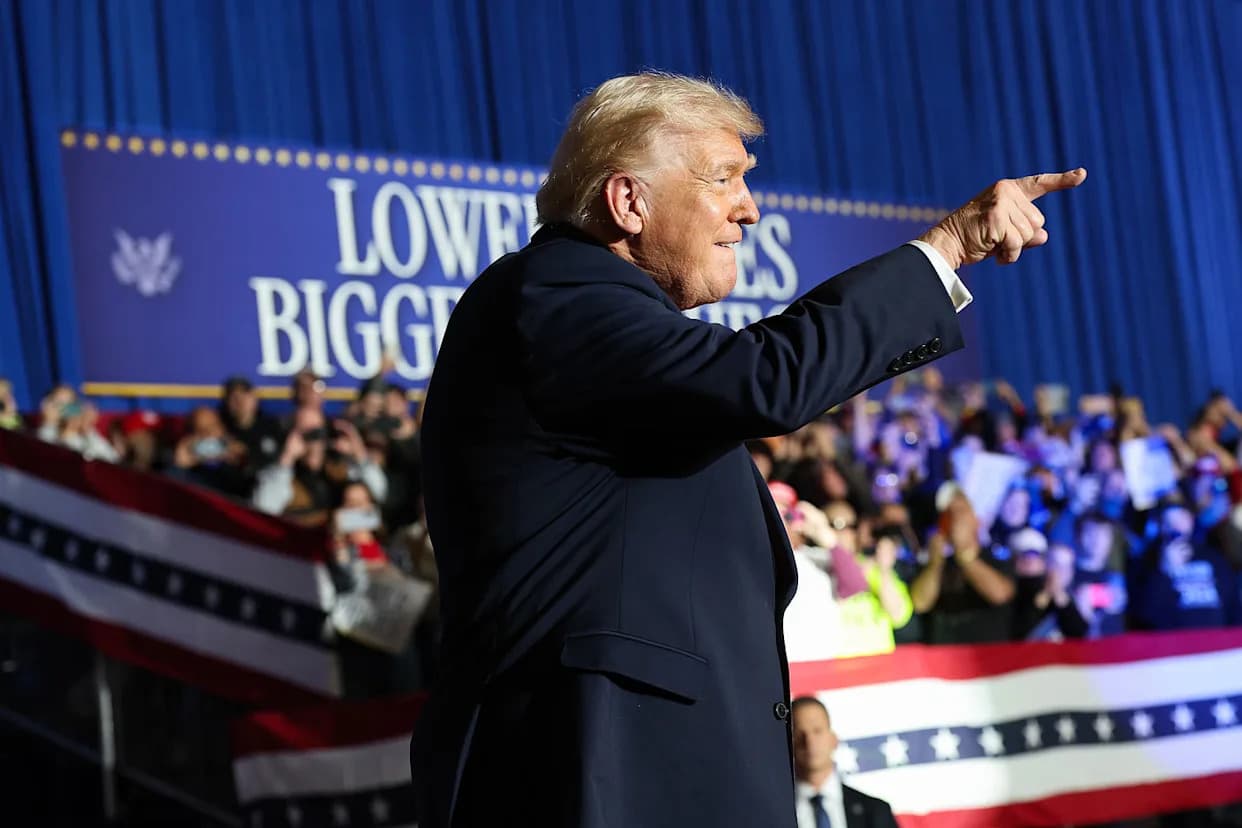
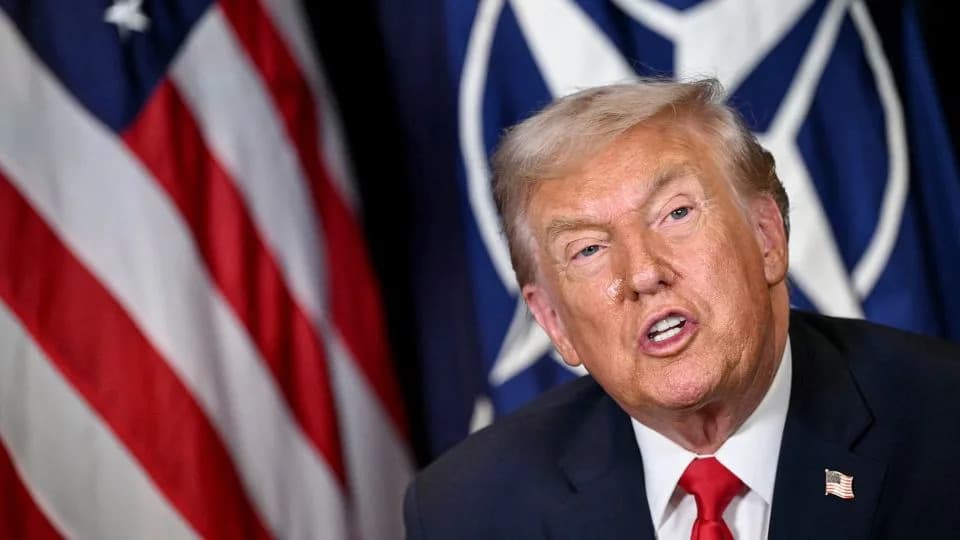
Tehran on Wednesday rejected holding negotiations with the United States while Washington issues military threats, after President Donald Trump declined to rule out the use of force in response to Iran's harsh suppression of nationwide protests.
With a U.S. carrier strike group led by the USS Abraham Lincoln operating in Middle Eastern waters, senior Iranian officials have pursued quiet diplomacy with key Arab states to build regional backing and reduce tensions.
Diplomacy And De-Escalation Efforts
Foreign Minister Abbas Araghchi said diplomacy "conducted under military threat cannot be effective or useful," and urged the United States to drop threats, excessive demands and what he called "illogical issues" if negotiations are to proceed. Araghchi added he had "no contact" in recent days with U.S. Middle East envoy Steve Witkoff and that "Iran has not sought negotiations."
Following a phone call between Iranian President Masoud Pezeshkian and Saudi Crown Prince Mohammed bin Salman, Tehran engaged other U.S.-aligned Arab capitals. Iran's Supreme National Security Council Secretary Ali Larijani spoke with Qatar's Prime Minister and Foreign Minister Sheikh Mohammed bin Abdulrahman Al Thani, who pledged support for efforts to "reduce escalation and achieve peaceful solutions" that bolster regional security. Egypt's Foreign Minister Badr Abdelatty separately called both Araghchi and Witkoff to urge de-escalation and steps to restore dialogue.
Military Posture
U.S. Central Command confirmed the arrival of the carrier strike group led by the USS Abraham Lincoln in Middle Eastern waters but did not disclose its precise location. Analysts say U.S. options range from strikes on military installations to targeted actions against senior figures, though such steps would carry major regional risks.
Human Rights Toll And Crackdown
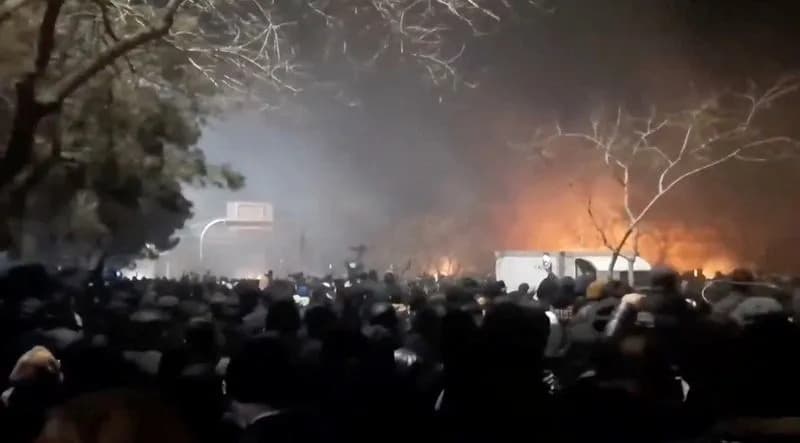
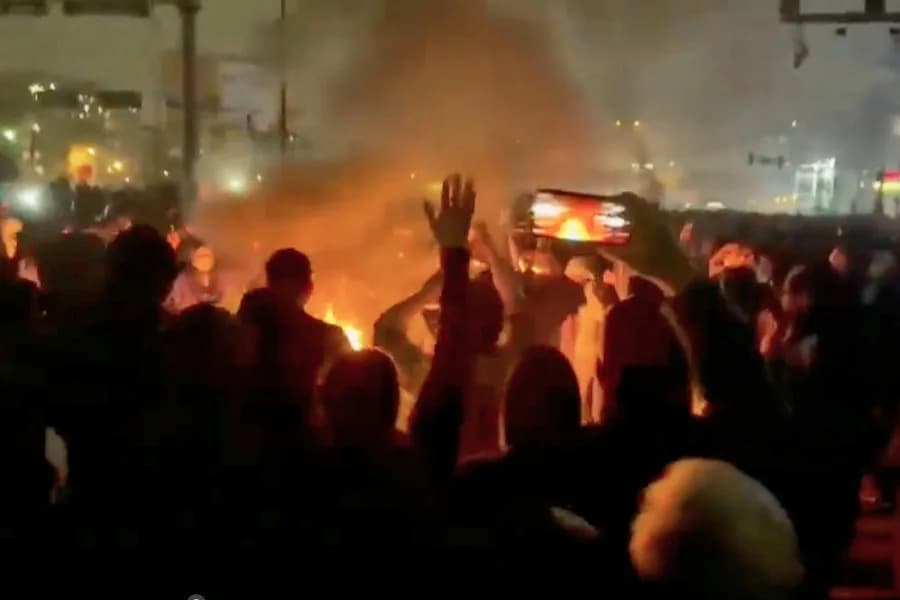
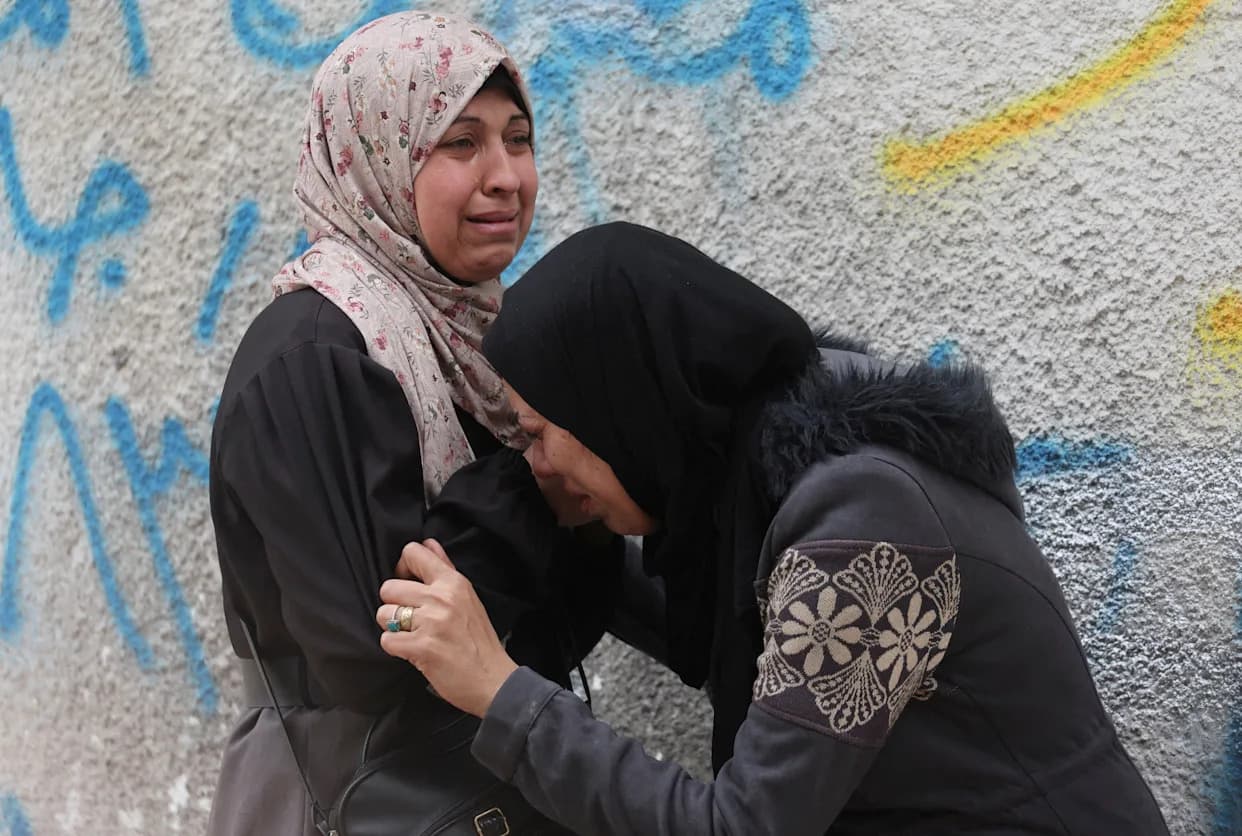
The U.S.-based Human Rights Activists News Agency (HRANA) reported it has confirmed 6,221 deaths related to the unrest — including 5,856 protesters, 100 minors, 214 security personnel and 49 bystanders — and said it was investigating another 17,091 possible fatalities. HRANA also reported at least 42,324 arrests since the protests began in late December.
Human rights monitors warn that an internet shutdown and restrictions on independent reporting have complicated verification of the full toll. HRANA and other groups say security forces have been searching hospitals for wounded protesters, detaining doctors who treated demonstrators, and broadcasting coerced confessions on state television — developments the group said "highlight new dimensions of the continued security crackdown."
Executions And Legal Concerns
Iran's judiciary said on Wednesday it executed a man arrested in April 2025 on charges of spying for Israel's intelligence service, Mossad. Rights groups have reported similar executions following recent hostilities and have warned that some arrested demonstrators could face capital charges.
Context note: Figures and events cited by rights groups are evolving and remain difficult to independently verify because of restricted access and communications blackouts inside Iran.
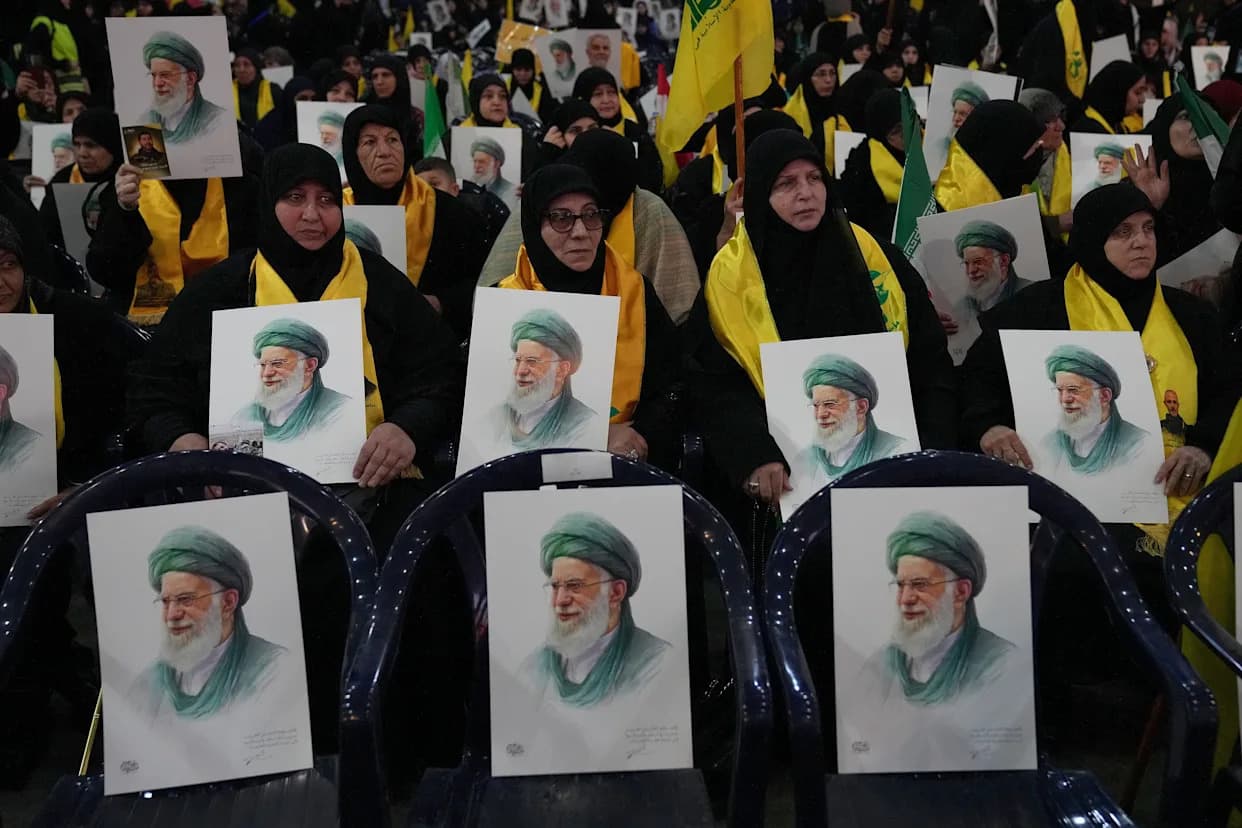
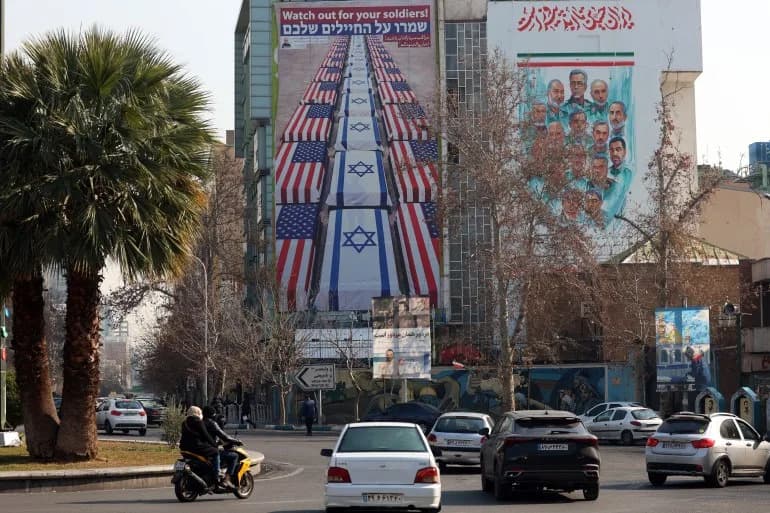
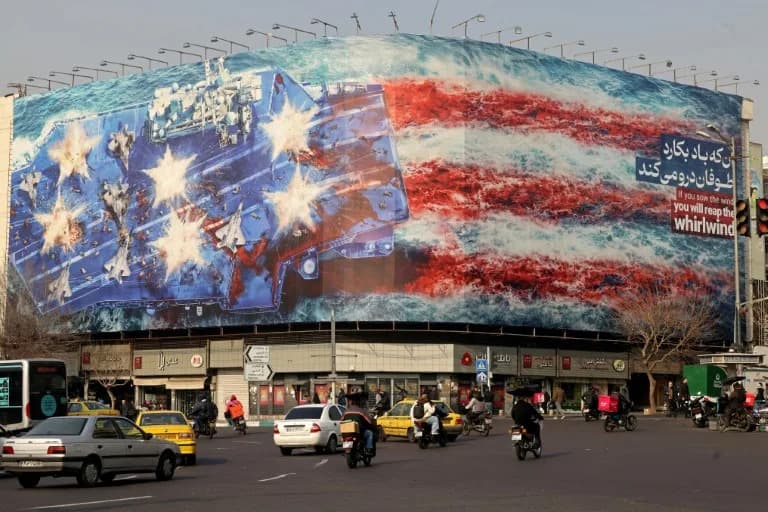
AFP journalists also reported new billboards in Tehran depicting an attack on an American aircraft carrier and carrying slogans from Ayatollah Khamenei denouncing the United States, signaling heightened domestic rhetoric amid the standoff.
Help us improve.