Researchers warn that clear-air turbulence — invisible, hard-to-predict air currents — is becoming more frequent as rising global temperatures intensify wind shear in the jet stream. A 2020 WMO survey found aviation professionals rank turbulence as the top weather safety concern; research suggests severe clear-air turbulence rose ~55% from 1979–2020 and could double or triple by the 2060s. While serious injuries on U.S. flights remain relatively rare, increased turbulence accelerates airframe wear and raises operating costs. Technology (flexible wings, lidar, better forecasting) can help, but limiting climate change is key to reducing the long-term threat.
Invisible 'Clear-Air' Turbulence Is Rising — It Could Shorten Aircraft Lifespans and Raise Costs
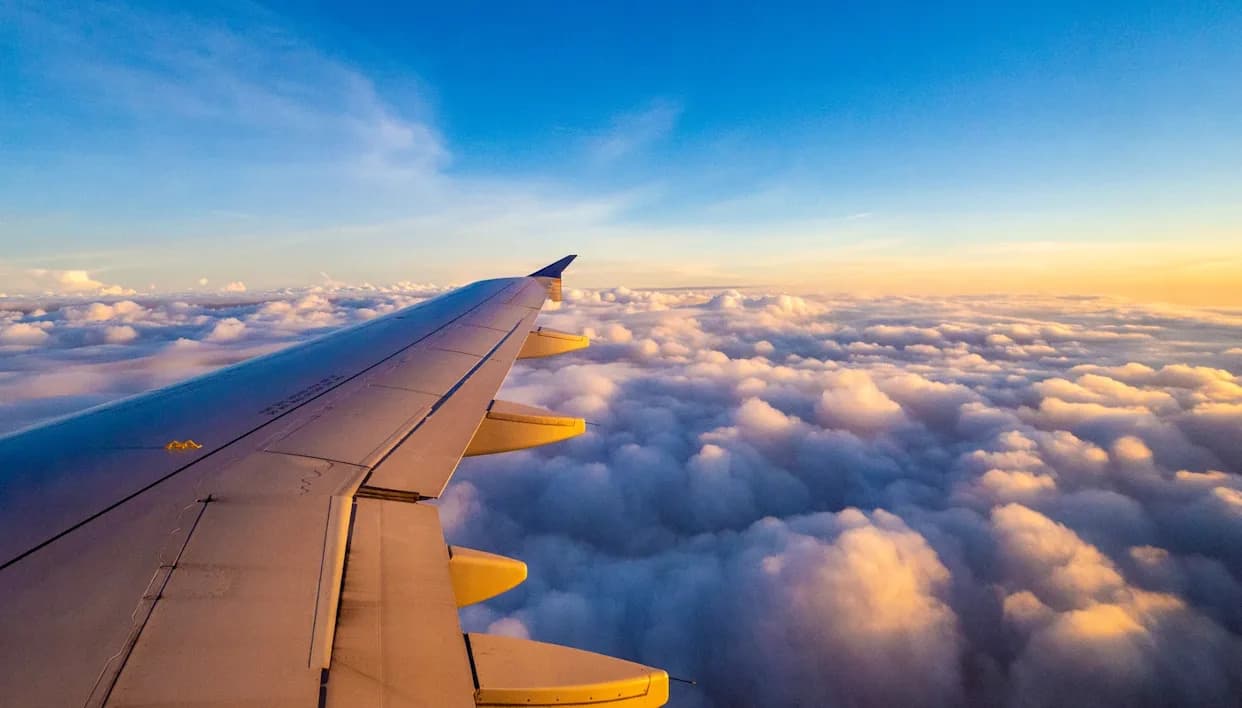
Photo Credit: iStock
Invisible, hard-to-detect clear-air turbulence is becoming a growing safety and economic concern for aviation professionals, researchers say. Unlike turbulence tied to storms or terrain, clear-air turbulence can appear suddenly in blue skies with little or no warning.
Why Researchers Are Worried
A 2020 World Meteorological Organization survey of more than 400 aviation experts identified turbulence as the top weather-related safety issue facing the industry. Atmospheric scientist Paul Williams of the University of Reading links the trend to climate change: warming intensifies wind shear in the jet stream, increasing the strength and frequency of clear-air turbulence.
"It's clear blue skies, there's no storms anywhere, and there's just this invisible turbulence that, often, the first you know about it is when you're flying through it," said Williams.
Trends and Risks
Williams' research indicates that severe clear-air turbulence increased by about 55% between 1979 and 2020. If current trends continue, he warns the frequency could double or even triple by the 2060s. While serious injuries on U.S. carriers remain relatively rare (typically fewer than 20 per year), many minor injuries go unrecorded. More frequent turbulence also stresses aircraft structures, flexing wings and airframes and accelerating fatigue.
Operational and Economic Impacts
Increased airframe wear shortens aircraft service life and raises maintenance and operational costs. Airlines may pass those higher costs to customers in the form of fares, fees or reduced capacity, making turbulence not only a safety issue but an economic one, too.
Mitigation: Technology and Policy
Several responses can reduce the risk or impact of clear-air turbulence:
- Aircraft design improvements: More flexible wing designs and improved airframe engineering can dampen motion and reduce stress.
- Forecasting and pilot tools: Better turbulence forecasting and shared pilot reports help crews route around turbulent zones when possible.
- Onboard detection: Lidar systems using lasers can detect clear-air turbulence ahead of an aircraft, but current systems are expensive and bulky for many passenger jets.
- Climate mitigation: Reducing greenhouse-gas emissions and shifting transport to cleaner options (e.g., electric vehicles, high-speed rail) tackles a root cause by limiting jet-stream changes tied to warming.
What Flyers Should Know
Passengers should keep seat belts fastened when seated, follow crew instructions, and be aware that even if severe events are uncommon, turbulence incidents have real safety and economic consequences. Ongoing research, better forecasting, and engineering innovations aim to reduce those risks, but addressing climate change remains central to limiting the long-term rise in invisible turbulence.
Sources: World Meteorological Organization (2020 survey); reporting by Business Insider; research and quotes from Paul Williams, University of Reading.
Help us improve.