Determining whether precipitation is snow or rain is more complicated than checking the temperature. Scientists at Storm Peak Laboratory and elsewhere use arrays of radars, laser sensors, video distrometers and airborne samplers, combined with machine learning and human reports, to classify falling precipitation. Citizen-science efforts have provided nearly 100,000 observations, and human observers still add important accuracy near freezing. Warming winters could shift mountain snow to rain, threatening snowpack and downstream water supplies.
Why It’s So Hard to Tell If It’s Snowing — Even With High-Tech Tools
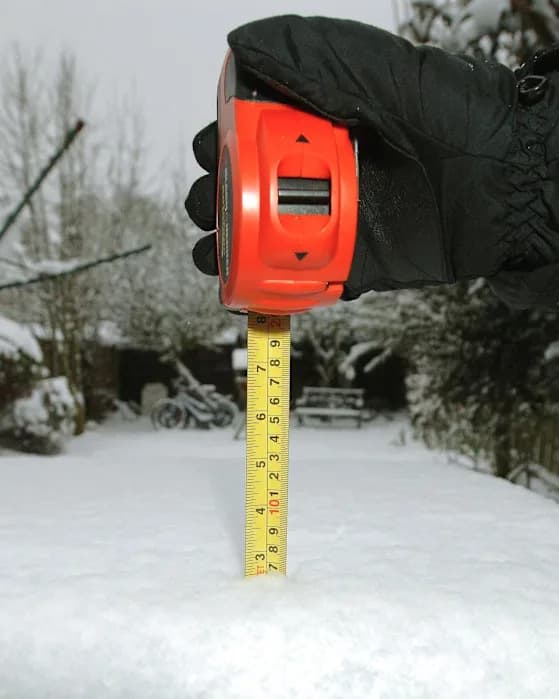
It is easy to tell at a glance whether or not it's snowing, but accurately measuring how much it is snowing presents numerous challenges.John Stillwell, PA Images/Getty Images
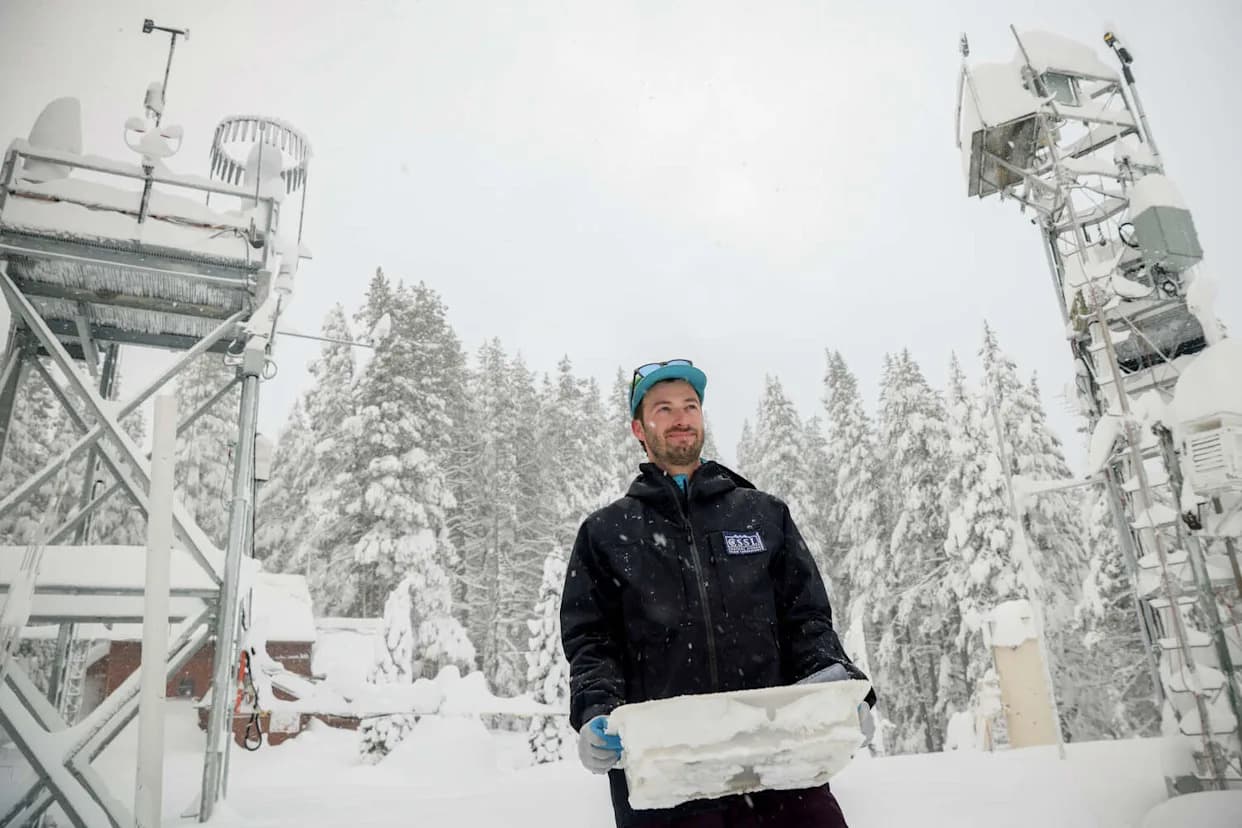
From children dreaming of sledding to drivers dodging black ice, northern winters hinge on one deceptively simple question: is it snowing or raining? As researchers at Colorado’s Storm Peak Laboratory demonstrate, the answer is often not straightforward. Teams set up more than 30 radars and sampling instruments across a mountaintop to study the sizes, shapes and behavior of falling flakes — and to decide when precipitation should be classified as snow versus rain.
Why It’s Not As Simple As Temperature
Near-surface temperature alone does not determine precipitation type. Small changes in temperature and humidity higher in the atmosphere can turn what begins as snow into rain or vice versa. In fact, precipitation can vary across a span of only a few degrees around freezing, which makes the problem especially tricky when conditions hover near 32°F.
Tools of the Trade
Scientists combine many instruments to get a complete picture: ground-based radars, laser-based sensors, video distrometers with high-speed cameras, airborne samplers that fly through storms, and even satellite observations. A video distrometer captures images of falling precipitation from multiple angles; when paired with machine learning, these visual data helped researchers identify nine distinct types of precipitation between classic rain and classic snow, from drizzle to heavy, wet snow.
Other experimental approaches are emerging. At the University of Vermont, researchers are testing acoustic sensors that listen for different sound signatures of falling rain, sleet and snow. Each method brings unique strengths and weaknesses, and the most reliable results often come from combining multiple techniques.
Why Human Observers Still Matter
Automated systems often struggle when temperatures are near freezing (roughly in the low 30s to mid 40s °F), creating a so-called "wintry mix" that can include rain, sleet and snow in close proximity. To help improve models, scientists launched the citizen science project Mountain Rain or Snow, which crowdsources visual reports via an app. The project has collected nearly 100,000 human observations from about 1,700 volunteers worldwide. Tests showed that, in many freezing-edge cases, machine algorithms were only marginally better than traditional methods — and human reports still provide valuable, sometimes superior, ground truth.
“A few years after we started this project, we still, and perhaps even more strongly now than ever, believe that the best way to monitor the type of precipitation where it's falling is with human observers,” says Keith Jennings, director of research at the University of Vermont’s Water Resources Institute.
Practical Challenges
Maintaining instruments in mountain environments is logistically hard. Ice storms can coat sensors and knock systems offline; remote sites require frequent maintenance for power and calibration. Some researchers hope to expand automated observation systems that need less frequent human upkeep, but equipment resilience remains a major constraint.
When snow is already on the ground, human networks remain important. More than 20,000 volunteers in the Community Collaborative Rain, Hail and Snow Network (CoCoRaHS) contribute simple, standardized measurements — a ruler, a white board, a rain gauge — that feed national databases used by the National Weather Service and resource managers.
Why It Matters: Water, Safety and Climate
Accurate identification of precipitation type affects plowing decisions, road closures and water supply forecasts. Mountain snowpack stores spring and summer water for agriculture and cities; when snow becomes rain, that water can run off immediately instead of being stored as snowpack, reducing seasonal water availability.
Climate change complicates the picture. Warmer winters may shift more mountain precipitation from snow to rain, but many mountain regions lack long-term, high-quality records to define clear baselines. Researchers call it an open question how the snow-to-rain shift will unfold over the next 50 to 100 years — and that uncertainty has real consequences for water management and communities downstream.
Bottom line: Determining whether it is snowing or raining requires a mix of sophisticated instruments, machine learning, and—often—human observation. Together these approaches improve forecasting and water-resource planning, even as climate change alters long-standing patterns.
Help us improve.