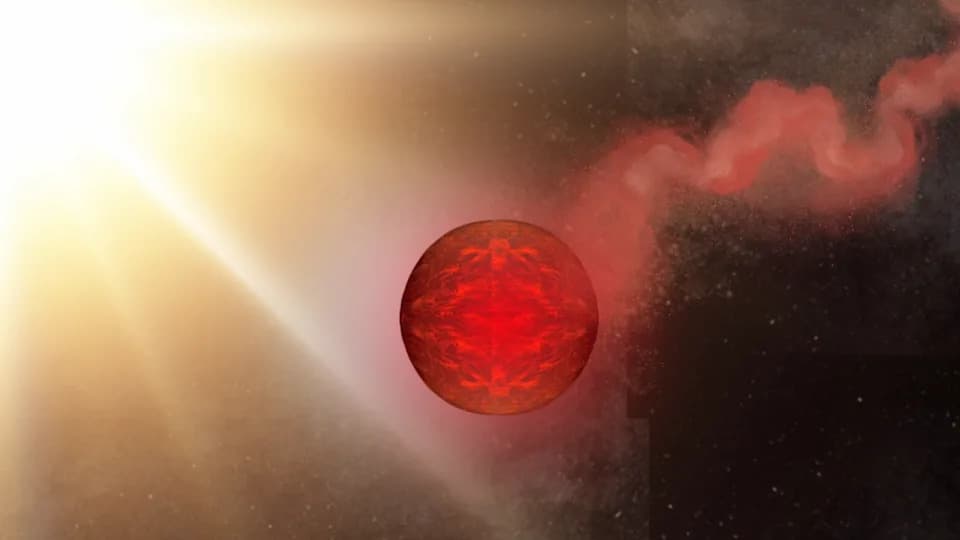
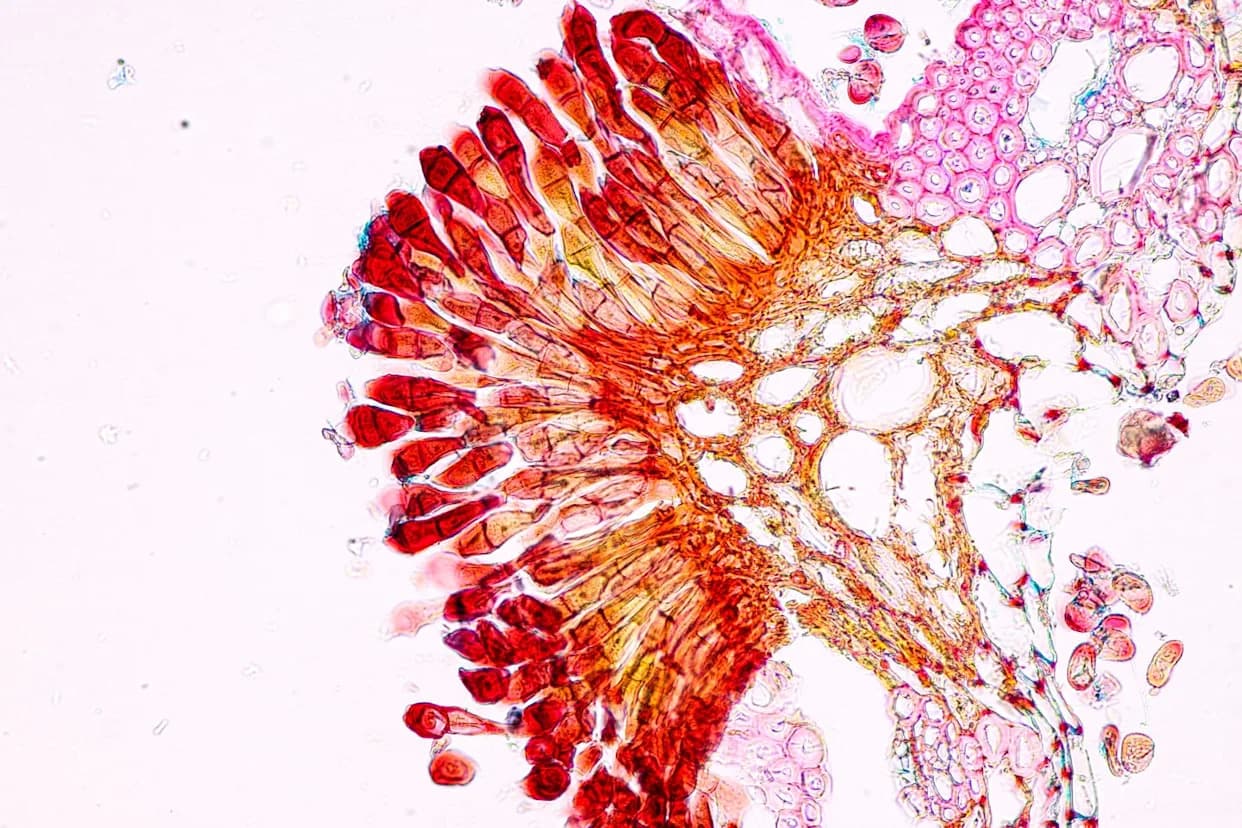
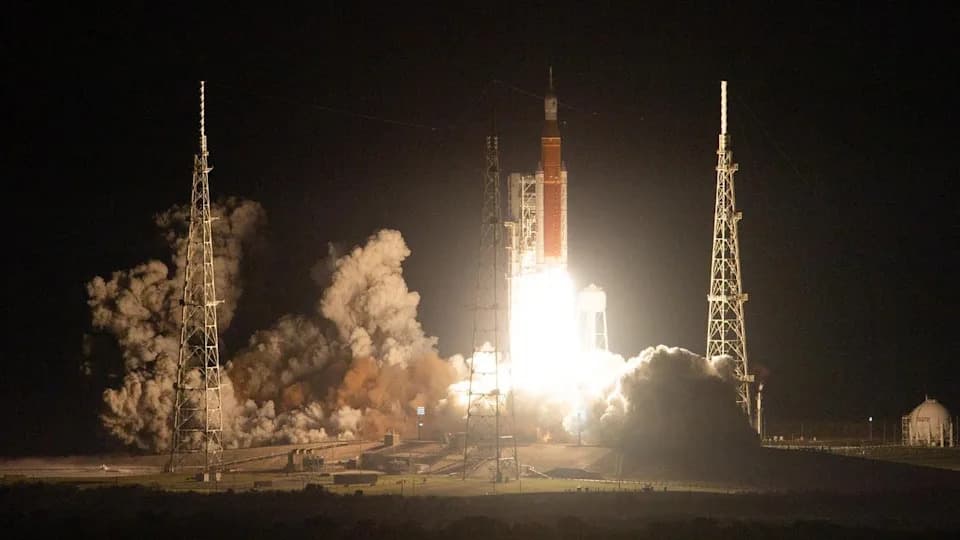
OSIRIS‑REx retrieved 121.6 grams from asteroid Bennu (collected Oct 20, 2020) and returned the sample capsule to Earth on Sept 24, 2023. Analyses show water‑altered minerals (e.g., serpentine and fragile evaporites), abundant organics including 15 of 20 protein amino acids, tryptophan, all five DNA‑related nucleobases, and sugars such as ribose. The results suggest some asteroid parent bodies experienced ocean‑like, ammonia‑rich histories and that outer‑solar‑system material was transported inward. While these findings confirm widespread prebiotic chemistry, how those molecules concentrated and assembled into living systems on early Earth remains unresolved.
Asteroid Samples Reveal New Clues About How Life Began on Earth
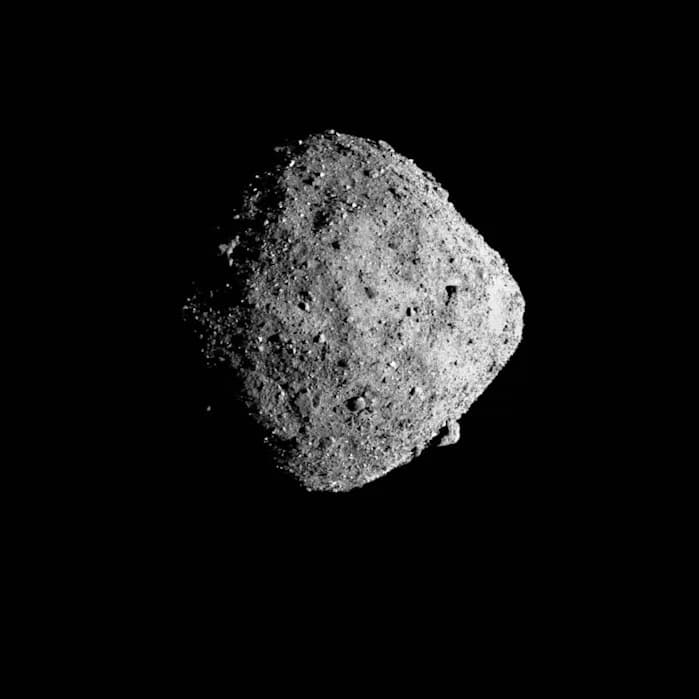
The OSIRIS-REx spacecraft spent two years observing the asteroid Bennu before it collected a sample in 2020.NASA/Goddard/University of Arizona
On October 20, 2020, NASA’s OSIRIS‑REx spacecraft collected 121.6 grams of material from the surface of the near‑Earth asteroid Bennu. The mission—valued at roughly $1.16 billion—spent two years traveling to Bennu and two more studying it before returning a sealed sample capsule to Earth on September 24, 2023. Scientists have called the returned material among the most valuable dirt in the solar system because it preserves primordial chemistry that can illuminate the origin of life on Earth.
What the Bennu (and Ryugu) Samples Contain
Laboratory analyses of Bennu’s material, and earlier samples from Japan’s Hayabusa2 mission (5.4 grams from Ryugu in 2020), reveal that these primitive asteroids are rich in water‑altered minerals and a diverse organic inventory. Key findings include:
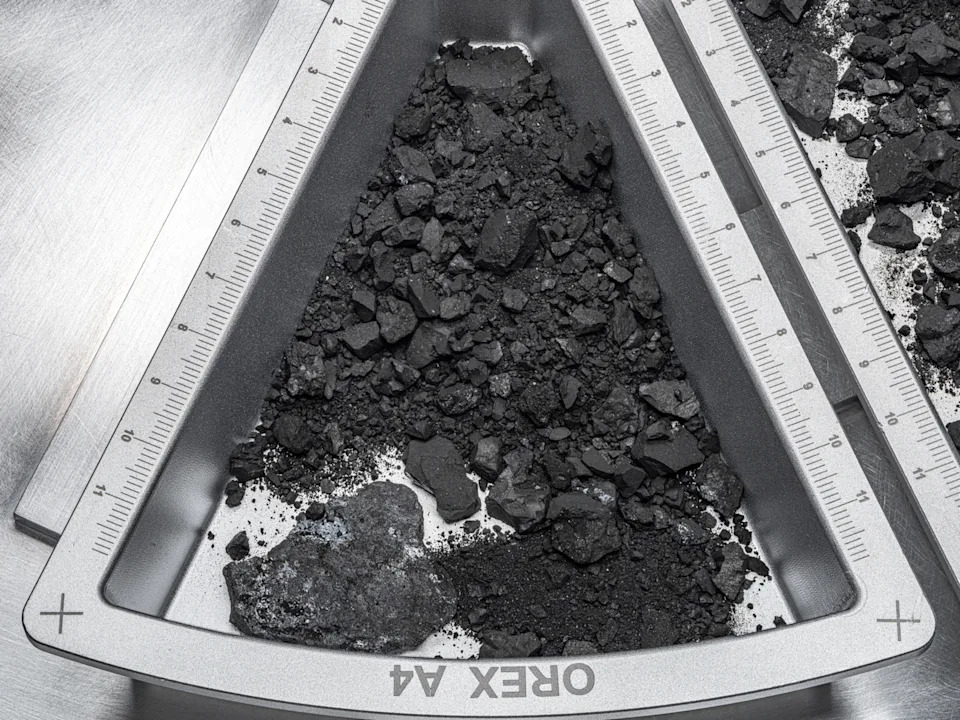
The rock and dust from Bennu is around 4.5 billion years old.NASA/Erika Blumenfeld and Joseph Aebersold
- Water‑altered clay minerals such as abundant serpentine and delicate evaporite minerals that suggest episodes of salty, aqueous alteration.
- An extensive suite of organic molecules: 15 of the 20 amino acids used in Earth life, the amino acid tryptophan (new to returned samples), all five nucleobase analogs related to DNA chemistry, and a variety of sugars including ribose — a central component of RNA.
- Significant ammonia and ammonia‑bearing minerals, implying chemistry in ammonia‑rich fluids.
Why These Findings Matter
Sample return eliminates much of the terrestrial contamination that plagues meteorite studies—no scorching atmospheric fall or long exposure on Earth. That makes these specimens reliable “ground truth” for the chemistry that existed in the early solar system. The composition of Bennu and Ryugu suggests their parent bodies experienced sustained aqueous alteration and may have been fragments of larger, once‑watery worlds rather than simple dry rubble.
Dante Lauretta, principal investigator for OSIRIS‑REx: “The Bennu samples provide an environment shaped by geologic processes, not biology—helping us test ideas about the chemistry that could have led to life on early Earth.”
Implications for Life’s Origins
The widespread detection of biologically relevant organics confirms that many prebiotic building blocks form readily in space and inside primitive asteroid bodies. However, important gaps remain. For example, Bennu and Ryugu samples show no systematic left‑handed (L‑) excess in amino acids, weakening the case that space directly supplied life’s molecular handedness. More broadly, even abundant organics delivered to early Earth would still need mechanisms to concentrate and assemble into functional systems—conditions that may involve surfaces, drying cycles, mineral catalysts, or hydrothermal vents.
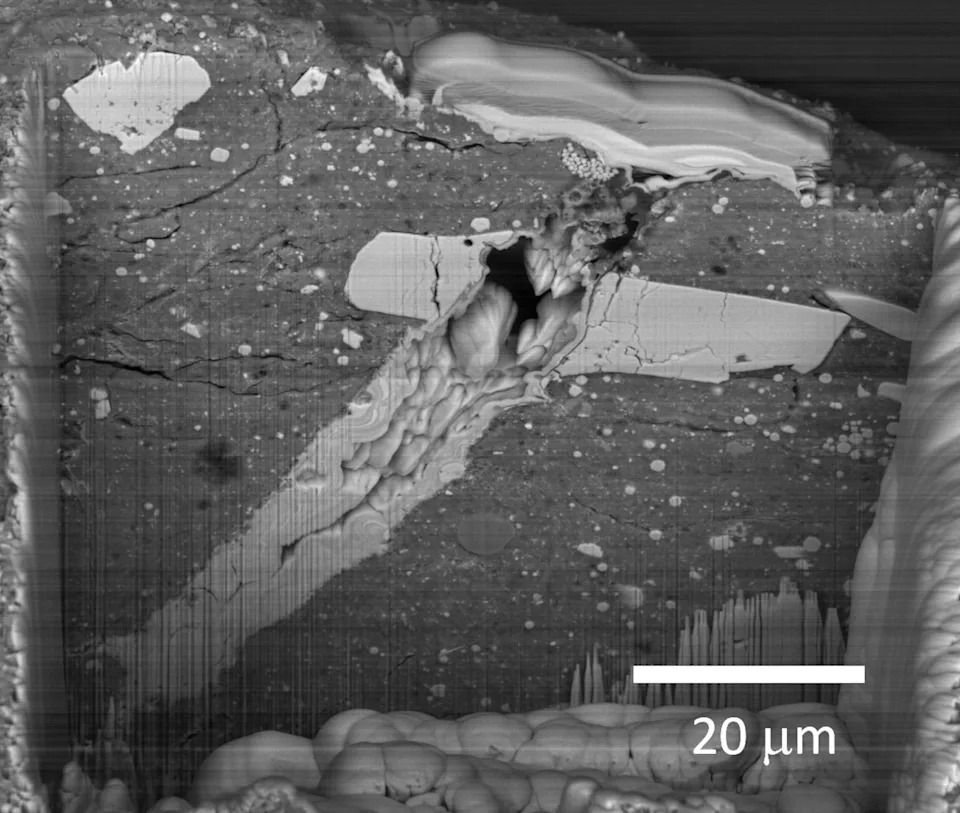
This image of a particle of Bennu material, taken by a scanning electron microscope, shows a micrometeorite impact crater. Researchers suspect that at some point the asteroid was bombarded by tiny meteorites.JSC
Early Solar System Dynamics
Ammonia‑bearing minerals and fragile evaporites indicate that material from the colder, outer solar system moved inward more than many models predicted. These clues point to surprising early dynamical mixing and suggest some of the water and volatiles that reached Earth may have come from bodies with ocean‑like interiors rather than only from simple icy pebbles.
What’s Next?
Scientists will continue detailed molecular, isotopic, and mineralogical studies of returned samples to trace reaction pathways and parent‑body histories. Comparing asteroid chemistry to proposed early‑Earth settings—especially deep‑sea hydrothermal vents—will help test scenarios for how nonliving chemistry might have organized into the first life.
Bottom line: Bennu and Ryugu preserve the products of abiotic chemistry that produced many of life’s raw materials. Sample return transforms speculative ideas into testable science but also highlights that producing molecules is only one step toward assembling living systems.
Help us improve.