Quick Take: Iran's foreign minister, Abbas Araghchi, warned in a Wall Street Journal column that Tehran would "fire back with everything we have" if attacked, comments that came as Iran tightened a violent crackdown on nationwide protests. U.S. naval movements — including the USS Abraham Lincoln transiting toward the Indian Ocean — and deployments of F-15Es and a HIMARS system have heightened regional tensions. A Kurdish group in Iraq said Iran struck one of its camps, and the rights group HRANA reported at least 4,519 dead and over 26,300 arrests amid an internet blackout that began Jan. 8.
Iran's Foreign Minister Warns U.S.: "We'll Fire Back With Everything We Have" as Crackdown and Regional Tensions Rise
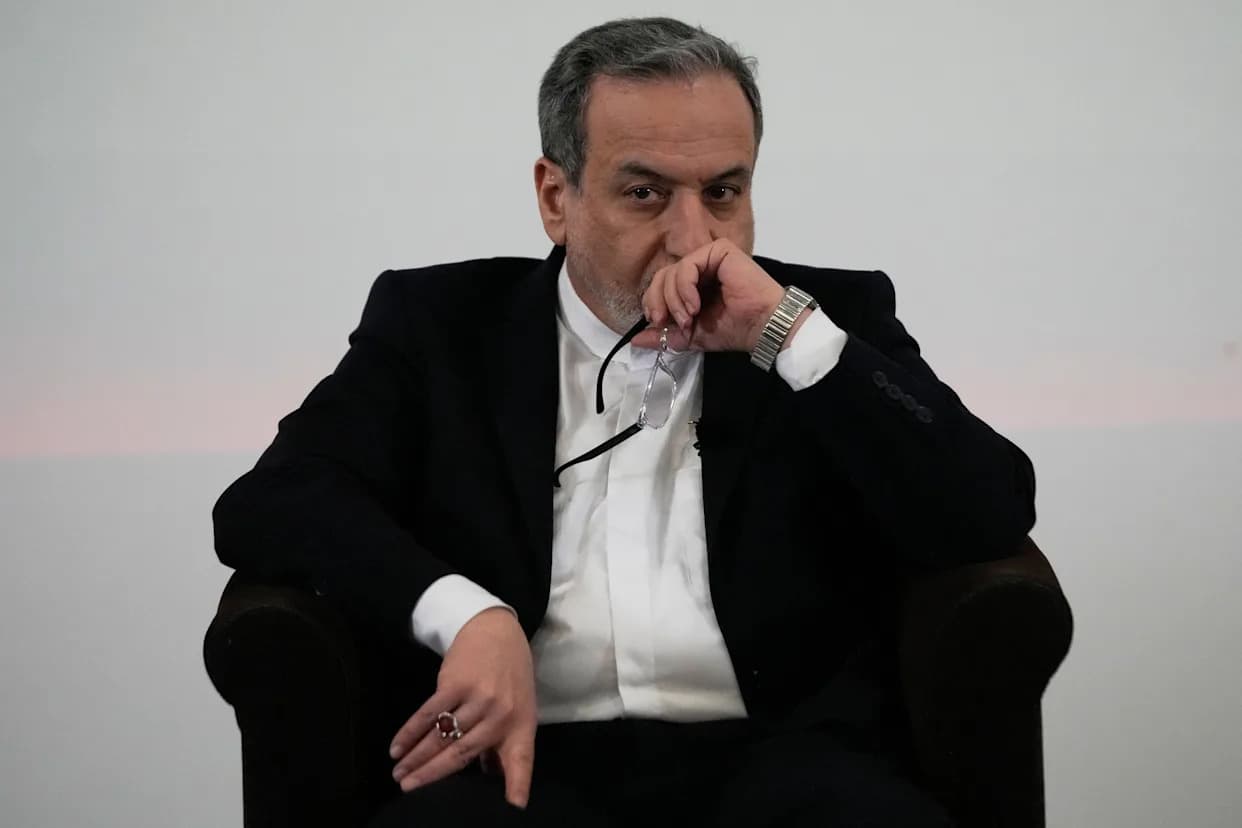
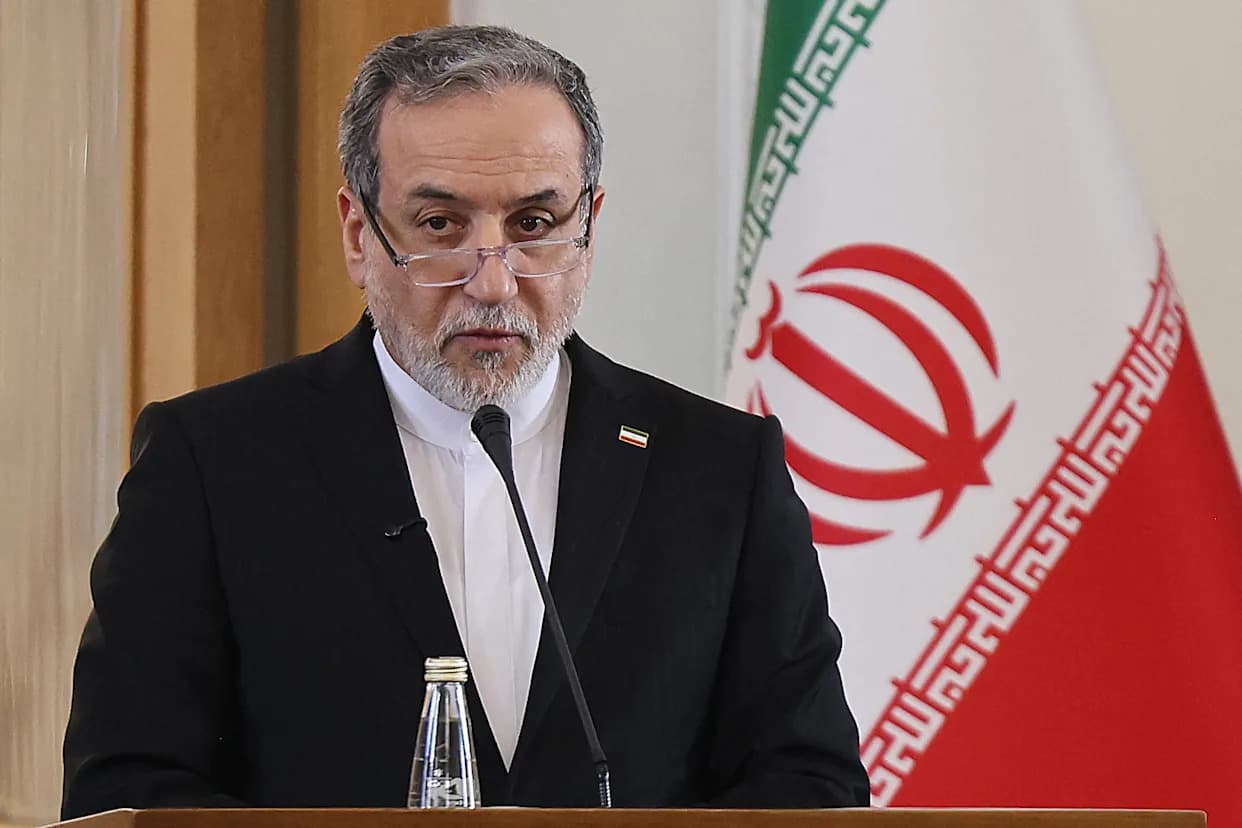
Iranian Foreign Minister Abbas Araghchi, attends a seminar in Beirut, Lebanon, Friday, Jan. 9, 2026. (AP Photo/Hussein Malla)(ASSOCIATED PRESS)
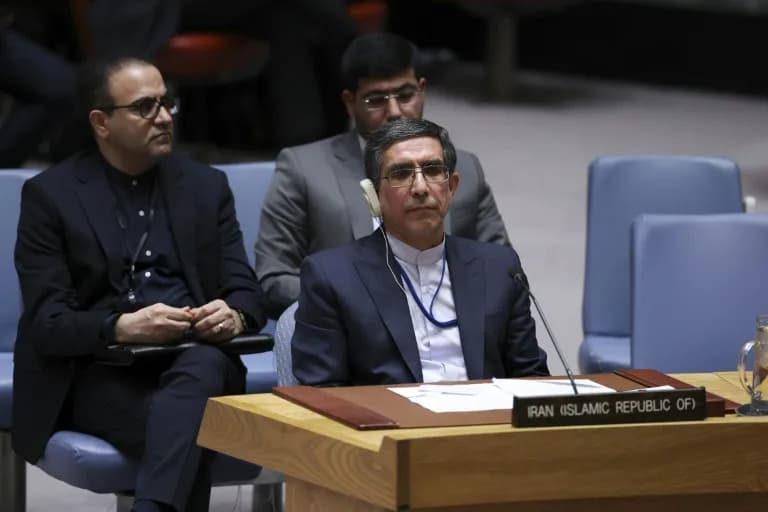
DUBAI, United Arab Emirates (AP) — Iran's foreign minister, Abbas Araghchi, issued one of Tehran's most direct warnings to the United States on Wednesday, saying the Islamic Republic would respond "with everything we have" if it comes under renewed attack amid a brutal crackdown on nationwide protests.
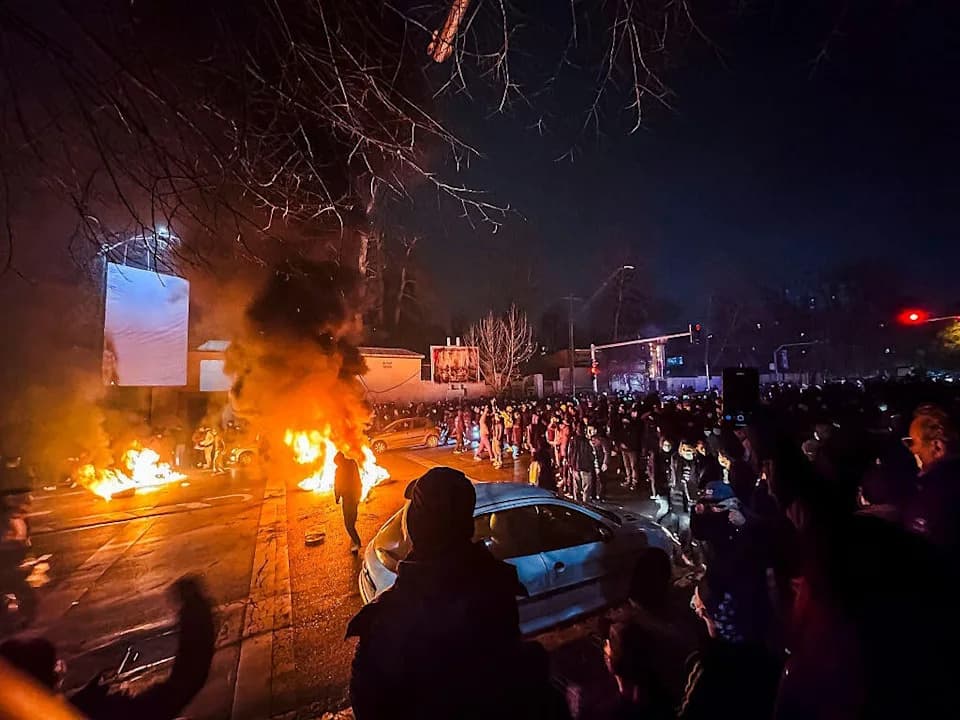
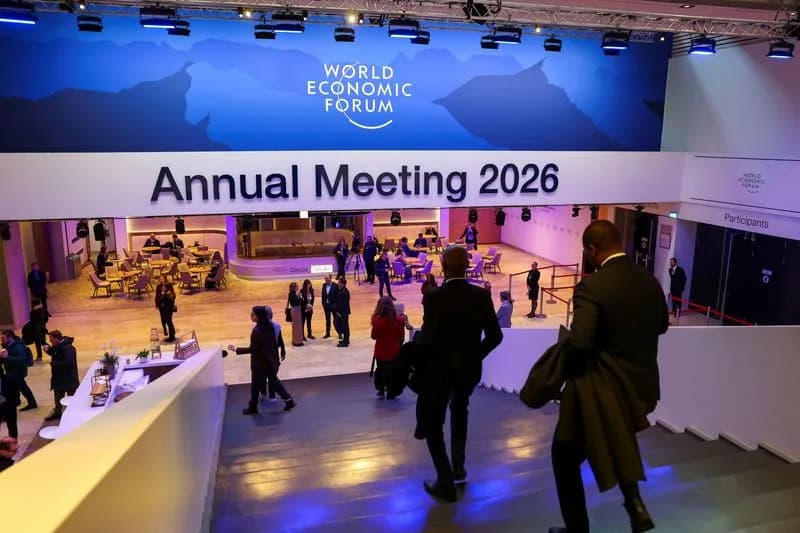
Araghchi set out his position in an opinion piece for The Wall Street Journal, noting that his invitation to the World Economic Forum in Davos was rescinded in reaction to the killings related to the unrest. He characterized the recent unrest as a brief violent phase and again blamed armed elements for some of the bloodshed. At the same time, videos smuggled out of Iran despite a government-imposed internet shutdown appear to show security forces using live ammunition against people who seemed to be unarmed; those images have been widely circulated but are difficult for outside agencies to fully verify.
"Unlike the restraint Iran showed in June 2025, our powerful armed forces have no qualms about firing back with everything we have if we come under renewed attack," Araghchi wrote. He added that his words were "not a threat, but a reality I feel I need to convey explicitly, because as a diplomat and a veteran, I abhor war."
Analysts say the warning likely alludes to Tehran's short- and medium-range missile capabilities. While Iran relied on longer-range ballistic missiles during exchanges with Israel in June, its shorter-range stockpiles — largely unused at that time — could be brought to bear against regional targets, including U.S. bases and facilities in the Persian Gulf. In recent days some restrictions were placed on U.S. diplomats traveling to American bases in Kuwait and Qatar, officials said.
U.S. Military Movements
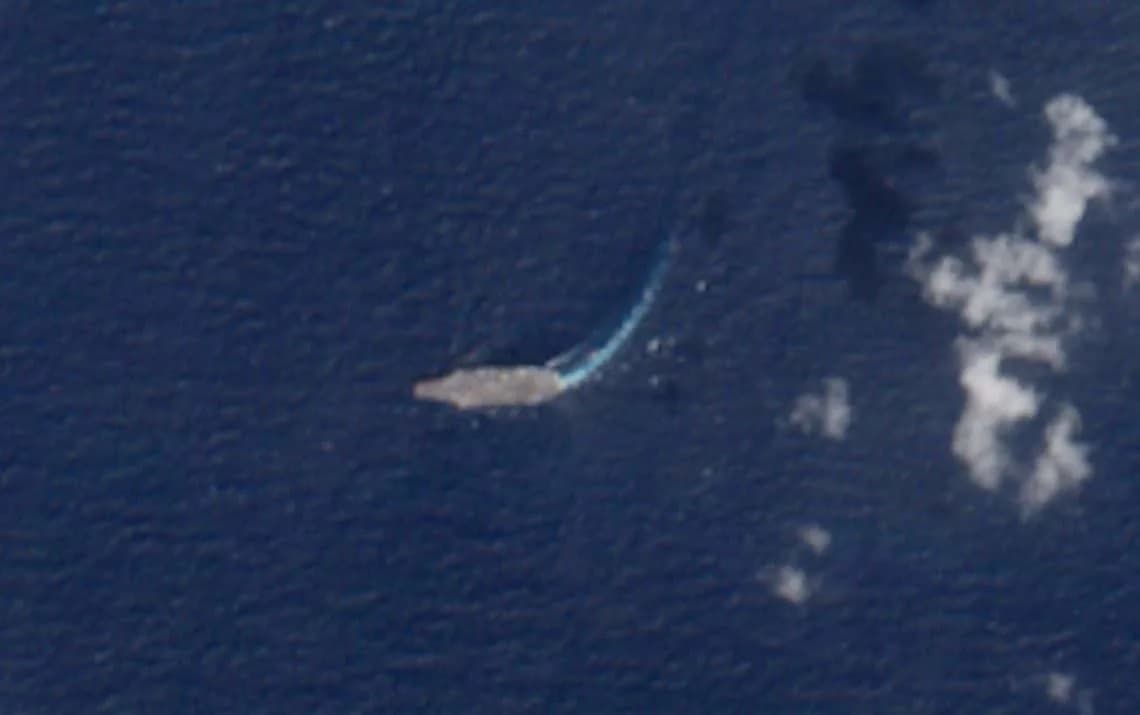
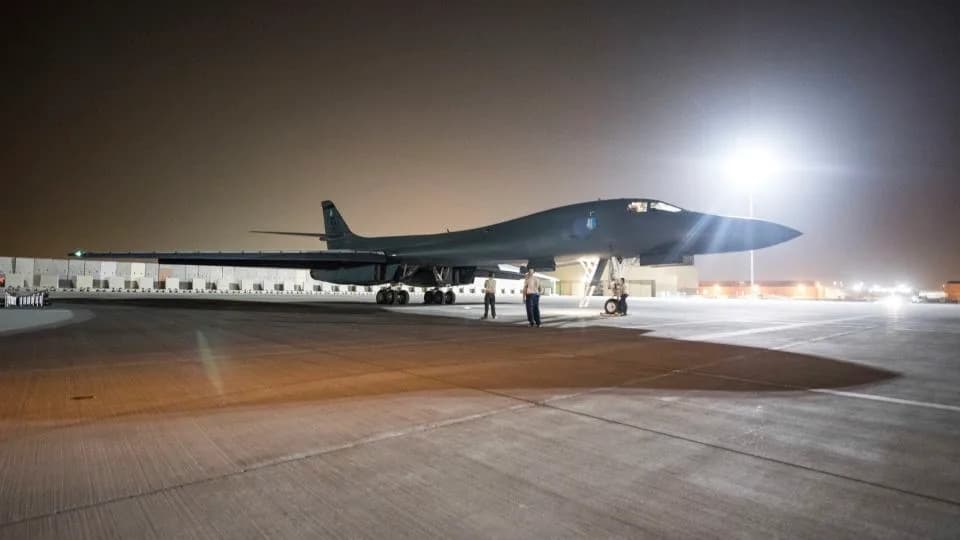
Ship-tracking data show the aircraft carrier USS Abraham Lincoln, previously operating in the South China Sea, transited the Strait of Malacca and was heading west with three accompanying destroyers. A U.S. Navy official, speaking on condition of anonymity, said the strike group was en route. While U.S. defense officials stopped short of saying the carrier was definitively bound for the Middle East, its path through the Indian Ocean places it only days away from the region.
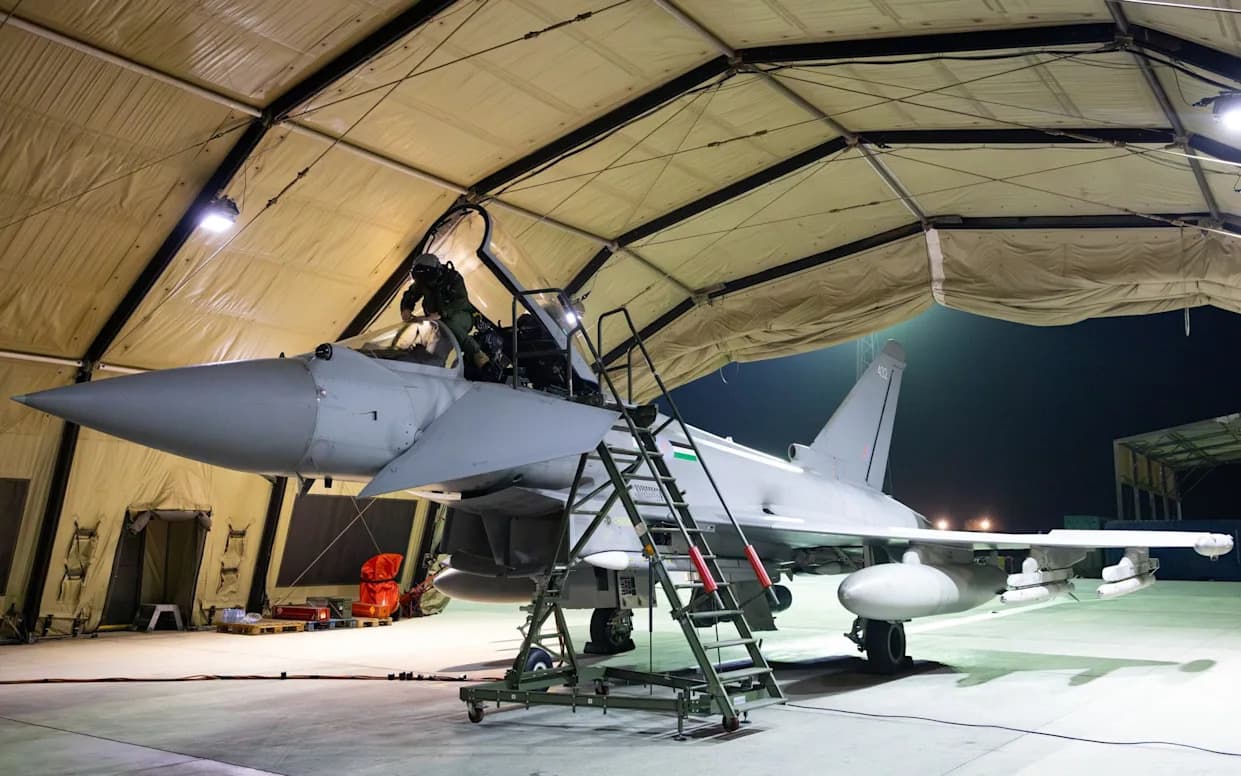
U.S. military images released recently also showed F-15E Strike Eagles arriving in the Middle East and the movement of a HIMARS rocket system into the area — a weapon system that has seen high-profile use elsewhere. These deployments, officials say, have heightened tensions across the region.
Cross-Border Claims and Kurdish Forces
The National Army of Kurdistan, the armed wing of the Kurdistan Freedom Party (PAK), claimed Iran struck one of its camps near Irbil — about 320 kilometers (200 miles) north of Baghdad — in a drone-and-missile attack that it said killed at least one fighter. The group released mobile-phone footage showing a fire at the site. Iranian state media did not immediately confirm the reported strike.
A number of Iranian Kurdish dissident and separatist groups, some with armed wings, have long operated from parts of northern Iraq’s semi-autonomous Kurdish region, creating friction between Baghdad and Tehran. The PAK has said it launched cross-border attacks in recent weeks, claims that have appeared in semi-official Iranian outlets.
Domestic Toll and International Concerns
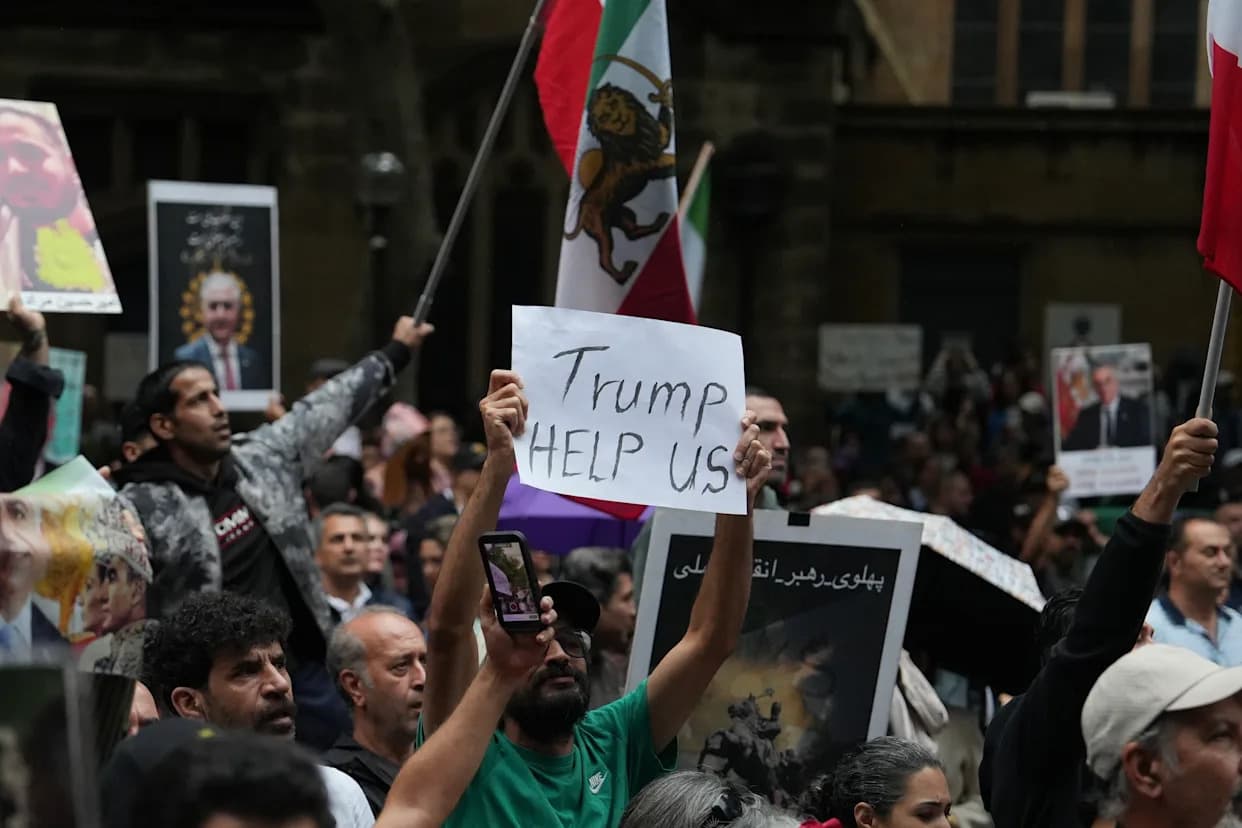
The U.S.-based Human Rights Activists News Agency (HRANA) reported the death toll from the protests had reached at least 4,519 people and that more than 26,300 people have been arrested. HRANA relies on a network of activists inside Iran and has been a consistent source on unrest there; the Associated Press has not independently verified those figures. The numbers, if confirmed, would make this wave of unrest among the deadliest in decades in Iran.
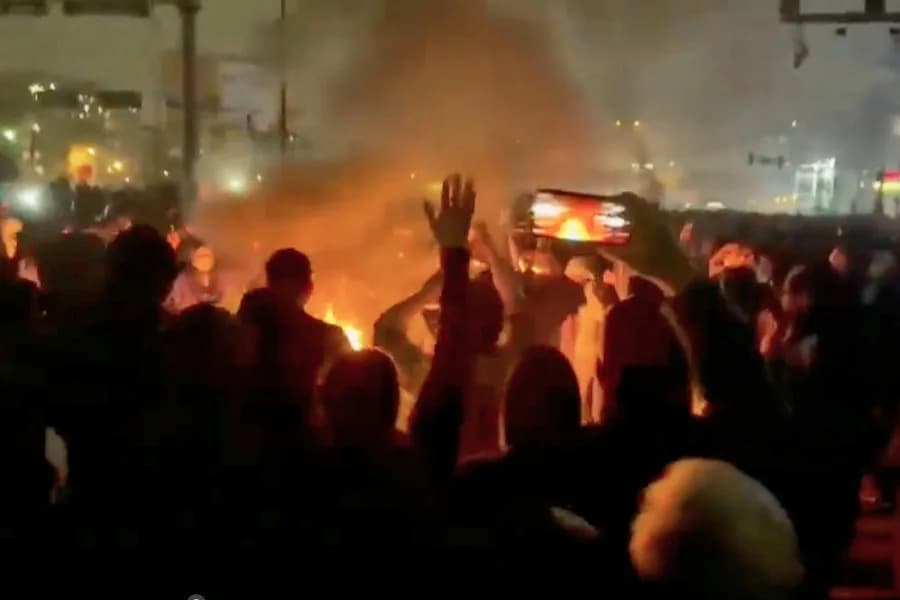
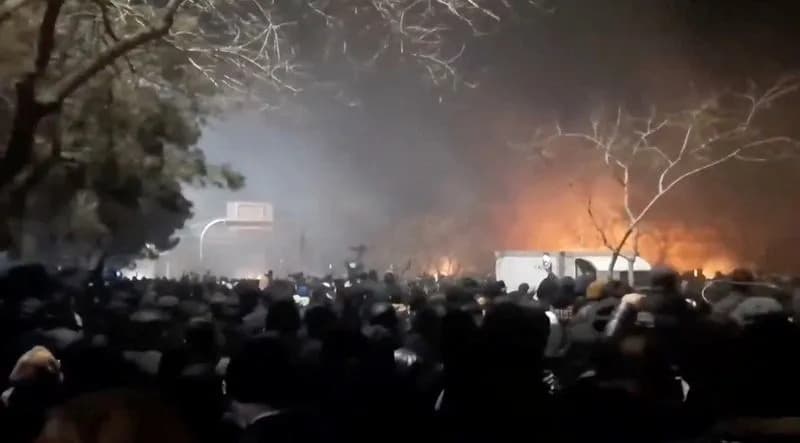
Visible street protests have subsided in recent days amid a government-imposed internet blackout that began on Jan. 8, but rights groups and outside governments warn that casualties and arrests could continue to rise as more information emerges. Iran's Supreme Leader, Ayatollah Ali Khamenei, said the unrest had left "several thousand" people dead and blamed the United States — his first public estimate from a senior Iranian leader acknowledging the scale of the casualties.
International diplomats and analysts warn the combination of a heavy-handed domestic crackdown, sharpened rhetoric from Tehran, and visible U.S. military repositioning raises the risk of miscalculation and a wider regional confrontation.
Reporting Notes: The article summarizes claims and official statements from multiple parties. Where possible, sourcing and caveats from original reporting are retained: some numbers and events are reported by local or activist groups and have not been independently verified by all international agencies.
Help us improve.