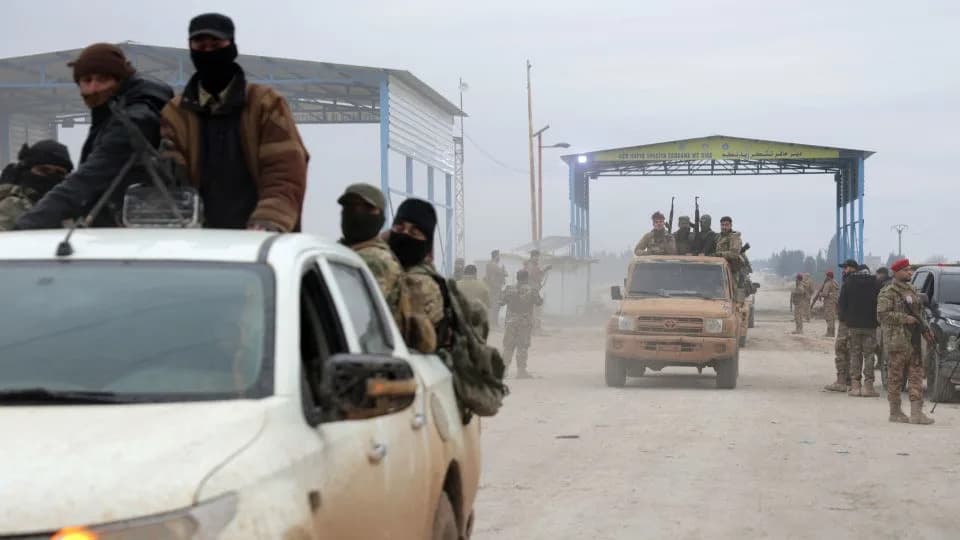
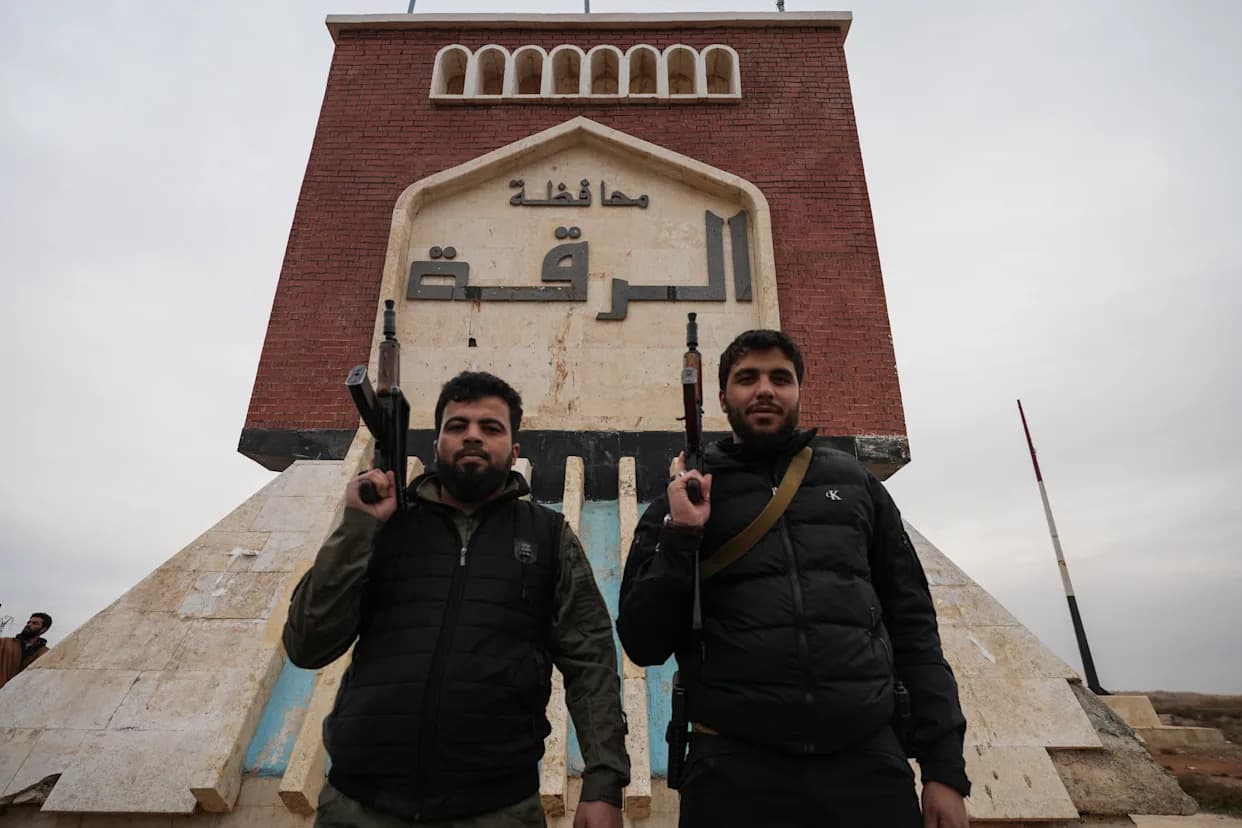
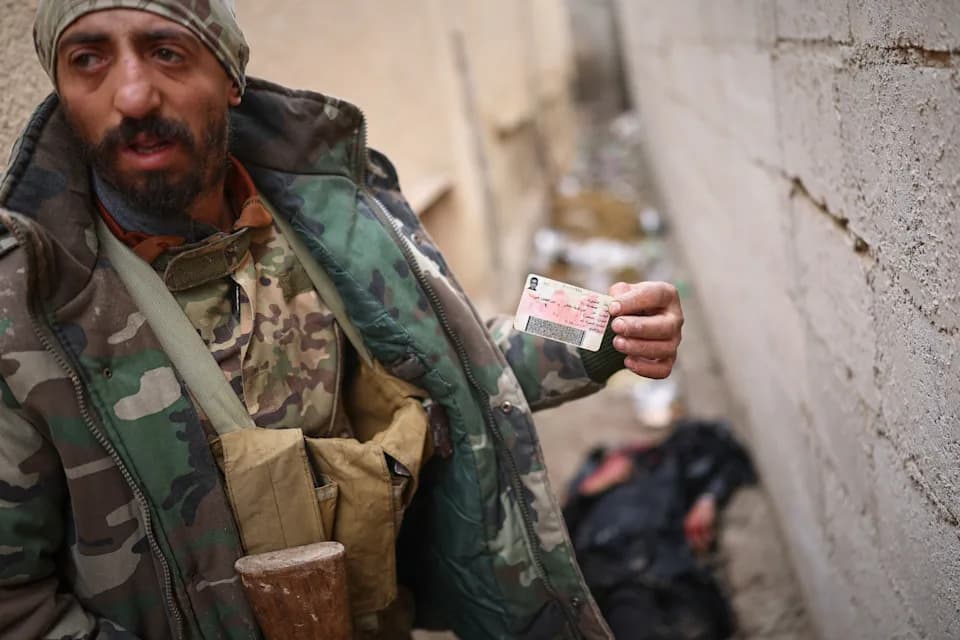
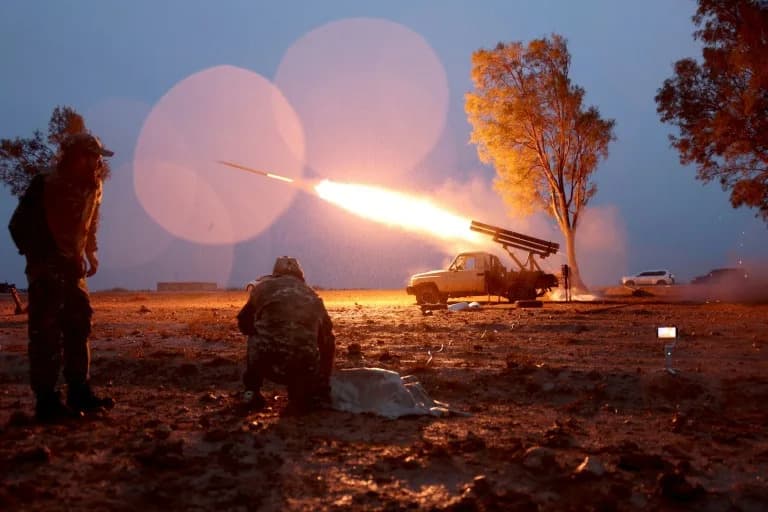
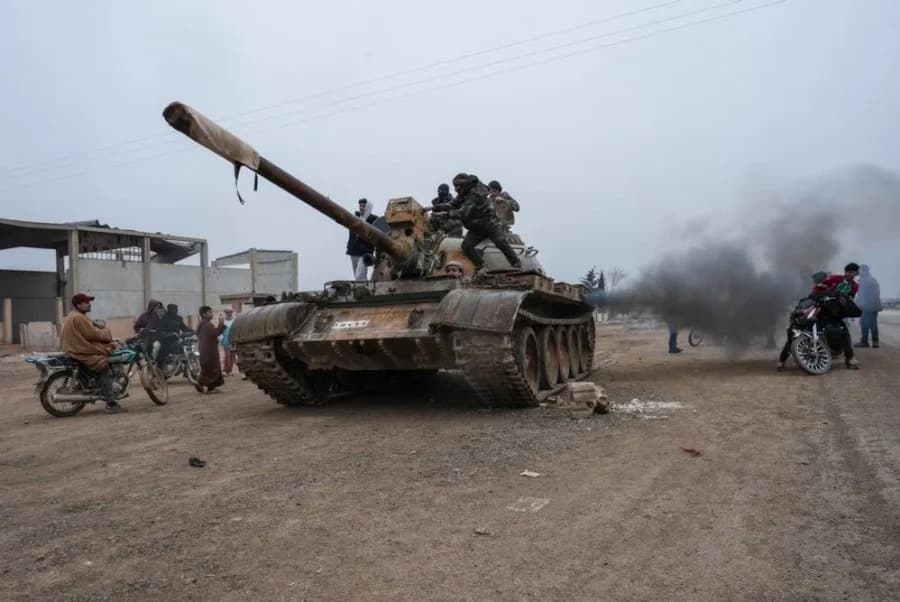
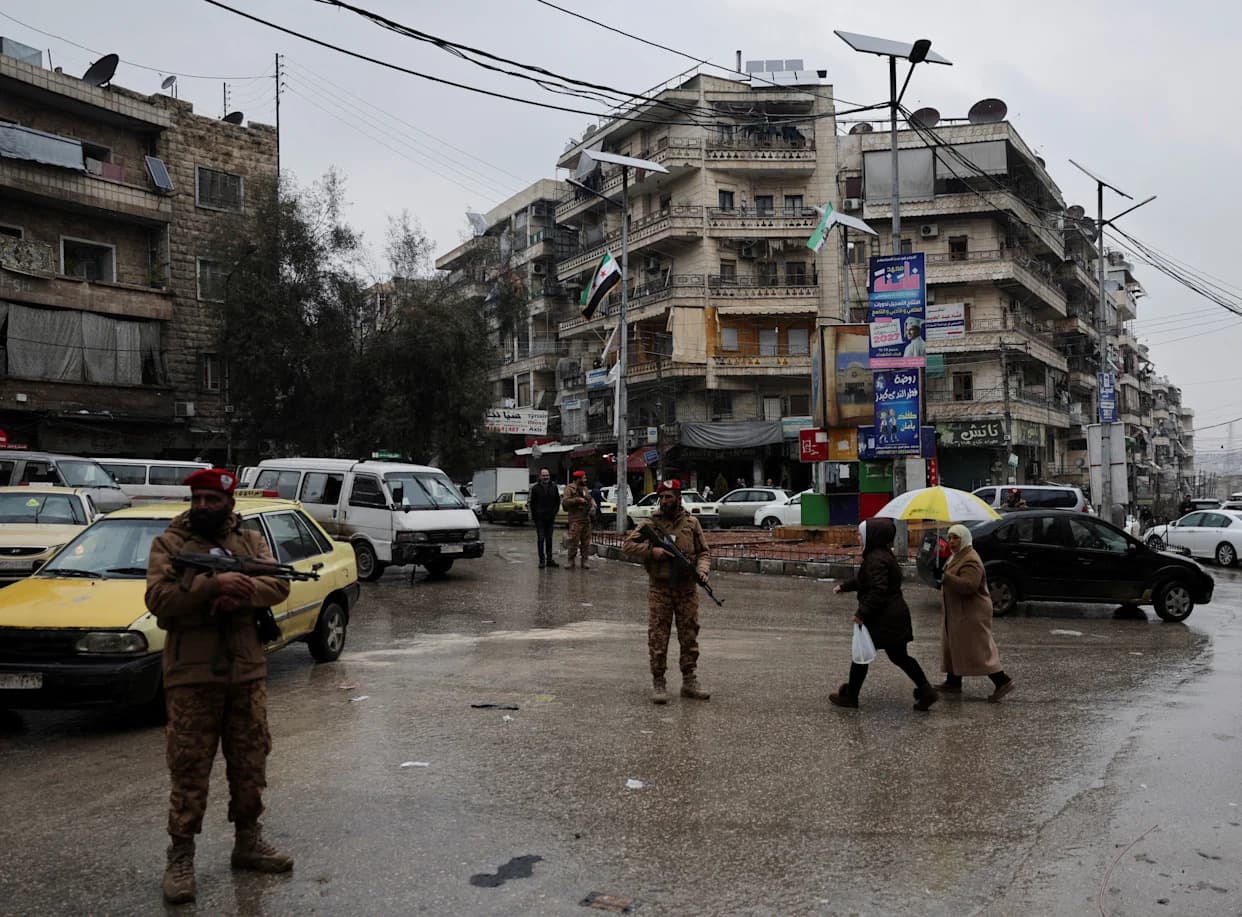
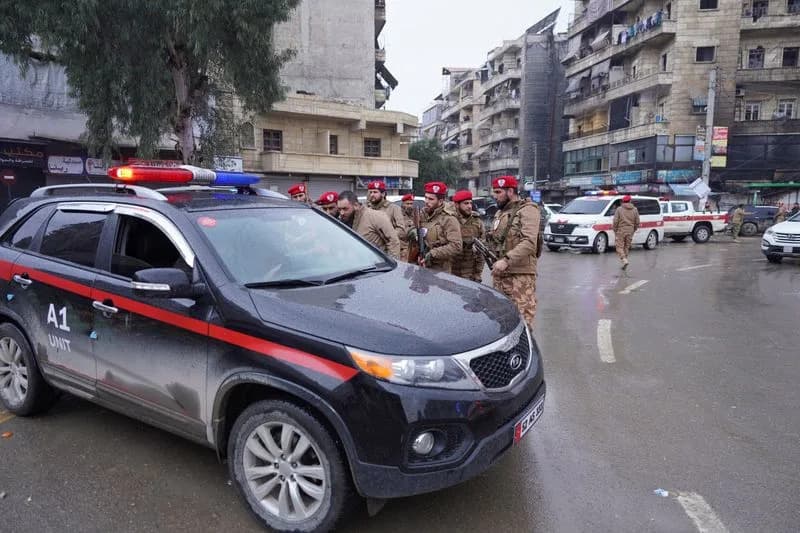
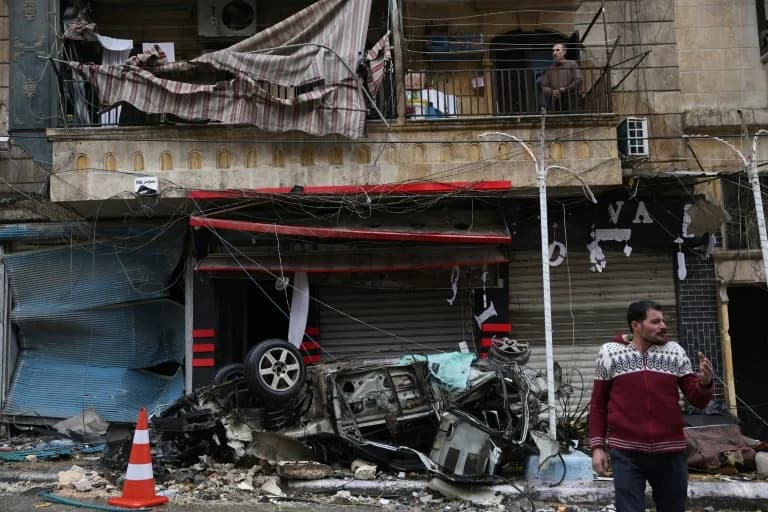
The Syrian army advanced into Kurdish-held towns on Jan. 17 despite U.S. calls to halt, with state media saying forces captured Tabqa and two dams west of Raqqa. The SDF pulled back from some villages as a goodwill gesture but accused Damascus of breaching the withdrawal by moving into other towns and oilfields. The U.S. urged a cease to offensive actions and dispatched envoys to mediate as tensions deepened between Damascus and Kurdish authorities.
Syrian Forces Advance into Kurdish-Held Towns as U.S. Urges Halt
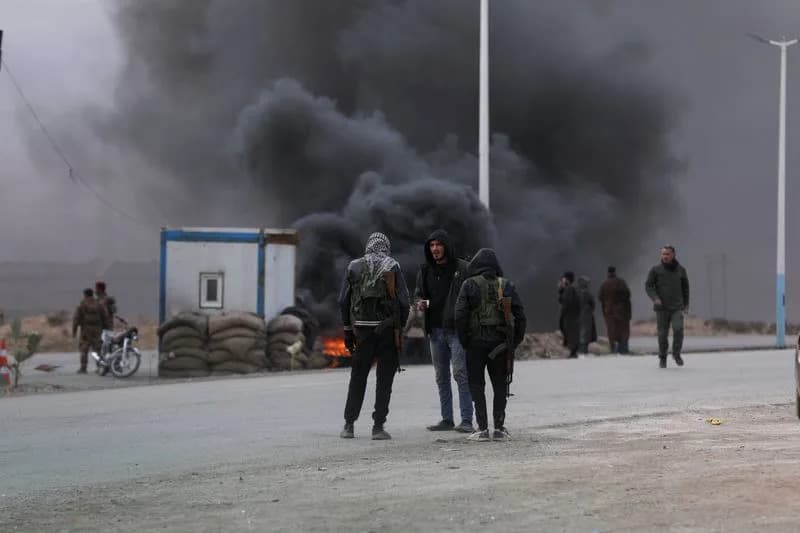
Syrian Democratic Forces (SDF) fighters gather as they are deployed after days of clashes in eastern Aleppo, in Tabqa, Syria, January 17, 2026. REUTERS/Orhan Qereman
DEIR HAFER, Syria, Jan. 17 (Reuters) - The Syrian army pressed its advance into areas held by Kurdish-led forces on Saturday, despite U.S. appeals to stop operations across several northern towns.
Advance and Strategic Gains
State media reported that government forces seized the northern city of Tabqa and its adjacent dam, as well as the larger Freedom Dam (formerly the Baath Dam) west of Raqqa. Kurdish authorities had not confirmed losing control of those strategic sites, and Reuters reporters indicated it was unclear whether fighting continued on the ground.
SDF Withdrawal, Dispute Over Terms
For days, Syrian troops had massed near a cluster of villages just west of the Euphrates and asked the Kurdish-led Syrian Democratic Forces (SDF) to reposition to the east bank. The SDF withdrew from parts of the area early Saturday as a gesture of goodwill but accused Syrian forces of violating the agreement by pushing further east into towns and oilfields that were not covered by the deal.
Oilfields and Local Reaction
The Syrian Petroleum Company said troops had captured the nearby Rasafa and Sufyan oilfields and could bring them back online. Residents of predominantly Arab towns such as Deir Hafer welcomed Syrian troops, with some greeting their arrival as the end of a local standoff.
Casualties and Military Movements
Syrian authorities reported the deaths of four soldiers in attacks they attributed to Kurdish militants. The SDF acknowledged some fatalities among its ranks but did not provide a total. U.S.-led coalition planes were reported to have flown over flashpoints and released warning flares, according to a Syrian security source.
U.S. Response and Diplomacy
Brad Cooper, head of the U.S. military's Central Command, said in a written statement posted on X that Syrian forces should "cease any offensive actions in areas" between Aleppo and Tabqa, roughly 160 kilometres (100 miles) to the east. U.S. envoy Tom Barrack traveled to Erbil to meet Kurdish leaders including Abdi and Masoud Barzani in an effort to defuse the violence.
Wider Context
The clashes deepen a political rift between the government led by President Ahmed al-Sharaa (who has pledged to reunify Syria) and Kurdish administrations wary of his Islamist-leaning coalition. Both sides had spent months negotiating to integrate Kurdish-run military and civilian institutions into Syrian state structures, but talks stalled after a 2025 integration deadline was missed, contributing to renewed clashes.
Note: Some claims in on-the-ground reports remain unconfirmed by independent sources; the situation on the ground was fluid at the time of reporting.
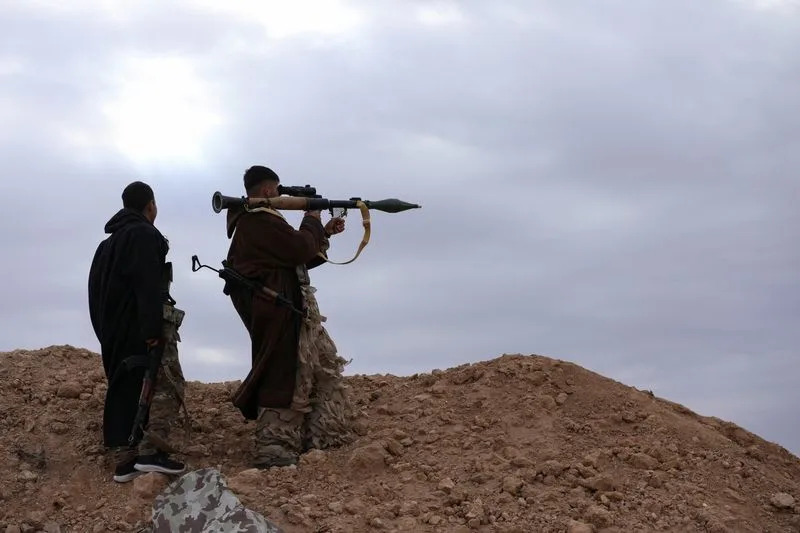
Syrian Democratic Forces (SDF) fighters gather as they are deployed after days of clashes in eastern Aleppo, in Tabqa, Syria, January 17, 2026. REUTERS/Orhan Qereman
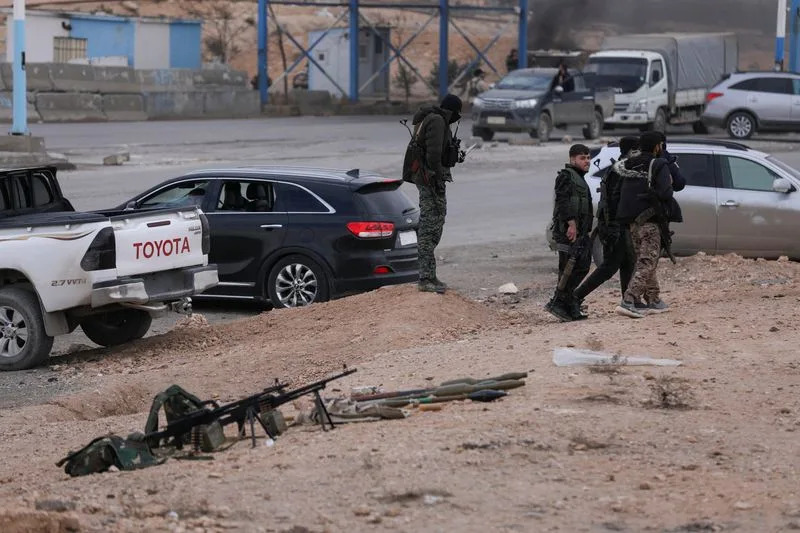
Syrian Democratic Forces (SDF) fighters gather as they are deployed after days of clashes in eastern Aleppo, in Tabqa, Syria, January 17, 2026. REUTERS/Orhan Qereman
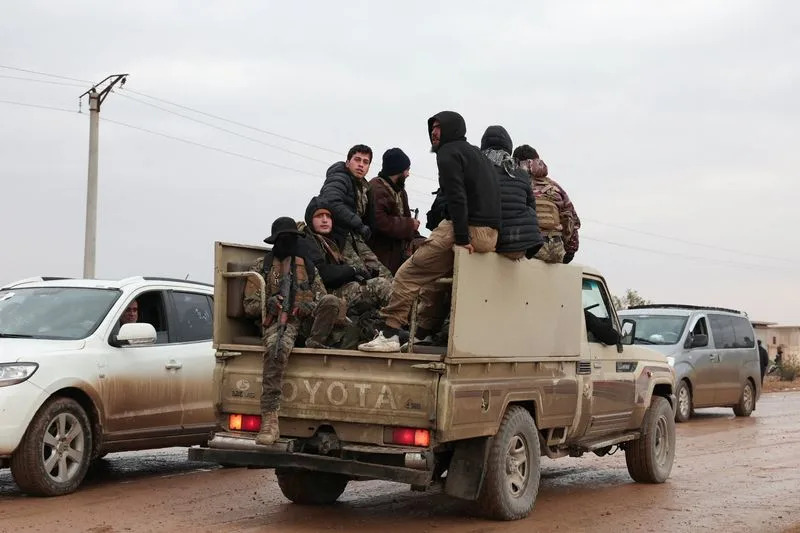
Soldiers in military vehicle on a road to Dayr Hafir east of Aleppo, after a Kurdish-led Syrian Democratic Forces (SDF) withdrawal from the area and its takeover by the Syrian army, in Aleppo, Syria, January 17, 2026. REUTERS/Mahmoud Hassano
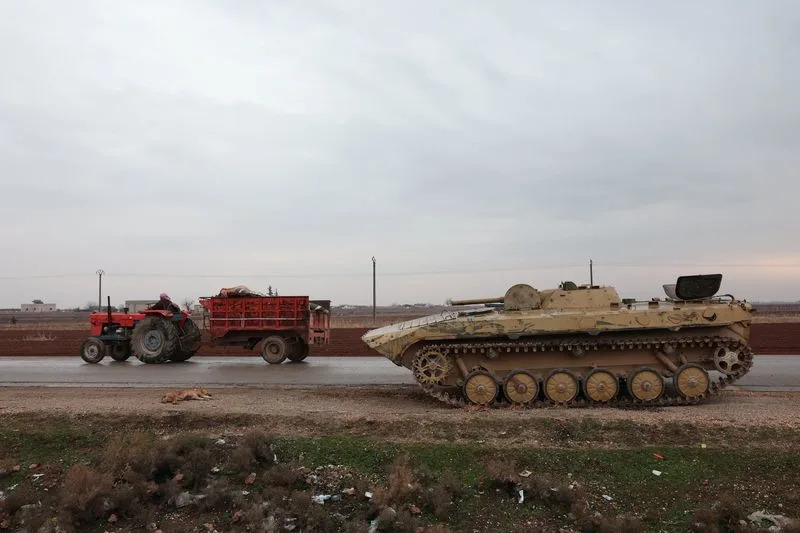
An armoured vehicle of the Syrian army on the road towards the town of Dayr Hafir, east of Aleppo, after a Kurdish-led Syrian Democratic Forces (SDF) withdrawal from the area and its takeover by the Syrian army, in Aleppo, Syria, January 17, 2026. REUTERS/Mahmoud Hassano
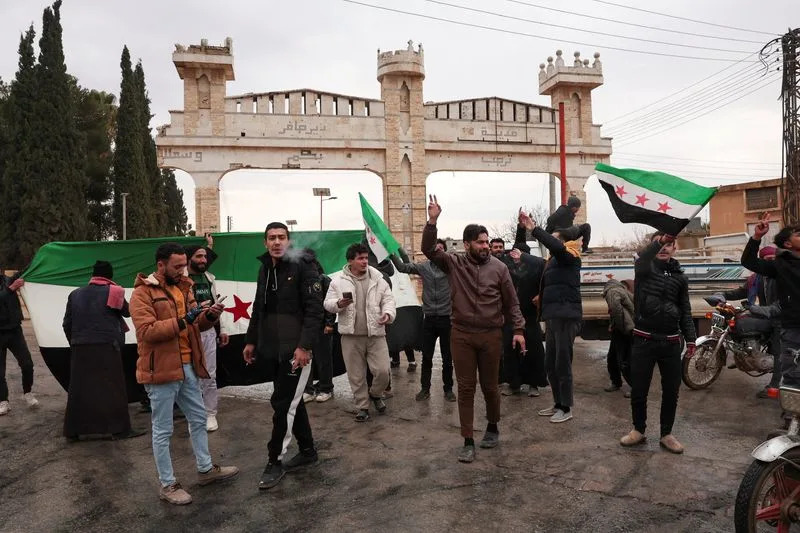
Civilians of Dayr Hafir celebrate after the Syrian army takes control of the city and Kurdish-led Syrian Democratic Forces (SDF) withdraw, in the east of Aleppo, Syria, January 17, 2026. REUTERS/Mahmoud Hassano
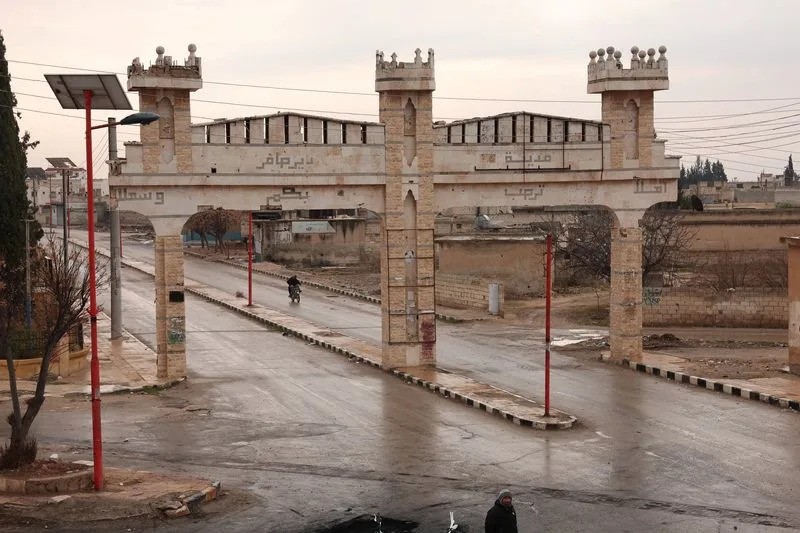
The entrance to the city of Dayr Hafir, east of Aleppo, after the Syrian army takes control of the city and Kurdish-led Syrian Democratic Forces (SDF) withdraw, in the east of Aleppo, Syria, January 17, 2026. REUTERS/Mahmoud Hassano
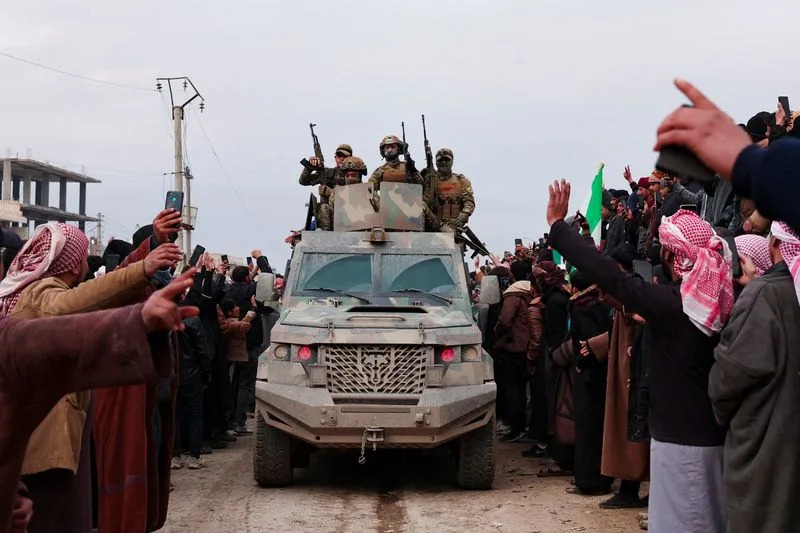
People welcome Syrian army following the withdrawal of the Kurdish-led Syrian Democratic Forces (SDF) in Maskanah, Syria, January 17, 2026. REUTERS/Mahmoud Hassano
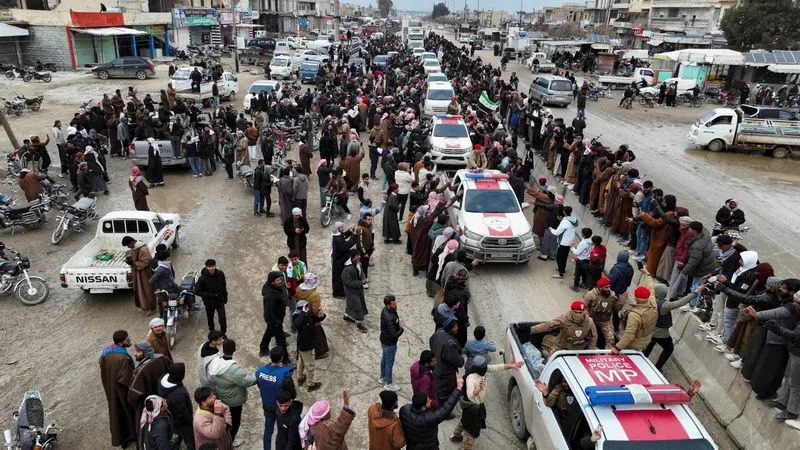
A drone view shows people welcoming Syrian army following the withdrawal of the Kurdish-led Syrian Democratic Forces (SDF) in Maskanah, Syria, January 17, 2026. REUTERS/Mahmoud Hassano
Help us improve.