The Kurdish-led SDF withdrew from eastern Deir Ezzor on Sunday, including the Al-Omar and Tanak oil fields, as Syrian government forces advanced across the north and east. The pullback followed a presidential decree granting limited official recognition to Kurdish authorities, but efforts to integrate Kurdish forces into state structures remain stalled. Clashes erupted after a withdrawal agreement collapsed, prompting curfews, closures and international calls for de-escalation while Turkey praised Damascus's operation.
SDF Withdraws From Syria's Largest Oil Field Al-Omar As Government Forces Consolidate Gains
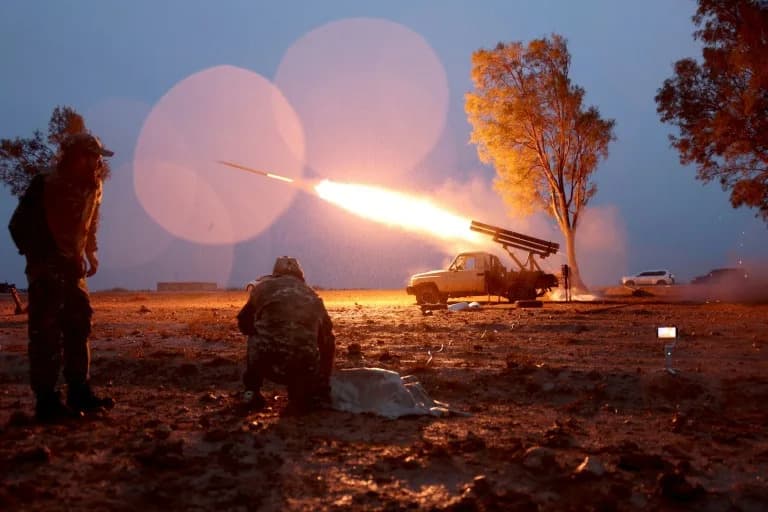
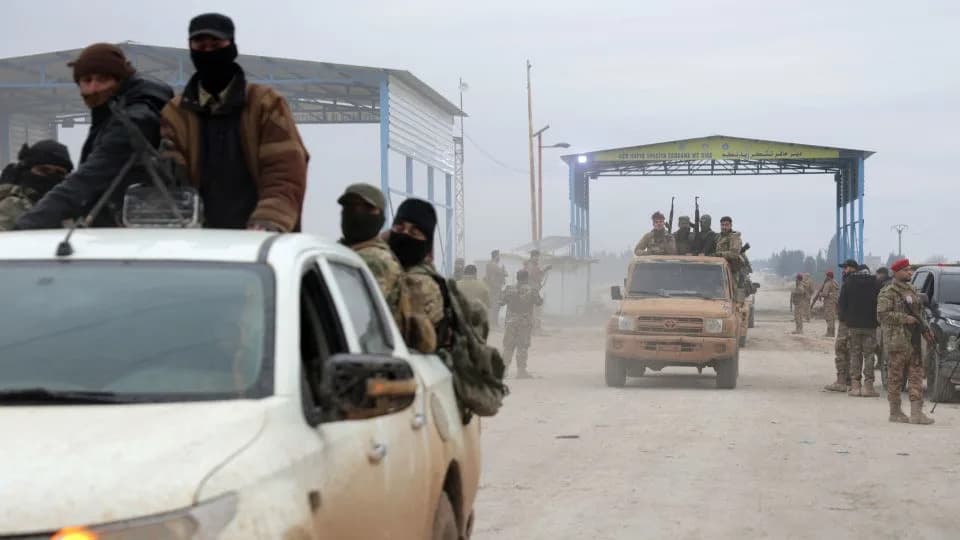
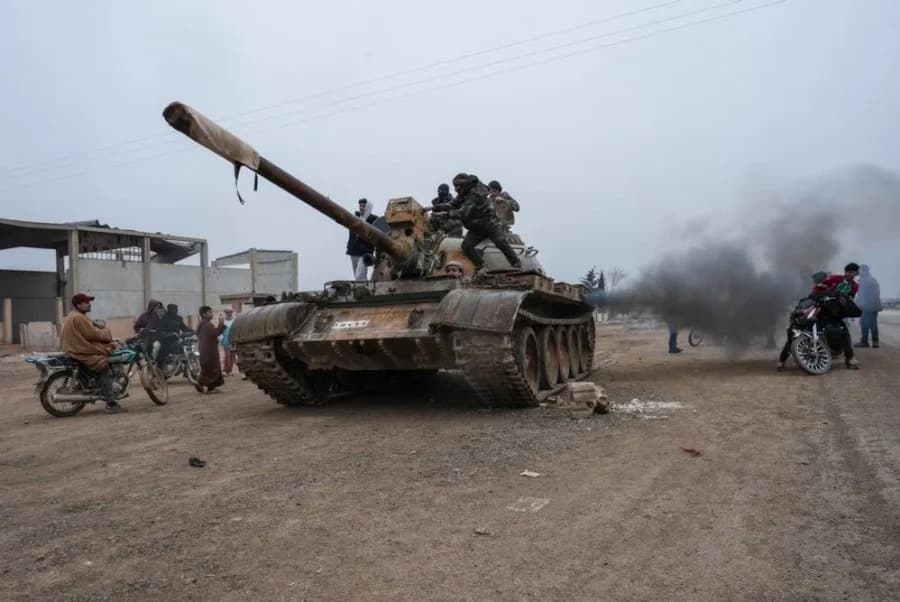
Syrian government forces have extended their grip over swathes of Kurdish-run territory in the country's north and east (OMAR HAJ KADOUR)(OMAR HAJ KADOUR/AFP/AFP)
Kurdish-led forces pulled back at dawn on Sunday from several areas in eastern Deir Ezzor, including the Al-Omar and Tanak oil fields, as Syrian government troops tightened their grip across northern and eastern Syria, according to monitoring groups and witnesses.
What Happened
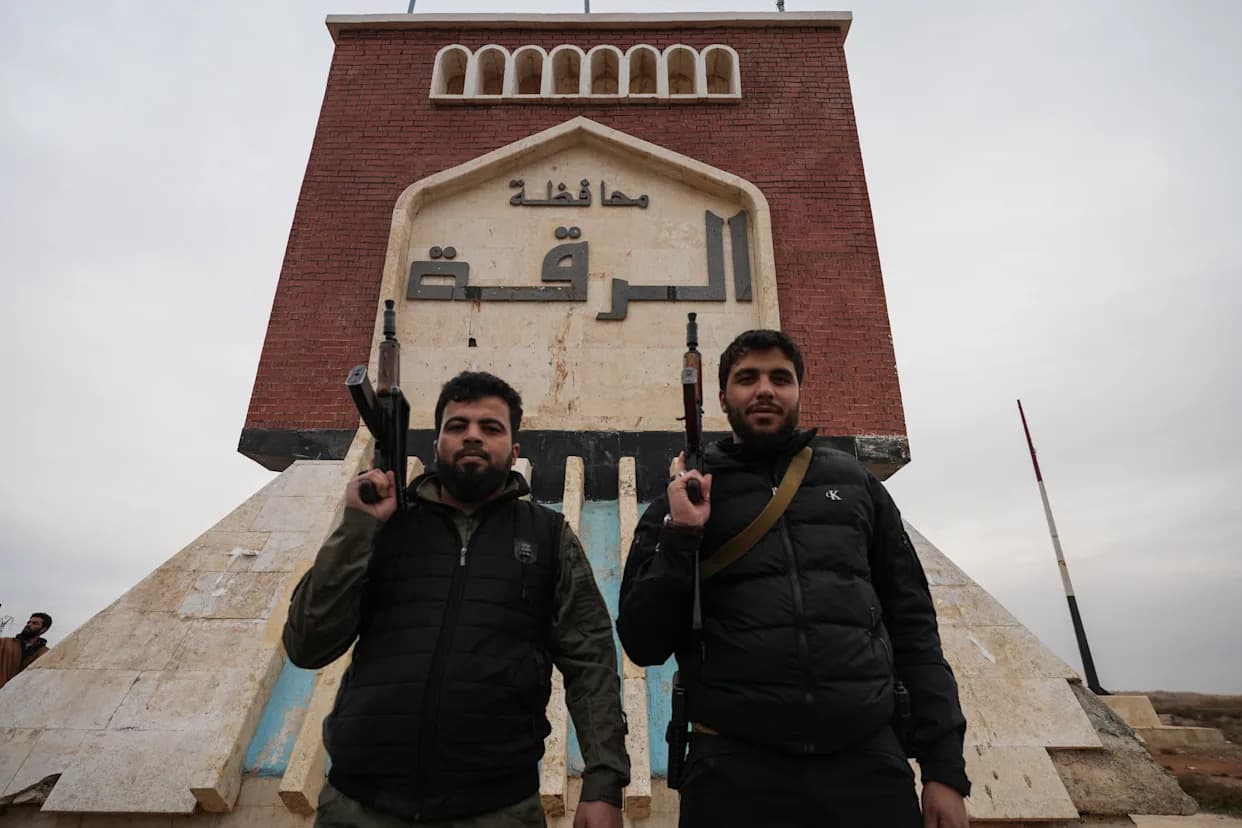
Rami Abdel Rahman, head of the Syrian Observatory for Human Rights, told AFP that the Syrian Democratic Forces (SDF) withdrew 'from all areas under its control in the eastern Deir Ezzor countryside, including the Al-Omar and Tanak oil fields.' Al-Omar is Syria's largest oil field and previously hosted the United States' largest base in the country. The reported pullback followed government claims that it had retaken other oil fields, including Safyan and Al-Tharwa in Raqa province.
Frontline Shifts And Political Context
The advance by government troops followed a presidential decree by Ahmed al-Sharaa that granted official recognition to Kurdish authorities, a move described by officials as a goodwill gesture as Damascus seeks to reassert control after the 2024 ouster of longtime ruler Bashar al-Assad. Kurdish administrators, however, said the decree fell short and that efforts to integrate Kurdish forces into state structures have stalled for months.
Clashes, Accusations And Civilian Impact
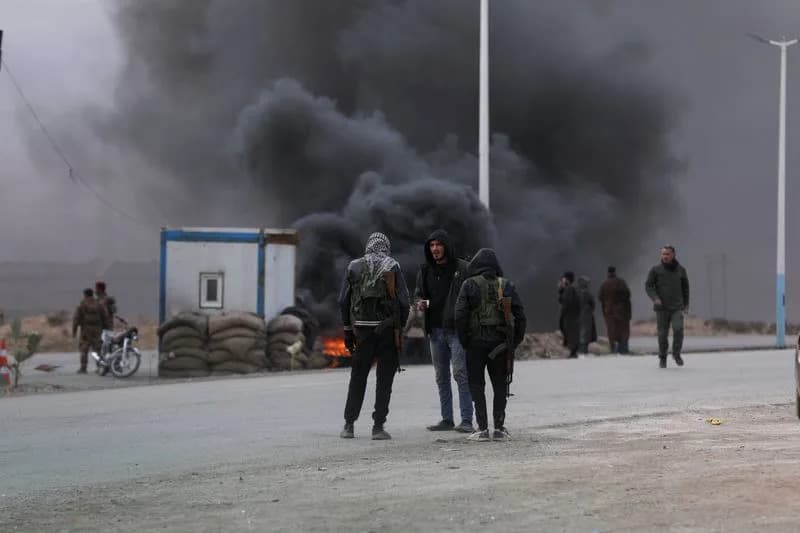
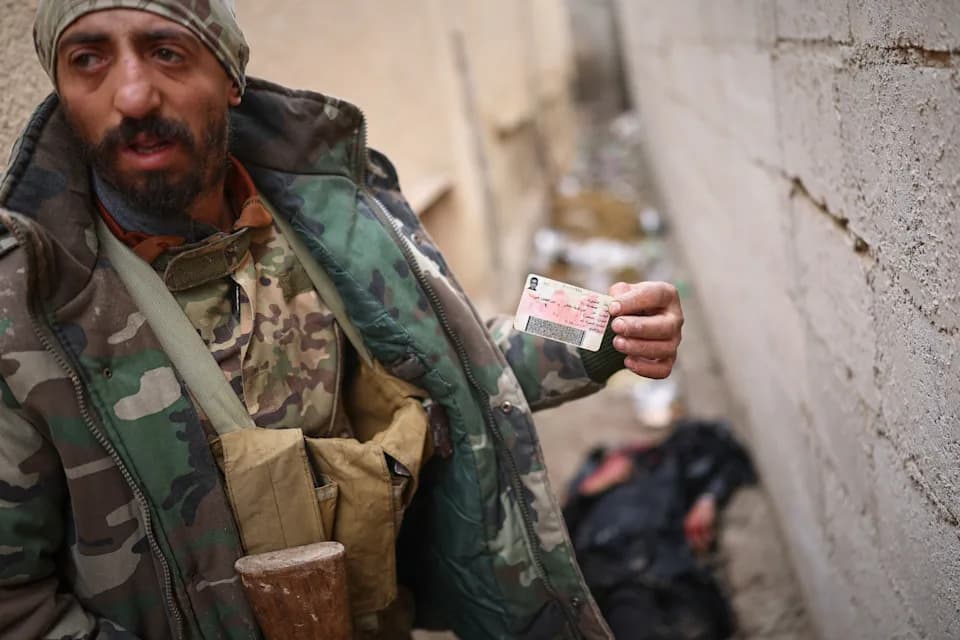
Clashes erupted after an agreement for Kurdish withdrawals east of the Euphrates broke down. Both sides blamed the other for violating the deal: Kurdish officials accused government forces of attacking on multiple fronts, while the army said the SDF failed to complete its withdrawal. Local officials reported casualties, intermittent exchanges of gunfire and rocket fire between the two sides.
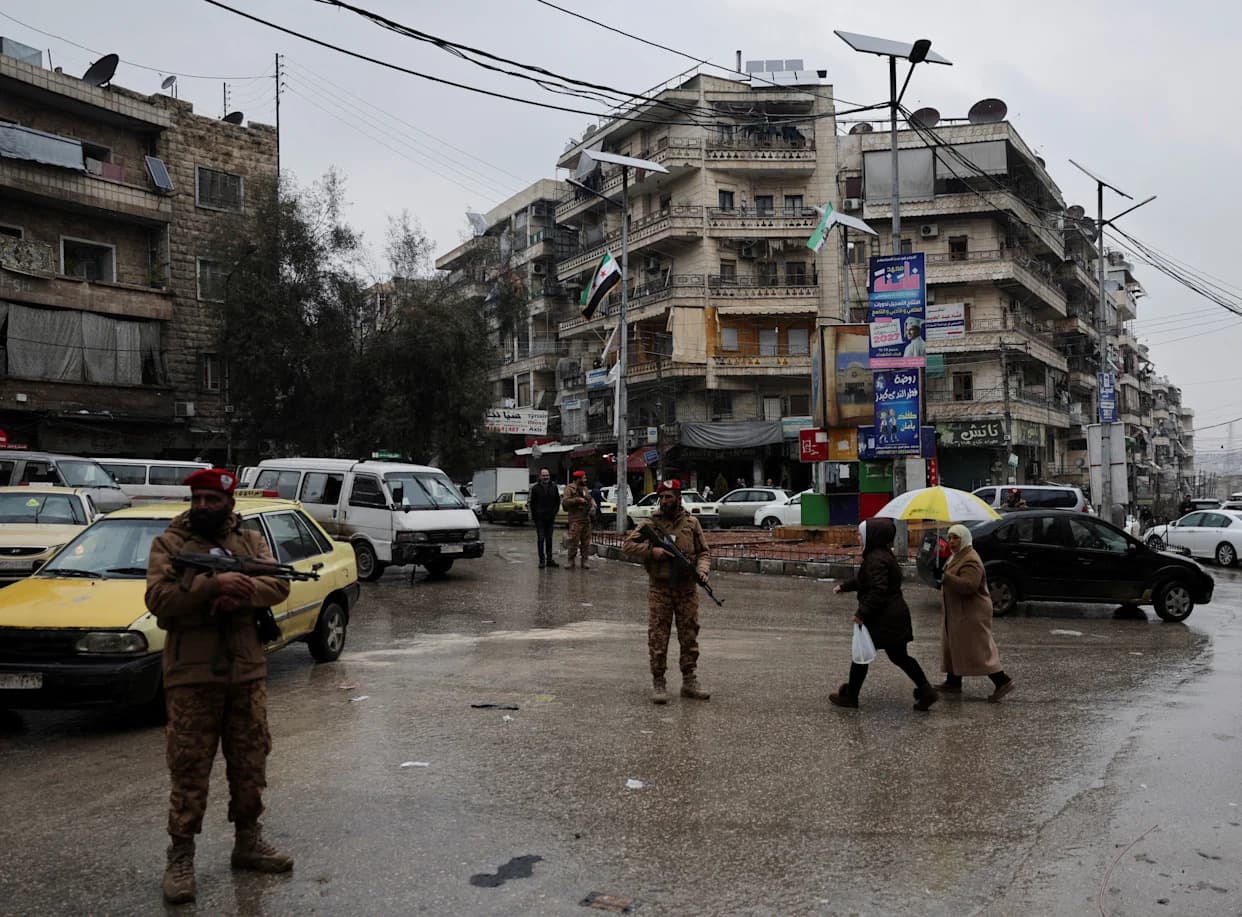
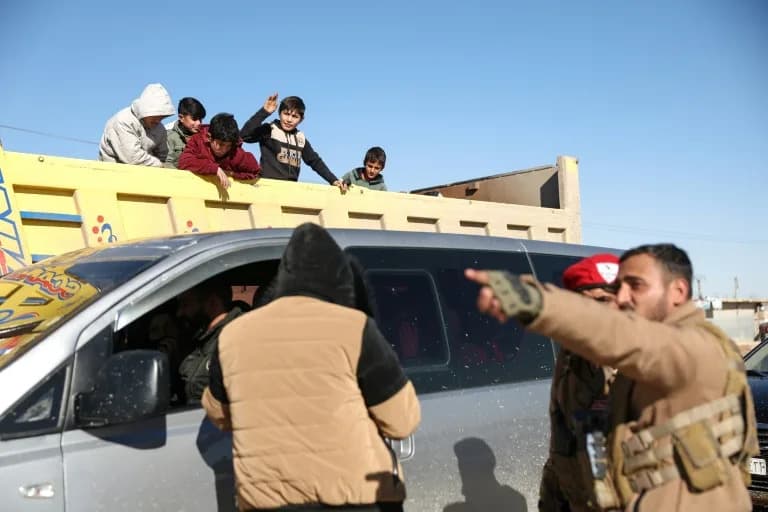
Authorities in Deir Ezzor announced that public institutions and official departments would be closed and urged residents to stay home. In Tabqa, AFP reporters saw government armoured vehicles and tanks and security patrols; shops were shut and some residents lit fires outside their homes to keep warm.
International Responses
International actors urged calm. US Central Command called on government forces 'to cease any offensive actions' between Aleppo and Tabqa, and US envoy Tom Barrack met Kurdish leader Mazloum Abdi in Erbil. French President Emmanuel Macron and Iraqi Kurdistan President Nechirvan Barzani called for de-escalation and a ceasefire. Turkey, which regards Syrian Kurdish fighters as linked to the PKK, praised Damascus's operation. A delegation visiting imprisoned PKK leader Abdullah Ocalan said he viewed the developments as a challenge to the Turkish peace process.
On The Ground And Outlook
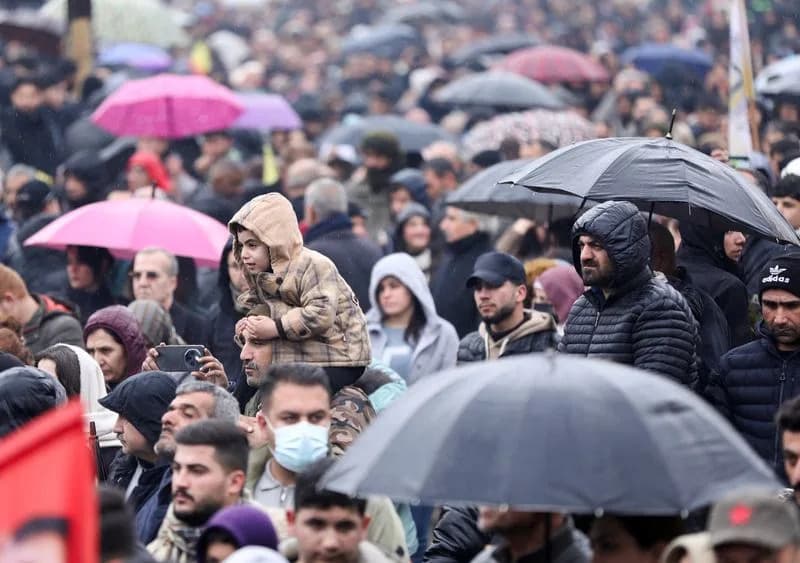
Kurdish authorities imposed curfews in parts of Raqa, and demonstrations were called in cities including Qamishli, the main Kurdish city in the northeast. Analysts caution that the situation remains fluid: while Damascus claims territorial gains in Arab-majority areas that the Kurds had held after the fight against Islamic State, the long-term outcome depends on whether negotiations to integrate Kurdish forces resume and whether outside powers can push both sides toward a sustained ceasefire.
'People are afraid, but we hope that things will improve over the coming few days,' a Tabqa resident, Ahmad Hussein, told AFP. 'We have suffered a lot, and I hope that the situation will improve with the arrival of the Syrian army.'
Help us improve.