Overview: The advance of government-aligned forces into northeastern Syria and the withdrawal of Kurdish-led guards have raised alarms about thousands of suspected ISIS members and relatives held in regional camps and prisons. Reports say around 120 detainees fled al-Shaddadi prison and that the SDF withdrew from the vast al-Hol camp, which the UN estimates holds more than 30,000 people. International repatriation remains limited, rights groups warn of dire conditions, and the US has signaled it will not maintain a long-term presence in the area.
ISIS Prisoners in Syria Back on the Radar After Shift in Control of Kurdish-Held Areas
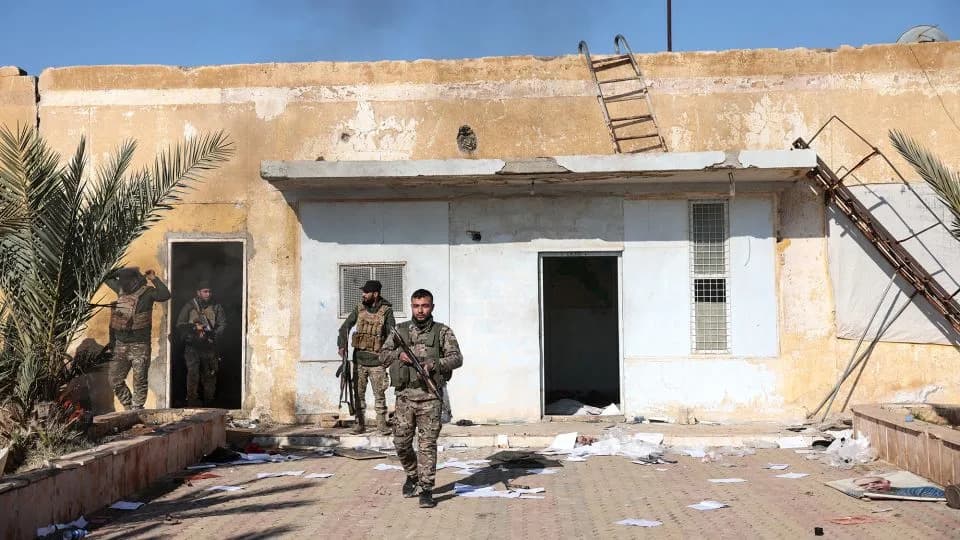
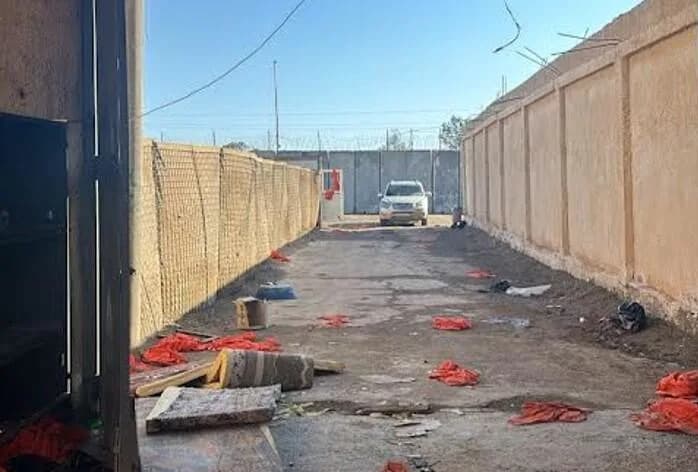
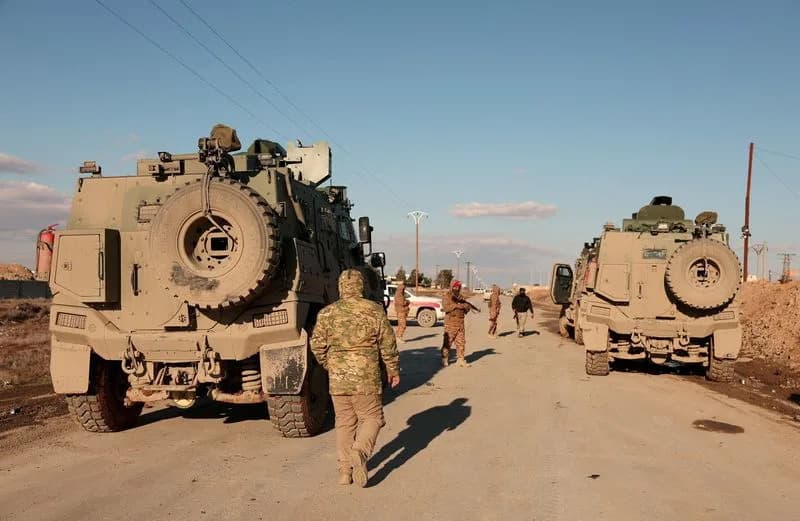
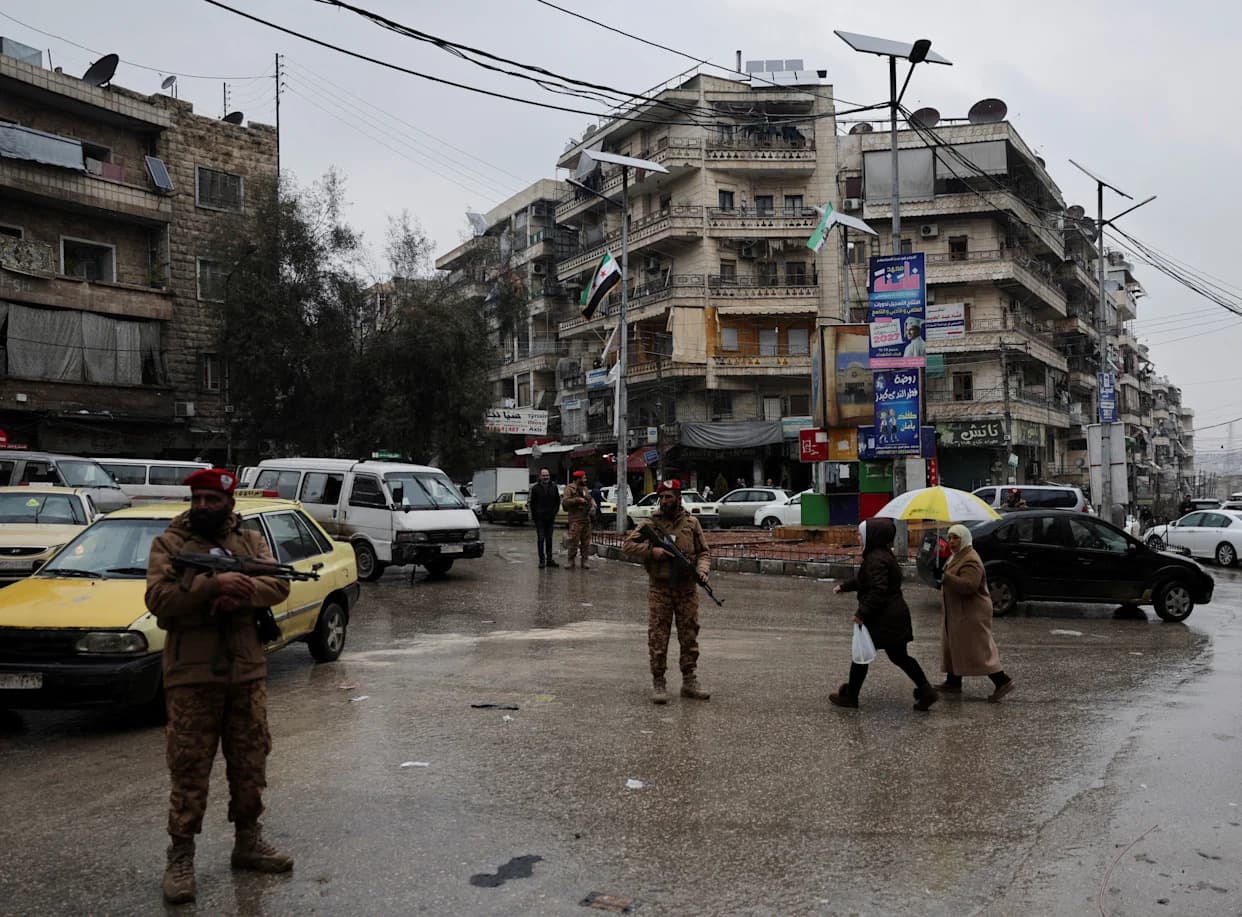
Syrian government forces guard al-Shaddadi prison after taking control of the facility south of the city of Hasakah on Tuesday. - Omar Haj Kadour/AFP/Getty Images
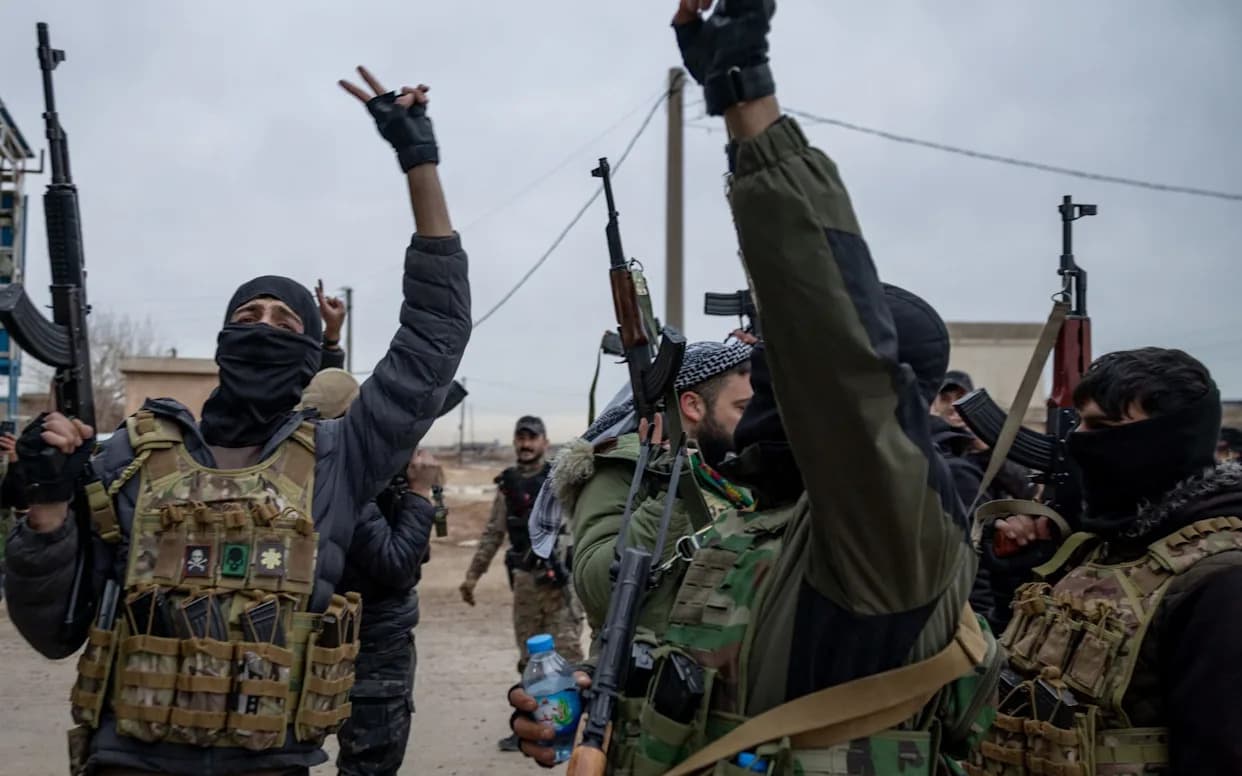
The reported seizure of large swaths of northeastern Syria by government-aligned forces and the subsequent withdrawal of Kurdish-led guards have renewed global concern about the fate of thousands of Islamic State (ISIS) detainees and their families held in camps and prisons across the region.
What Happened
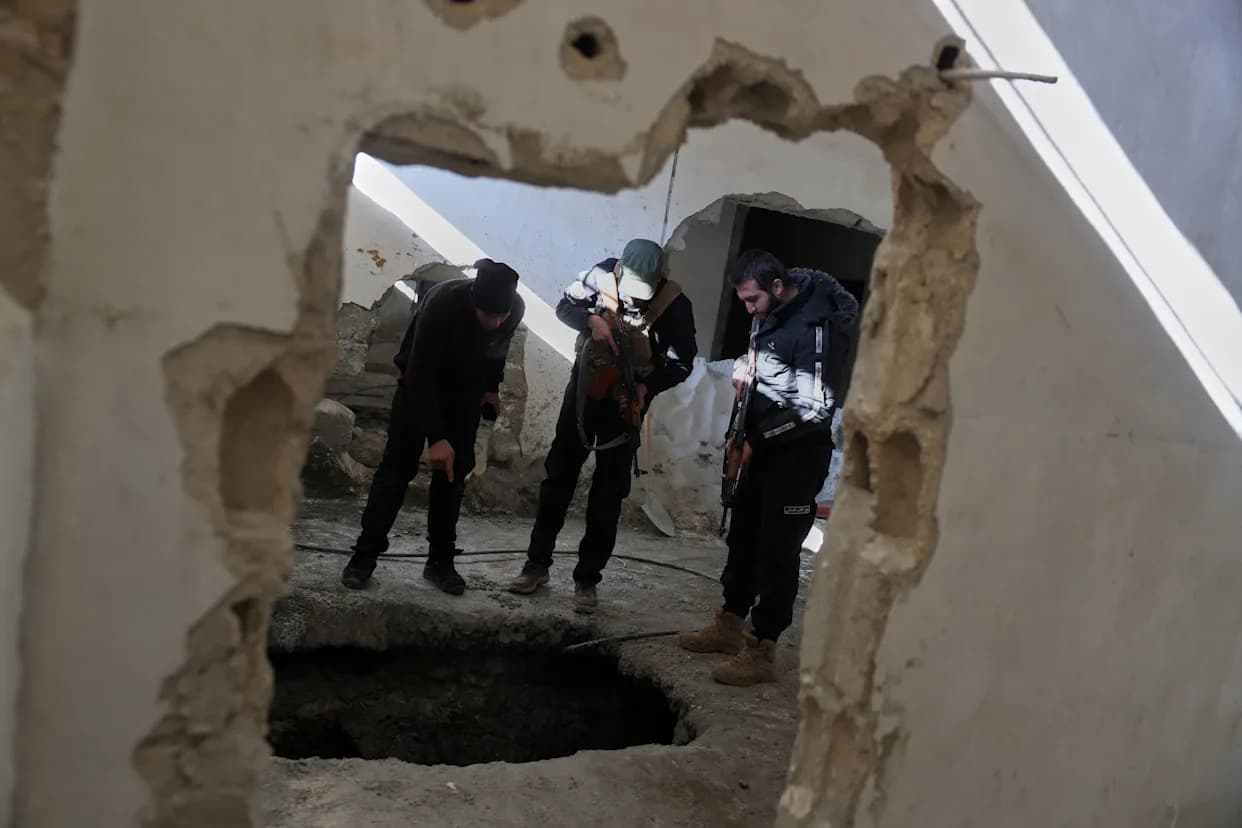
Reports say government forces moved into territory long held by the predominantly Kurdish Syrian Democratic Forces (SDF). Amid that advance, Syria’s Interior Ministry reported that roughly 120 detainees escaped from al-Shaddadi prison; by the following day the ministry said 81 had been recaptured and that efforts to locate remaining escapees were ongoing. Independent verification of the exact numbers and the circumstances of the escape remains limited.
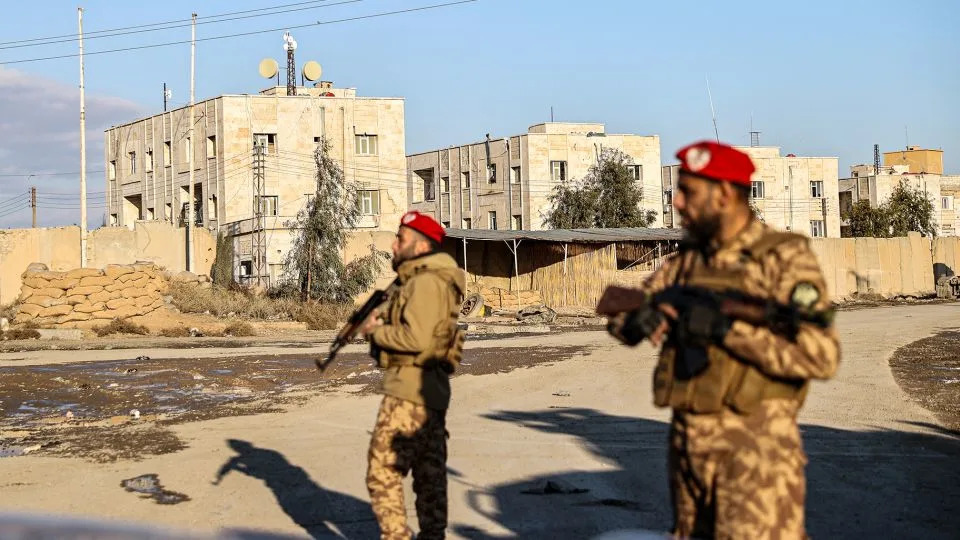
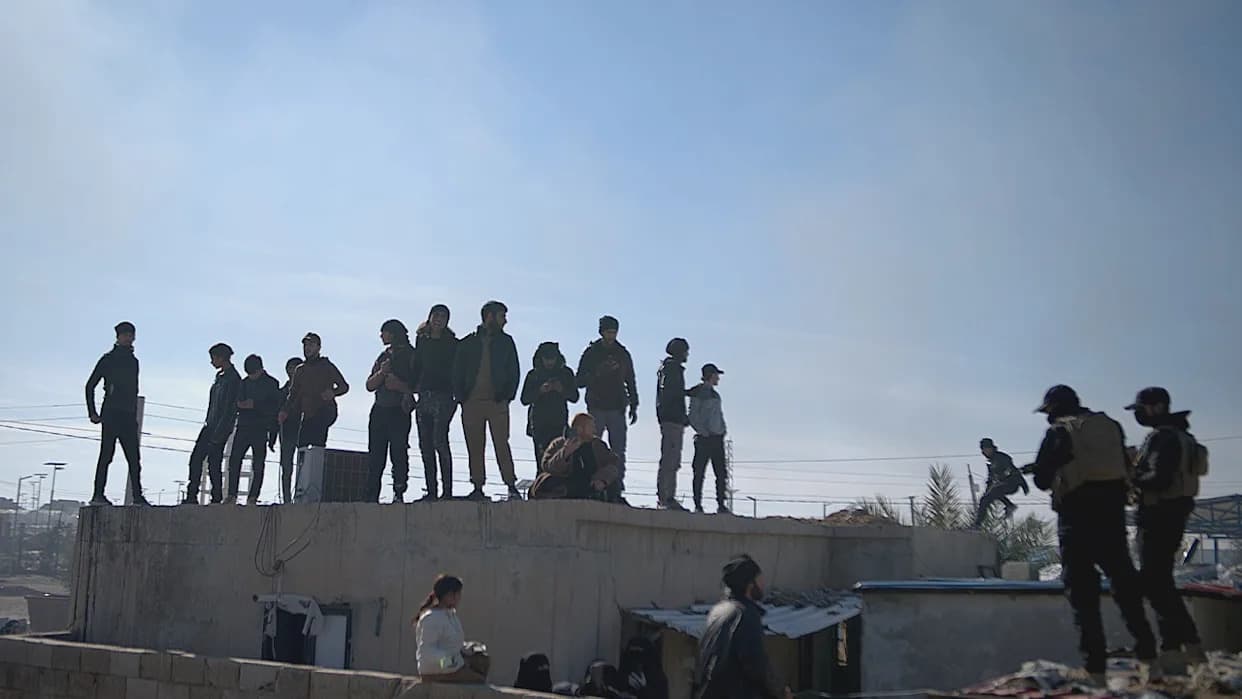
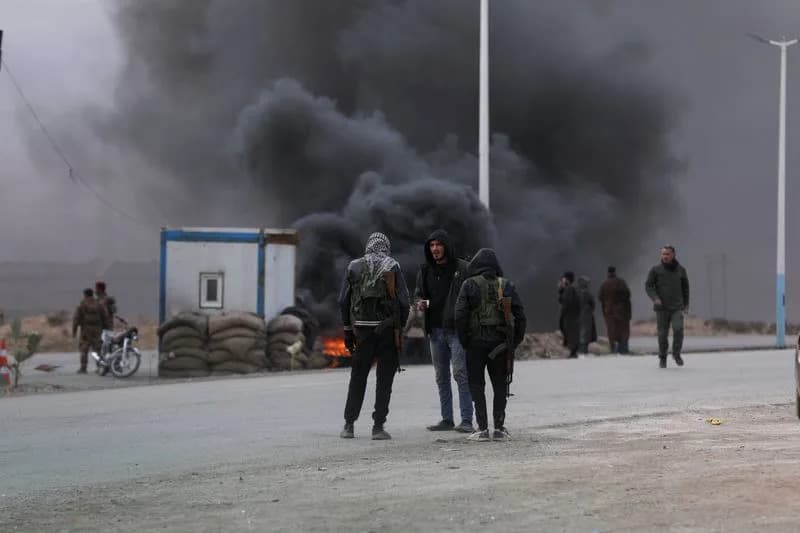
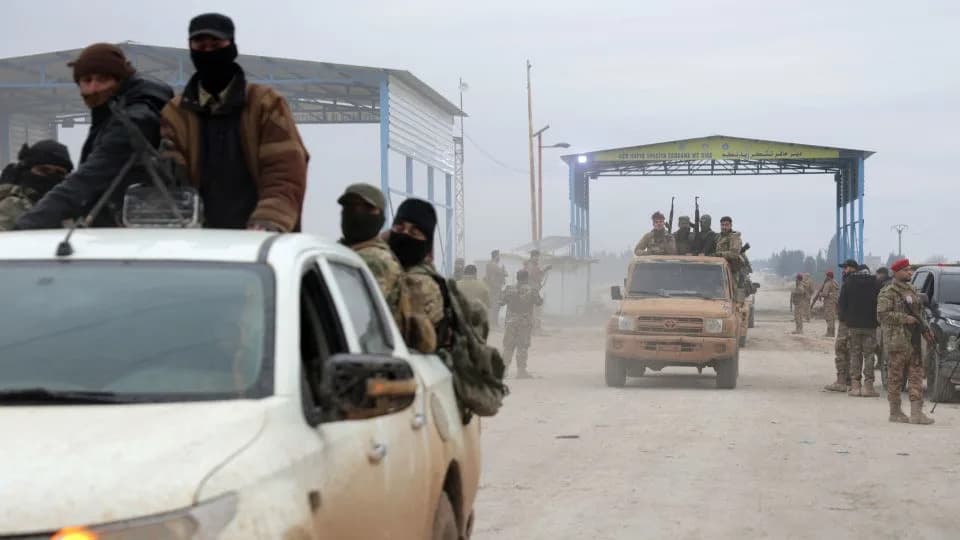
Clashes broke out between the Syrian army and a Kurdish militia affiliated with the Syrian Democratic Forces in Syria's Raqqa province. - Izz Aldien Alqasem/Anadolu/Getty Images
Detention Sites and Who’s Held There
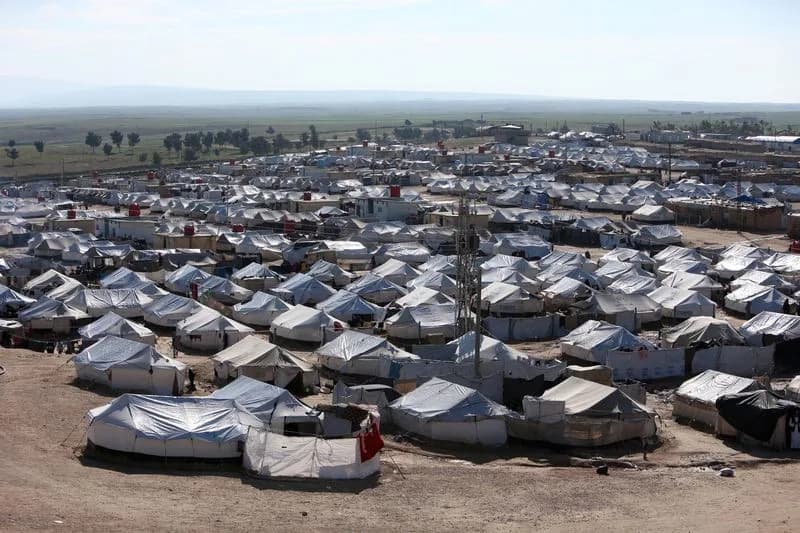
Prisons and camps in northeastern Syria, guarded for years by the SDF with support from the U.S.-led coalition, hold tens of thousands of people: suspected ISIS fighters, family members and other detainees from dozens of countries. The United Nations estimates al-Hol camp alone houses more than 30,000 people, while Amnesty International reported in 2019 that over 56,000 people were held across numerous detention sites and camps.
Claims, Counterclaims and Accountability
The SDF and the Syrian government have traded accusations about responsibility for the escapes and the broader security vacuum. The SDF has accused coalition partners of failing to provide requested assistance as government-allied forces advanced; Damascus says the SDF abandoned camps such as al-Hol and has indicated readiness to assume control. Both sides’ statements should be read alongside independent reporting because aspects of the timeline and certain names cited in early reports have not been fully verified.
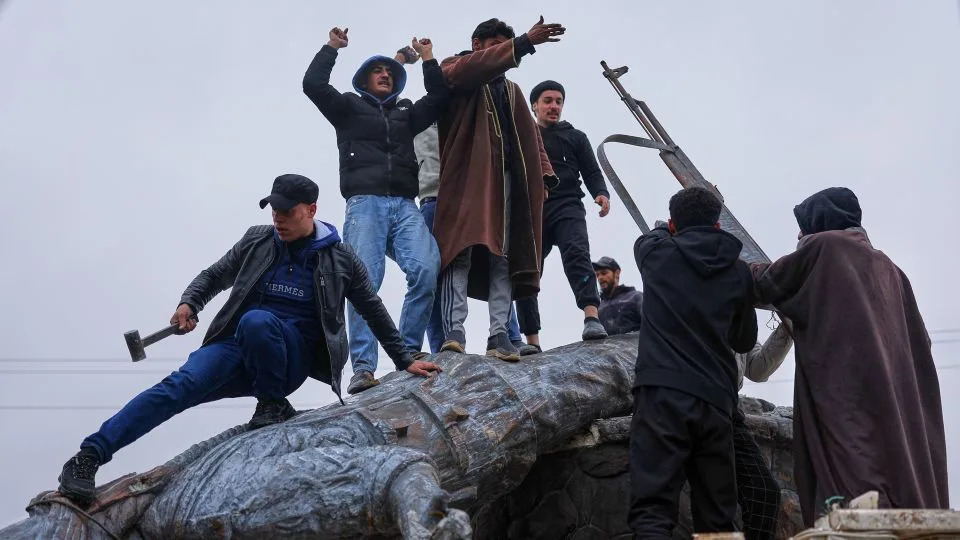
Residents topple a statue of a female Kurdish fighter after Syrian government forces captured the town of Tabqa from the Syrian Democratic Forces, in eastern Syria, on Sunday. - Ghaith Alsayed/AP
International Response and Repatriation
Many countries have been reluctant to repatriate suspected fighters and their relatives; a small number have taken back limited groups (often children and some mothers), while others have revoked citizenship or declined returns. The United States, which has funded camp operations and partnered with the SDF in the counter-ISIS campaign, has signaled it will not maintain a long-term military presence in northeastern Syria and has urged countries to assume responsibility for their nationals.
Humanitarian and Security Concerns
Rights groups warn that detention and camp conditions pose acute humanitarian and legal challenges, and UN and NGO officials have repeatedly urged secure management and clearer legal pathways for detainees. The potential for escapes or mass movement of camp populations raises both security and humanitarian risks that the international community has so far struggled to resolve.
Why This Matters
Who controls detention facilities affects both regional stability and global security: unchecked detainee releases could enable militant networks to regroup, while inadequate protections and legal limbo compound human suffering and complicate repatriation and prosecution for foreign nationals. The situation remains fluid; officials and international agencies continue to monitor developments and call for coordinated action.
Note: Some early reports contain claims and names that could not be independently verified at the time of publication. This article emphasizes statements from official sources and established organizations and flags disputed or unconfirmed assertions.
Help us improve.