The US has evacuated dozens of Islamic State detainees from Kurdish-run camps in northeastern Syria to Iraq amid escalating violence, with plans to transfer thousands more. Many detainees are foreign nationals; some British-born fighters face potential prosecution under Iraqi anti-terror laws, which can include the death penalty. Human rights groups warn that refusing repatriation has increased security risks and exposed detainees to possible mistreatment and unfair trials. Officials and NGOs urge transparent legal processes and closer international coordination.
US Transfers ISIS Detainees From Syria To Iraq — British-Born Fighters Could Face Execution
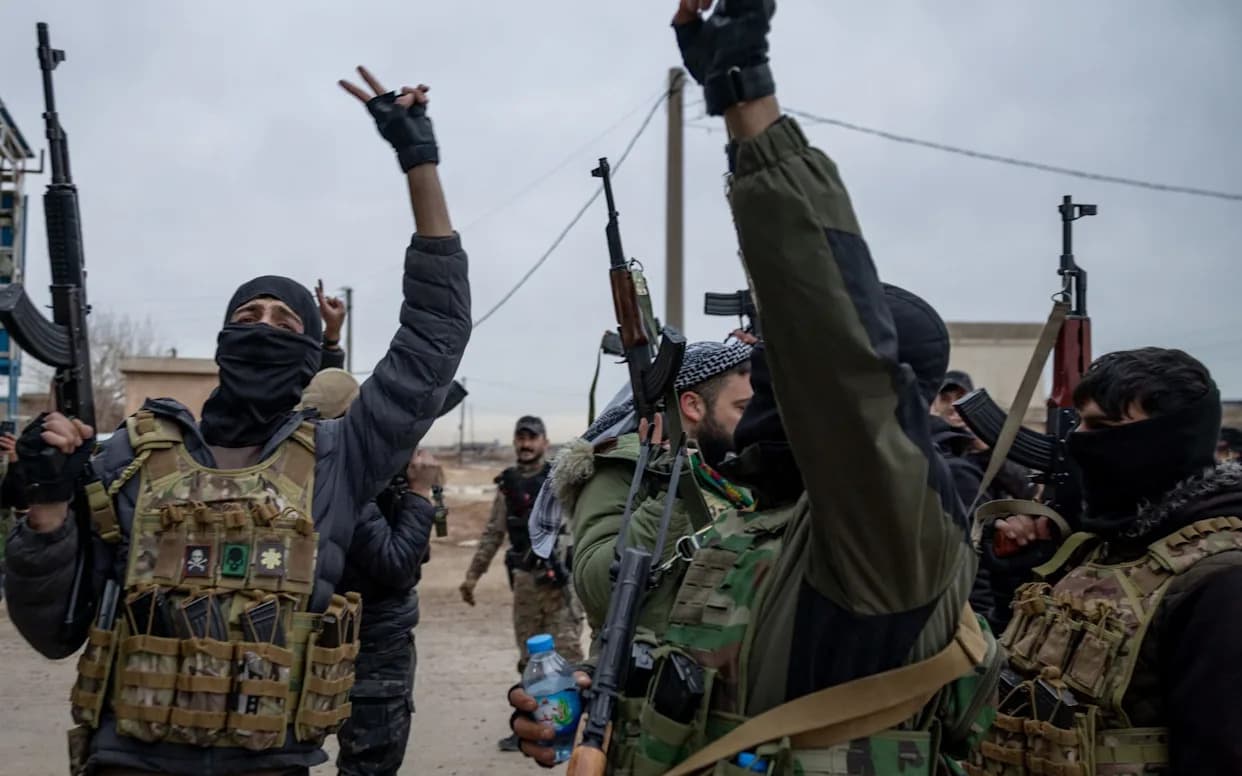
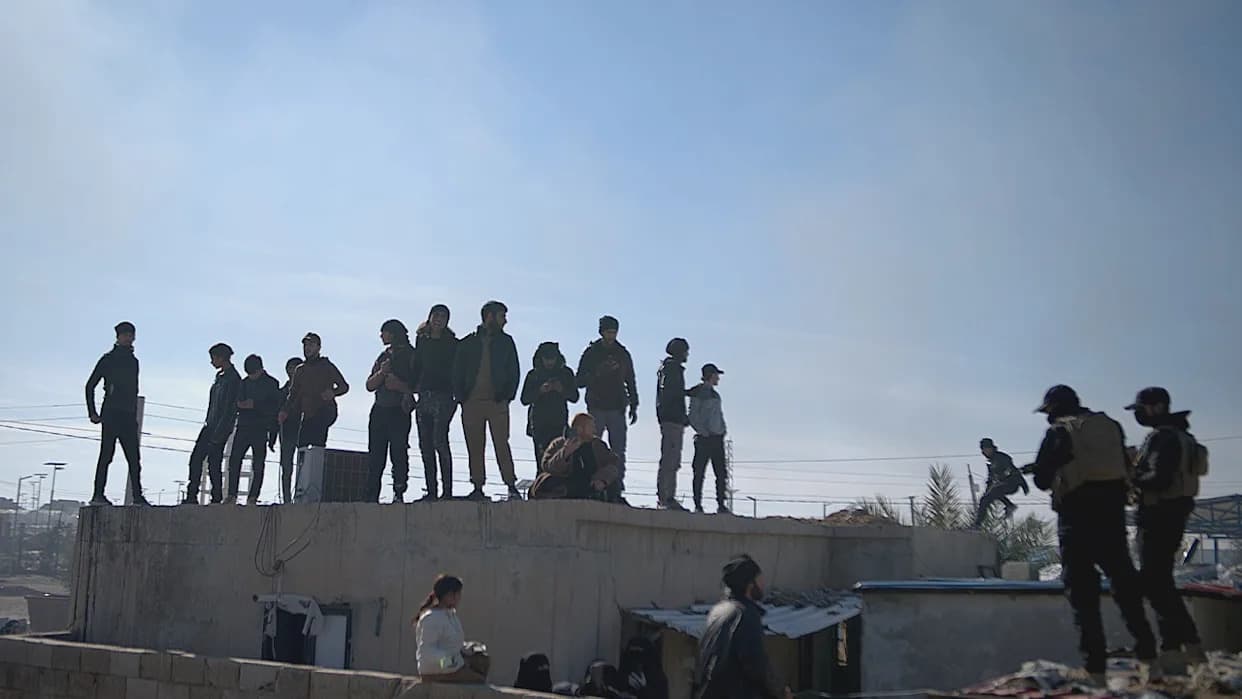
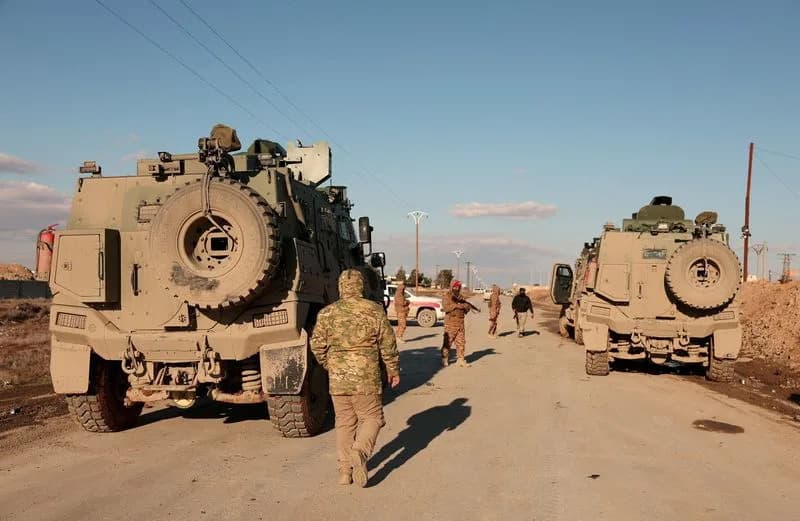
Syrian Democratic Forces gather outside the city of Derik in north-east Syria on Thursday. The Kurdish-led forces’ grip on the region is weakening following incursions by Syrian government forces - Ethan Swope/Getty Images
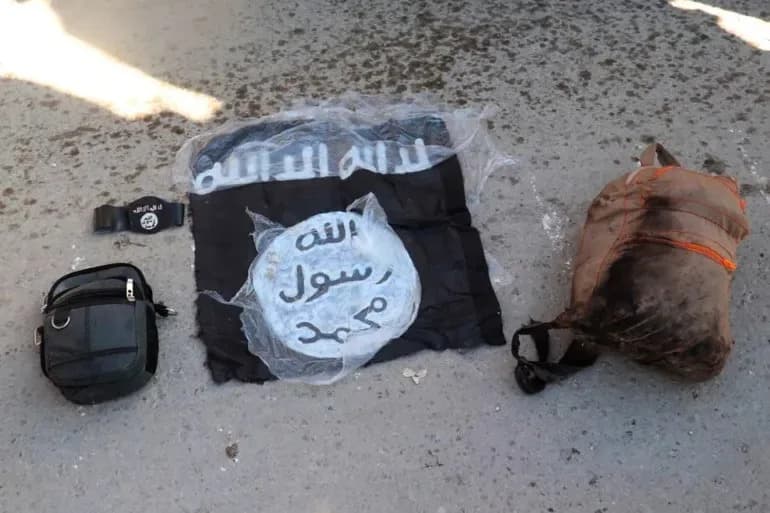
US forces have evacuated Islamic State (IS) detainees from Kurdish-run facilities in northeastern Syria to Iraq, where some prisoners — including a number of British-born militants — may face prosecution and the death penalty under Iraqi anti-terror laws.
Background and transfers
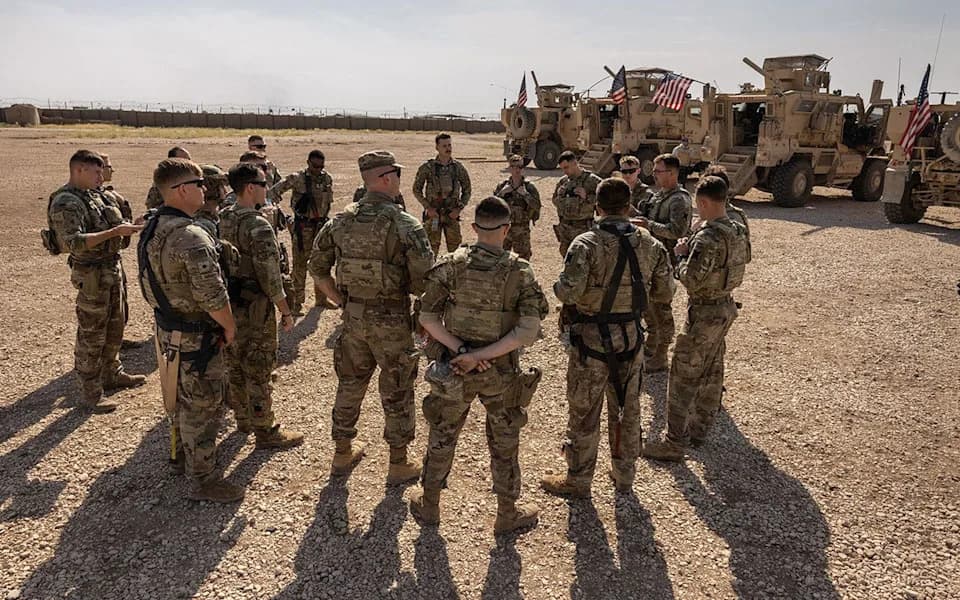
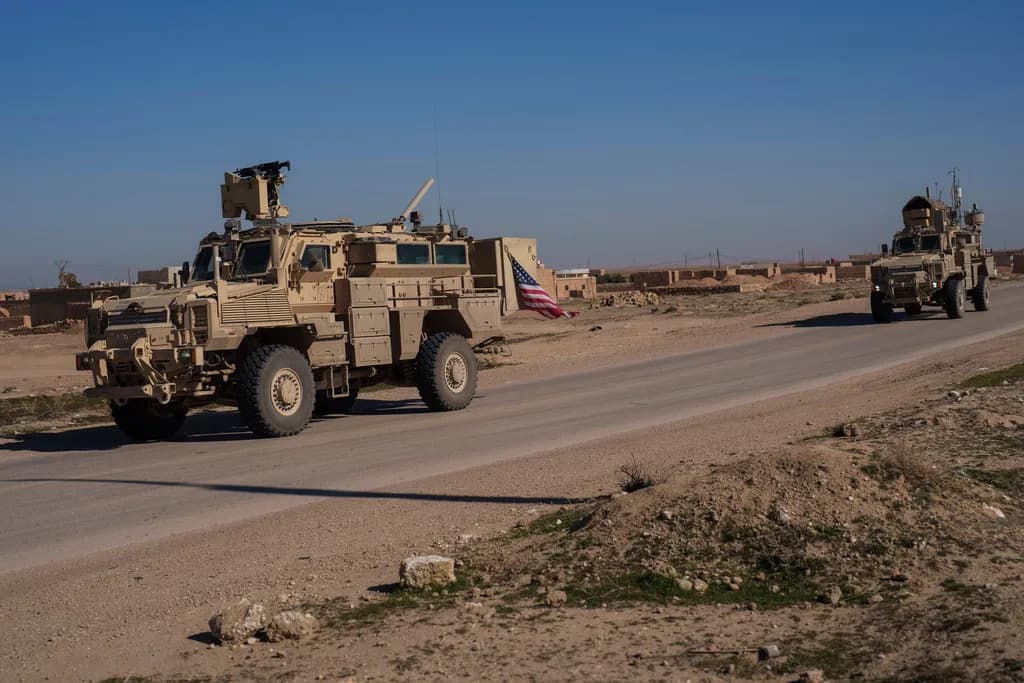
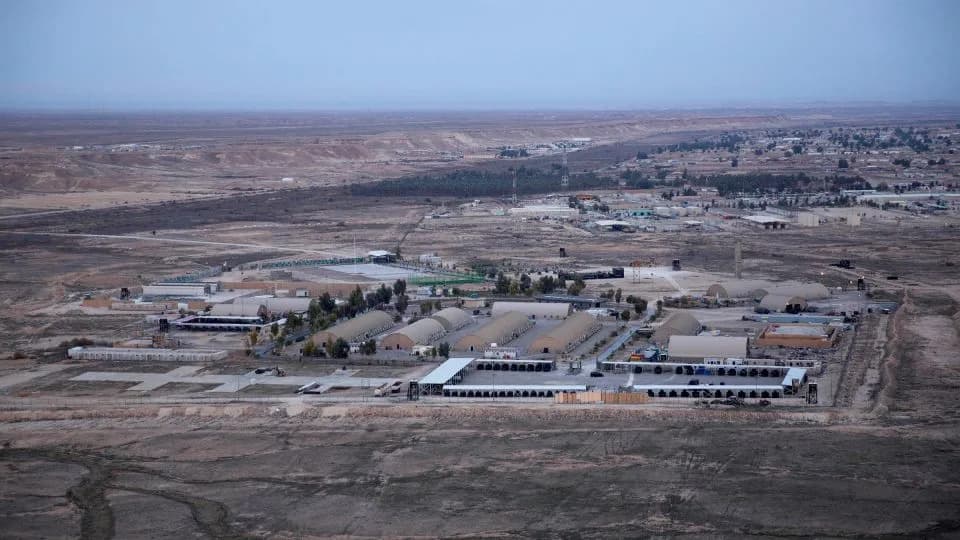
Amid violent clashes that have destabilised detention camps overseen by the Kurdish-led Syrian Democratic Forces (SDF), US military units flew out about 150 of the detainees considered the most dangerous and are reported to be preparing transfers of as many as 7,000 more. In total, roughly 10,000 suspected IS members, including foreign nationals, have been held in improvised jails and camps for years after many countries declined to repatriate them.
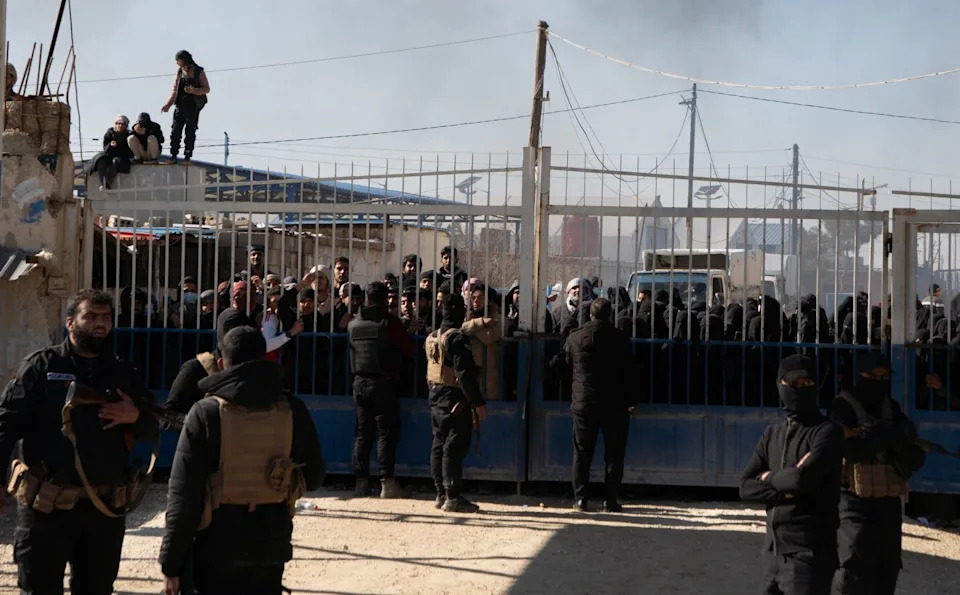
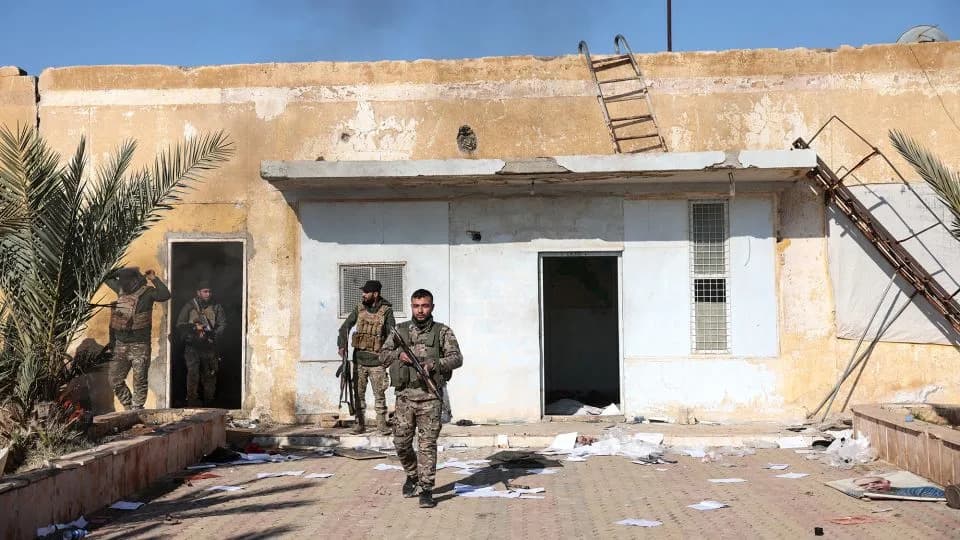
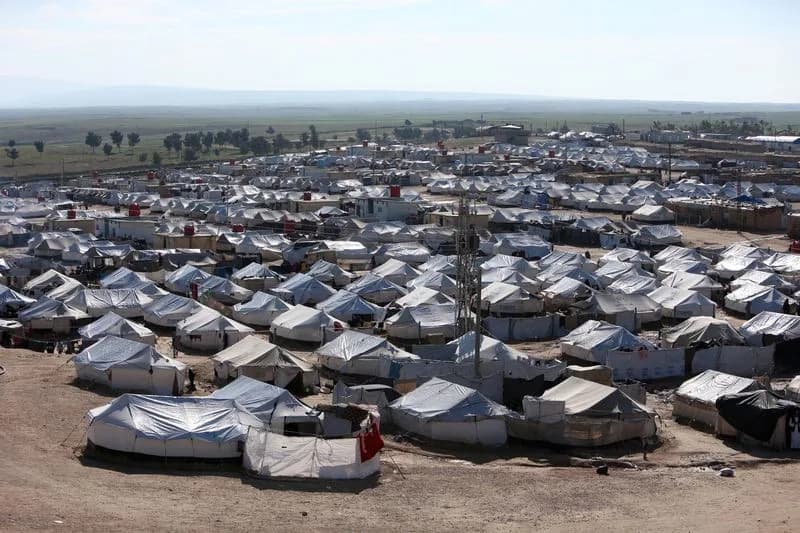
Syrian security forces patrol the al-Hawl camp close to the border with Iraq, having taken control of the site from the SDF - Anagha Subhash Nair/Getty Image
Security risks and recent violence
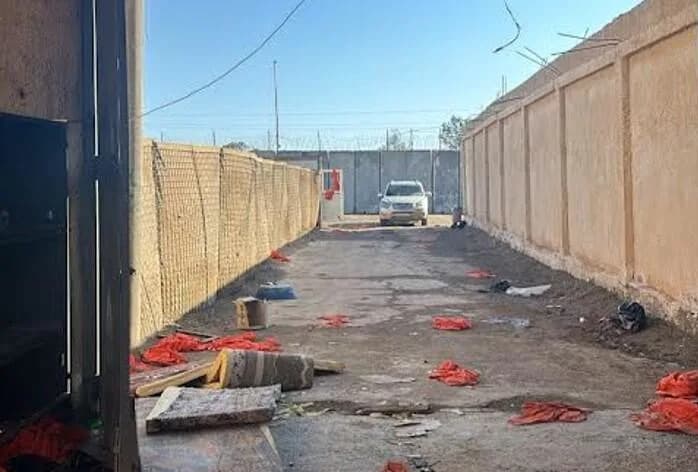
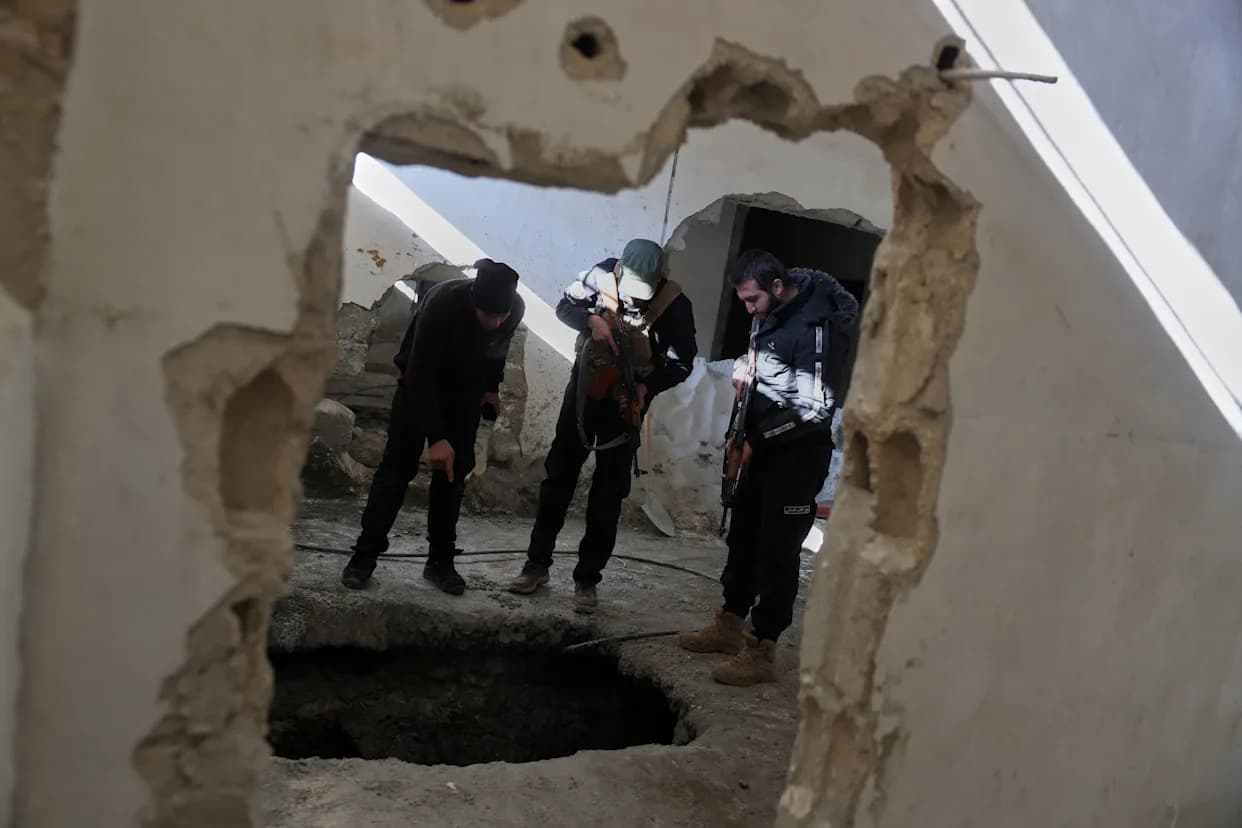
The turmoil follows a Syrian army offensive into areas held by the SDF and reports that the United States is weighing a fuller withdrawal of its roughly 1,000 troops after more than a decade of support for Kurdish forces (Wall Street Journal). The breakdown in order has coincided with jailbreaks and mass escapes from several sites, most notably at the Al-Hol camp where guards say many people fled after fences were torn down.
Legal consequences and concerns
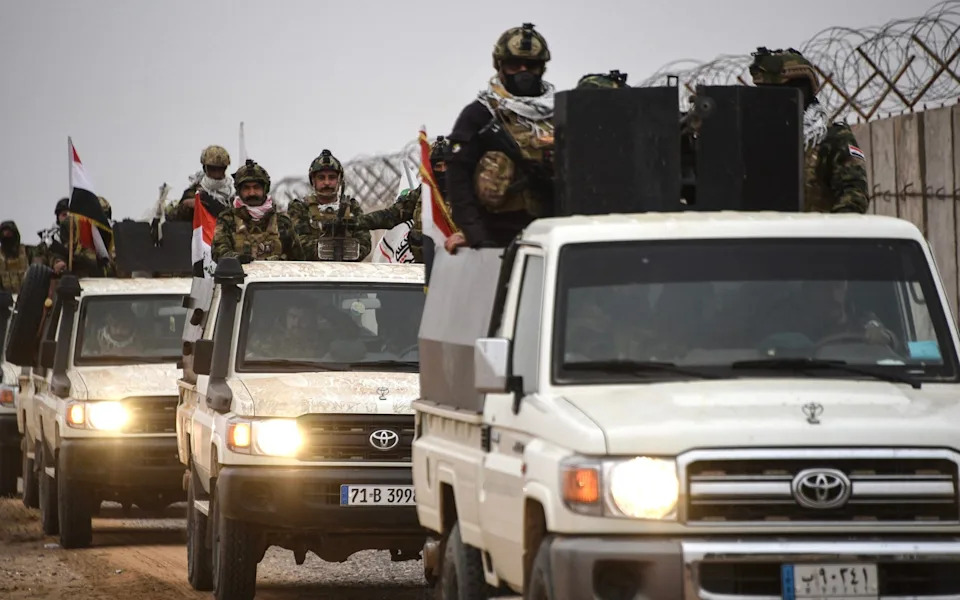
Members of the Popular Mobilization Forces drive along the border with Syria in north-west Iraq on Thursday. Tensions in the region have heightened as Syrian government forces clashed with the SDF - Zaid AL-Obeidi/Getty Images
Iraq enforces strict anti-terrorism laws that include the death penalty for IS-related crimes and has convicted thousands since 2018, issuing hundreds of death sentences. Two Iraqi legal sources told Reuters that foreign nationals transferred from Syria — including British citizens — are expected to be prosecuted under Iraqi jurisdiction.
British nationals and human rights warnings
Human rights group Reprieve says at least 10 British-born men were held in male IS prisons in Syria, most having had UK citizenship revoked. Broader estimates put about 65 British or former British citizens in Syrian camps, roughly half of them children. High-profile cases include Shamima Begum, who left London to join IS over a decade ago and is currently held at the Al-Roj camp in Syria’s far north, which remains under Kurdish control.

Shamima Begum, who left London to join Islamic State, is one of an estimated 65 British or former British citizens in Syrian camps. Her prison, the Al-Roj camp, is still under Kurdish control - Sky UK
"We have no way of knowing how many Brits there are, because they have been held in dark prisons for years," said Katherine Cornett, deputy director of Reprieve (The Telegraph). She warned that transfers to Iraq raise real risks of torture, unfair trials and execution.
Policy debate
Western governments face competing security and legal dilemmas: leaving suspected militants in unstable foreign camps risks escapes and renewed attacks, while repatriation raises political and legal challenges at home. Rights groups and some security experts have argued that bringing nationals home for transparent prosecutions and rehabilitation would reduce long-term security risks.
What to watch next
Key developments to monitor include the scale and pace of further transfers, confirmation of which nationals are being moved, the legal processes used in Iraq, and any further breakdowns of security in Kurdish-held facilities.
Reporting referenced: The Telegraph, Reuters and The Wall Street Journal.
Help us improve.