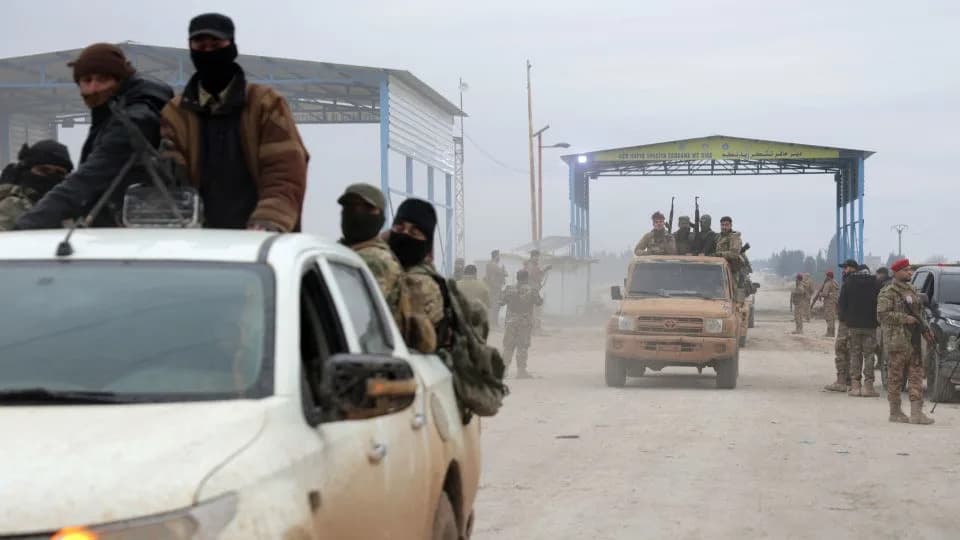
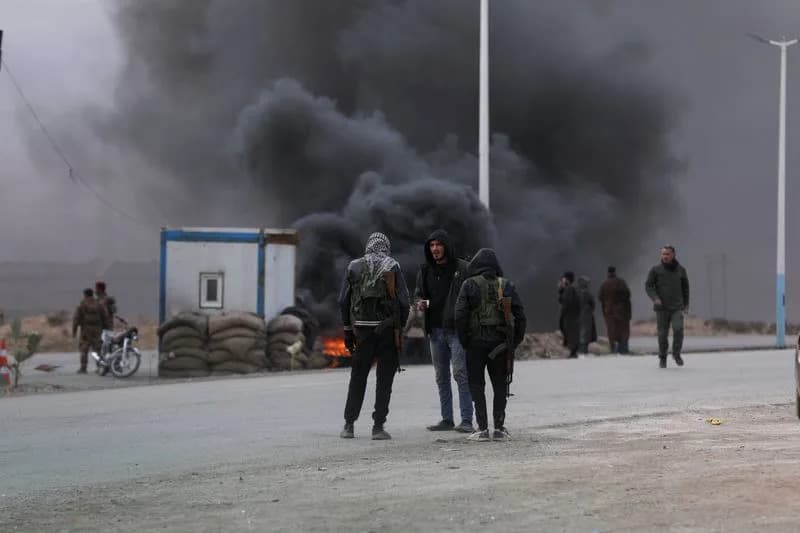
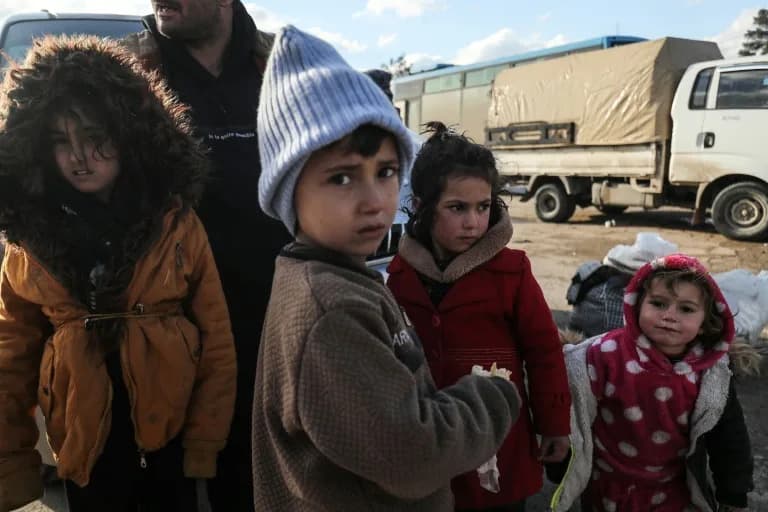
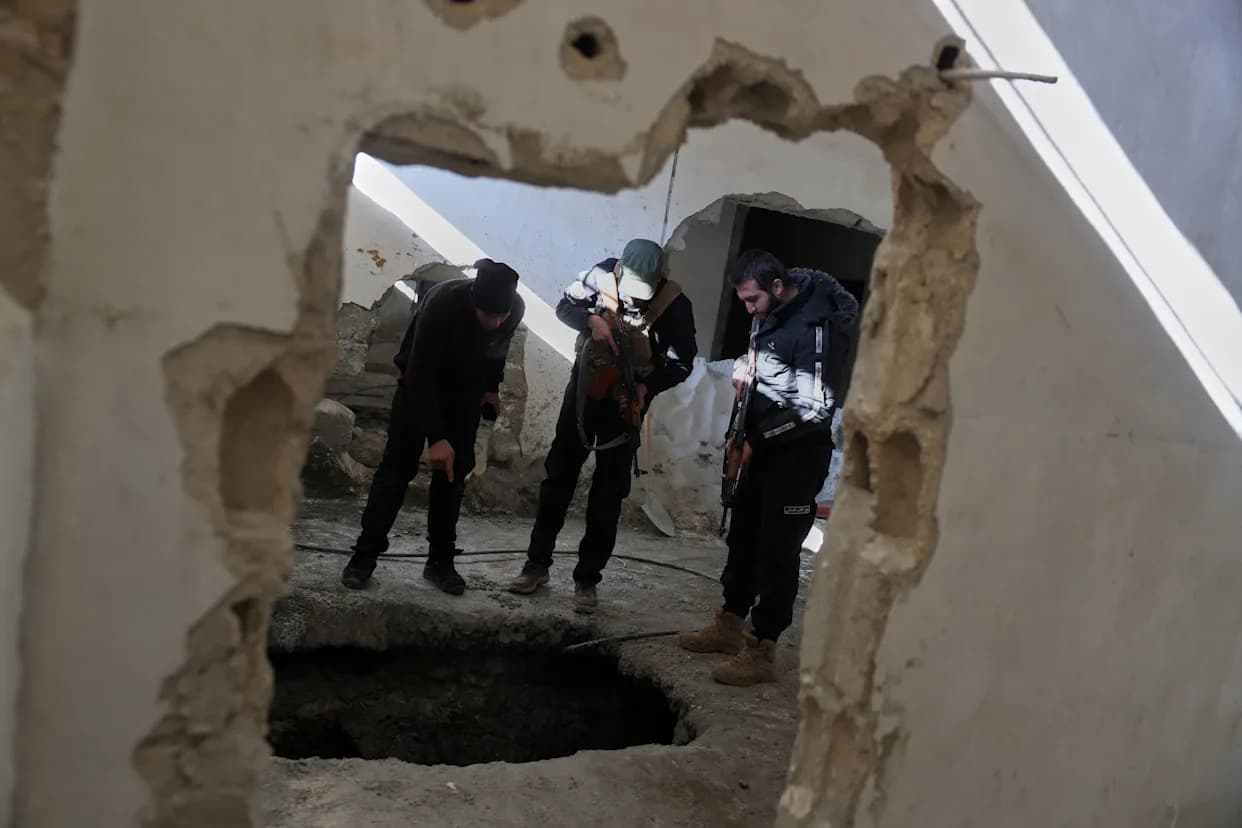
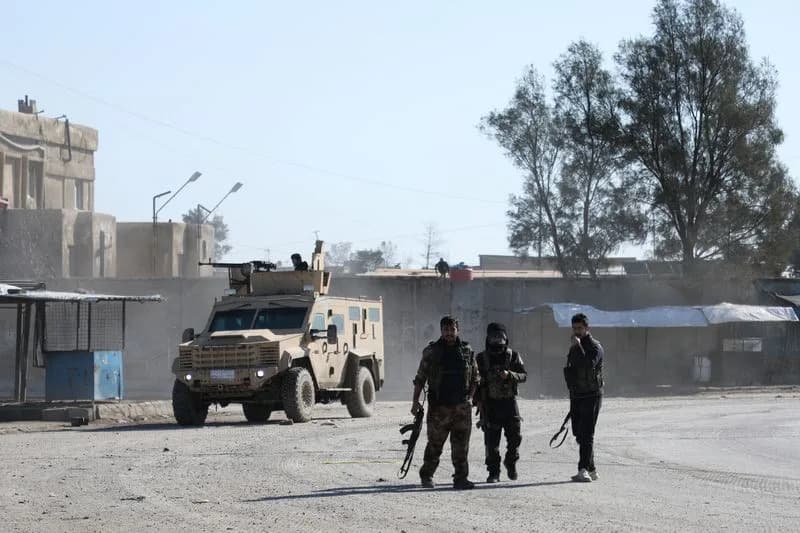
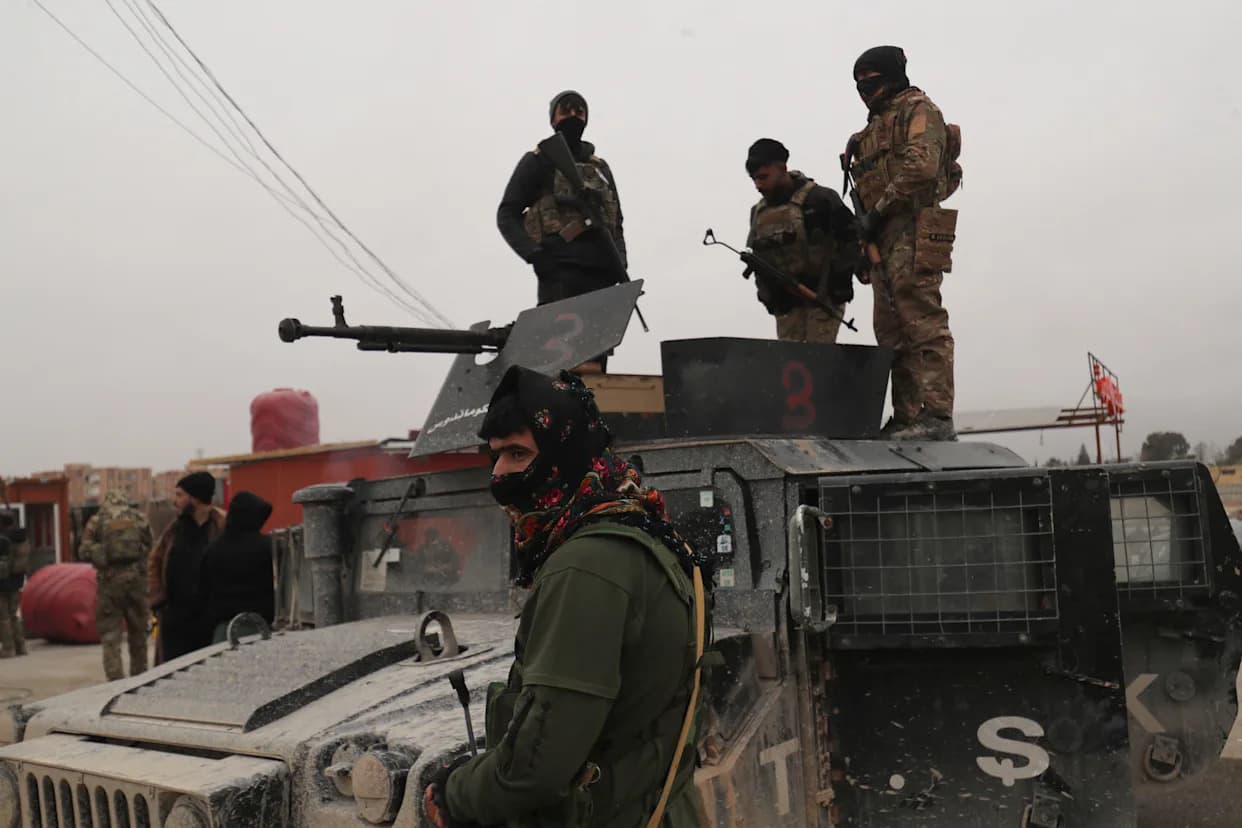
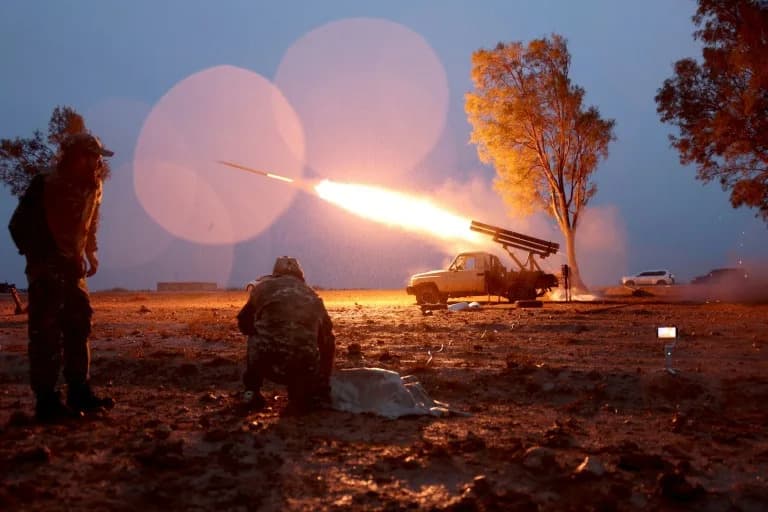
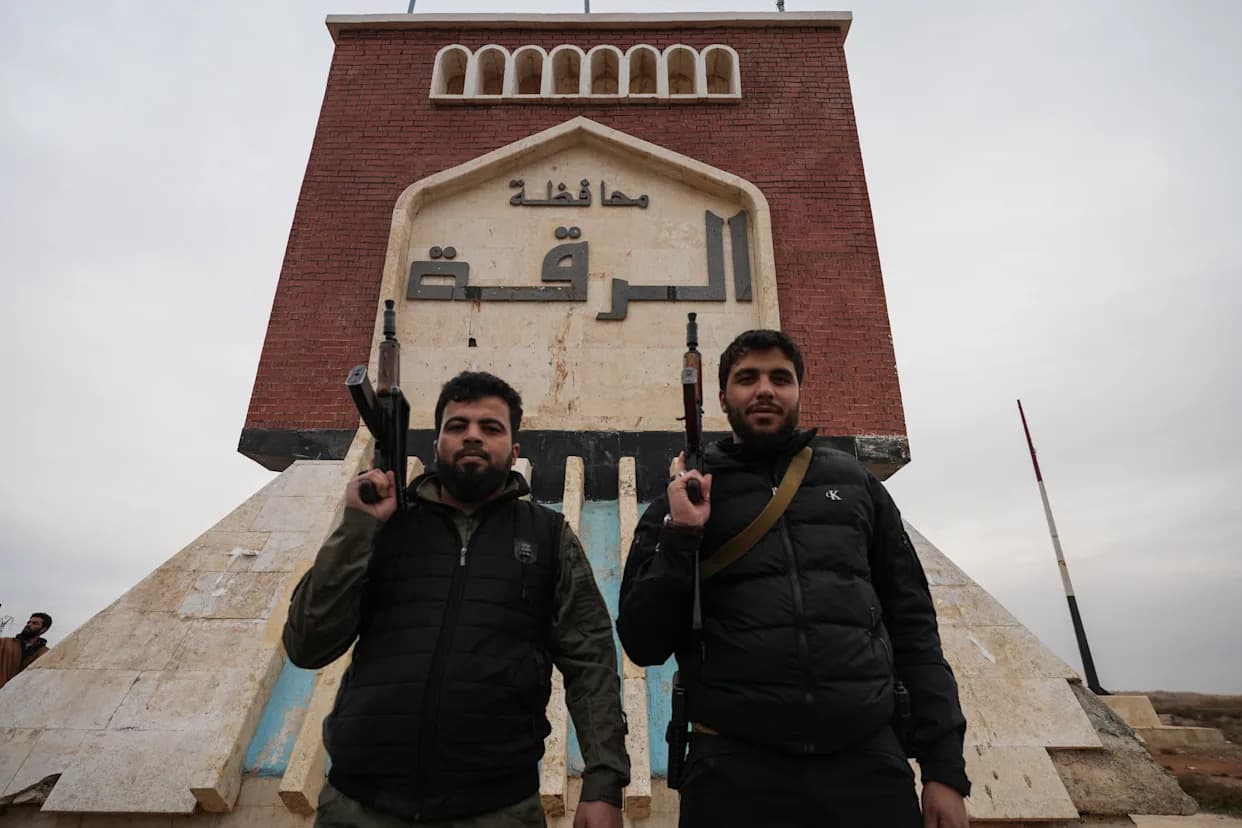
The Syrian government has rapidly retaken large parts of northern and eastern Syria from Kurdish-led forces, reclaiming territory that includes major oilfields, a hydroelectric dam, prisons and civilian camps. A Jan. 20 ceasefire gives the SDF just four days to propose integration plans for remaining enclaves in Hasakah; SDF fighters have withdrawn into predominantly Kurdish areas. U.S. officials signalled a reduced long-term role for U.S. forces while transferring Islamic State detainees to Iraq. The moves raise fresh regional tensions, especially with Turkey, and leave key governance and security questions unresolved.
Damascus Reclaims Large Parts Of North And East Syria As U.S. Policy Shifts
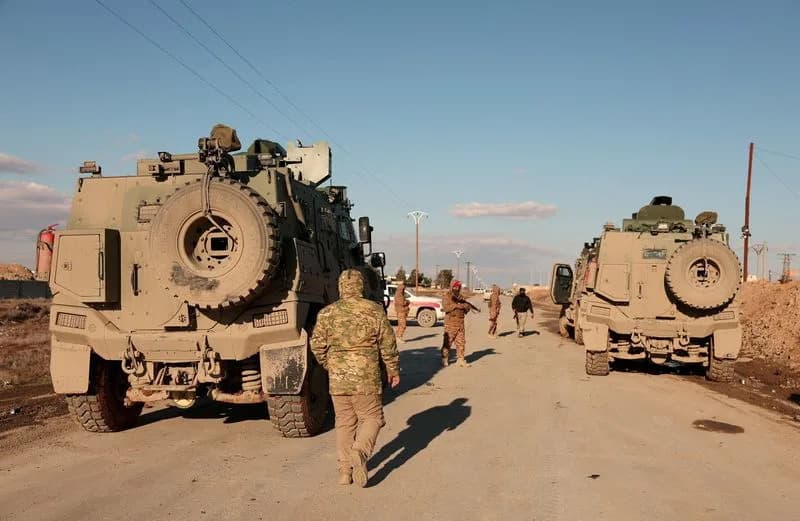
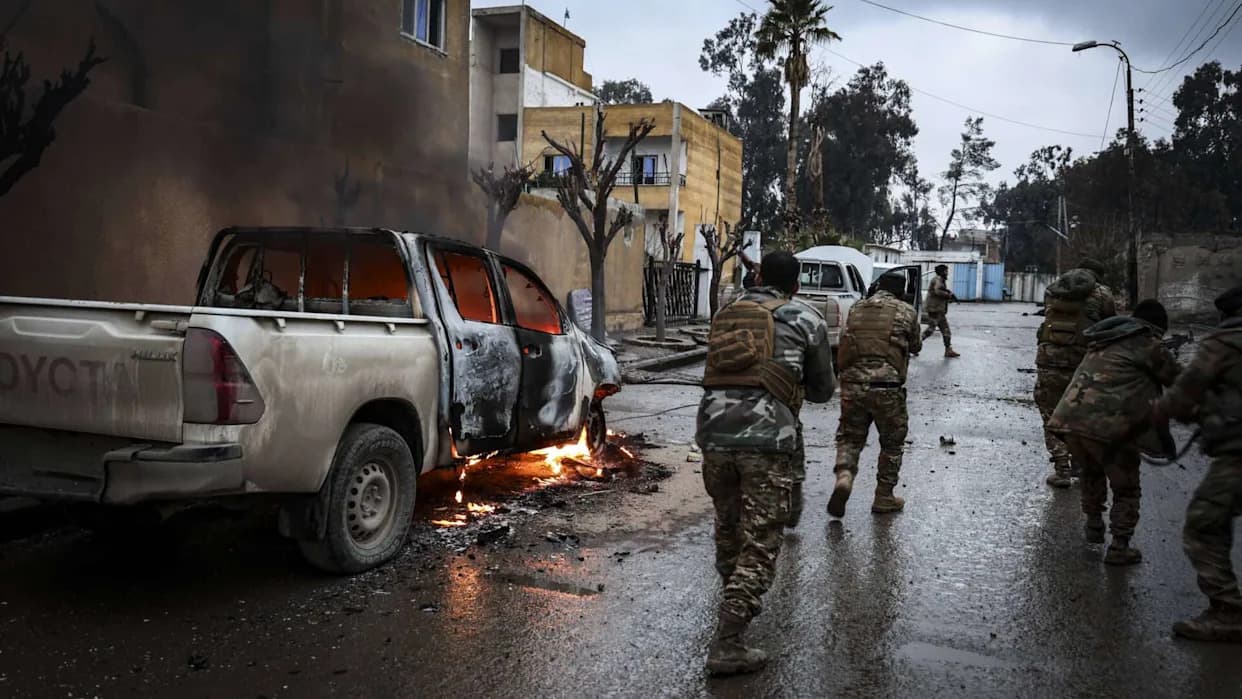
FILE PHOTO: Military members gather near Raqqa prison, where the Syrian army is besieging SDF members after the army took control of the city of Raqqa, Syria January 19, 2026. REUTERS/Mahmoud Hassano/File Photo
Jan 22 (Reuters) - Syrian government forces have rapidly retaken large swaths of northern and eastern Syria from Kurdish-led forces, strengthening President Bashar al-Assad's control and restoring much of the country to central government authority after years of fragmentation during the civil war. The advance, which has focused on strategic oil, water and detention facilities, has intensified attention on a shifting U.S. approach to Syria and raised fresh regional tensions.
What triggered the Syrian army's advance?
Tensions between Damascus and the Kurdish-led Syrian Democratic Forces (SDF) had been rising for months. The central government demanded that the SDF—whose frontline fighters are organised as the Kurdish YPG—integrate into state security forces and that local governing bodies in Kurdish-administered areas be absorbed into national institutions.
The SDF resisted, seeking to preserve a degree of regional autonomy and warning that Damascus, dominated by the central government, intended to assert full control. The standoff turned violent in January when government troops seized Kurdish-administered districts of Aleppo and then pushed east, prompting SDF fighters to withdraw to predominantly Kurdish areas.
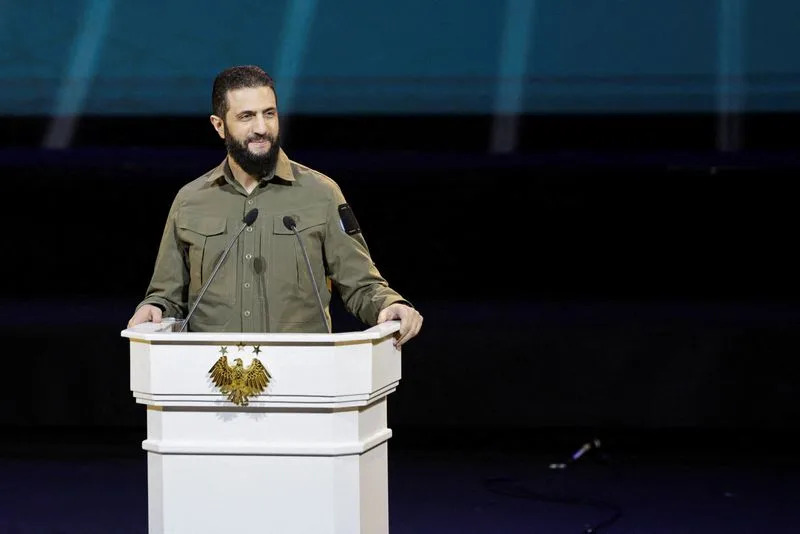
FILE PHOTO: Syria's President Ahmed al-Sharaa delivers a speech on the first anniversary of Bashar al-Assad's fall, in Damascus, Syria December 8, 2025. REUTERS/Khalil Ashawi/File Photo
Where have government forces advanced?
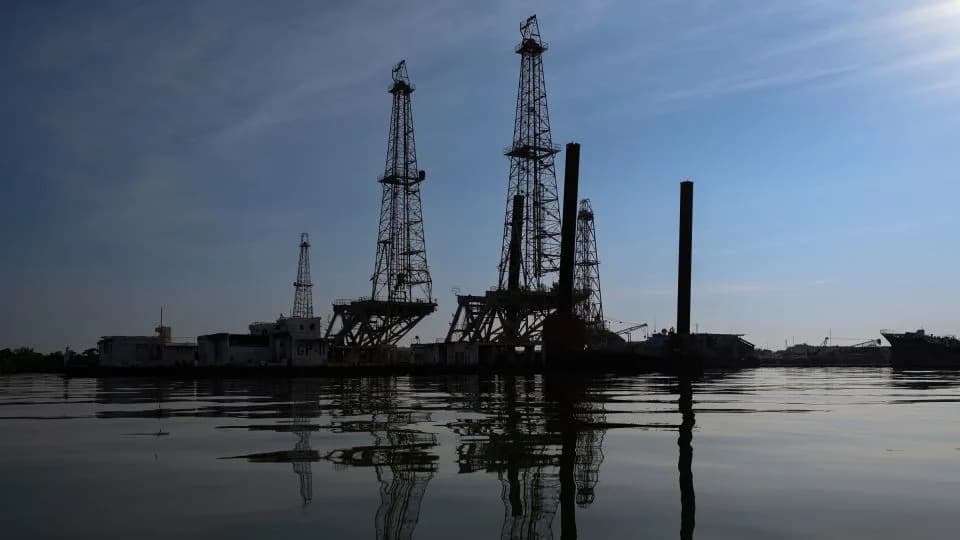
Government troops moved into parts of Raqqa and Deir al-Zor provinces and sections of Hasakah province. Those areas contain Syria's largest oilfields, a major hydroelectric dam, important agricultural zones, prisons holding Islamic State detainees, and a camp for civilians linked to IS.
Much of this territory was captured from Islamic State by the SDF when it was the main U.S. partner in the fight against the jihadists; the recently recaptured areas are majority Arab. SDF commander Mazloum Abdi said his forces had fallen back into predominantly Kurdish areas.
Under a ceasefire agreed on Jan. 20, Damascus gave the SDF four days to propose a plan to integrate remaining SDF enclaves in Hasakah into state structures. If a political deal is reached, government troops have said they will not enter two SDF-held cities—Hasakah (an ethnically mixed provincial capital) and Kurdish-majority Qamishli—but tensions have persisted since the ceasefire was announced.
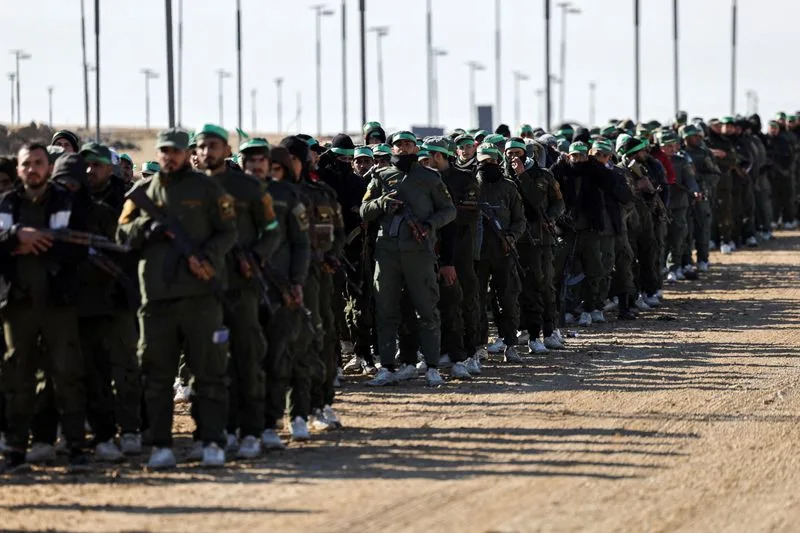
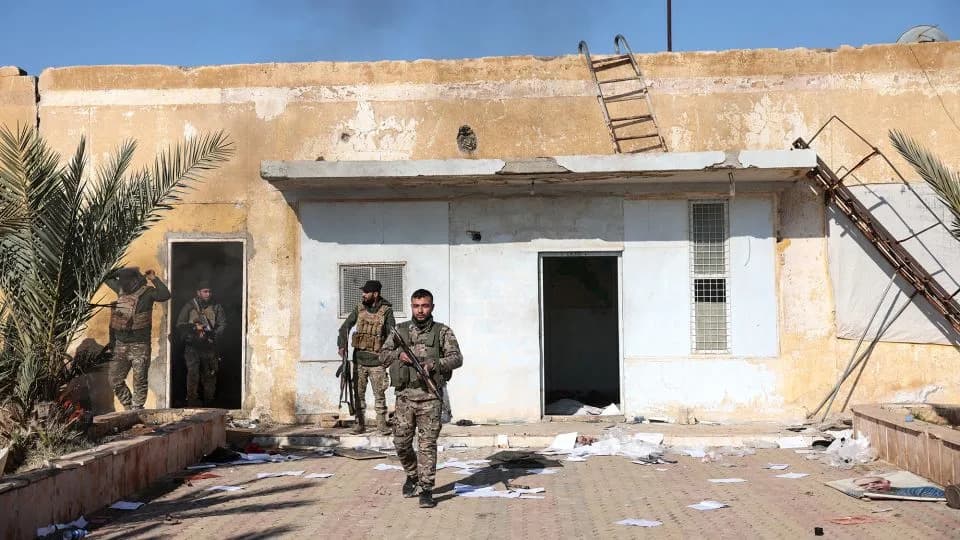
Members of the Syrian government security forces gathaer after they took control of al-Hol camp following the withdrawal of Syrian Democratic Forces (SDF), in Hasaka, Syria, January 21, 2026. REUTERS/Khalil Ashawi
How has the United States responded?
The U.S. military built close operational ties with the SDF in the campaign against Islamic State but never fully endorsed wide-ranging political autonomy for northeast Syria. U.S. policy has also been constrained by the objections of NATO ally Turkey, which regards the YPG as linked to the outlawed Kurdistan Workers' Party (PKK) and has repeatedly acted militarily in northern Syria to counter Kurdish gains.
U.S. envoy Tom Barrack said the original purpose of the SDF had largely been fulfilled and signalled that Washington did not intend a long-term military footprint in Syria. His comments reflected a broader U.S. recalibration that includes cooperation with Damascus on some security issues, even as Washington stresses protection for civilians and detainees.
On Jan. 21 the U.S. military said it had transferred 150 Islamic State detainees from Syria to Iraq, citing concerns about the security of prisons and camps the SDF had been guarding. Officials said the move could eventually lead to the relocation of up to 7,000 detainees out of Syria.
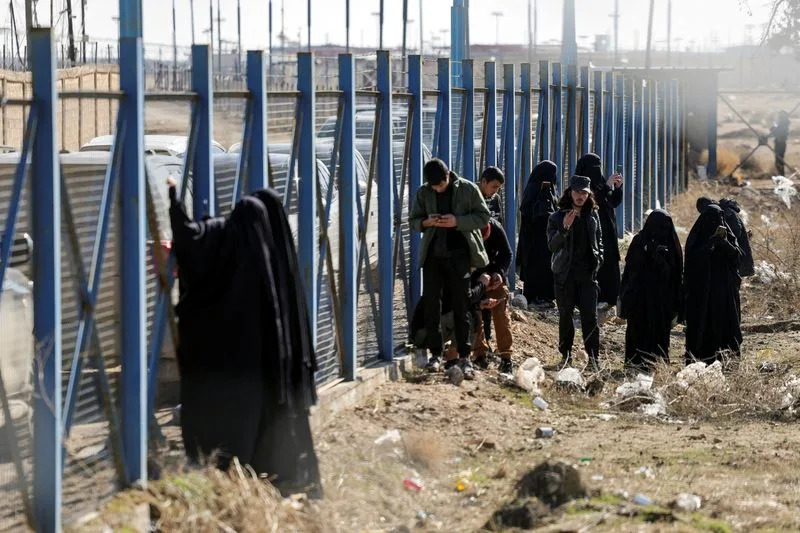
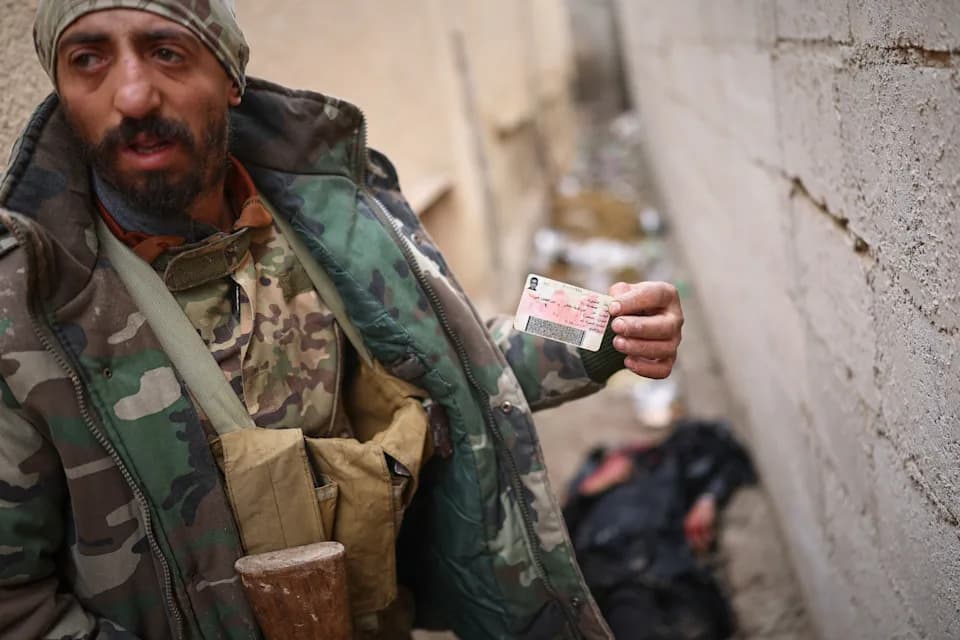
A group of detainees gather at al-Hol camp after the Syrian government took control of it following the withdrawal of Syrian Democratic Forces (SDF), in Hasaka, Syria, January 21, 2026. REUTERS/Khalil Ashawi
What could happen next?
With government troops positioned near remaining SDF-held pockets, the situation remains fragile. International Crisis Group senior adviser Noah Bonsey said the ceasefire leaves significant issues to negotiate—chiefly, what security arrangements will look like in areas that remain under SDF control and whether meaningful local governance guarantees will be provided.
The core dispute is how centralised or decentralised governance will be. Ideological differences complicate any accommodation: the YPG and many Kurdish organisations emphasise secular, leftist and gender-equality principles, while elements of the Damascus leadership follow different political traditions. All sides, Bonsey said, have incentives to avoid renewed fighting, but the window for negotiation is short.
Regional implications and Turkey's stance
Turkey has warned that it will not tolerate a strengthened YPG presence near its border. Turkish President Tayyip Erdogan said Kurdish forces in northern Syria must disarm and disband to avoid further bloodshed. Developments in Syria could reverberate across the region, potentially affecting Kurdish communities in Turkey, Iraq and Iran and complicating Ankara's own domestic security calculations.
Bottom line: The Syrian government's advance has reclaimed strategically important territory and shifted the dynamics on the ground. Diplomatic and security negotiations over governance, security arrangements and detainee management will determine whether the current ceasefire holds or gives way to renewed conflict.
Help us improve.