The Rojava experiment — a multiethnic, feminist-inspired project led by the SDF in northeastern Syria — has rapidly unraveled after a Damascus offensive and the defection of allied Arab tribes. A four-day ceasefire is in place while negotiators explore a settlement; U.S. envoy Tom Barrack called the SDF’s original anti-ISIS role "largely expired." Analysts say U.S. priorities and the SDF’s deployments outside its mixed heartland weakened local support, though social gains such as expanded Kurdish rights and greater political participation for women may persist.
Rojava’s Multiethnic Revolution Loses Ground After Damascus Offensive
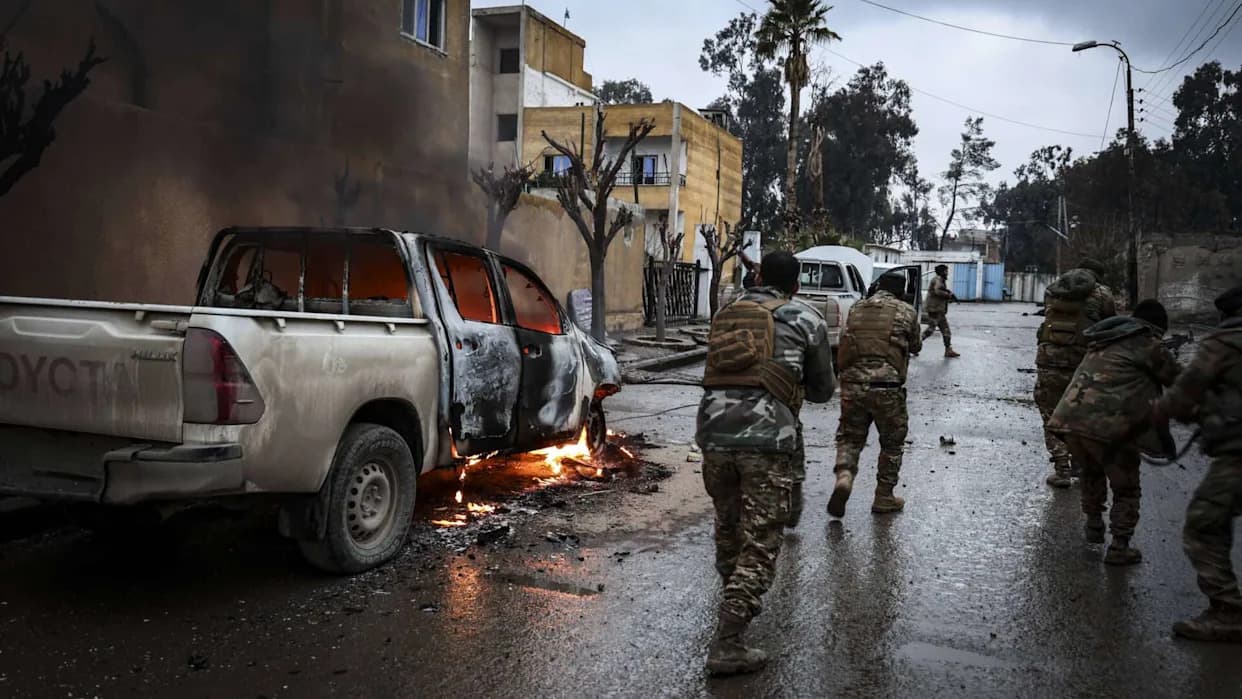
Syria's Kurdish Revolution Has Been Crushed
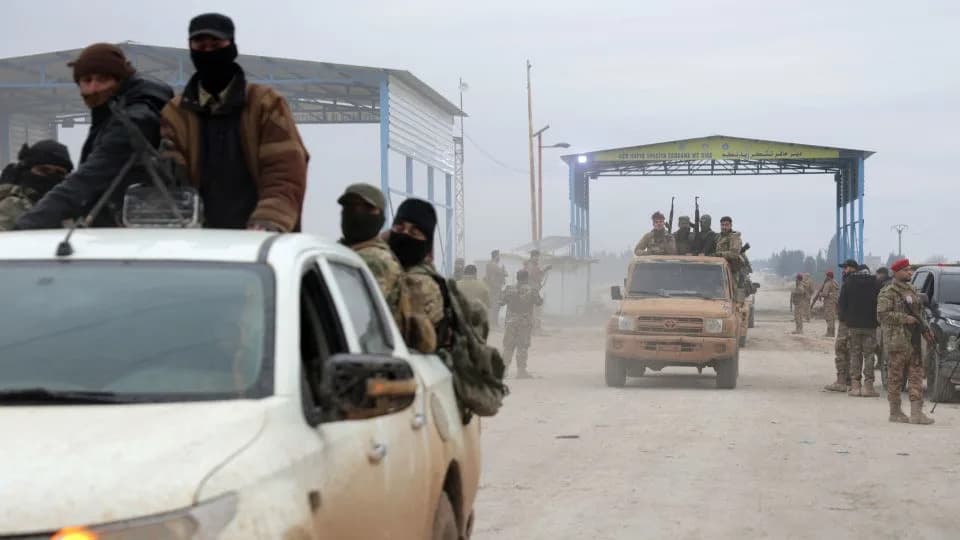
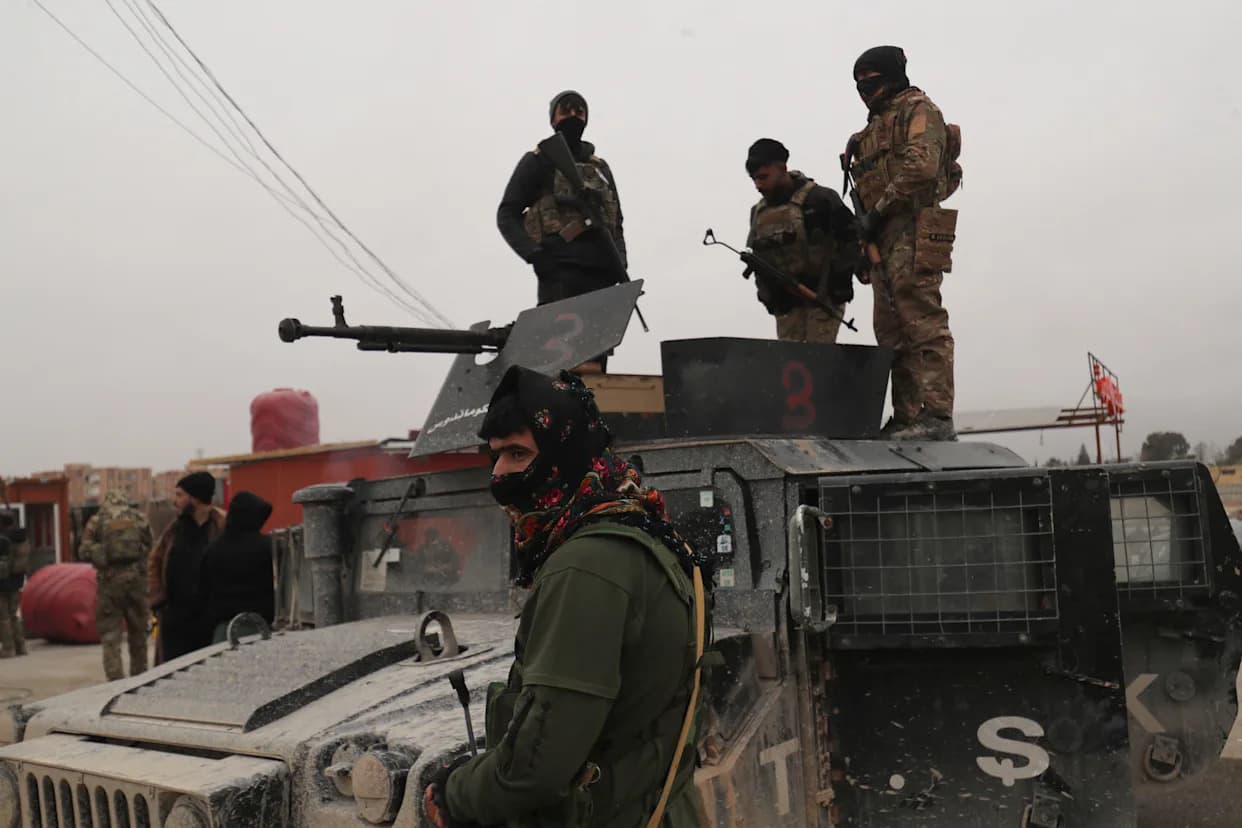
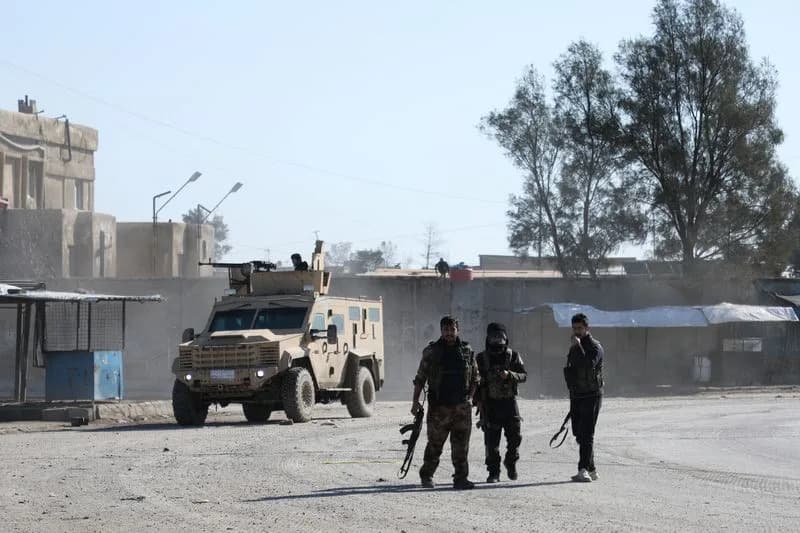
The multiethnic, feminist-inspired experiment in northeastern Syria known as Rojava has been pushed back sharply after a recent offensive from Damascus and the sudden defection of allied Arab tribes. Once a model for decentralized governance and cross-communal cooperation, the Syrian Democratic Forces (SDF) are now largely confined to a handful of predominantly Kurdish cities as negotiators pursue a temporary ceasefire.
Background: An Unconventional Revolution
The SDF — a coalition of Kurdish, Arab, Assyrian and other local militias influenced by feminist and anarchist ideas — built an unusual project of bottom-up governance across parts of northeastern Syria. For more than a decade, Rojava promoted local councils, gender inclusion, and shared authority among communities that had long been marginalized under centralized rule.
The Recent Collapse
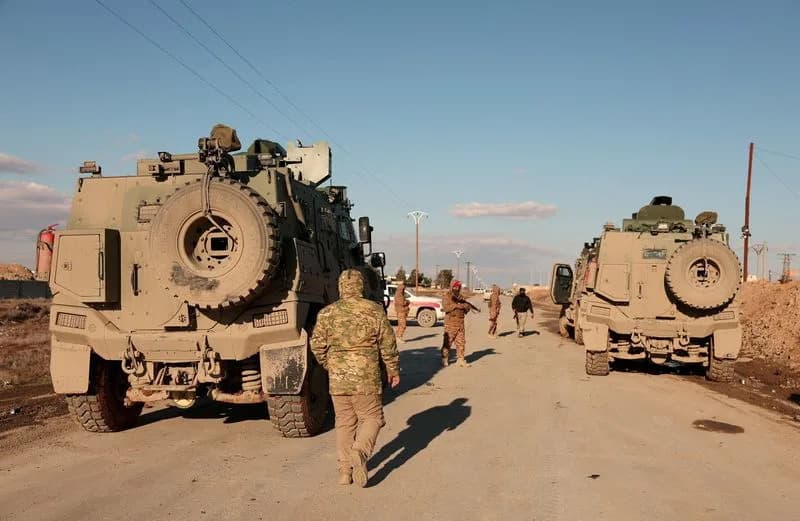
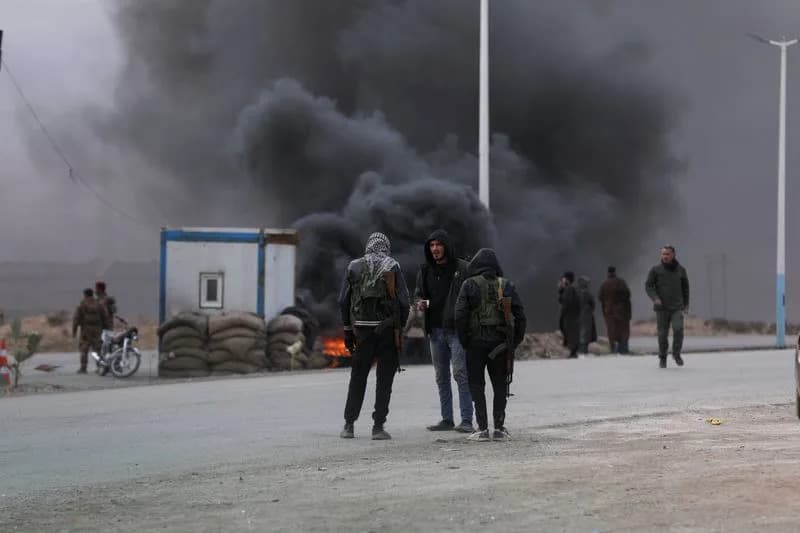
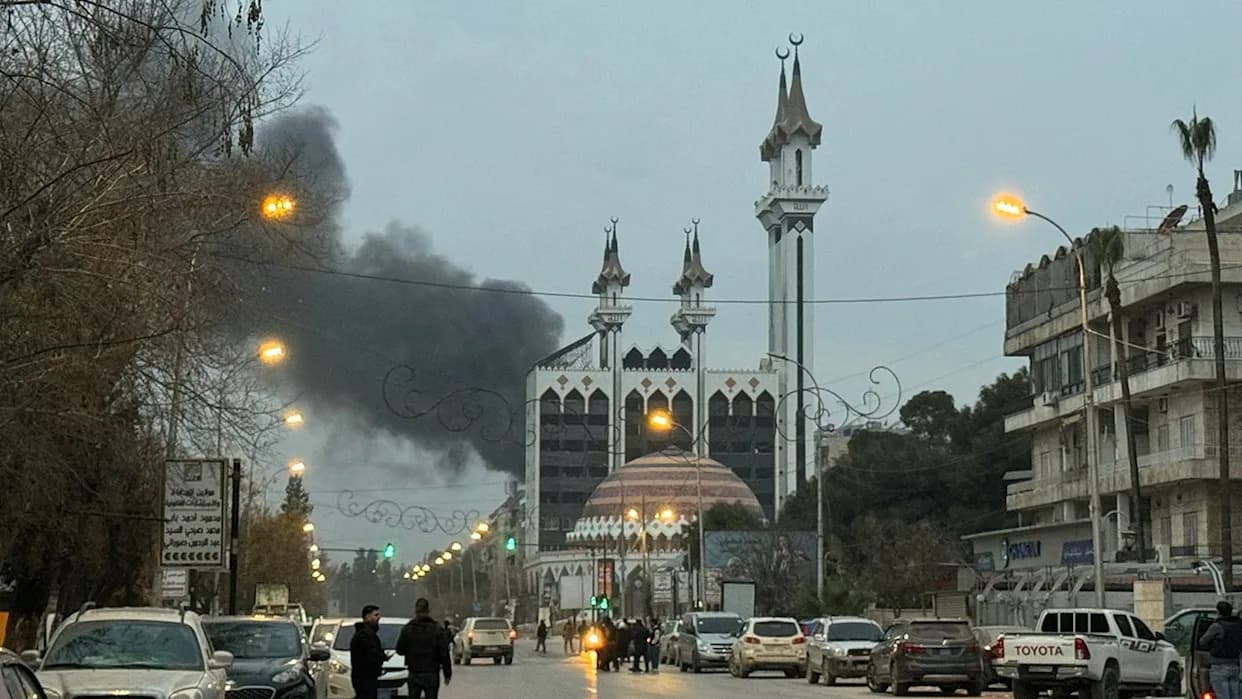
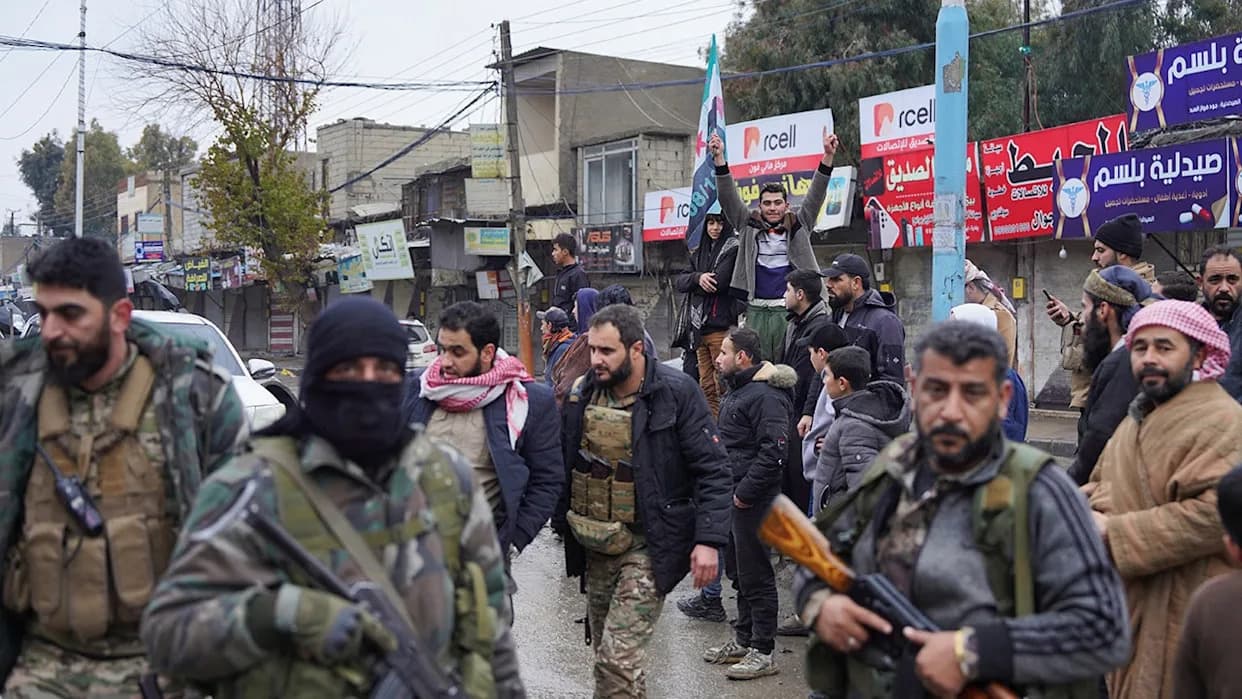
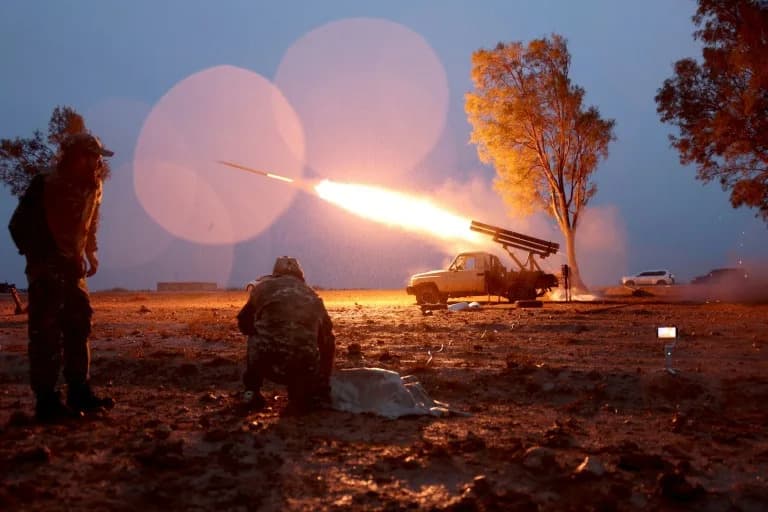
Last week, President Ahmed al-Sharaa, who assumed power in Damascus during the 2024 upheaval, launched an offensive aimed at reasserting central authority over SDF-held territory. Several Arab tribal groups that had fought alongside the SDF abruptly switched allegiance, and SDF forces were pressed back into mainly Kurdish urban centers. The two sides agreed to a four-day ceasefire to open negotiations on next steps.
International Reaction
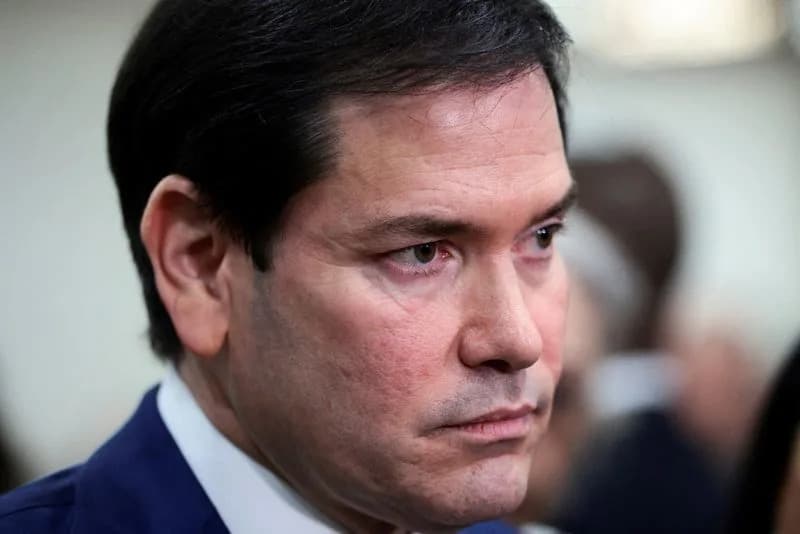
Washington responded with muted commentary. U.S. envoy Tom Barrack said the SDF’s original purpose as the primary anti-ISIS ground force has "largely expired," and suggested Damascus is now positioned to resume security responsibilities — a stance that reflects prior U.S. administrations’ description of the relationship with the SDF as temporary and transactional.
Strategic Choices and Consequences
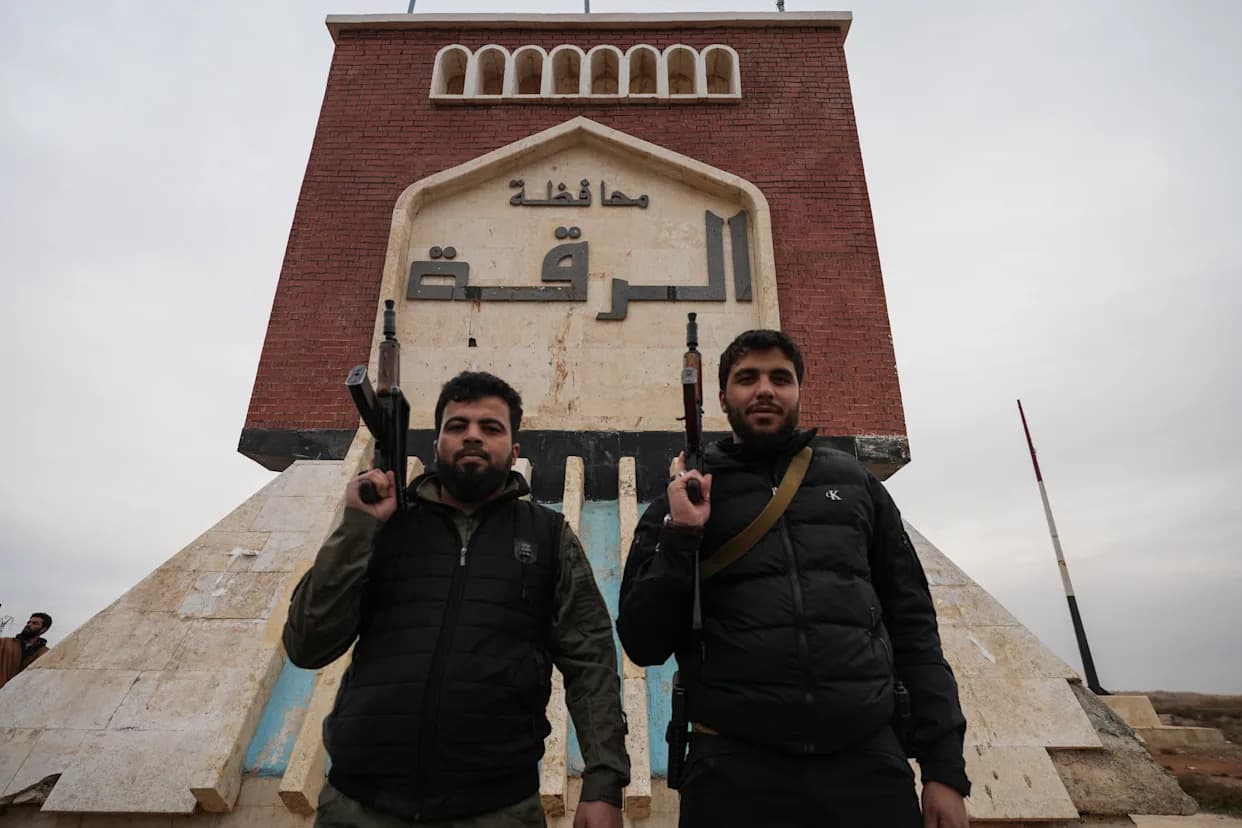
Analysts argue two strategic errors left Rojava exposed. First, U.S. pressure led the SDF to commit forces outside its mixed Kurdish-Arab heartland to pursue remaining Islamic State pockets in places such as Deir el-Zour and Raqqa. In those conservative, predominantly Arab areas the SDF often functioned more like an occupying force than a locally rooted movement, eroding its popular support.
Second, after al-Sharaa’s December 2024 takeover, many Arabs signaled a willingness to place their hopes in Damascus rather than remain under SDF authority. Al-Sharaa reportedly set a December 2025 deadline to negotiate a merger between the SDF and the central government; the SDF chose not to make the territorial concessions that might have preserved parts of its project.
Enduring Legacy
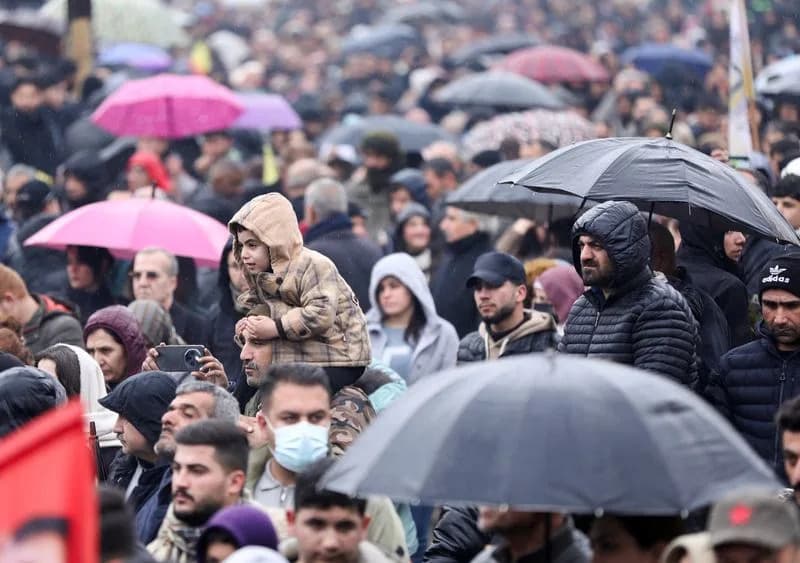
Despite the apparent political defeat, many social and institutional changes the Rojava era produced are likely to endure. The movement mobilized and politically empowered a generation of rural women, expanded local political participation, and forced national conversations about pluralism. Reported terms being discussed by Damascus include greater civil rights for Kurds, recognition of Kurdish as an official language, and making the Kurdish new year a national holiday — concessions that would have been unlikely two decades ago.
Outlook
Whether the ceasefire leads to a negotiated integration of SDF-held areas, a limited form of autonomy, or a more thorough reintegration under Damascus will shape Syria’s political balance for years. As observers note, even short-lived revolutionary experiments can leave lasting social and cultural legacies: when people taste new freedoms, ideas and practices often persist beyond immediate setbacks.
Note: All facts and names are presented as reported in the source article.
Help us improve.