Negotiations in Damascus between President Ahmed al-Sharaa and SDF commander Mazloum Abdi collapsed after talks on reintegrating Kurdish-run areas into the Syrian state failed. Government forces have pushed into former Kurdish-held territory, prompting reinforcements and local mobilisation in Hasakeh and Raqa. The ceasefire had included handing Arab-majority provinces and IS detainee responsibility back to Damascus, but many Kurds say the concessions are insufficient.
Ceasefire Talks Between Damascus And Kurdish-Led SDF Collapse As Troops Move Into Northern Syria
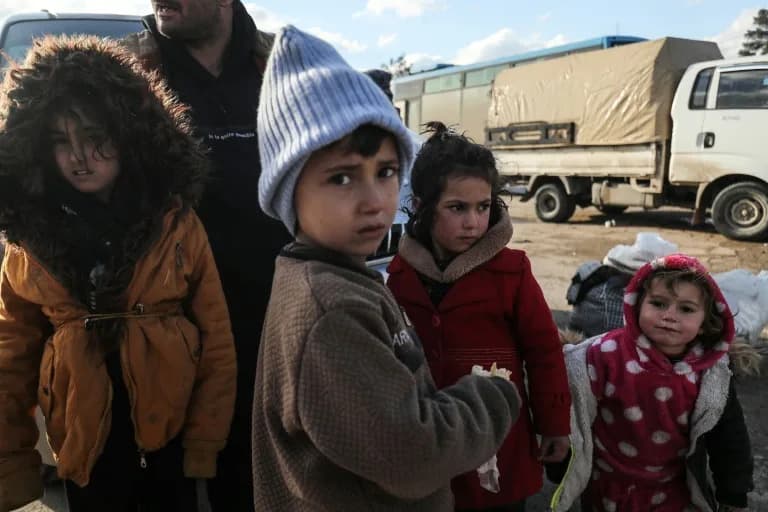
Kurdish children and their families fleeing a government advance arrive in Qamishli (Delil SOULEIMAN)(Delil SOULEIMAN/AFP/AFP)
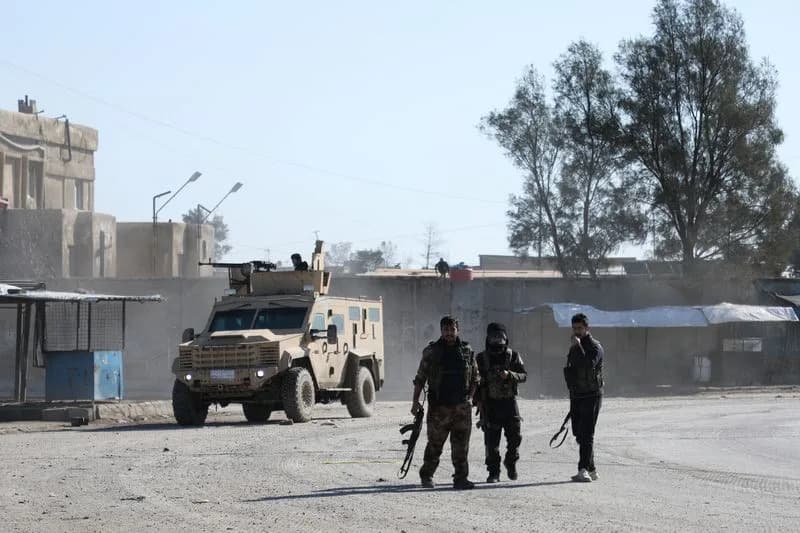
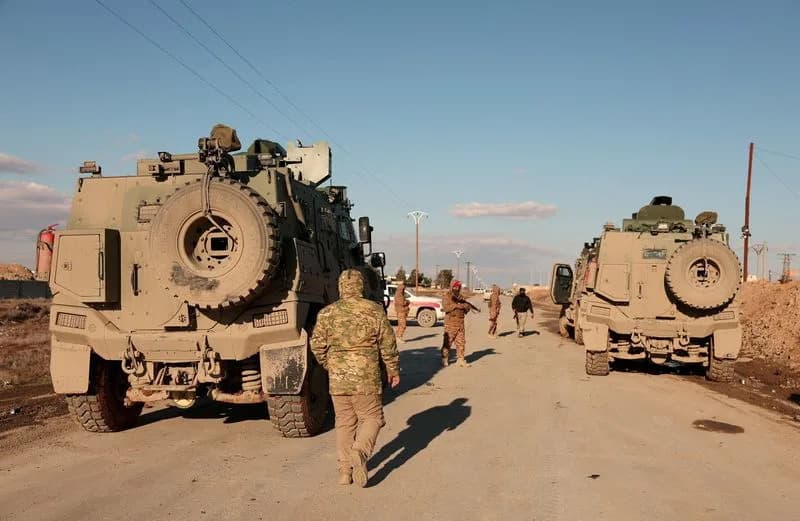
Negotiations between Damascus and the commander of Syria's Kurdish-led Syrian Democratic Forces (SDF) have collapsed, a Kurdish official told AFP, as government troops sent reinforcements to volatile northern areas.
President Ahmed al-Sharaa and SDF leader Mazloum Abdi had met to discuss a ceasefire package that would reintegrate the Kurds' local administration into the Syrian state. The proposal would mark a major reversal for the Kurds' long-standing, de facto autonomy across large parts of northern Syria.
The talks followed a period of rapid government advances into territory previously held by Kurdish forces. Damascus has rejected decentralisation and federal arrangements, while insisting it will protect minority rights.
"The negotiations held yesterday in Damascus between General Mazloum and Mr Al‑Sharaa have collapsed entirely," Kurdish official Abdel Karim Omar told AFP, blaming the central government for the breakdown. "Their sole demand is unconditional surrender. A firm and decisive stance from the international community is urgently required."
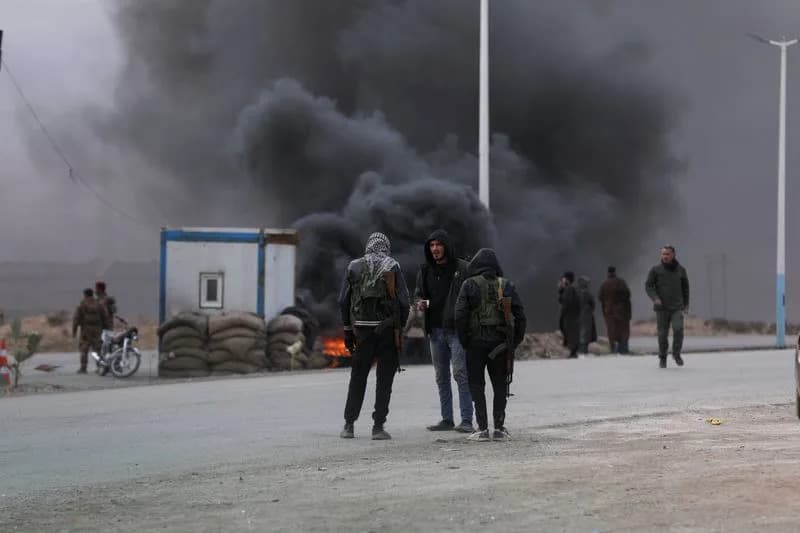
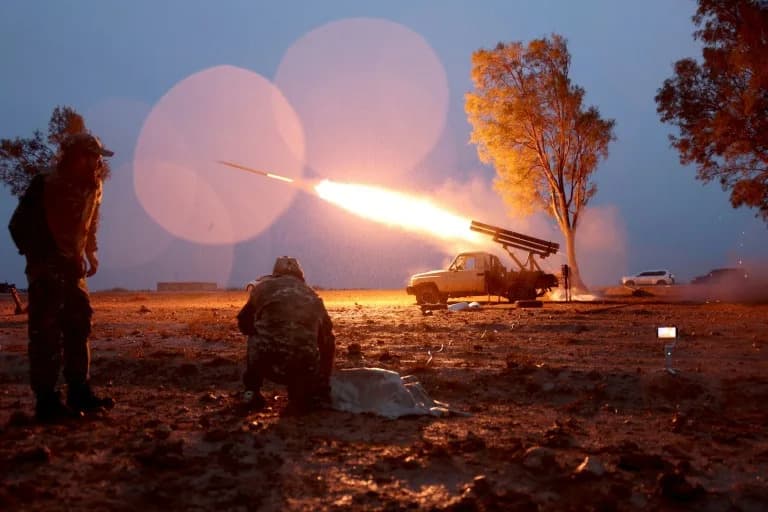
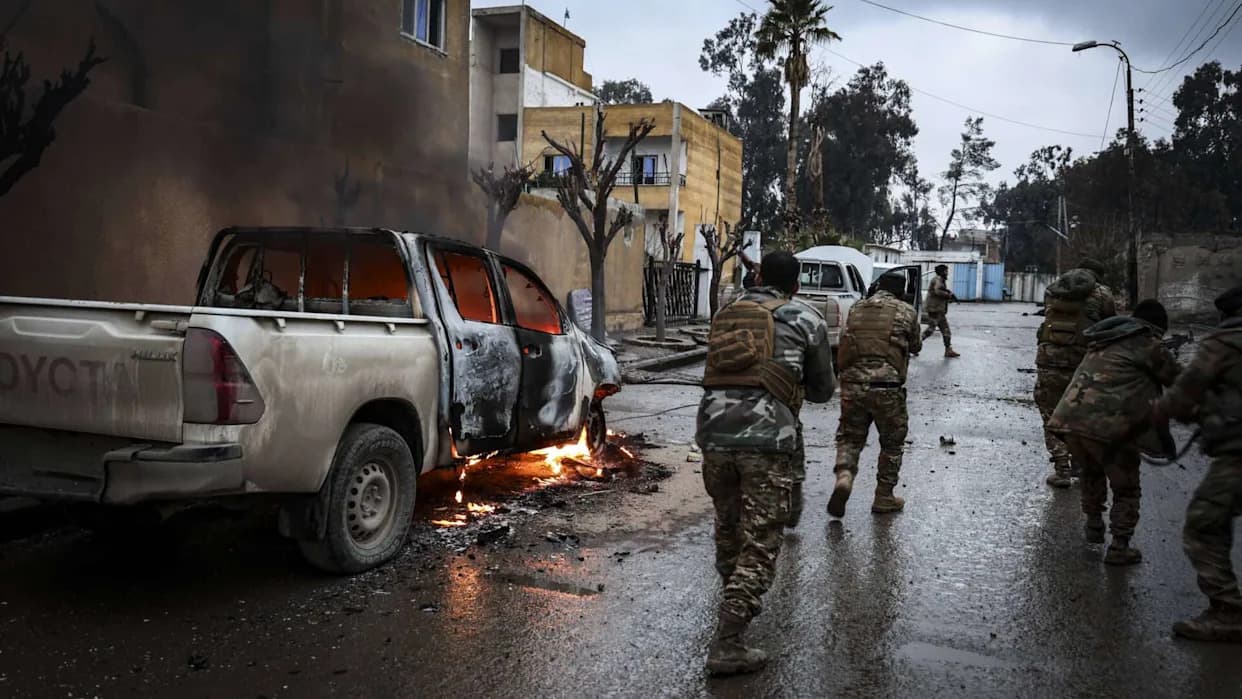
Despite a framework ceasefire, brief clashes were reported in Raqa on Monday and heavy bombardment was heard by AFP correspondents. Raqa, once the Islamic State group's de facto capital in Syria, remains a flashpoint.
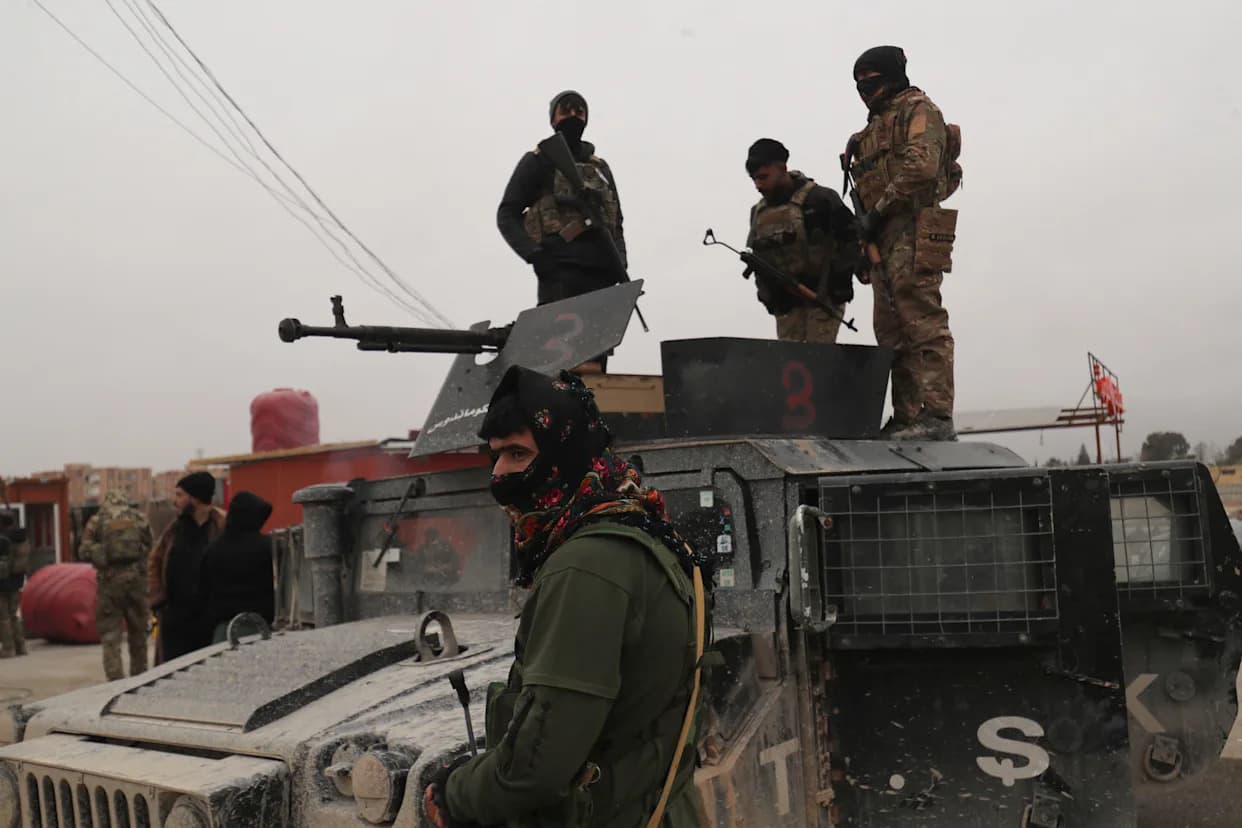
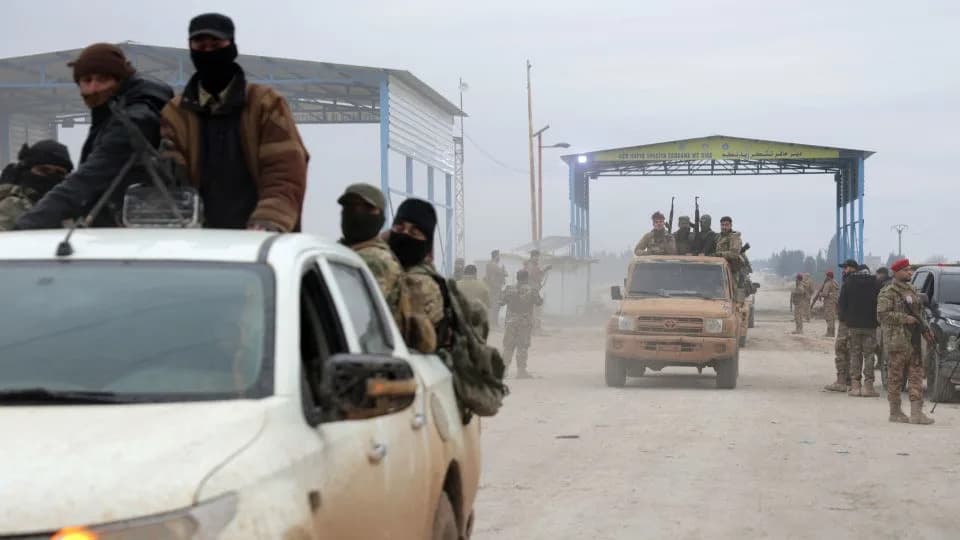
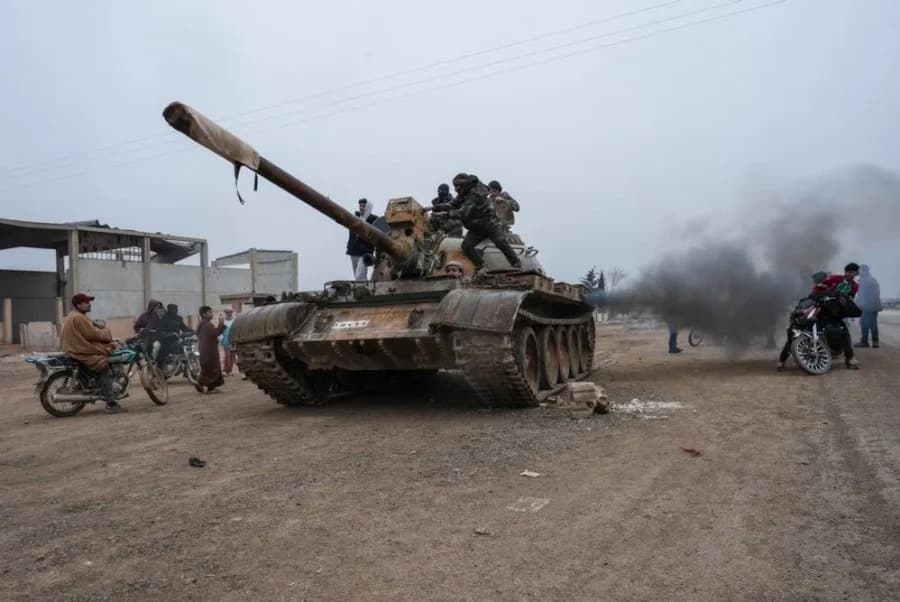
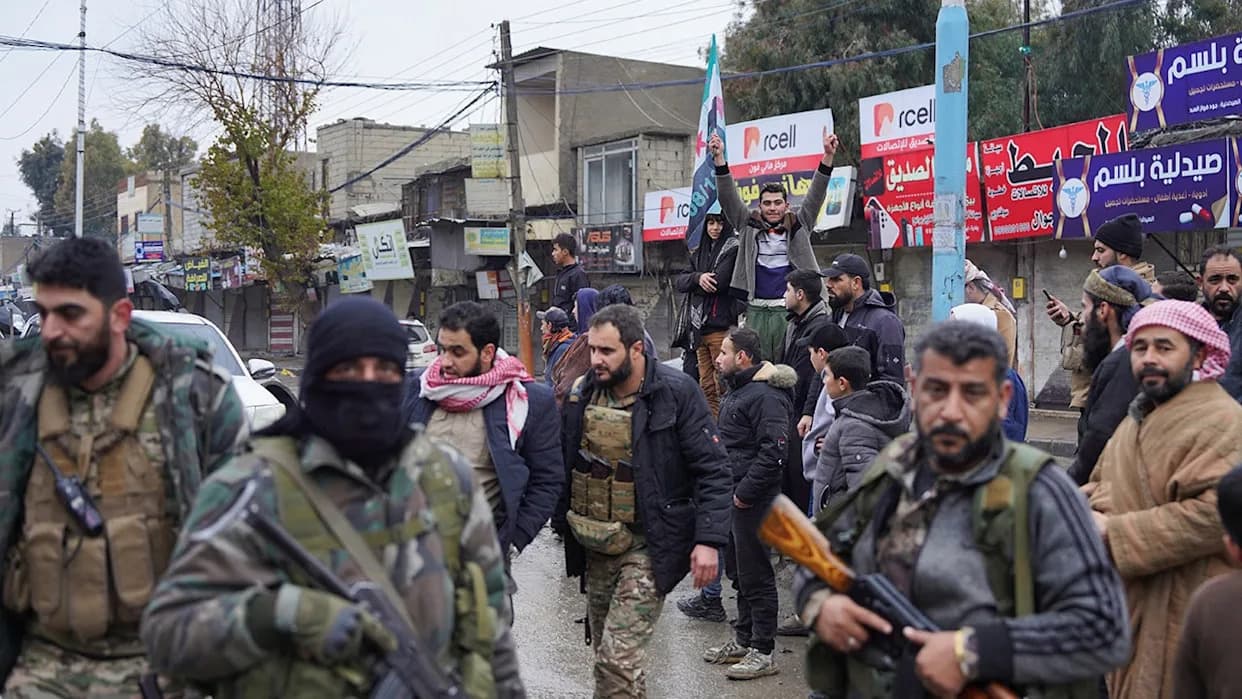
On Tuesday an AFP correspondent in Raqa observed a large convoy of armoured vehicles and troops heading toward Hasakeh — a Kurdish stronghold with a sizeable Arab population. In Hasakeh, the SDF appealed for 'young Kurds, men and women' both inside and outside Syria to 'join the ranks of the resistance'. Dozens of civilians, including women and elderly people, were reported bearing arms and manning checkpoints in response.
Key Elements Of The Ceasefire Deal
The Sunday agreement had envisaged the Kurds handing over administration of largely Arab-majority provinces, including Deir Ezzor and Raqa, which they had governed after helping to defeat IS with U.S. support. Under the deal, Damascus would also assume responsibility for Islamic State detainees and displaced families held in Kurdish-run prisons and camps.
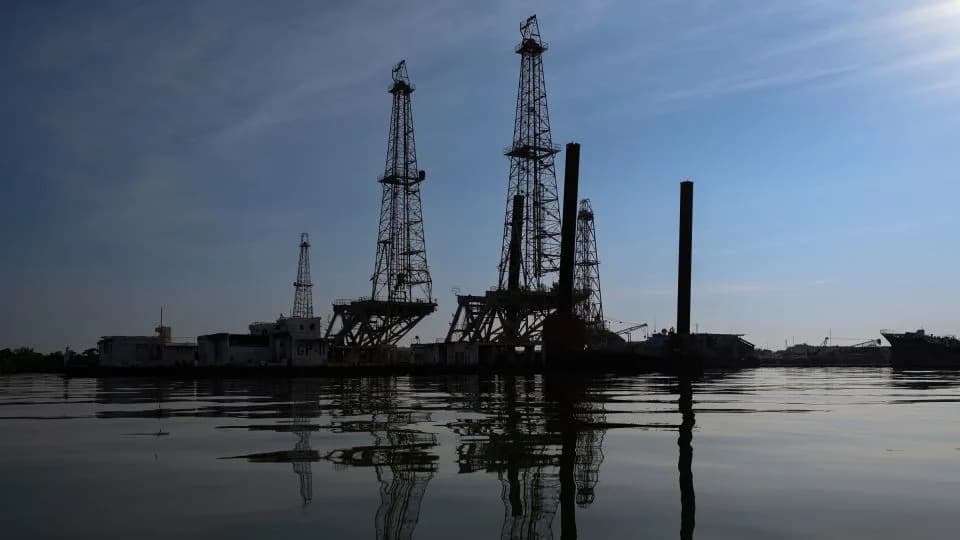
Local Arab tribal fighters in Deir Ezzor reportedly aligned with Damascus and seized strategic sites, including the Al-Omar and Tanak oil fields, before government forces arrived. The SDF withdrew from those areas on Sunday.
Residents in Raqa were described toppling a statue erected by Kurdish authorities. Some locals expressed support for Kurdish civil rights but opposed an independent Kurdish military role in those communities.
Regional Reactions And Wider Implications
Turkey warned it would not tolerate any "provocations" as its Kurdish community planned protests. Separately, a leader of the PKK armed group told the Firat news agency that militants would "never abandon" Kurds in Syria.
Analysts said government advances raise serious doubts about the durability of the ceasefire and a March agreement between Damascus and the Kurds. Sharaa issued a decree recognizing Kurdish rights on Friday, but Kurdish representatives said the measure fell short of expectations.
The breakdown of talks and renewed troop movements underscore the fragility of compromises in post-IS Syria and raise pressing questions about the protection of civilians, the future of local governance in the northeast, and the handling of detained IS suspects.
Help us improve.