Thousands of Kurds marched in Qamishli to protest the expulsion of Kurdish fighters from two Aleppo enclaves after five days of fighting that left at least 23 dead and displaced more than 150,000 people. Kurdish officials said government attacks killed 48, a figure Reuters could not independently verify. A March 2025 integration deal with the central government has stalled, while Syria’s defense ministry declared parts of eastern Aleppo a "closed military zone." Protesters warned the violence deepens mistrust of President Ahmed al-Sharaa and risks wider sectarian escalation.
Thousands of Syrian Kurds Protest Aleppo Expulsions as Fears of Wider War Grow
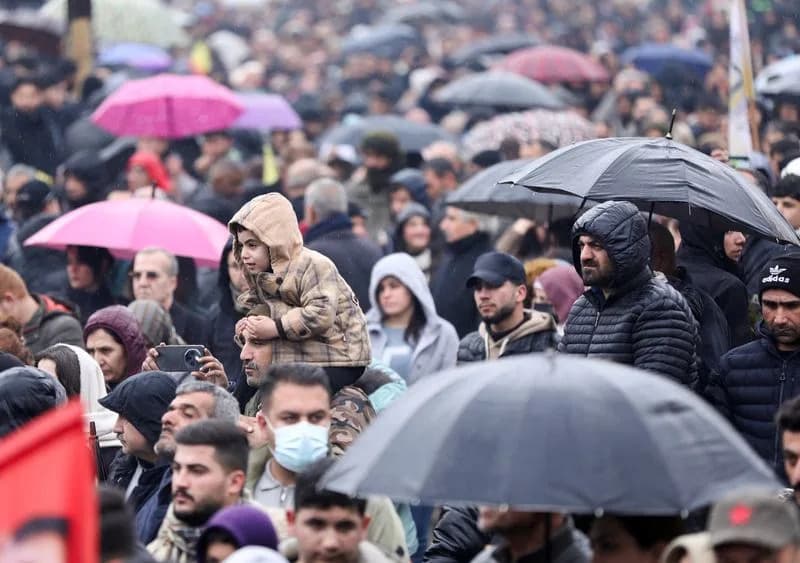
Syrian Kurds attend a protest in solidarity with the people in the neighborhood of Sheikh Maksoud and Ashrafiya, as The last Kurdish-led Syrian Democratic Forces (SDF) fighters left the Syrian city of Aleppo on Sunday, state-run Ekhbariya TV said, following a ceasefire deal that allowed evacuations after days of deadly clashes, in Qamishli, Syria January 13, 2026. REUTERS/Orhan Qereman
Qamishli, Syria — Several thousand people marched in the rain across northeastern Syria on Tuesday to protest the recent expulsion of Kurdish fighters from two pockets in Aleppo after five days of deadly street fighting.
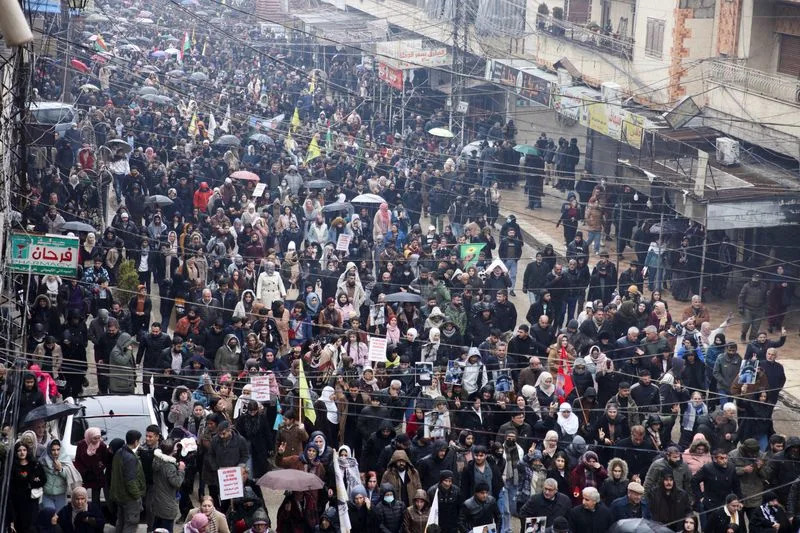
Syrian Kurds attend a protest in solidarity with the people in the neighborhood of Sheikh Maksoud and Ashrafiya, as The last Kurdish-led Syrian Democratic Forces (SDF) fighters left the Syrian city of Aleppo on Sunday, state-run Ekhbariya TV said, following a ceasefire deal that allowed evacuations after days of deadly clashes, in Qamishli, Syria January 13, 2026. REUTERS/Orhan Qereman
The clashes in Aleppo have sharpened an already deep fault line in Syria. President Ahmed al-Sharaa’s pledge to reunify the country under a single authority after 14 years of conflict is being met with suspicion by Kurdish authorities who control a semi-autonomous region in the northeast.
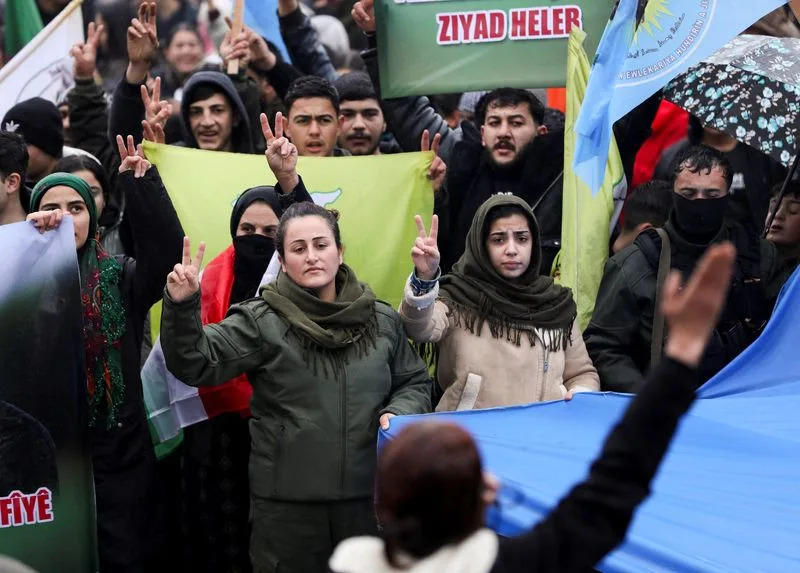
Syrian Kurds attend a protest in solidarity with the people in the neighborhood of Sheikh Maksoud and Ashrafiya, as The last Kurdish-led Syrian Democratic Forces (SDF) fighters left the Syrian city of Aleppo on Sunday, state-run Ekhbariya TV said, following a ceasefire deal that allowed evacuations after days of deadly clashes, in Qamishli, Syria January 13, 2026. REUTERS/Orhan Qereman
Clash Toll and Displacement
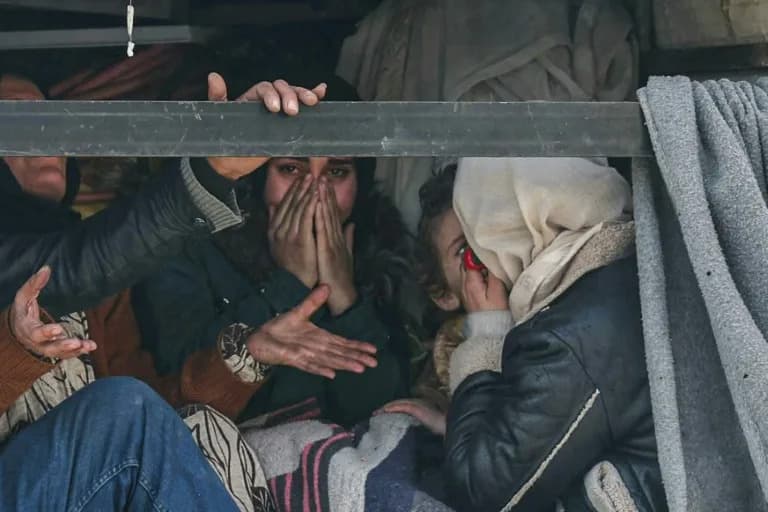
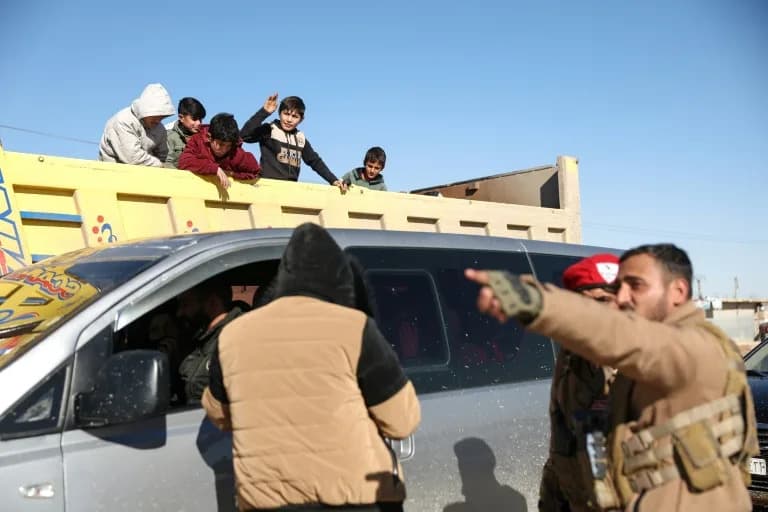
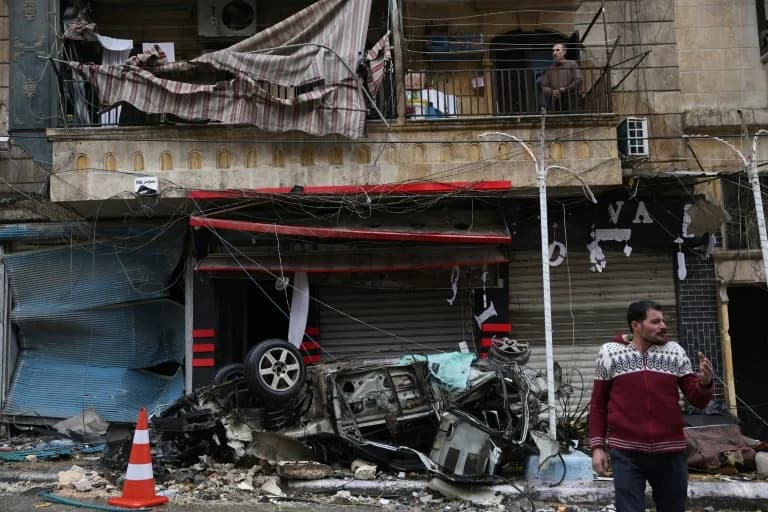
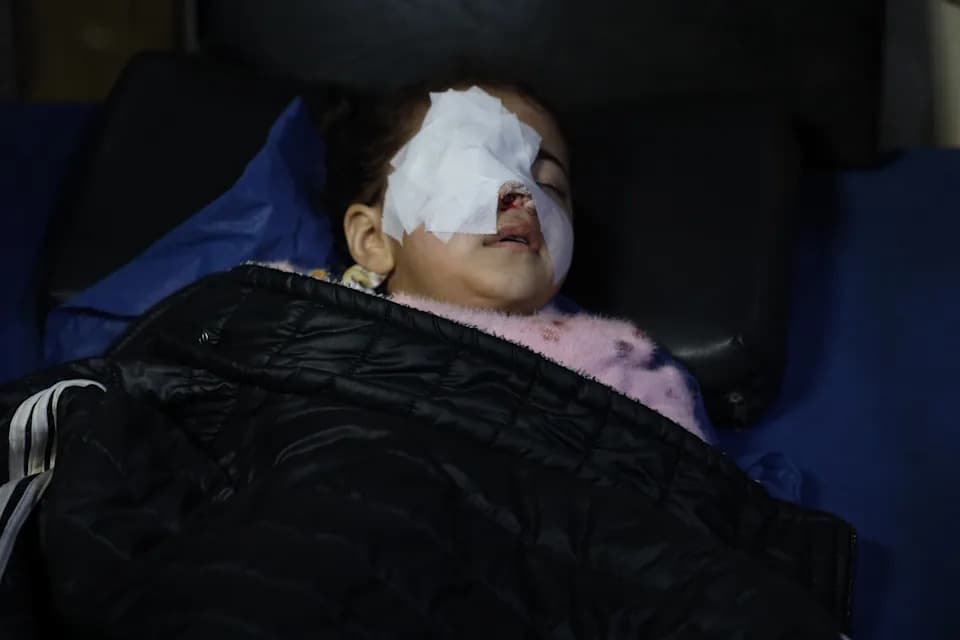
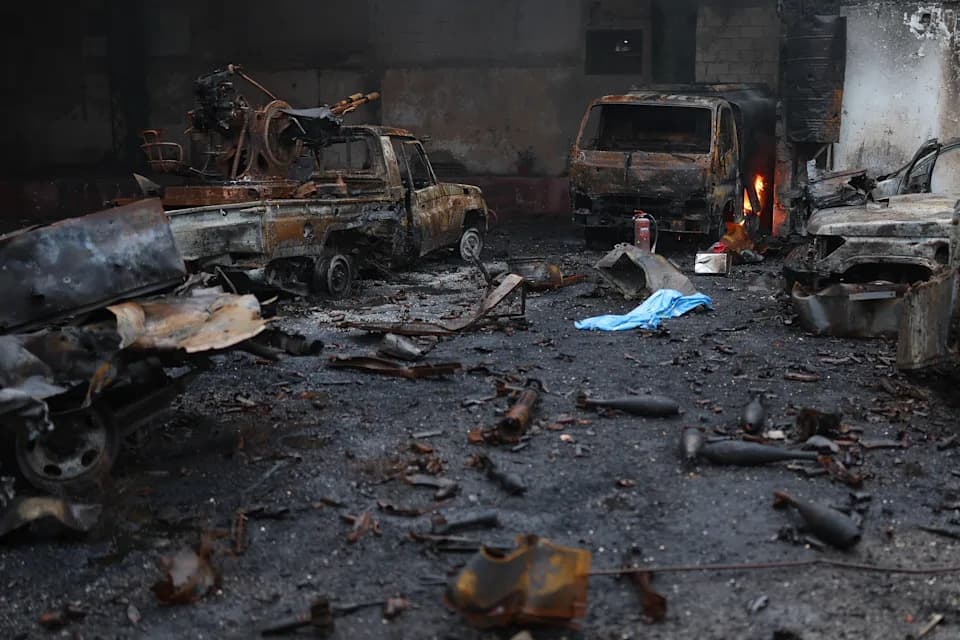
Syria’s health ministry reported at least 23 people killed in the five days of fighting and said more than 150,000 civilians were forced to flee the two Kurdish-held enclaves. Syrian Kurdish official Ilham Ahmad told reporters the death toll from government attacks was 48; Reuters could not determine whether those figures overlapped.
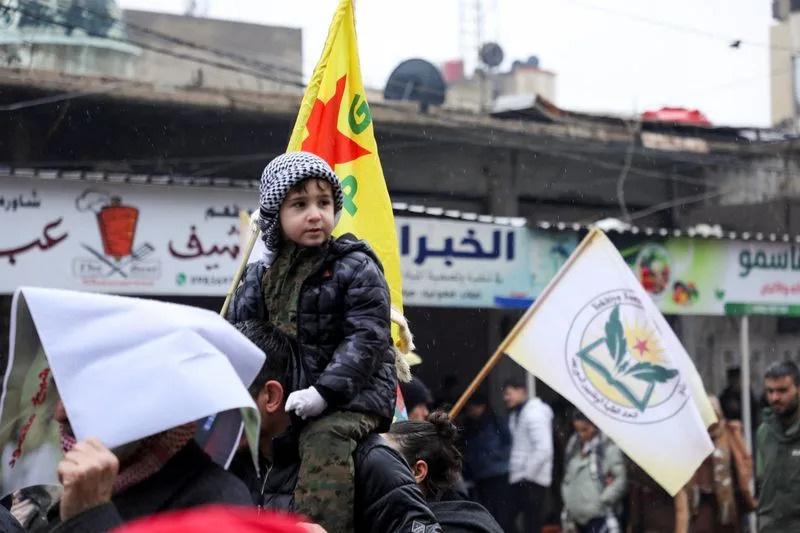
Syrian Kurds attend a protest in solidarity with the people in the neighborhood of Sheikh Maksoud and Ashrafiya, as The last Kurdish-led Syrian Democratic Forces (SDF) fighters left the Syrian city of Aleppo on Sunday, state-run Ekhbariya TV said, following a ceasefire deal that allowed evacuations after days of deadly clashes, in Qamishli, Syria January 13, 2026. REUTERS/Orhan Qereman
Protests in Qamishli
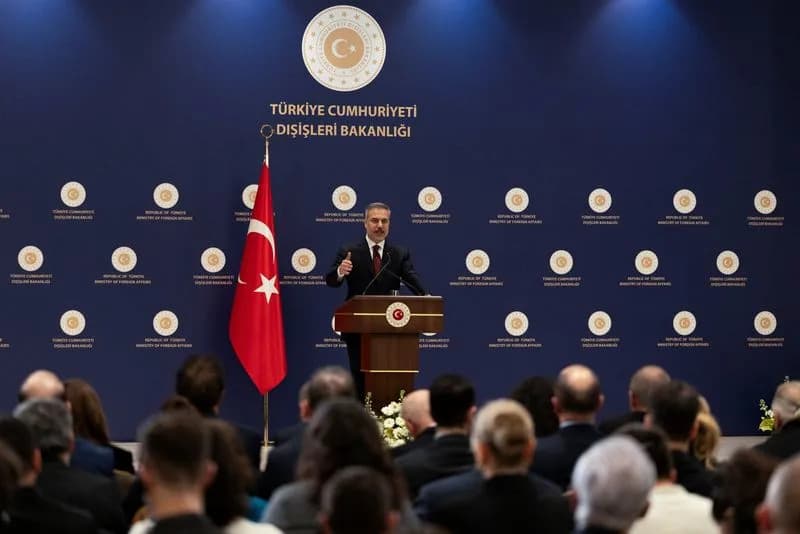
During Tuesday’s demonstration in Qamishli, protesters carried banners bearing Kurdish force insignia and portraits of fighters killed in the battles, including several who detonated explosive-laden belts as government forces advanced. Some placards showed the faces of President Sharaa and Turkish Foreign Minister Hakan Fidan crossed out with red Xs and the slogan “Killers of the Kurdish people.”
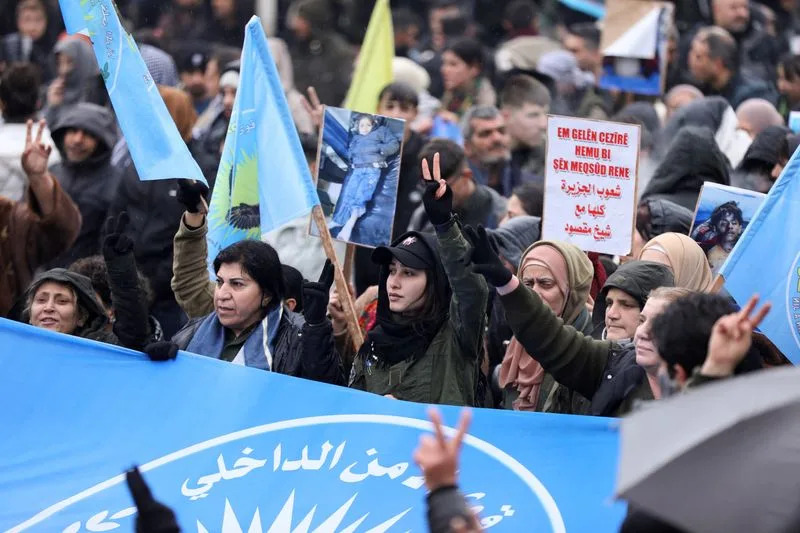
Syrian Kurds attend a protest in solidarity with the people in the neighborhood of Sheikh Maksoud and Ashrafiya, as The last Kurdish-led Syrian Democratic Forces (SDF) fighters left the Syrian city of Aleppo on Sunday, state-run Ekhbariya TV said, following a ceasefire deal that allowed evacuations after days of deadly clashes, in Qamishli, Syria January 13, 2026. REUTERS/Orhan Qereman
Integration Deal Stalled
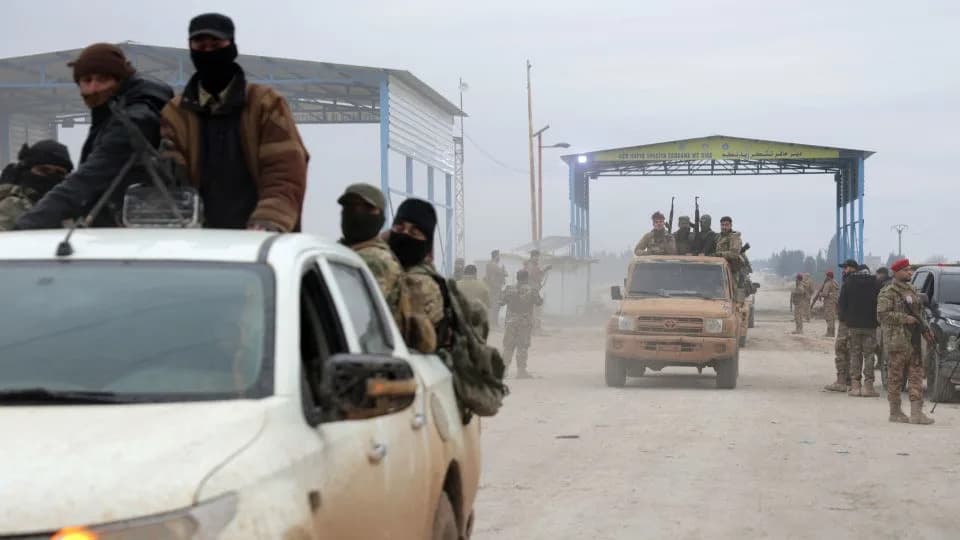
The last Kurdish fighters withdrew from Aleppo in the early hours of January 11, ending Kurdish control of the two pockets they had held since the start of Syria’s war in 2011. An agreement reached in March 2025 to integrate Kurdish authorities into the central government has now stalled. Ilham Ahmad warned the deal would be rendered null if the government pursued further offensives against other Kurdish-held areas.
Security Orders and Escalation Fears
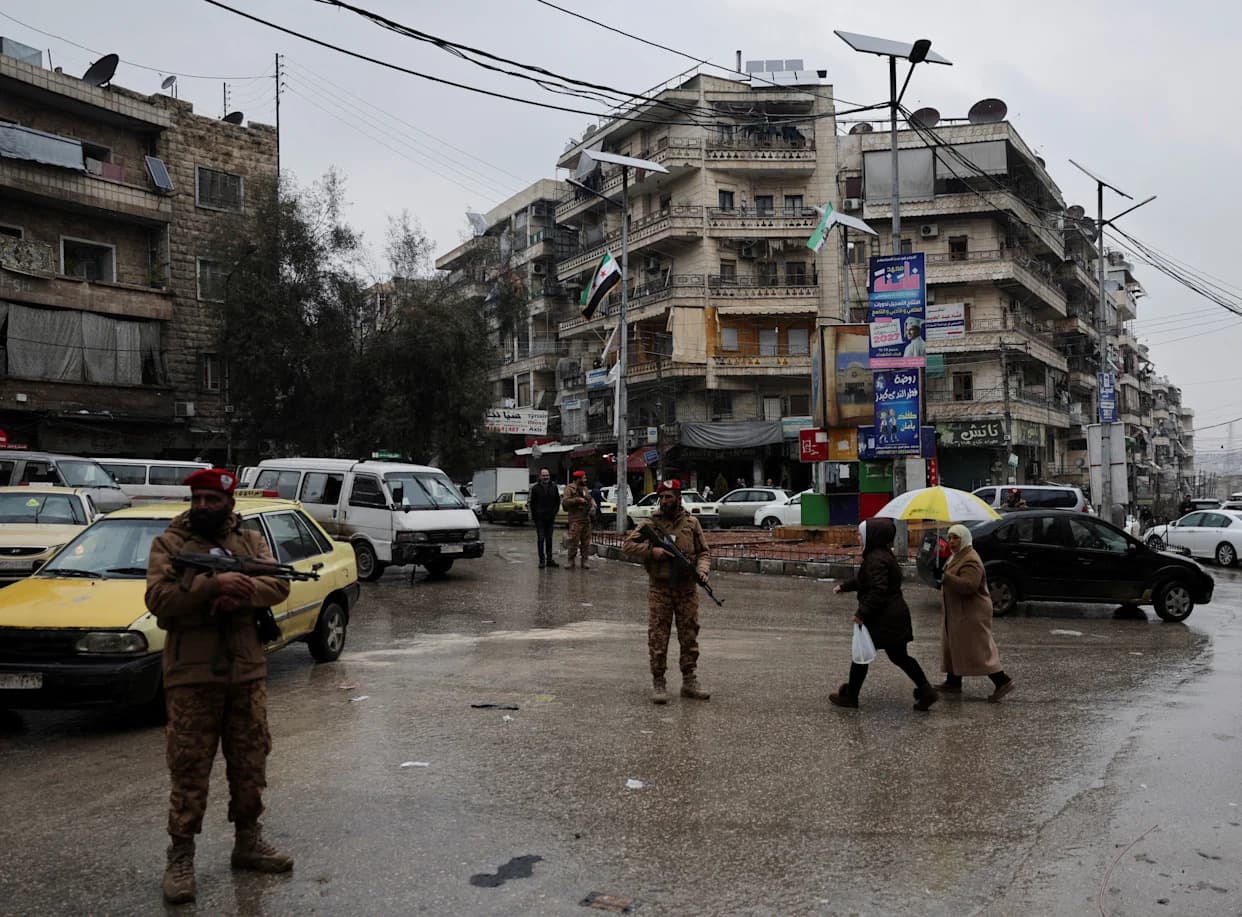
Syria’s defense ministry declared eastern parts of Aleppo still under SDF control a “closed military zone,” ordering all armed groups there to withdraw further east. Many Kurds said the recent bloodshed deepened their mistrust of Sharaa’s assurances that his government would represent all Syrians.
“If they truly love the Kurds, and if they sincerely say that the Kurds are an official and fundamental component of Syria, then the rights of the Kurdish people must be recognized in the constitution,”
— Hassan Muhammad, Head of the Council of Religions and Beliefs in Northeast Syria, who attended the protest.
Residents voiced fears the violence could widen into more sectarian conflict. Idris al-Khalil, a Qamishli protester, said the Aleppo fighting evoked memories of sectarian killings last year of Alawite communities on the coast and Druze communities in the south, warning that a full-scale war would bring further suffering and division.
Regional Implications
Turkey accuses the Syrian Democratic Forces (SDF)—the main Kurdish fighting formation—of links to the Kurdistan Workers’ Party (PKK), which Ankara designates as a terrorist organization. Protest placards targeting both President Sharaa and Turkish officials highlight the broader regional tensions that complicate any political settlement.
It remains unclear whether stalled political agreements can be revived or whether further military moves will push Syria closer to renewed, wider-scale conflict.
Help us improve.