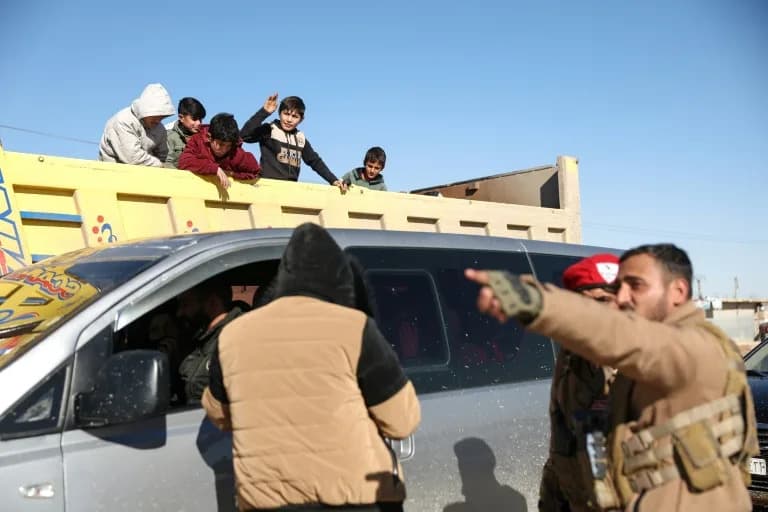
Syrian government forces say they have taken Tabqa and the country’s largest Euphrates dam from Kurdish-led fighters, while the SDF denies losing the city and reports arrests of alleged agitators. SDF chief Mazloum Abdi ordered a withdrawal east of Aleppo under a March 10 framework, a move that followed visits by international mediators. Clashes continue in areas such as the Thawra oil field and Deir Hafer amid mutual accusations of breaches. President Ahmed al-Sharaa issued a decree granting Kurds citizenship and cultural rights, but a lasting settlement remains uncertain.
Syrian Forces Advance Into Northern Towns as Kurds Redeploy East of Aleppo Amid Ongoing Clashes
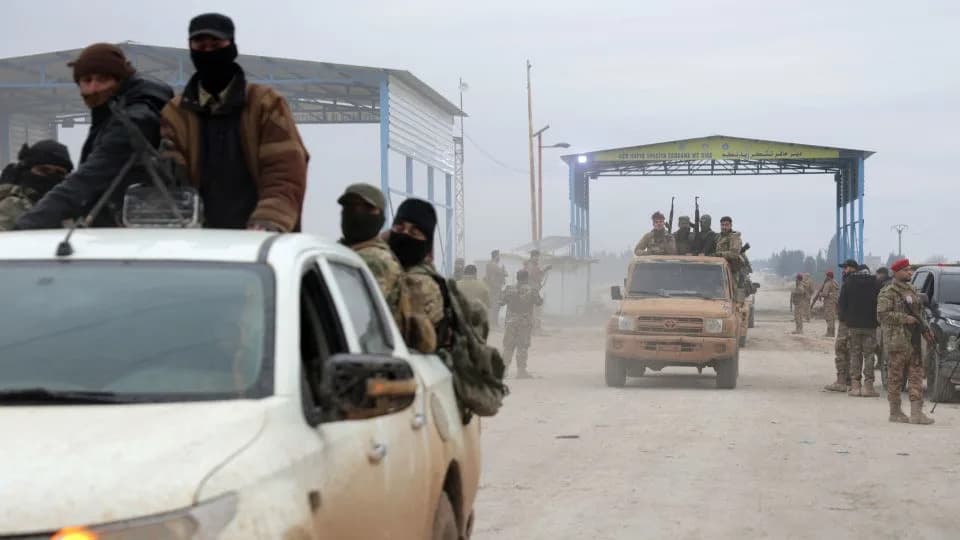
Syrian army soldiers in their vehicles enter the Deir Hafer town on Saturday. - Bakr ALkasem/AFP/Getty Images
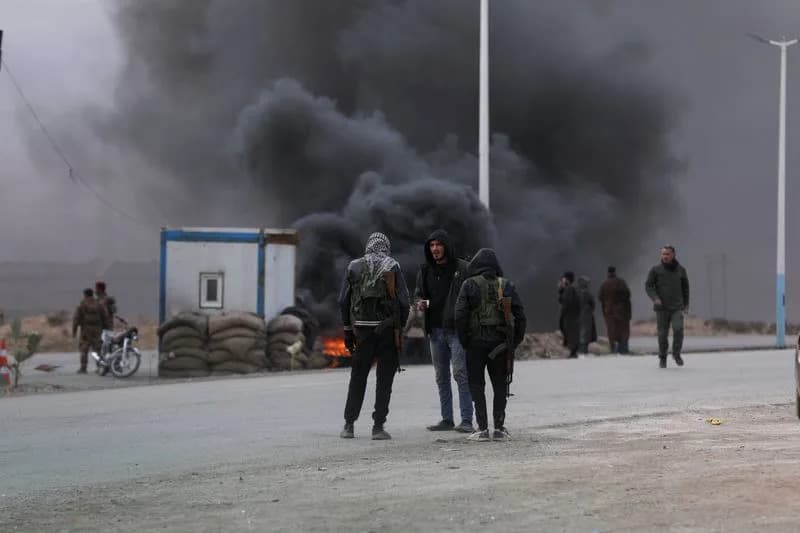
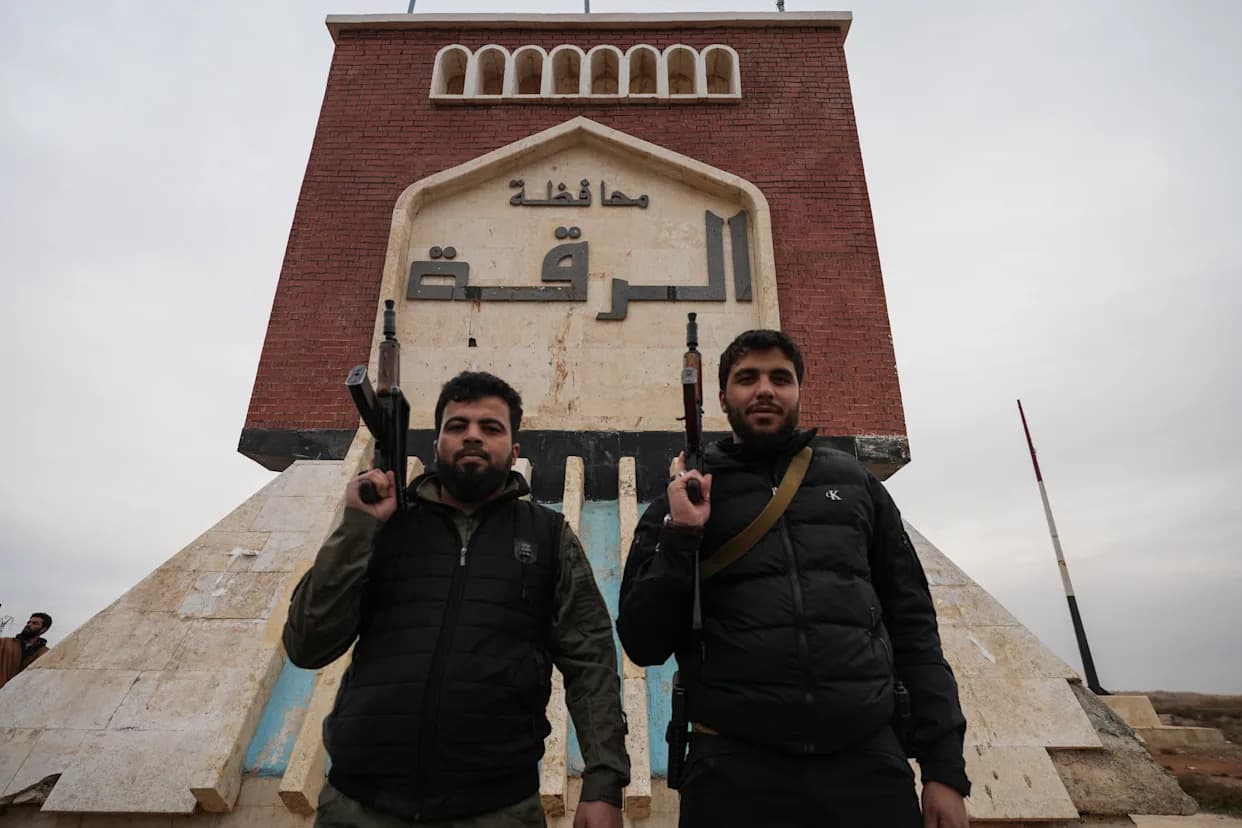
Syrian government forces say they have captured the northern city of Tabqa and the country’s largest dam from Kurdish-led fighters, state media quoted the information minister as saying. The advance moved through areas previously held by Kurdish-led forces even as the United States called for restraint.
The Kurdish-dominated Syrian Democratic Forces (SDF) rejected the government’s account and denied losing control of Tabqa. The SDF said its fighters arrested three people accused of opening fire on civilian homes and that security had been restored.
“Our forces arrested three individuals who tried to stir unrest and undermine security in the city of al-Tabqa by firing on civilians’ homes. Our forces took the necessary measures and restored security and stability to the city,” the SDF said.
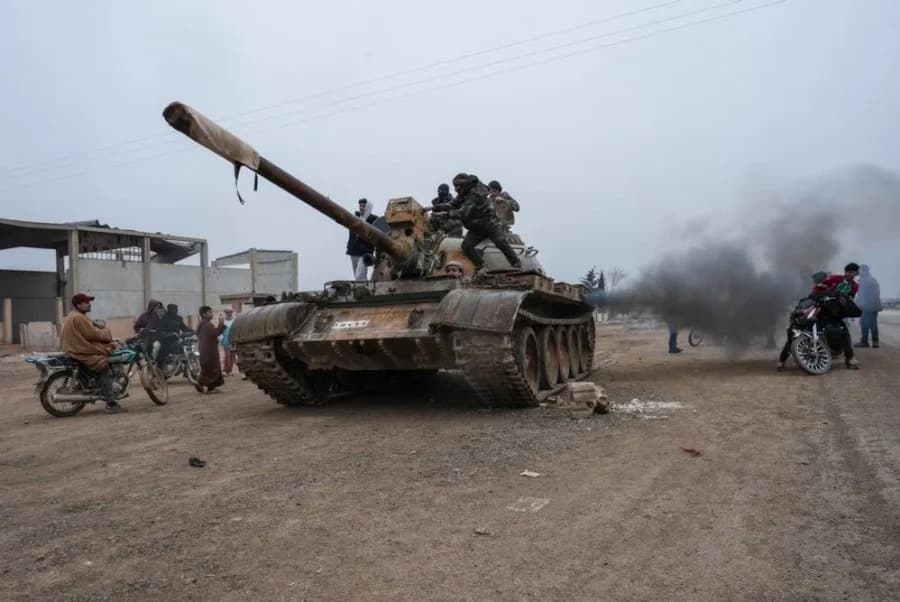
According to state reports, before seizing the Euphrates dam in the Raqqa countryside, Syrian units captured several towns and villages in the Aleppo region after the SDF command announced it would evacuate positions in the area. The military said its units took control of the town of Maskanah on Saturday and continued to press forward.
Withdrawals, Front Lines and Ongoing Fighting
SDF commander Mazloum Abdi said his forces would begin withdrawing from positions east of Aleppo as part of a broader settlement agreed in principle last March.
“Based on calls from friendly countries and mediators, and as a sign of our goodwill to complete the integration process and to adhere to implementing the provisions of the March 10 agreement, we have decided to withdraw our forces … and to redeploy to areas east of the Euphrates,” Abdi said.
Part of the Euphrates River has effectively become a dividing line between the two sides. The Kurdish pullback followed a visit by a delegation from the US-led international coalition that maintains a presence in northern Syria.
Geolocated video showed Syrian forces moving into Deir Hafer, about 50 kilometers east of Aleppo. Residents welcomed the move as sparing more bloodshed: “Thank God it happened with the least amount of losses,” one local told Reuters.
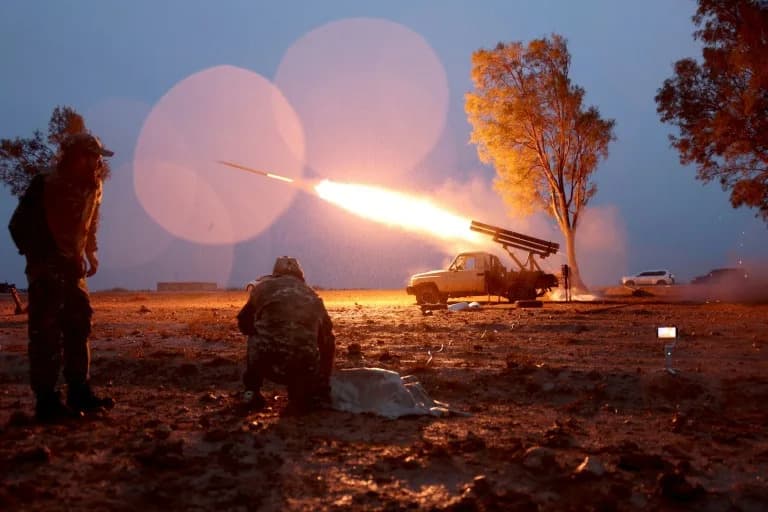
Despite the withdrawals, clashes continued in several locations. The SDF reported heavy fighting around the Thawra oil field south of Tabqa and said the fighting there was outside the scope of the withdrawal agreement. State media and SANA claimed the military had taken Thawra and another local oil field.
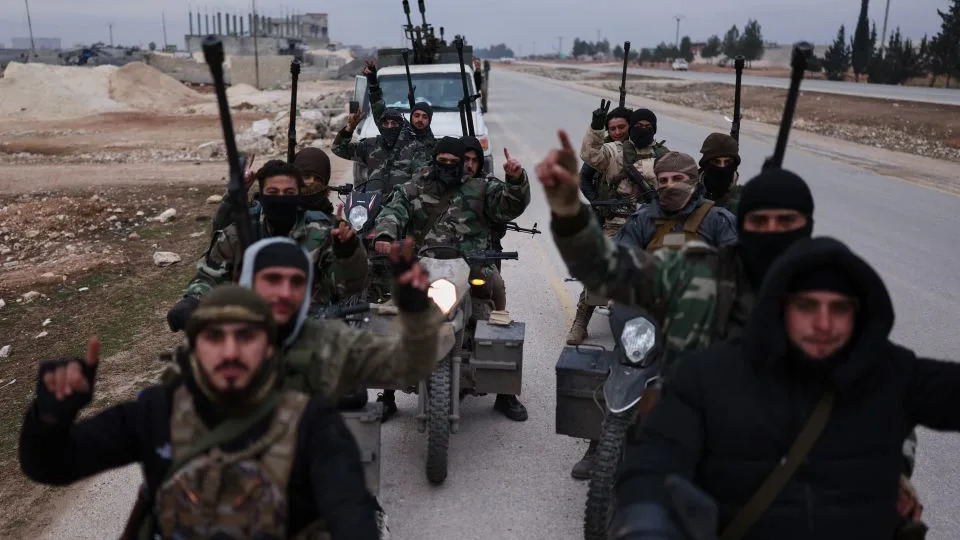
Syrian government soldiers carry machine guns as they ride motorcycles on a road leading to the town of Deir Hafer, Syria, on Saturday. - Ghaith Alsayed/AP
Accusations and Tensions
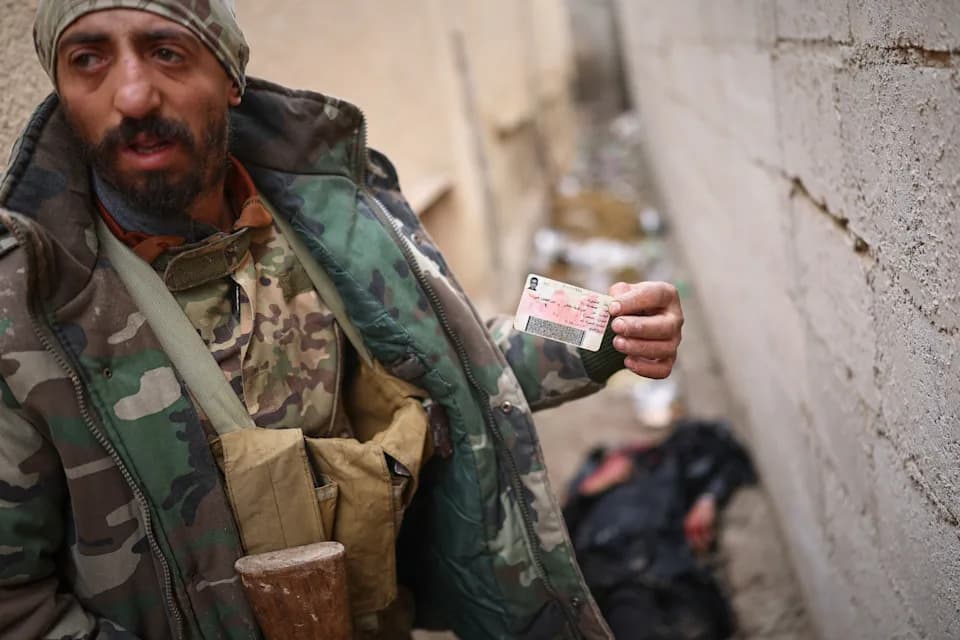
Both sides accused the other of violating withdrawal terms. The SDF said government forces entered towns before Kurdish fighters had completed their redeployment and claimed some SDF fighters were besieged in Deir Hafer. The Syrian military accused Kurdish fighters of firing on an army patrol near Maskanah, killing two soldiers, and of placing explosives on a bridge on the road east to Raqqa.
“Blowing up the bridge would disrupt the agreement, and there would be very severe consequences,” the Syrian army warned in a statement.
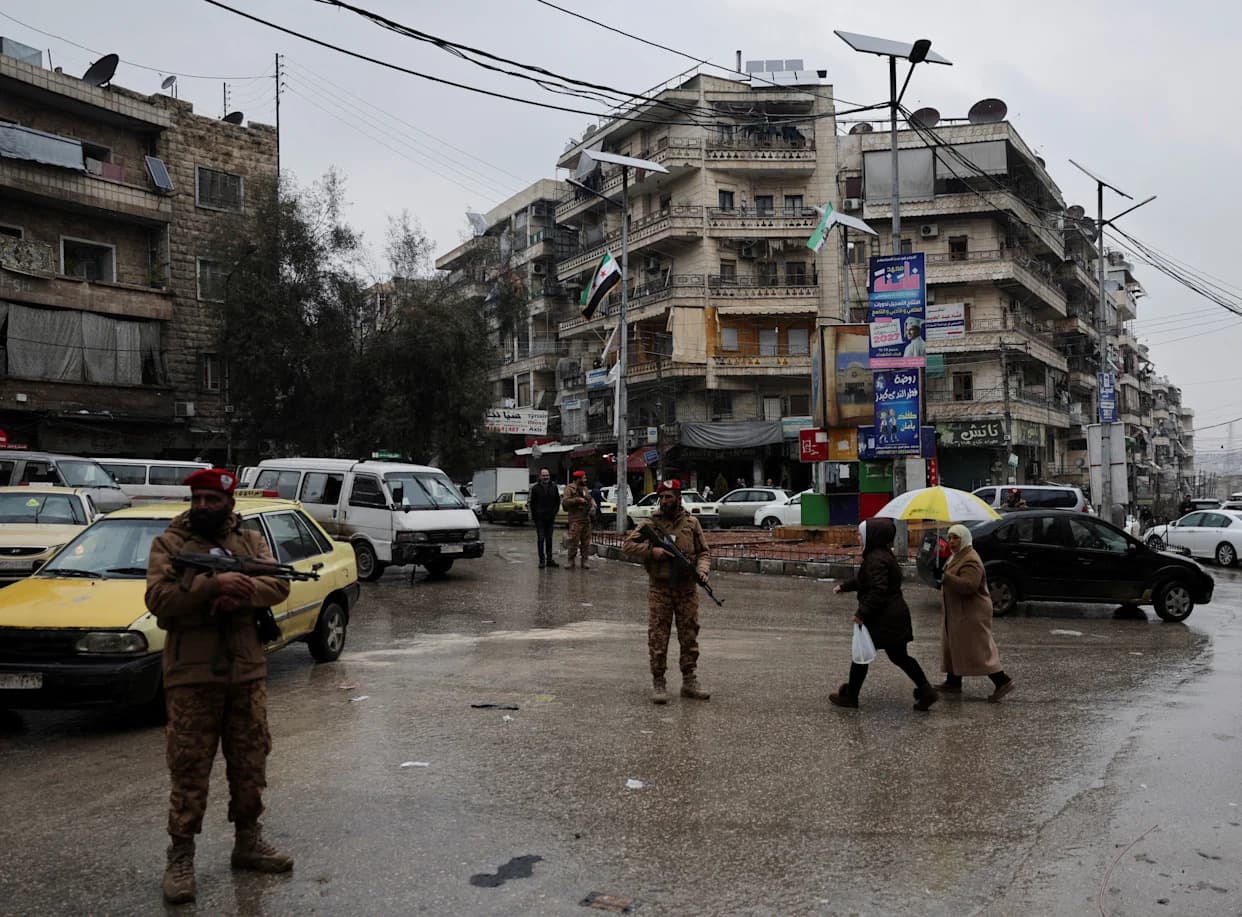
Local Kurdish-led authorities in Raqqa — a governorate with a largely Arab population — later imposed a curfew across parts of the region as tensions mounted.
Politics, Rights and the Path Ahead
The violence continued despite a decree issued by President Ahmed al-Sharaa that promises legal status and cultural rights for Syrian Kurds. The presidency provided CNN with the decree text, which pledges full citizenship rights for Kurds — many of whom lack identity papers — recognizes Kurdish as a “national language” and allows Kurdish-language instruction in public and private schools in areas where Kurds are a significant share of the population.
Analysts say the SDF’s withdrawal from areas east of Aleppo appears driven in part by a wish to avoid a potentially costly confrontation: Kurdish units were pushed out of several Aleppo neighborhoods earlier this month. During the civil war, Kurdish-led authorities established a semi-autonomous administration across much of northern and eastern Syria and have resisted full integration into the central government that came to power after the ouster of former President Bashar al-Assad in late 2024.
Damascus struck a deal with the SDF last year that envisaged integrating Kurdish fighters into a reformed Syrian army by the end of 2025, but progress has been limited and both sides blame the other for delays. US envoy Tom Barrack and other mediators have been involved in efforts to finalize a settlement.
Whether the presidential decree and the SDF’s redeployment will lead to a broader political agreement and an end to recurring clashes remains uncertain.
Help us improve.