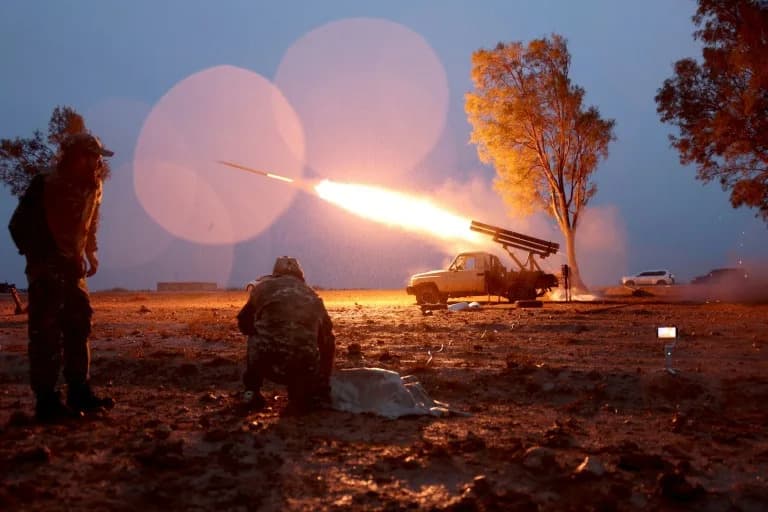
Thousands of civilians began evacuating areas east of Aleppo after the Syrian army issued a deadline for residents to leave amid fears of renewed clashes with Kurdish-led forces. Authorities set up an army corridor near Deir Hafer that was due to close at 5:00 pm (1400 GMT), while the SDF denied accusations it blocked exits. Kurdish officials warned the escalation could threaten security at camps and prisons holding IS detainees. Damascus insists on reintegration under a unified state and rejects Kurdish demands for formal federal autonomy.
Thousands Flee East Of Aleppo After Army Evacuation Order As Kurds And Damascus Trade Accusations
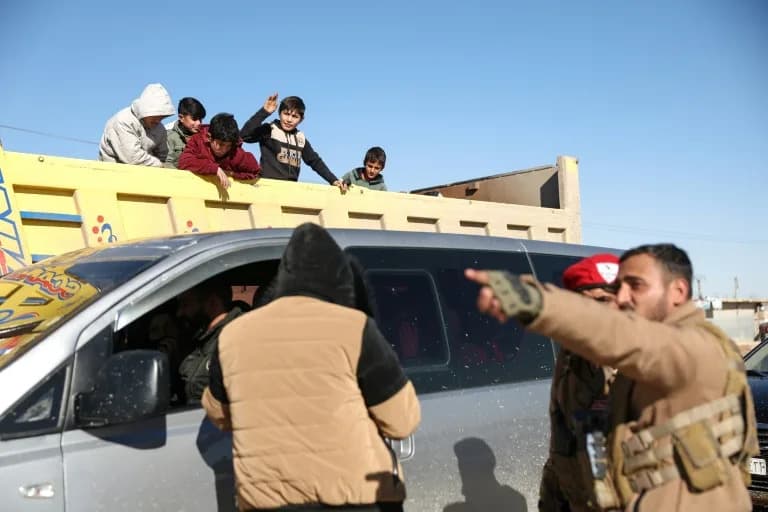
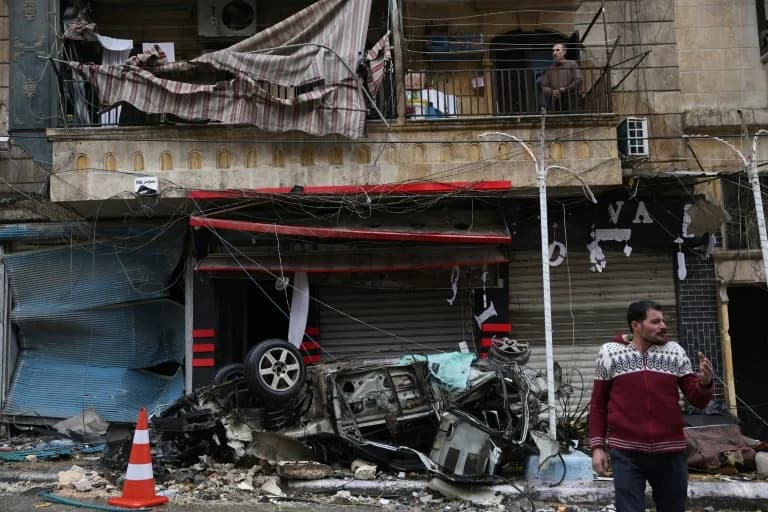
Damascus has accused the SDF of preventing people from leaving (OMAR HAJ KADOUR)(OMAR HAJ KADOUR/AFP/AFP)
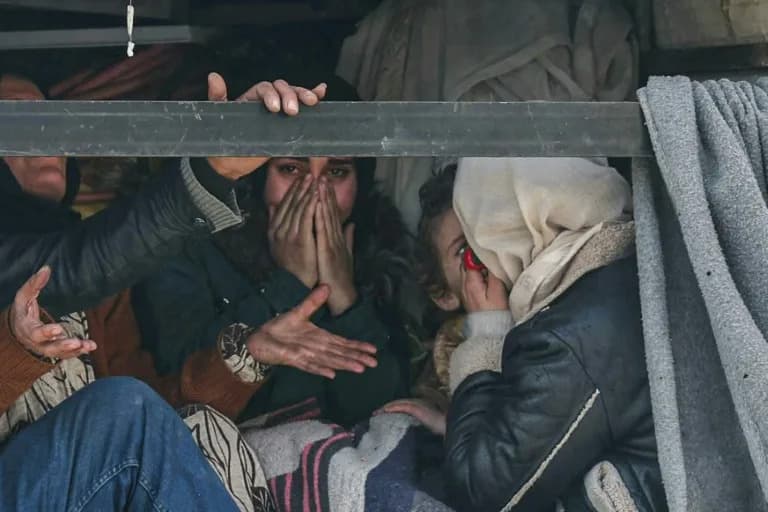
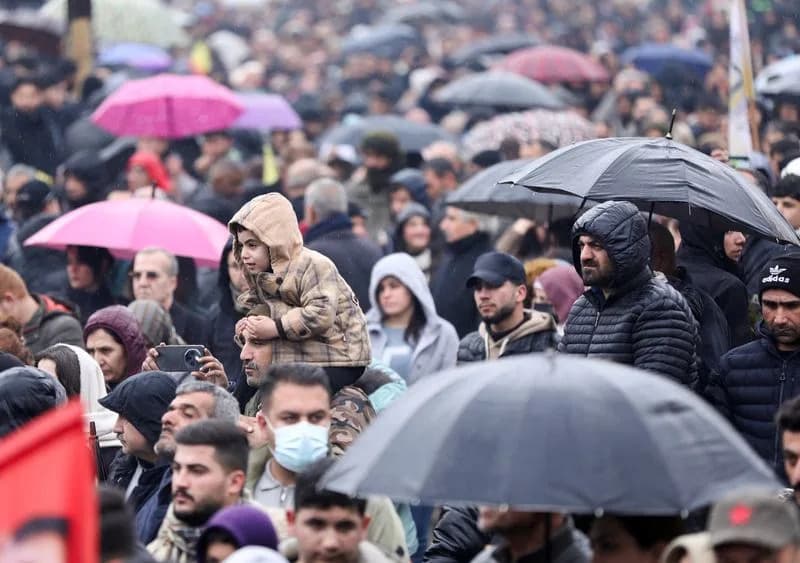
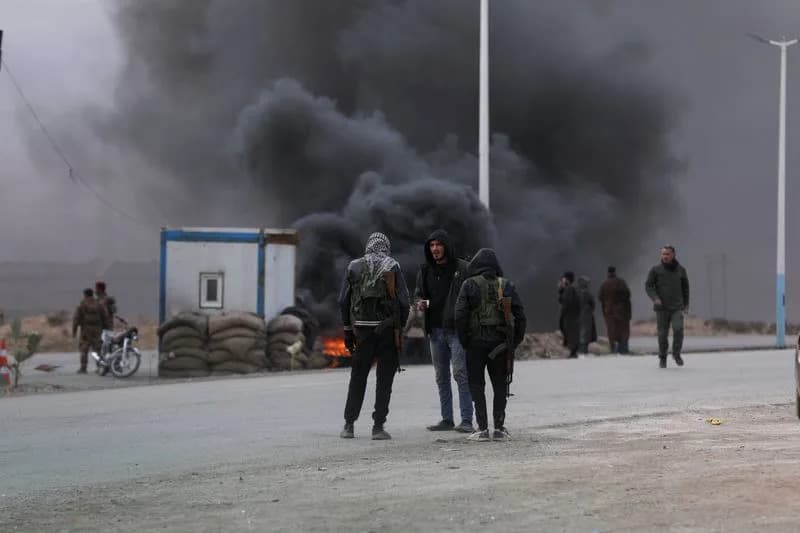
Thousands of civilians began leaving areas east of Aleppo on Thursday after the Syrian army issued a deadline for residents to evacuate, raising fears that the order could presage an escalation in clashes with Kurdish-led forces.
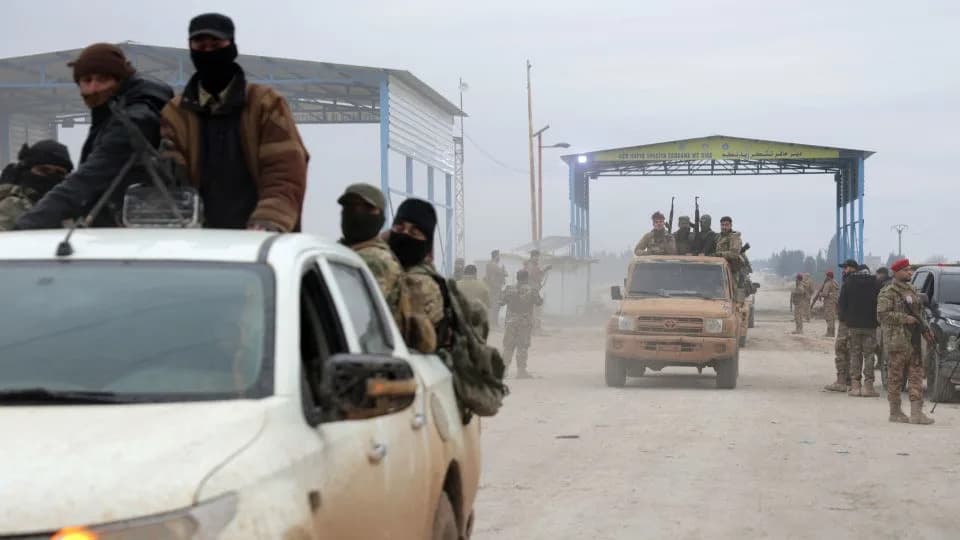
An AFP correspondent near Deir Hafer — one of several towns under Kurdish control and now under government scrutiny — reported long columns of cars, trucks and people on foot using a corridor established by the army. Authorities said the evacuation route would close at 5:00 pm (1400 GMT).
Residents and local witnesses gave differing accounts of the evacuation. Mahmud al-Mussa, 30, told AFP: "Thousands of people have not left," accusing the US-backed, Kurdish-led Syrian Democratic Forces (SDF) of preventing departures and saying, "They want to use civilians as human shields." The SDF denied those claims; a spokesperson described the accusations as "unfounded."
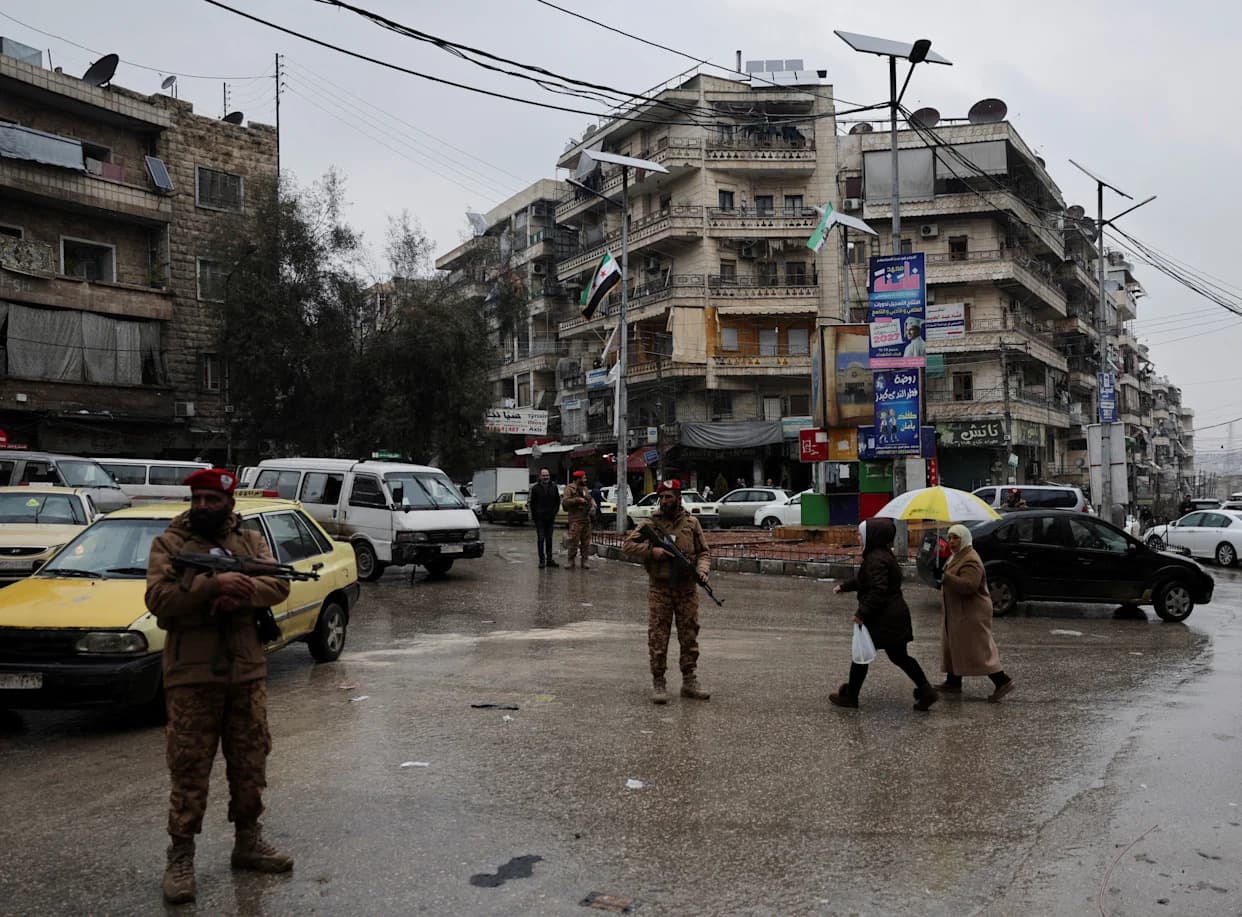
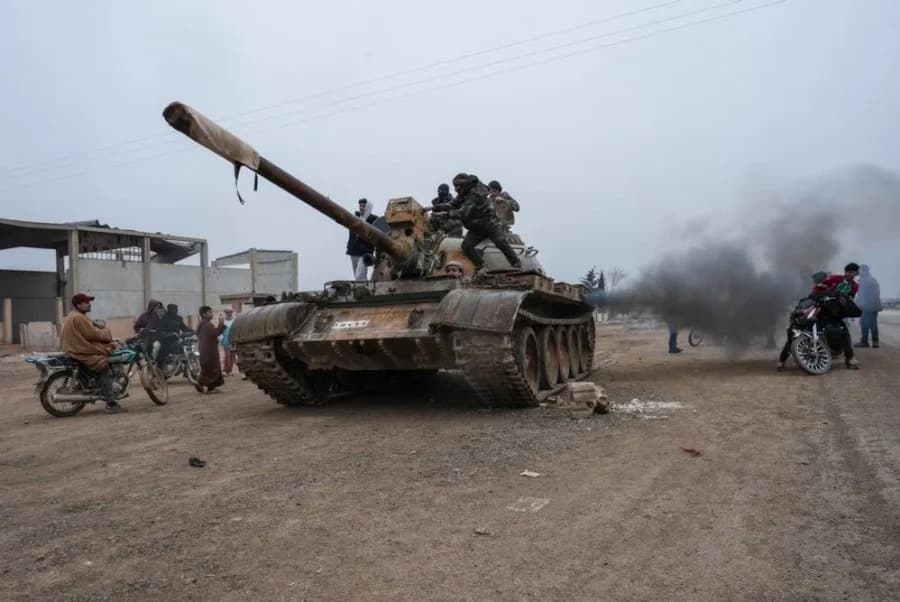
The area targeted by the evacuation order stretches from around Deir Hafer, roughly 50 kilometres east of Aleppo, toward the Euphrates River about 30 kilometres further east and into neighbouring southern approaches. Damascus has deployed additional forces to the region and also accused Kurdish forces of blocking exits.
Local residents described precarious travel conditions. Nadima al-Wayss, 54, recounted how she, her brother and her niece used an alternate route that required crossing a damaged bridge to leave Deir Hafer: "Good people helped me cross the bridge... I was afraid I would fall."
Security Concerns And Political Stakes
The SDF controls large swathes of Syria's oil-rich north and northeast — territory it established during the civil war and the campaign against the Islamic State (IS) group. Kurdish authorities said they remain open to dialogue with Damascus and urged the international community to help avert a new wave of conflict.
Officials with the Kurdish-led autonomous administration warned that renewed hostilities could trigger "general instability" and pose "a real threat to the security of prisons holding ISIS members." Camps and detention centres in the Kurdish-administered northeast still hold tens of thousands of people, many alleged or perceived to have links to IS, more than six years after the group's loss of territory in Syria.
Damascus has pushed to reintegrate Kurdish-held areas after reaching a March agreement aimed at folding a de facto Kurdish administration into the state — a deal whose implementation has since slowed amid mutual mistrust. Syrian government officials say the agreement envisages a unified state and reject demands for formal federal autonomy; Kurdish representatives continue to press for a decentralized or federal system as part of any political settlement.
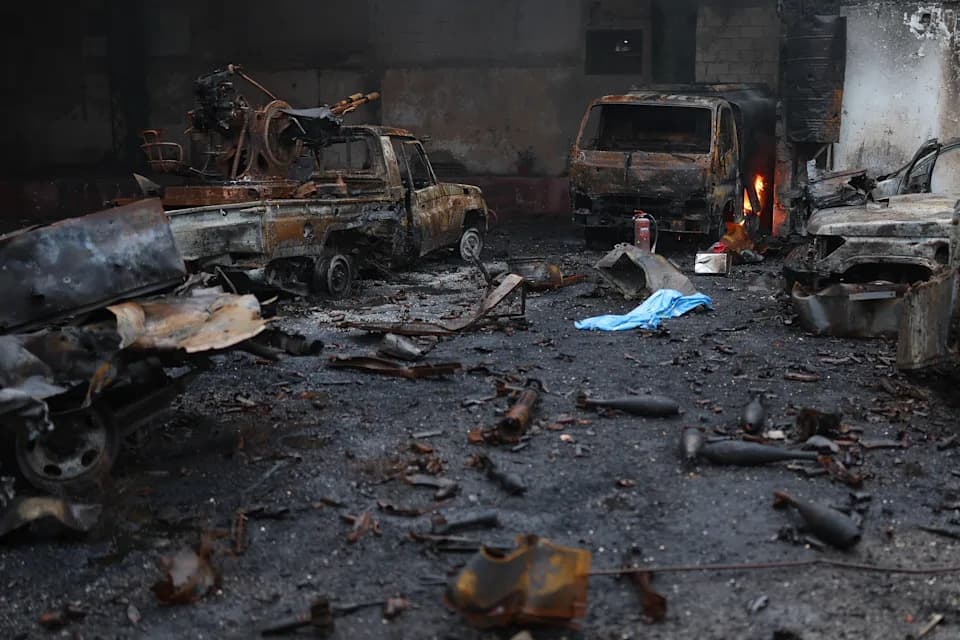
Observers warn that any escalation in the east of Aleppo could complicate efforts to stabilize Syria and shore up security around detention centres holding extremist suspects. International actors and humanitarian organisations have urged all parties to protect civilians and ensure safe, unimpeded evacuation routes.
Help us improve.