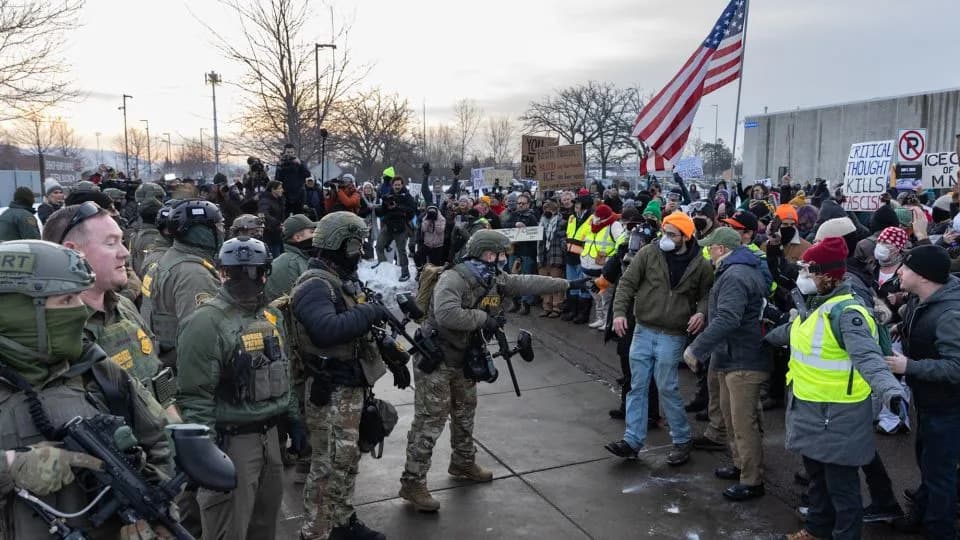
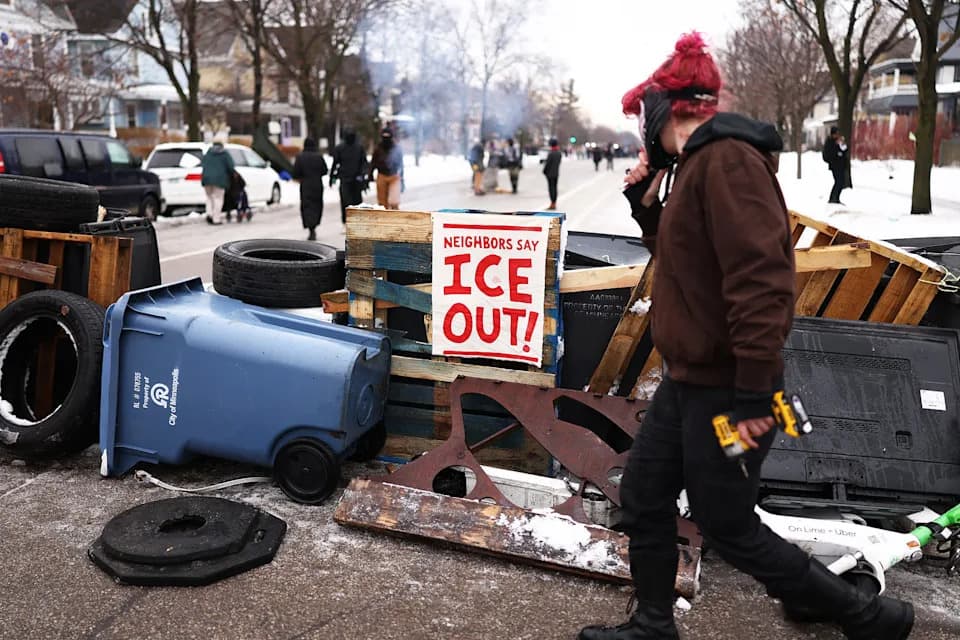
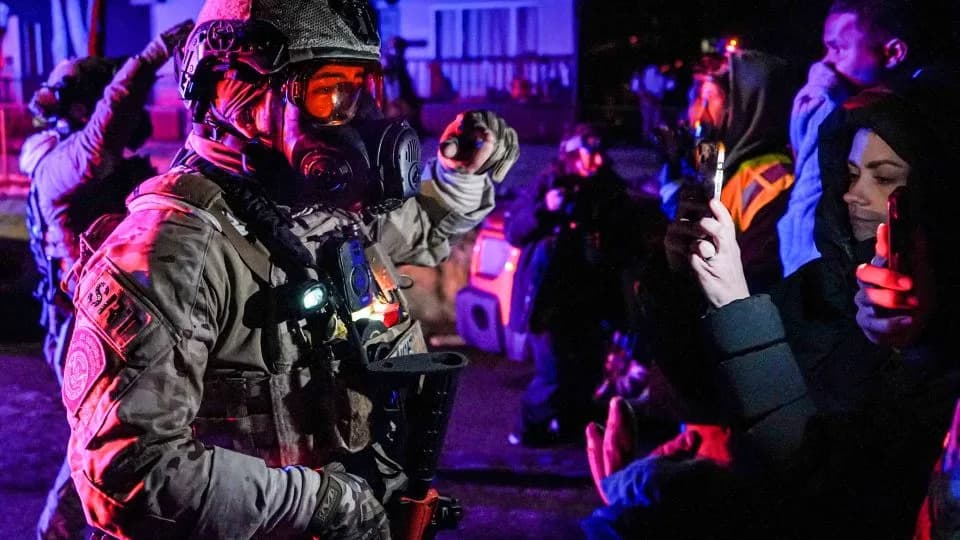
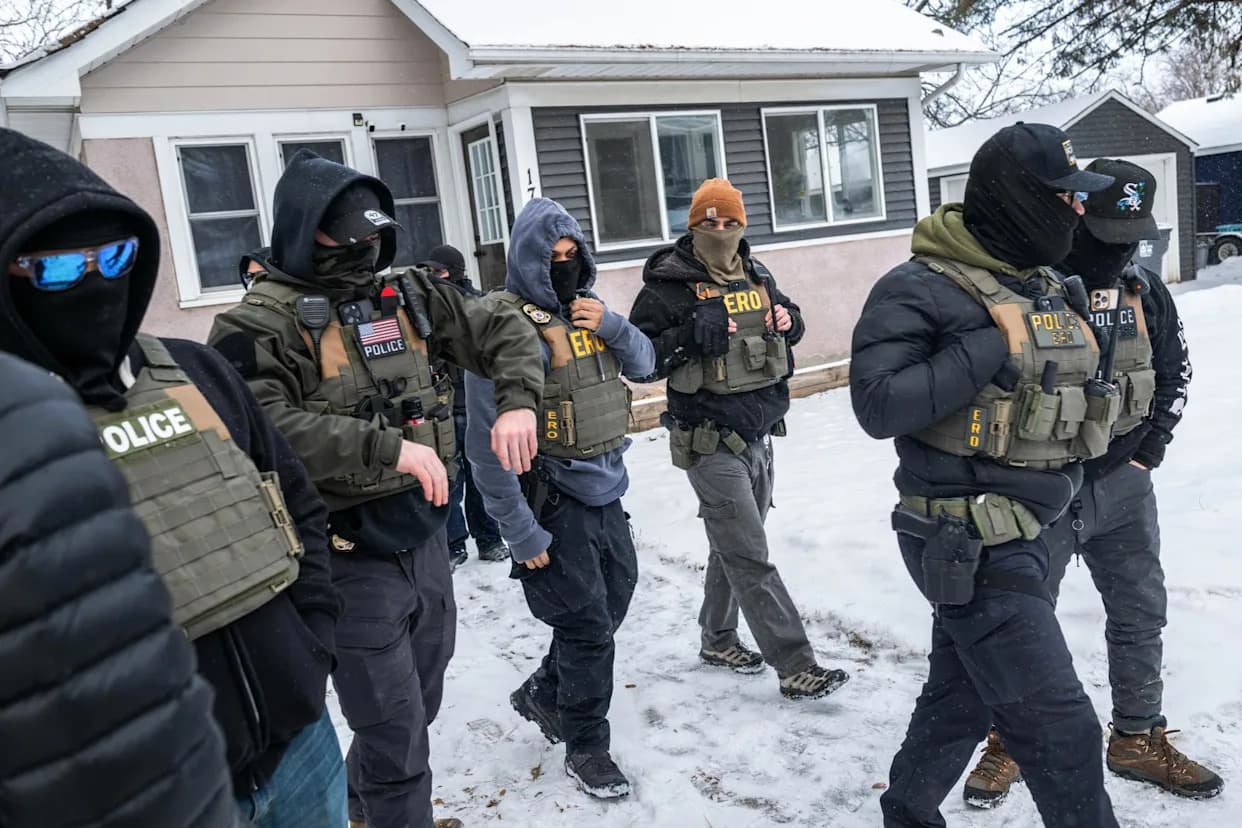
Minnesota has seen a surge in aggressive ICE activity, including the fatal shooting of Renee Nicole Goodin and the detention of a 5‑year‑old. State senator Erin Maye Quade’s TikTok warning — viewed more than 3 million times — stresses that enforcement can reach suburbs and small towns and often happens without warrants. She urges communities to organize constitutional‑observer training, regional communication networks, mutual aid, and prepared DOPA forms; businesses should know I‑9 audit rules and common enforcement tactics.
ICE Is Coming To Cities, Suburbs And Towns — How Communities Can Prepare Now
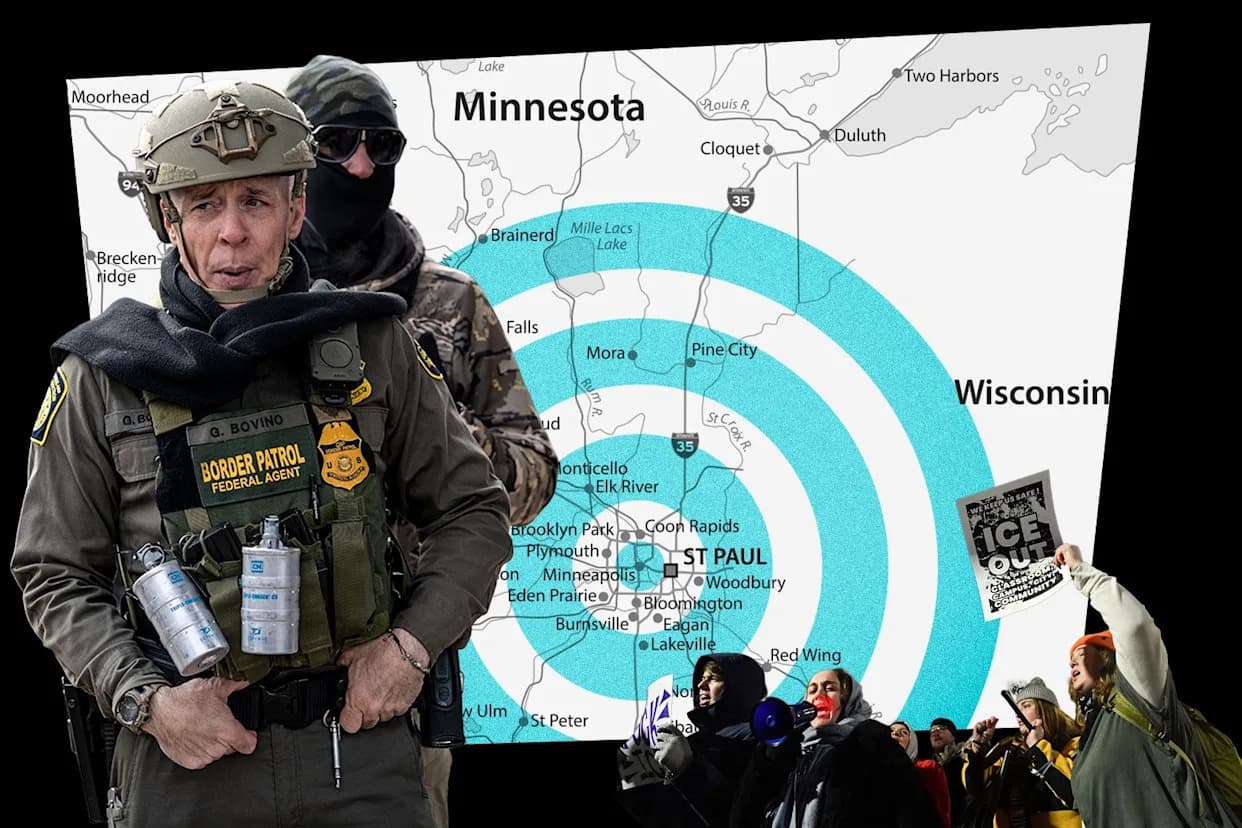
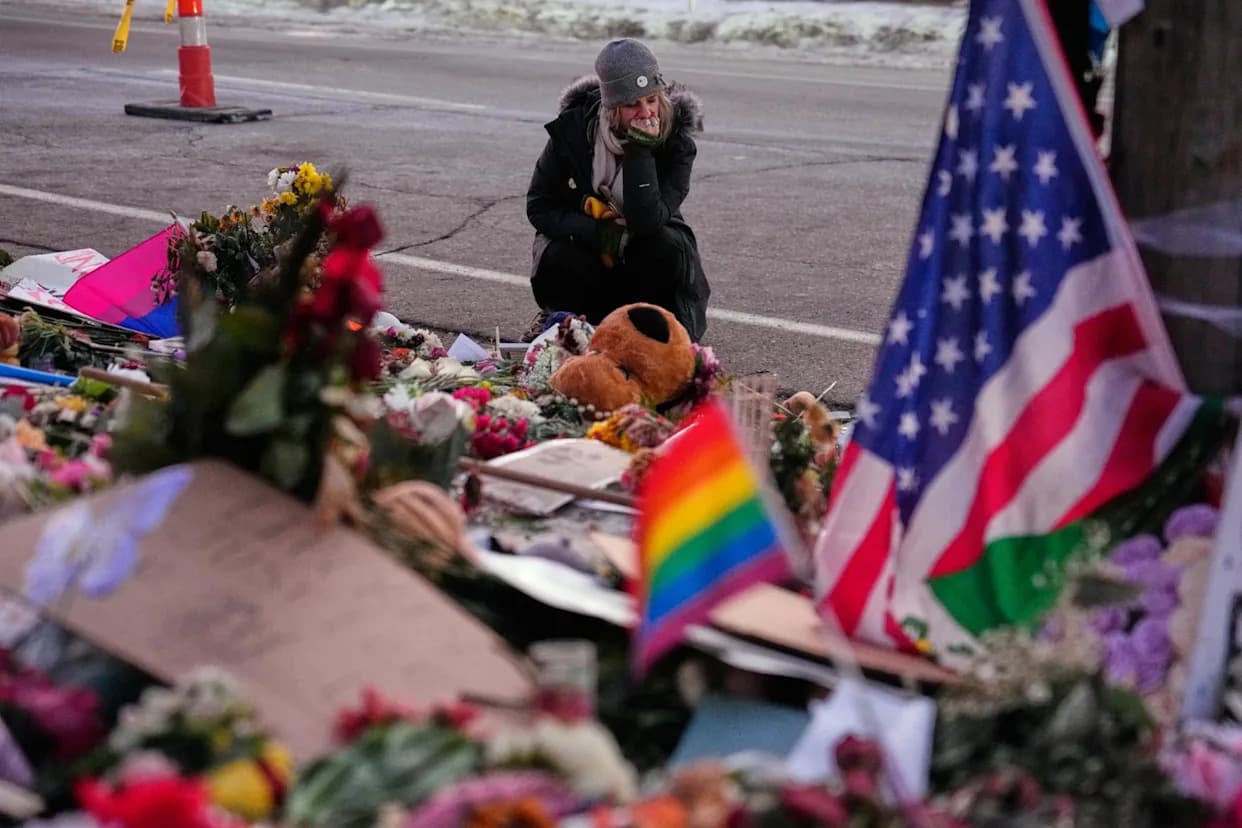
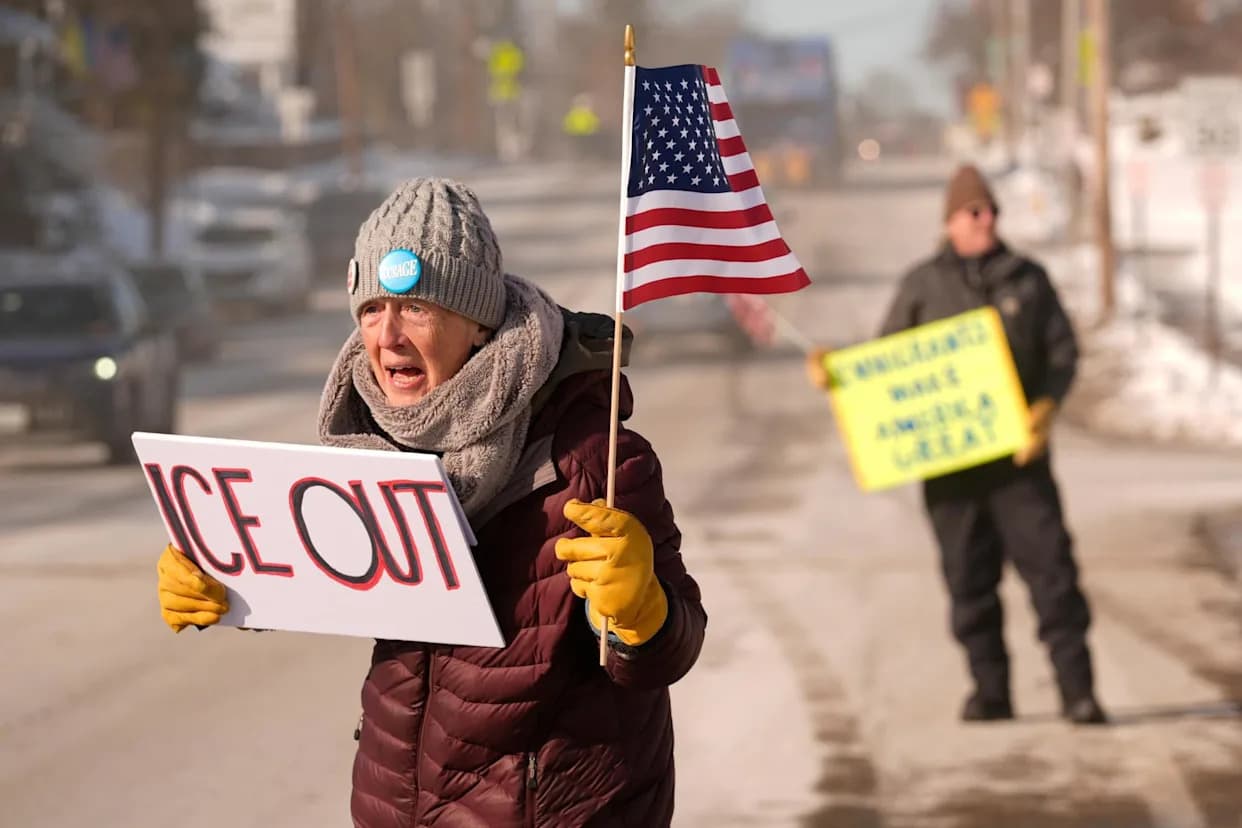
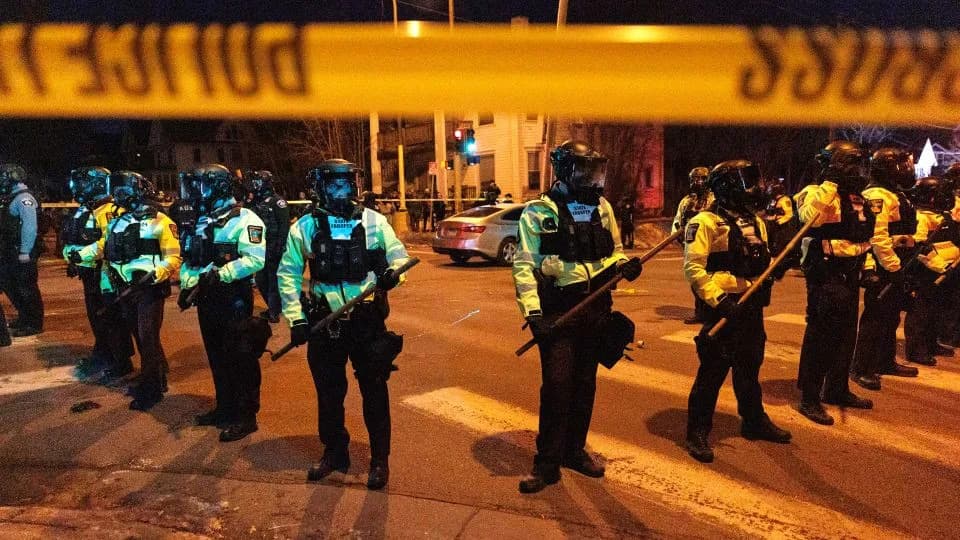
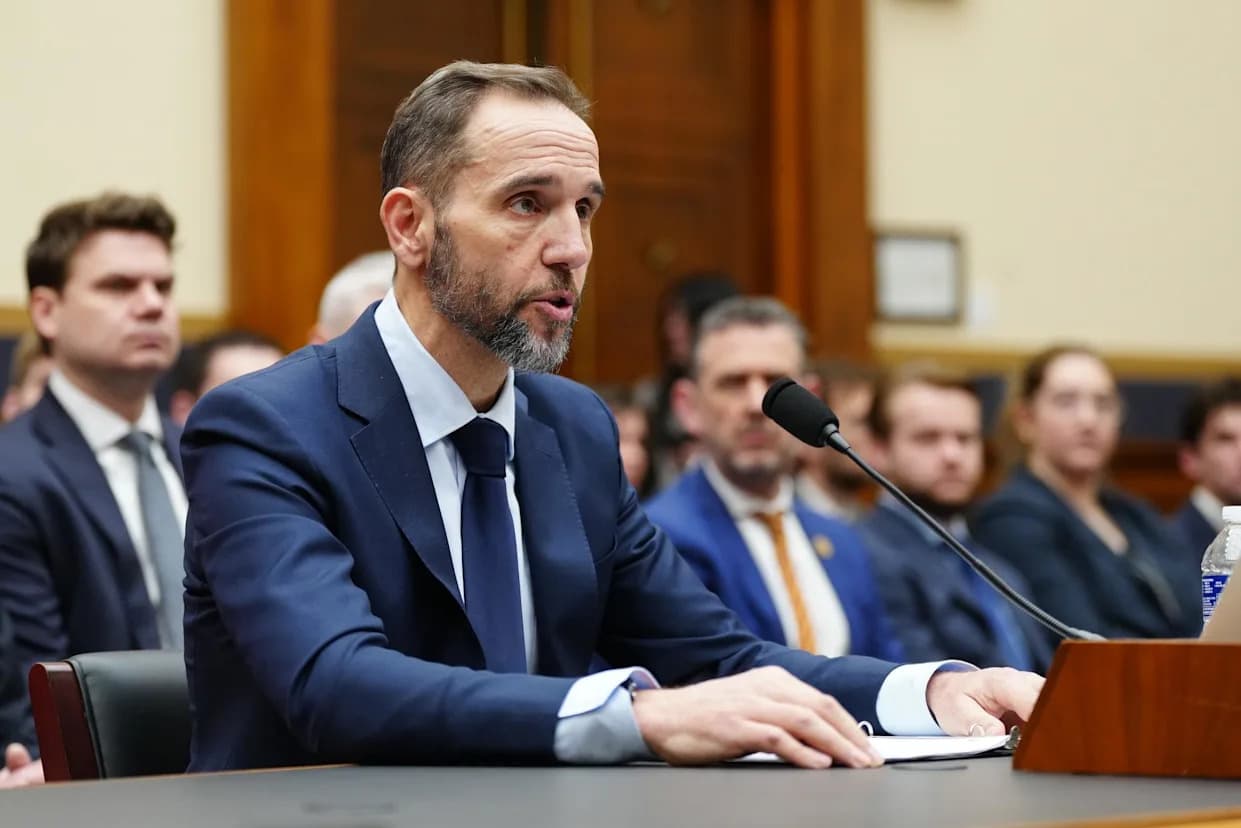
In recent weeks Minnesota has seen aggressive immigration-enforcement actions that many considered unimaginable: federal Immigration and Customs Enforcement (ICE) agents fatally shot Renee Nicole Goodin and detained a 5‑year‑old boy as he returned from school. State senator Erin Maye Quade — who has repeatedly witnessed ICE arrests in her district — posted a TikTok warning that has been viewed more than 3 million times, stressing that these operations are not limited to big cities or specific neighborhoods.
“I’m here to dispel that myth for you. That is not the case.” — Sen. Erin Maye Quade
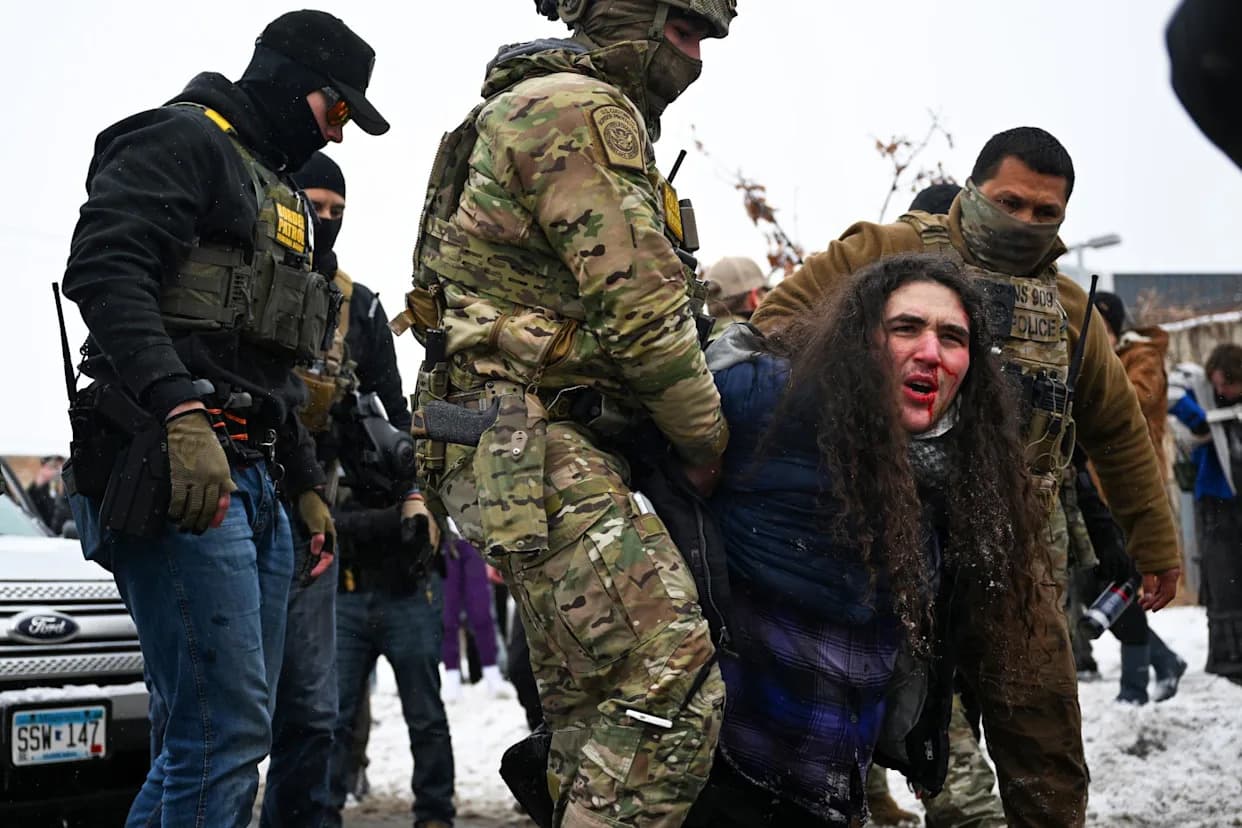
Maye Quade, who lives in the Minneapolis suburb of Apple Valley, says ICE activity in Minnesota now reaches rural, suburban and urban communities and, by her account, the agency’s presence in the state exceeds the combined number of local law‑enforcement officers in Minnesota’s 10 largest metropolitan areas. She reports agents operating without judicial warrants or vetted lists, instead moving through neighborhoods and detaining people they encounter doing ordinary tasks.
Why This Matters Outside Minnesota
Two days after the senator’s video circulated, the Department of Homeland Security announced “Operation Catch of the Day” in Maine — evidence that this kind of enforcement is expanding to other states. Maye Quade shared practical advice for communities nationwide on how to prepare and protect residents.
Practical Steps Communities Should Take
1. Train Constitutional Observers
Set up or arrange training now — for example, the Handbook for Constitutional Observers produced by Immigrant Defense Network and COPAL. The handbook and trainings teach people how to legally observe and document law‑enforcement interactions, and how to share information about civil rights and due process without interfering with officers.
2. Organize Neighborhood Networks
Divide communities into zones or regions and create encrypted group chats (many organizers use Signal) to report ICE activity in real time. Assign roles: group vetting, street reporting, mutual‑aid coordination and safety patrols. Establish mutual‑aid systems for food, medicine, transportation, and childcare when people are detained.
3. Prepare DOPA Forms
Complete Delegation Of Parental Authority (DOPA) forms in advance so a trusted adult can care for a child temporarily if parents are detained. A DOPA allows a designee to make decisions about medical care and custody for up to a year without transferring parental rights.
4. Personal Safety And Documentation
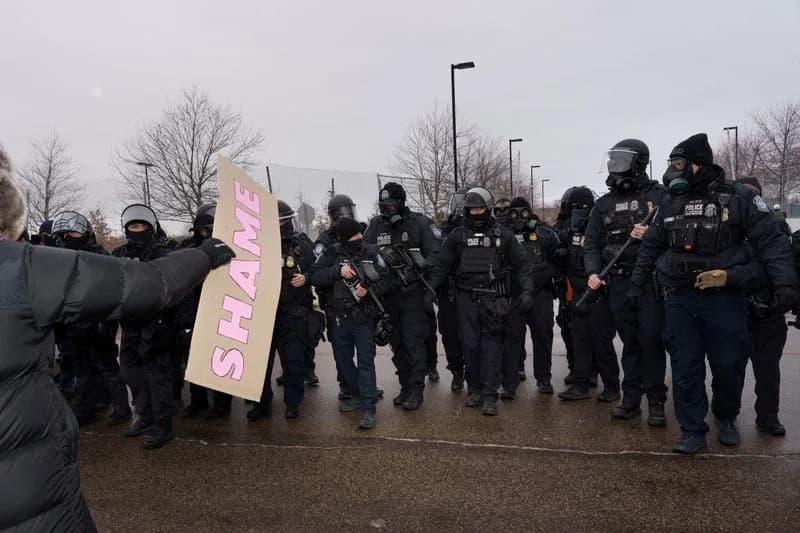
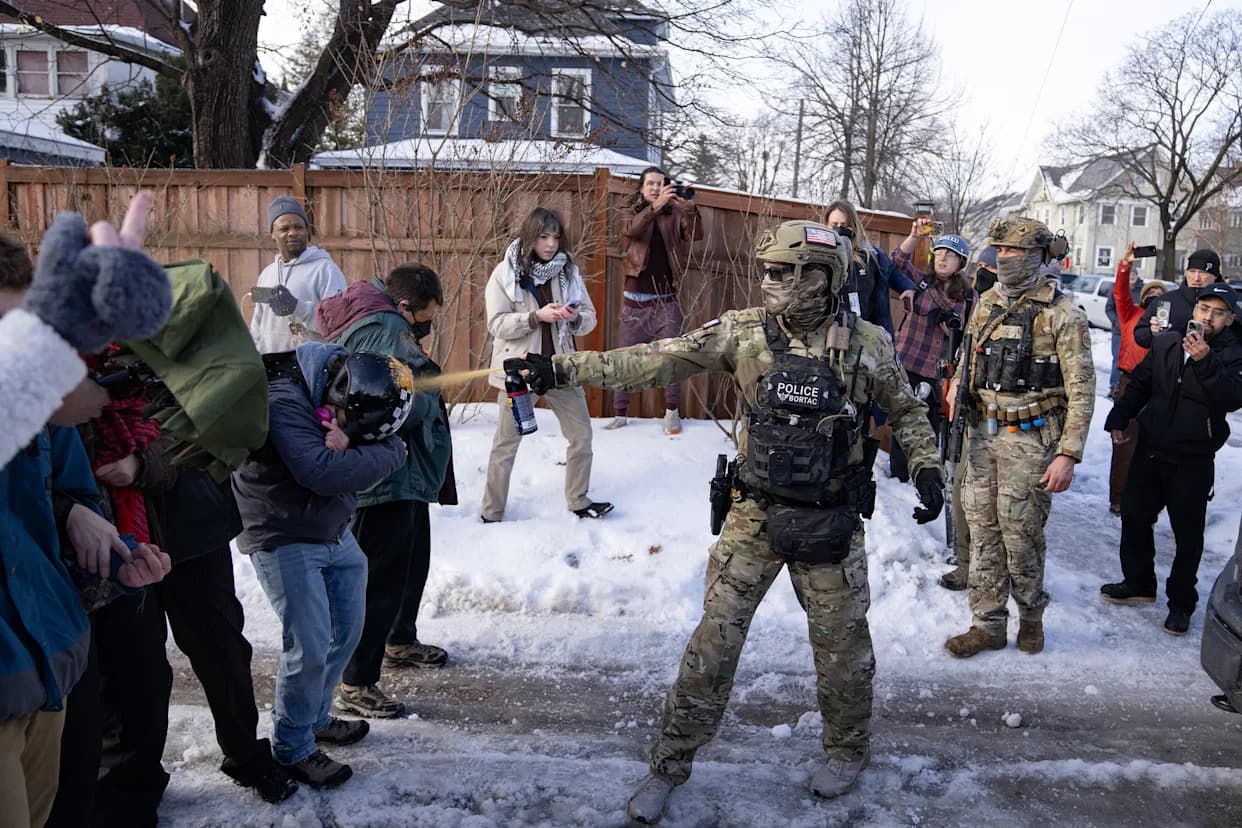
Keep phones charged, carry whistles, and have water or saline on hand to flush eyes if pepper spray is used. It is legal to record federal agents in public, but observers should be aware that agents sometimes treat bystanders and observers like protesters. If tear gas or pepper spray is used, close car vents and turn off heaters to reduce exposure.
5. Help Local Businesses Prepare
Businesses should learn their legal rights about restricting access to private property and enforcing codes of conduct. Be ready for I‑9 audits — federal audits of employment eligibility documentation — which typically require at least three days’ notice. Also be aware of tactics sometimes used by agents, such as staged incidents or deceptive requests for help designed to draw people out.
Who Is Being Targeted?
Contrary to official claims that enforcement focuses on the most dangerous offenders, Maye Quade says many detained people in Minnesota are U.S. citizens, lawful permanent residents, or people admitted lawfully. She reports a pattern of operations that disproportionately affect Black, brown and Asian community members, many of whom have committed no crime.
Final Notes
Maye Quade’s message is both a warning and a call to action: organize now, learn legal observer practices, prepare families and businesses, and build mutual‑aid networks so communities can respond swiftly and safely if ICE operations arrive in their town.
Help us improve.