UN Special Rapporteur Mai Sato says she has received reports that Iranian security forces removed wounded protesters from hospitals and detained them, a potential violation of medical neutrality under international law. Families report ransom demands of $5,000–$7,000 to reclaim bodies, worsening economic strain. Rights group HRANA and official figures give differing death tolls; Sato believes casualties exceed official numbers. She warns raids and arrests at hospitals deter people from seeking care and cites reports of targeted chest and head shots and pellet-related eye injuries.
UN Expert Says Iranian Security Forces Removed Wounded Protesters From Hospitals; Families Face Ransom Demands
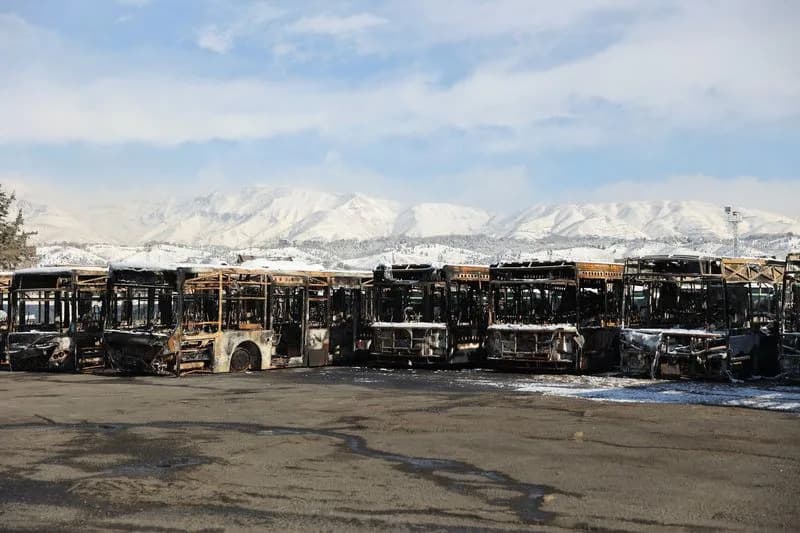
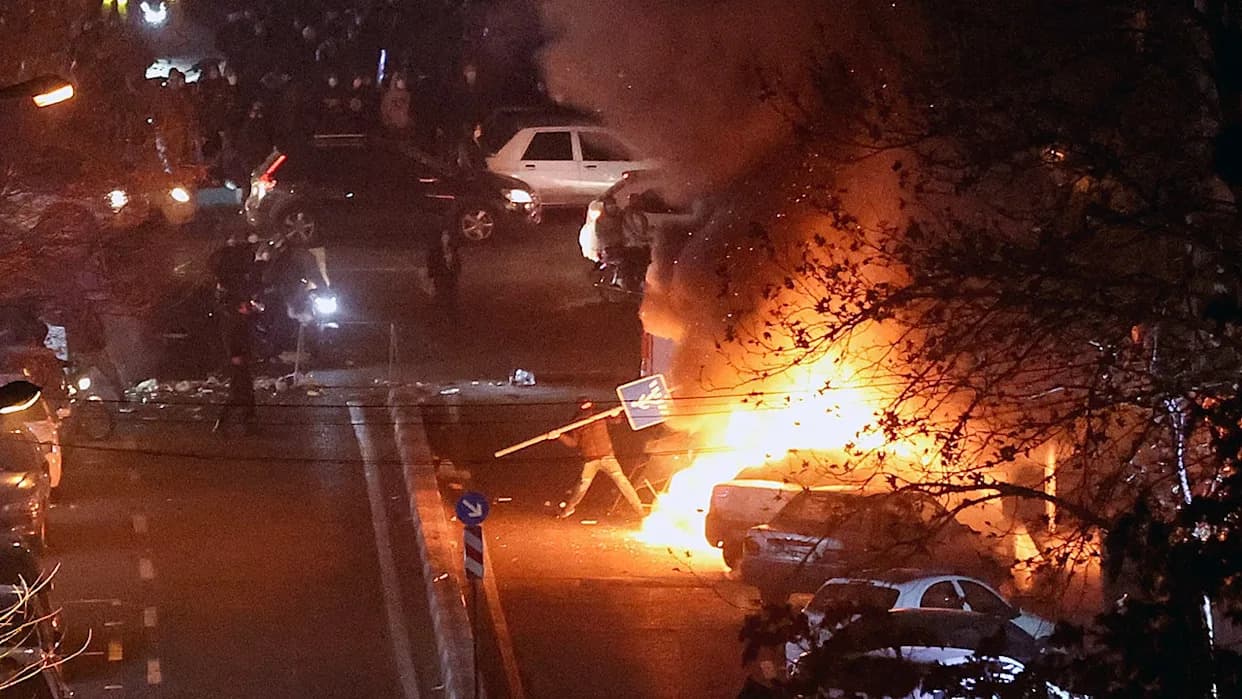
Buses that were burned during Iran's protests, in Tehran, Iran, January 21, 2026. Majid Asgaripour/WANA (West Asia News Agency) via REUTERS
GENEVA/DUBAI, Jan 26 (Reuters) - A United Nations expert on Iran said on Monday she has received multiple reports that Iranian security forces removed wounded protesters from hospitals and detained them, actions that would violate the right to medical care under international law.
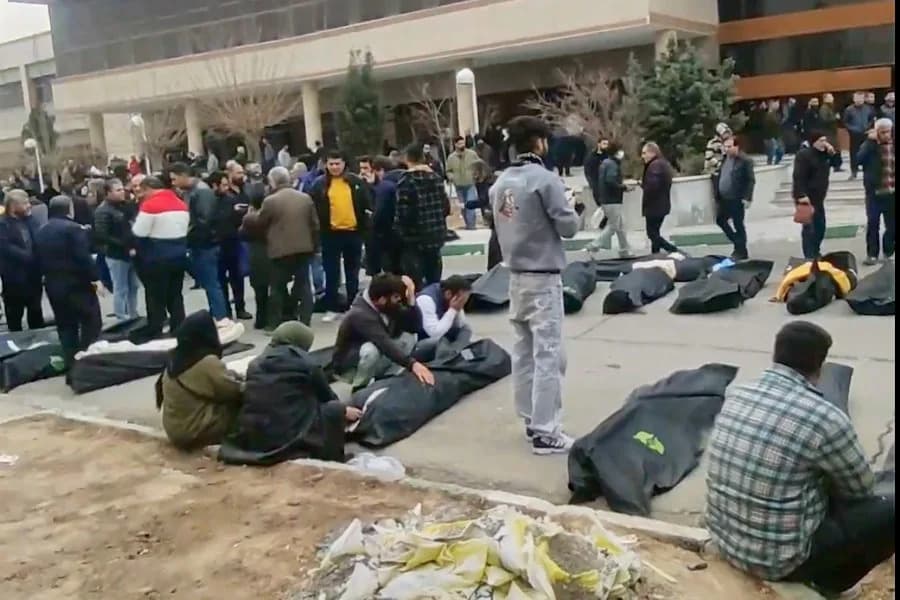
Mai Sato, the U.N. Special Rapporteur on Iran, told Reuters in a video interview that relatives have also been asked to pay ransoms of between $5,000 and $7,000 to recover the bodies of loved ones — a devastating financial burden amid Iran's mounting economic difficulties.
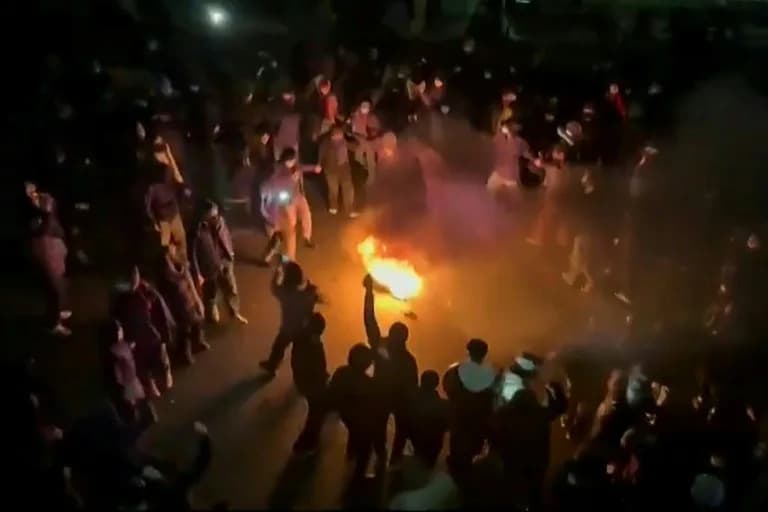
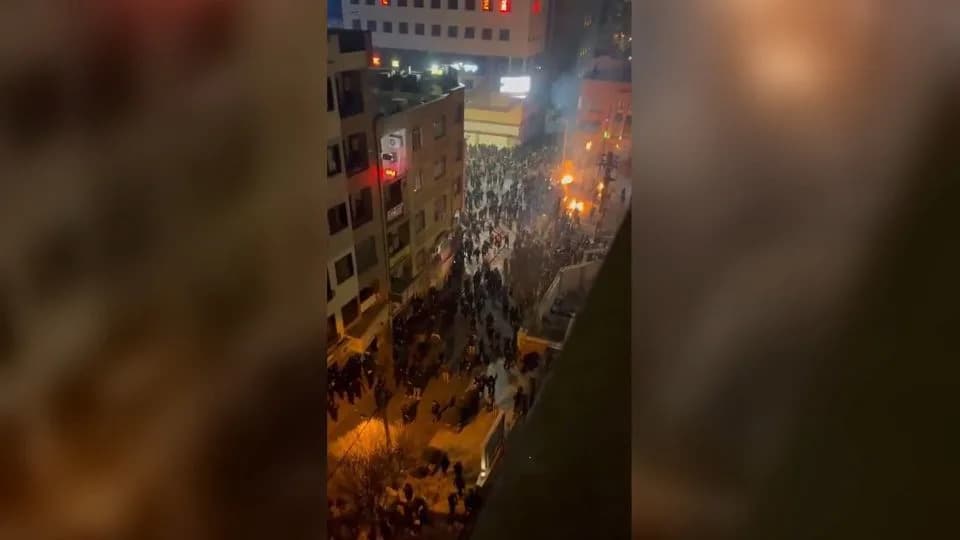
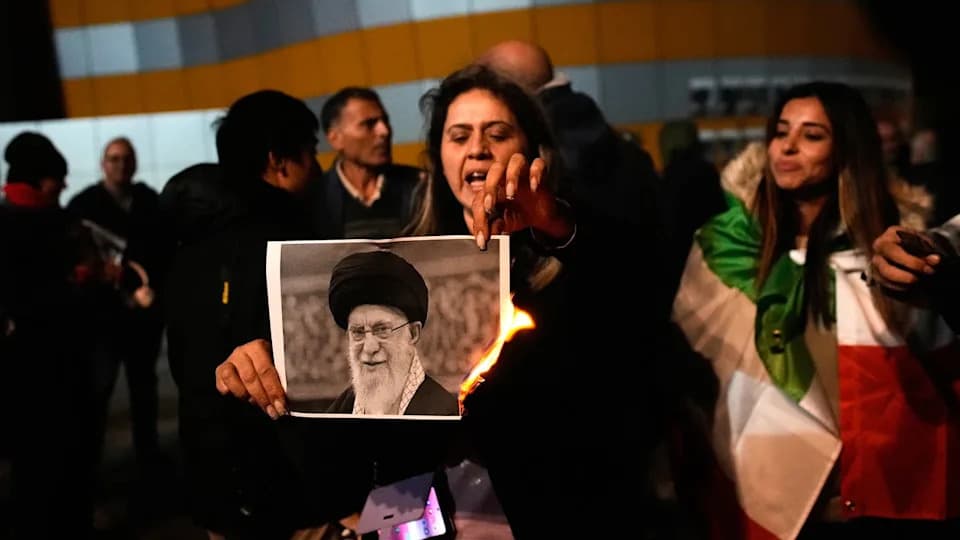
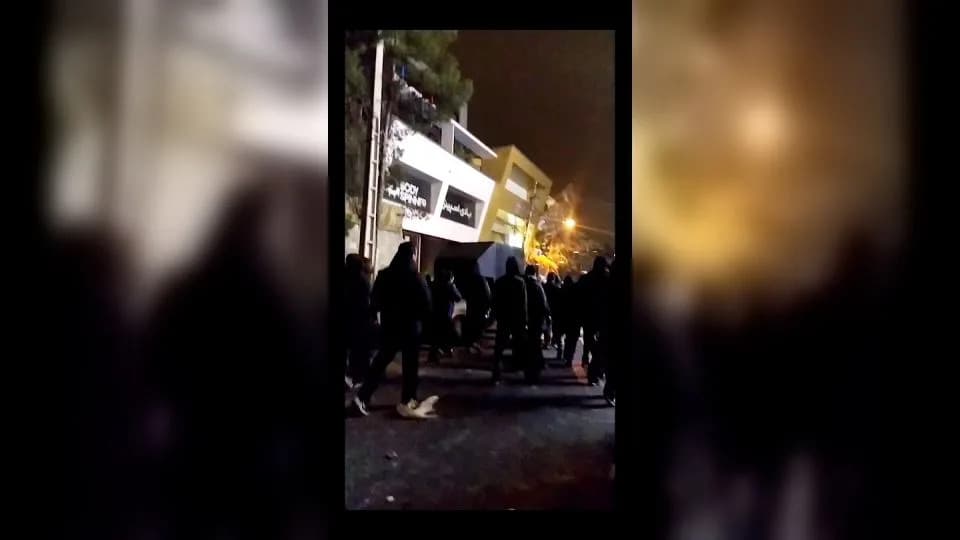
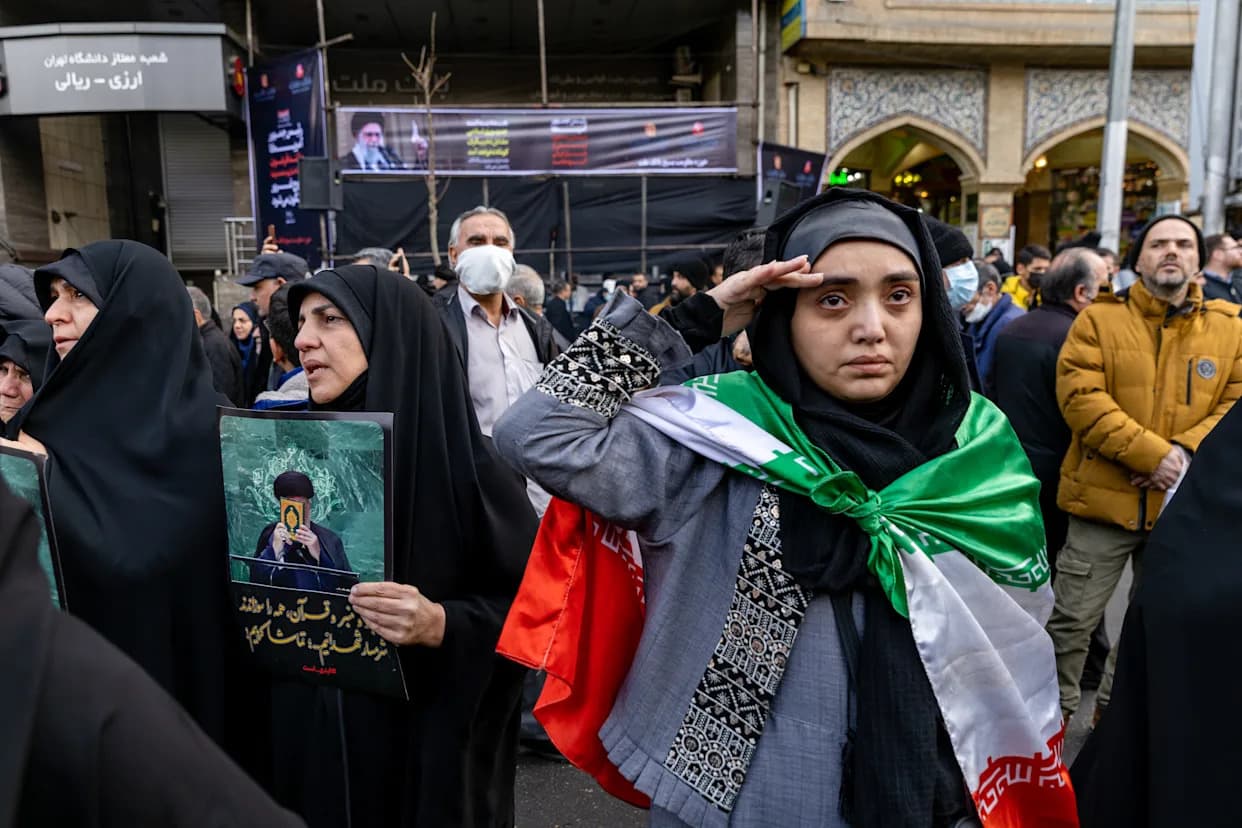
The anti-government protests that began in December have prompted the most violent state response since the 1979 Islamic Revolution and have drawn international condemnation. Iran has restricted internet access since Jan. 8, complicating independent verification of events on the ground.
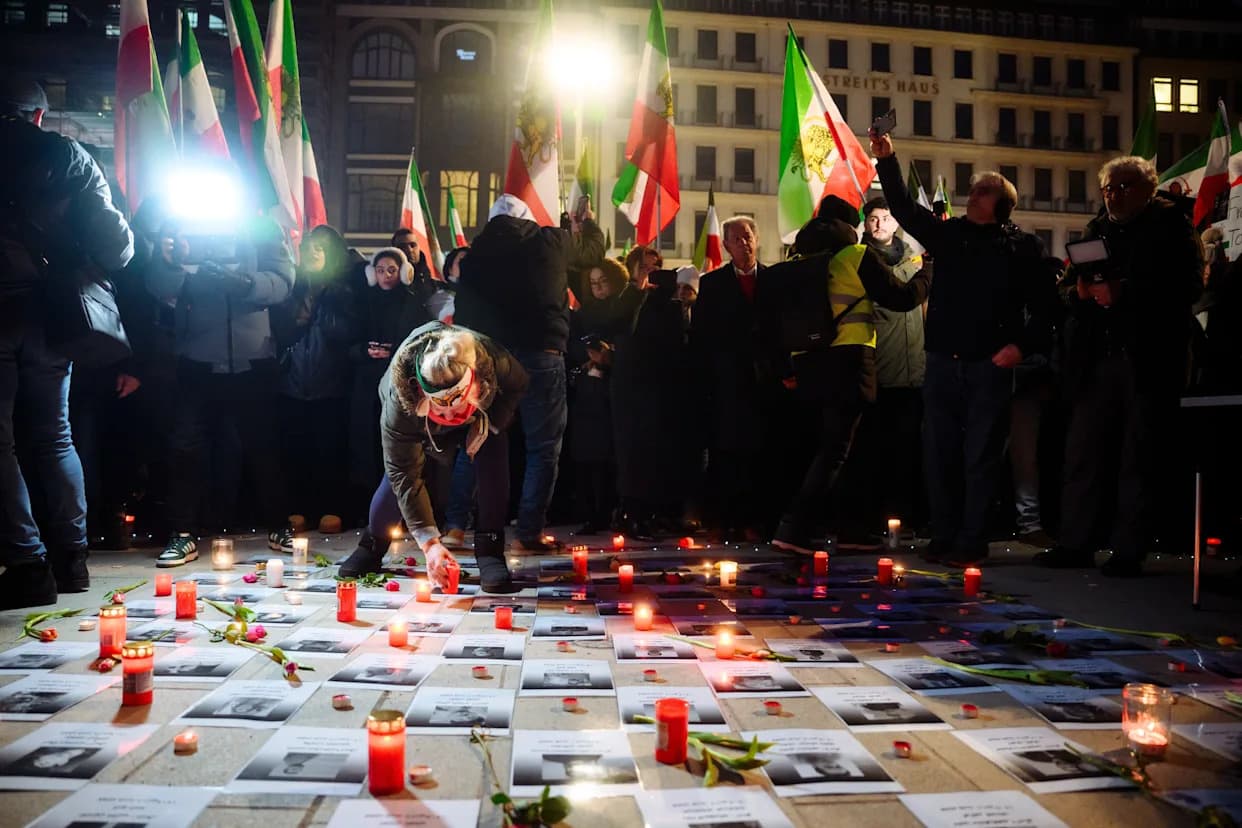
U.S.-based rights group HRANA estimates the death toll related to the unrest at 5,937, including 214 security personnel. Iranian official figures list 3,117 fatalities. Reuters and Sato say they cannot independently verify either figure but Sato believes casualties likely exceed official counts.
Reports From Hospitals
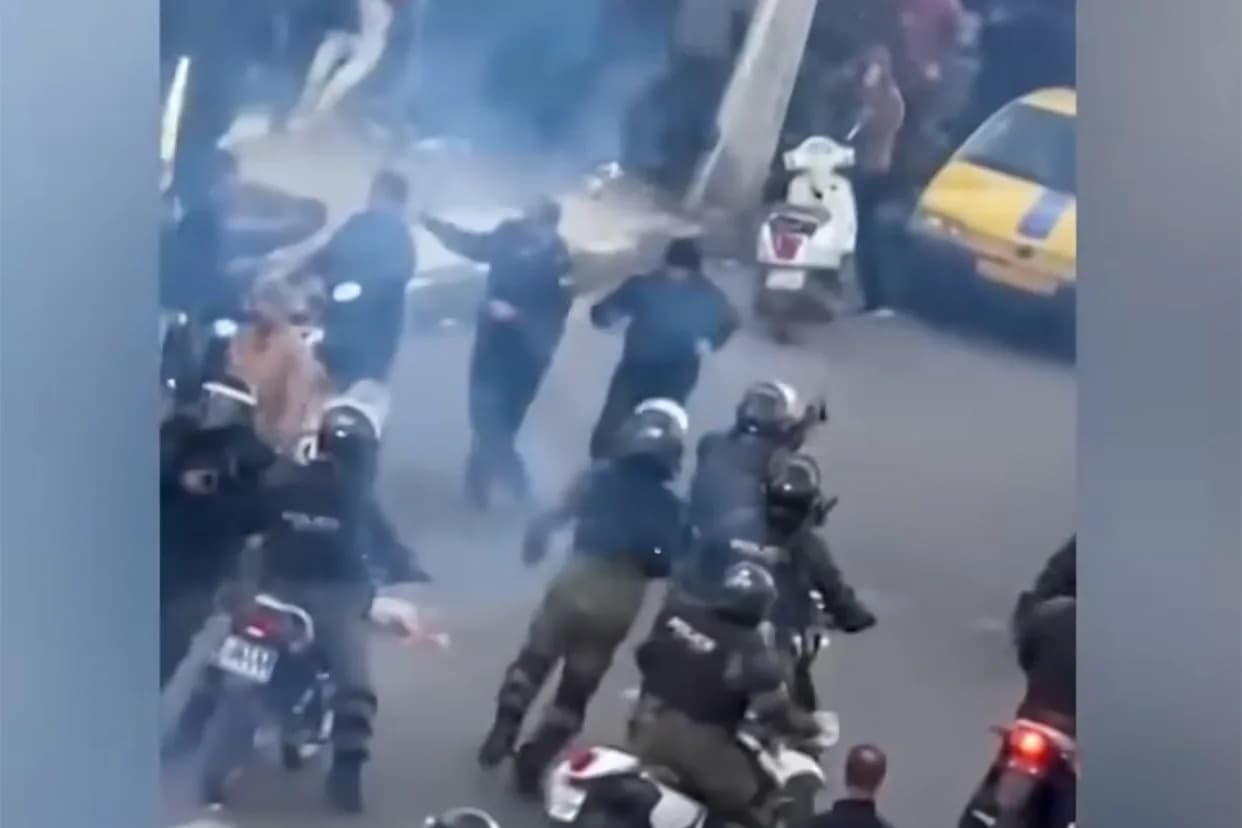
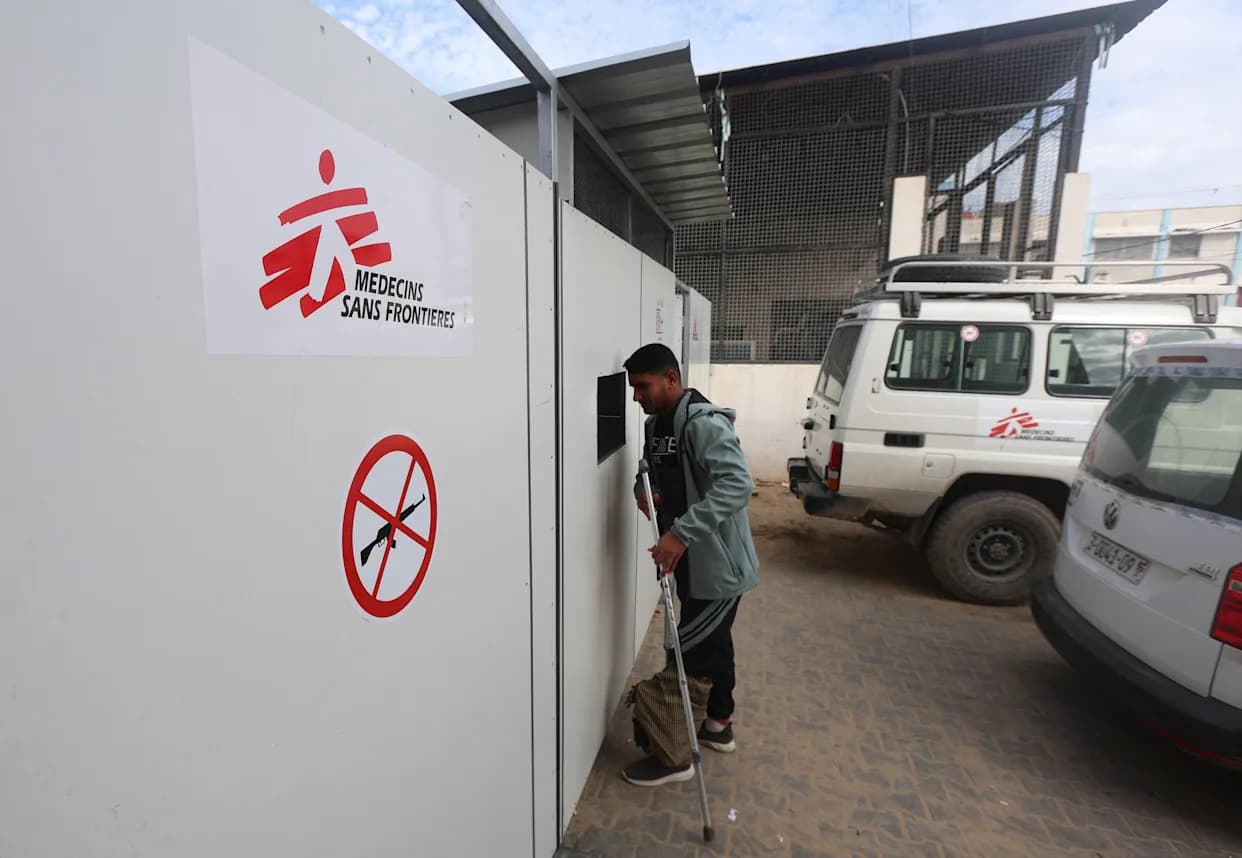
Sato said she received accounts from hospital staff across multiple provinces that security forces have raided medical facilities and removed patients. "There have been many reports of hospital staff reporting that the security forces have raided their hospital," she said, describing instances where families arrived the next day and their relatives were no longer there.
"Dozens of patients were in our hospital with gunshot wounds. They had undergone surgery, and then the Revolutionary Guards came and took them all away. We don’t know what happened to them,"
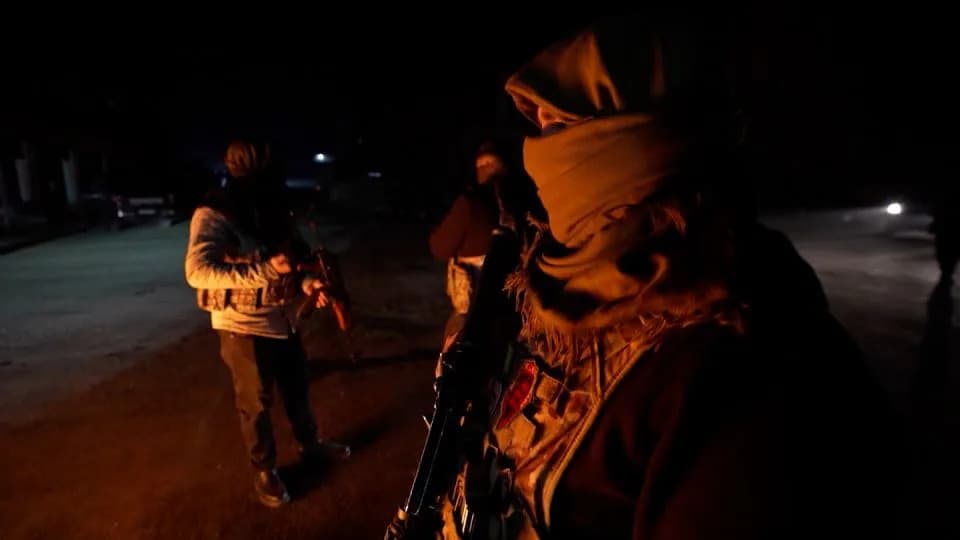
Medical workers in Rasht and Tehran who spoke to Reuters on condition of anonymity corroborated some of Sato's reports. Staff described visits by members of the Revolutionary Guards and police seeking records of hospitalized protesters and checking wards for injured individuals to arrest them.
Medical Neutrality and Human Rights Concerns
Sato warned that such actions create a chilling effect, deterring people from seeking medical care and risking further injury or death for fear of detention. She called the reported conduct a serious violation of medical neutrality under the Geneva Conventions, which require protection for doctors, hospitals and patients to ensure impartial care.
According to reports cited by Sato, unarmed protesters in Iran’s 31 provinces have been shot in the chest and head — strikes aimed at vital organs — suggesting lethal and indiscriminate force by security personnel. She described those incidents as indicating unlawful deaths and possible arbitrary killings. Reports have also detailed a surge in eye injuries caused by pellet rounds.
On alleged demands for ransom, Sato said: "This practice really compounds grief with extortion." She also criticized Iranian attempts to label protesters as "terrorists" or "rioters," arguing such language appears aimed at justifying a harsh crackdown on what she described as a local, organic movement.
The Iranian mission in Geneva did not immediately respond to a Reuters request for comment. Reporting credit: Olivia Le Poidevin in Geneva and Parisa Hafezi in Dubai; Editing by Gareth Jones.
Help us improve.