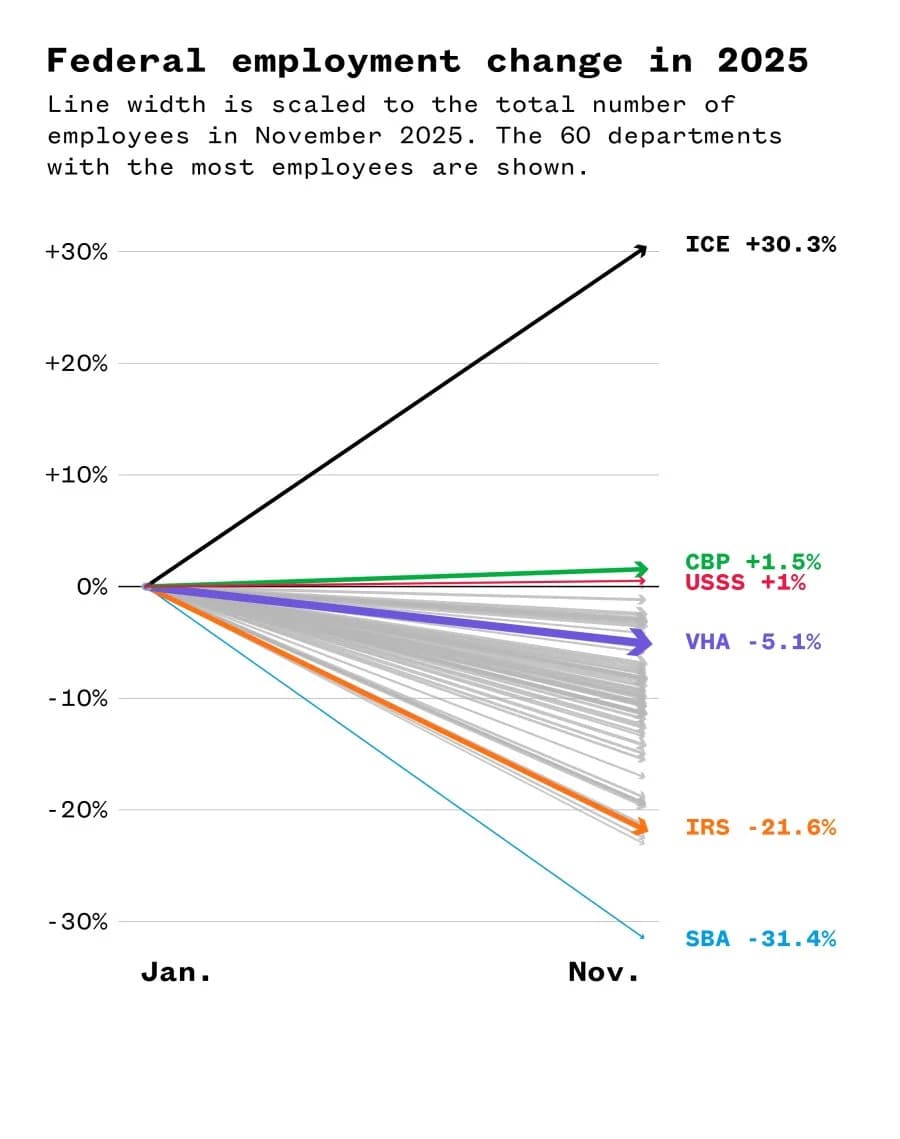
ICE's detained population has reached a record ~73,000 nationwide, an 84% increase from the same time in 2025, according to internal DHS data. Nearly 67,000 are single adults and about 6,000 are family units; roughly 47% of detainees have criminal charges or convictions in the U.S. The fastest growth is among non‑criminal detainees, which rose dramatically after policy shifts and a major funding boost to expand detention capacity.
ICE Detainee Population Tops Record 73,000 As Deportation Crackdown Intensifies

The population of people held by U.S. Immigration and Customs Enforcement has reached a record high — about 73,000 detainees nationwide — according to internal Department of Homeland Security data obtained by CBS News. This marks the first time the agency’s detention population has exceeded 70,000 in its 23-year history and represents a steep increase since 2025.
Key Figures and Trends
As of Thursday, ICE reported roughly 73,000 individuals in custody who are subject to deportation proceedings — an 84% increase from the same period in 2025, when the agency’s population was below 40,000. Nearly 67,000 of those in custody are single adults; about 6,000 are family units (parents and children held together).
The DHS dataset shows approximately 47% (about 34,000 people) in ICE custody had criminal charges or convictions in the U.S. The data do not specify the severity of those records, which can range from felonies to misdemeanors and immigration-related offenses. The remainder are classified as immigration violators — held solely for civil immigration violations.
Rapid Rise Among Non‑Criminal Detainees
ICE’s publicly posted, twice-monthly figures reveal the fastest growth is among those held only on civil immigration grounds. Focusing on people initially arrested by ICE (excluding Border Patrol), the number of non-criminal detainees rose from 945 on Jan. 26, 2025 to 24,644 on Jan. 7, 2026 — a 2,500% increase. Over the same period, ICE arrests of people with criminal convictions increased about 80%, and arrests of those with criminal charges rose roughly 243%.
"It is absolutely a record, certainly in modern times," said Doris Meissner, former head of the Immigration and Naturalization Service and now a senior fellow at the Migration Policy Institute.
Funding, Capacity, And Where Detainees Are Held
The expansion follows a substantial funding boost through the so-called One Big Beautiful Act, which included roughly $45 billion aimed at expanding detention capacity. Officials say the measure enables ICE to plan for an average daily population of up to 100,000 detainees and to add tens of thousands of new beds.
In addition to county jails and private facilities, ICE has broadened its options for housing detainees, including the use of military sites such as Fort Bliss, state-offered facilities in places like Florida and Louisiana (some proposals criticized as extreme), and even temporary holding in field offices not designed for long-term detention.
Administration Strategy And Public Response
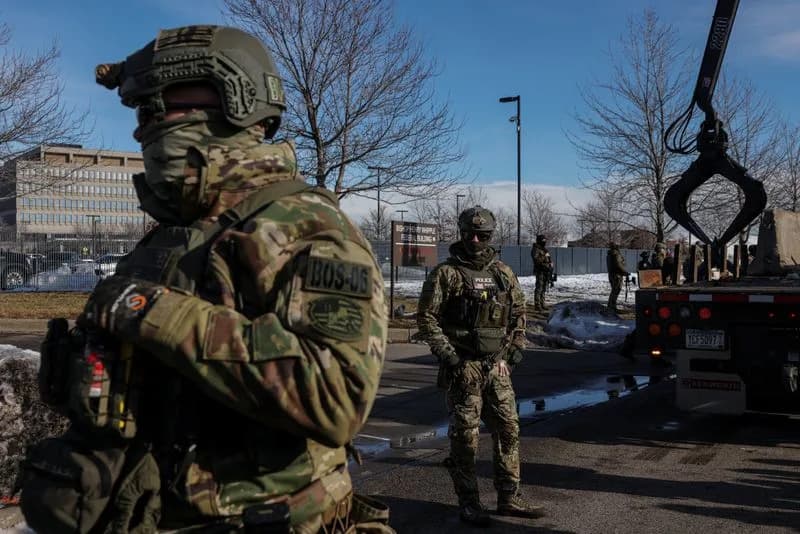
Under the current administration, ICE has rescinded prior enforcement guidelines that emphasized focusing on serious offenders and national security threats. The agency has deployed thousands of ICE officers and Border Patrol agents to high-visibility operations in major cities, which local leaders and community members have sometimes condemned as heavy-handed.
Department of Homeland Security assistant secretary for public affairs Tricia McLaughlin told CBS News that 70% of people arrested by ICE during the second Trump administration — referring to arrests, not the current detained population — have criminal charges or convictions in the U.S. She also said some labeled as "immigration violators" may have criminal histories abroad or alleged ties to terrorism.
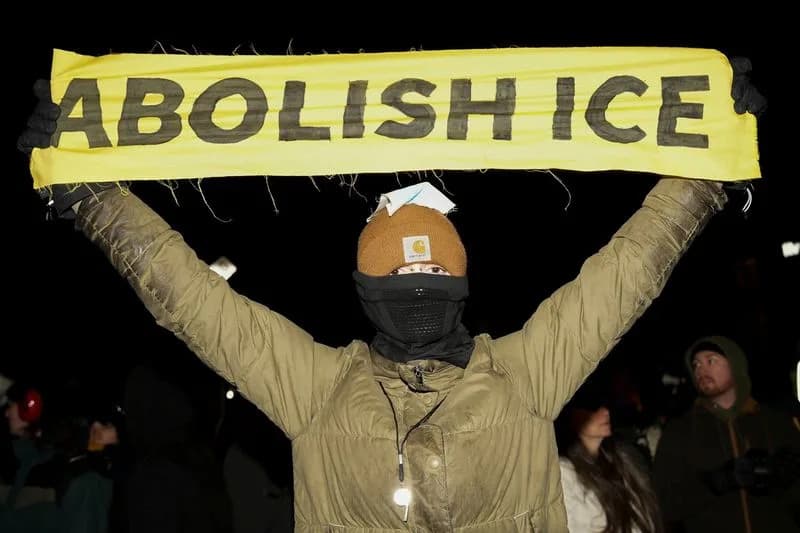
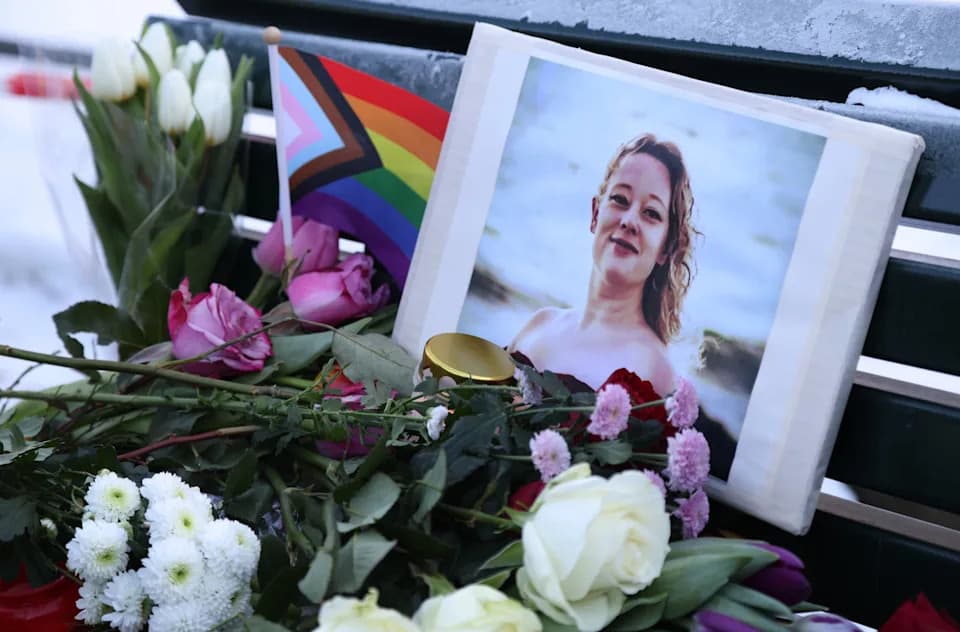
Most recently, the administration deployed roughly 3,000 ICE and Border Patrol agents to Minneapolis and surrounding communities in what DHS described as the agency's largest operation. That deployment coincided with intensified clashes and protests following the fatal shooting of Minneapolis resident Renee Goodby by a federal officer.
What This Means
Experts warn that the surge — driven by new policy priorities and major funding — has rapidly increased detention numbers and the variety of facilities used to hold people. Advocates and some former officials express concern about the humanitarian, legal and logistical implications of operating detention at this unprecedented scale.
Help us improve.