The first bellwether trial alleging "social‑media addiction" opens this week in Los Angeles as 19‑year‑old plaintiff K.G.M. accuses Meta, ByteDance and Google of designing apps that entrapped minors and caused serious mental‑health harms. Judges have dismissed some claims, but factual disputes over causation — whether harms stem from design features, third‑party content, or other life factors — will go to a jury. The outcome could affect Section 230 interpretations, First Amendment questions and thousands of related suits.
Landmark 'Social‑Media Addiction' Trial Opens in Los Angeles — A Test For Big Tech Liability

Landmark Social Media Addiction Trial Starts Today in California
A potential turning point for the technology industry begins this week as the first bellwether trial alleging "social‑media addiction" reaches a Los Angeles courtroom.
Case Overview
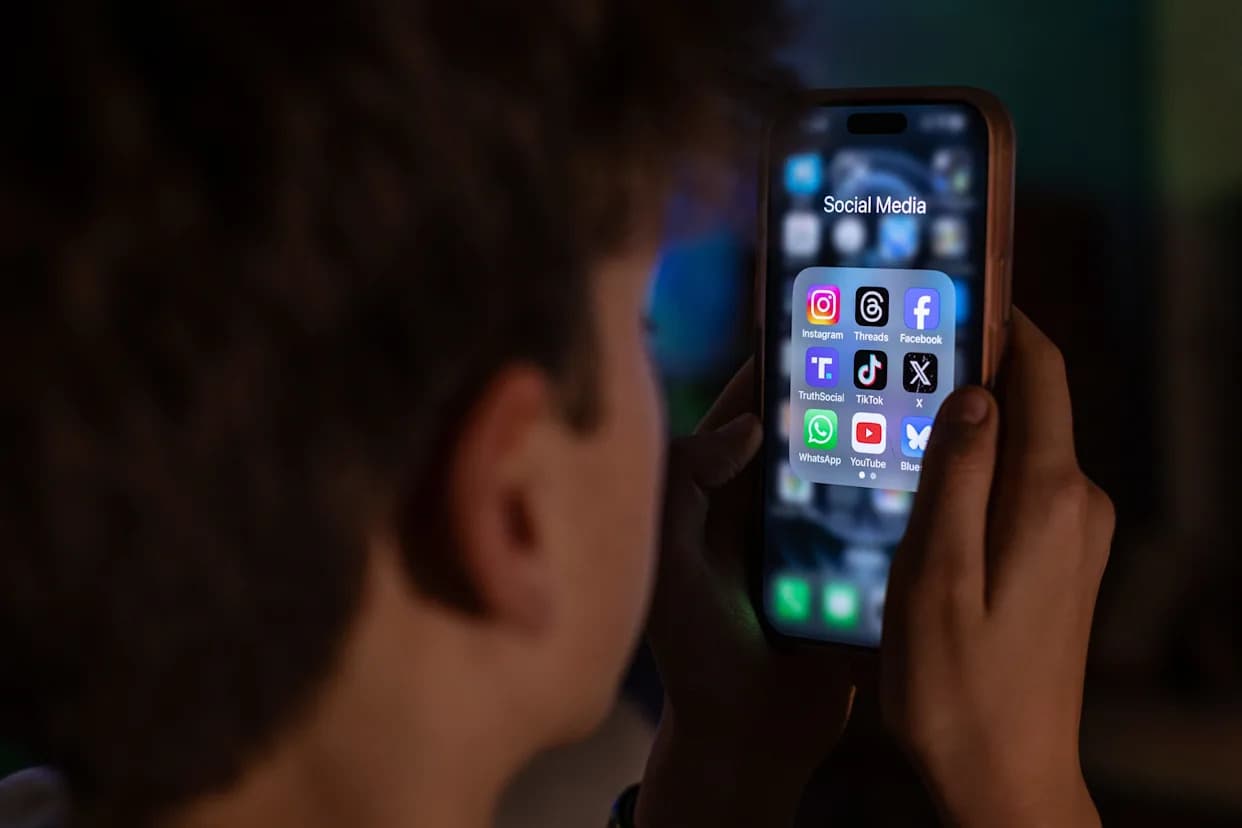
The lead plaintiff, a 19‑year‑old California woman identified as K.G.M., says she became addicted to social platforms while a minor and that that pattern contributed to long‑term low self‑esteem, body dysmorphia, depression, anxiety and suicidal thoughts. K.G.M. has sued Meta, ByteDance and Google, alleging the companies designed apps — including Facebook, Instagram, TikTok and YouTube — to maximize time on platform and negligently disregarded resulting harms. Snapchat had been named originally but reached an undisclosed settlement with the plaintiff last week.
Procedural Context
Thousands of plaintiffs have filed related personal‑injury suits against Meta, Google, ByteDance and Snap. Many of those claims were consolidated into a coordinated proceeding; the court selected three representative cases (under the pseudonyms K.G.M., R.K.C., and Moore) as bellwethers intended to guide possible settlements for the wider group. Jury selection for K.G.M.'s case is scheduled to begin Tuesday in Los Angeles County Superior Court.
Core Legal Questions
K.G.M.'s complaint advances negligence and negligent‑failure‑to‑warn claims. Central legal issues include whether platform design features (autoplay, infinite scroll, algorithmic recommendations, nudges) can be treated as the proximate cause of mental‑health harms, how to parcel responsibility among multiple platforms, and whether warnings could have prevented the alleged injuries.
"This bellwether trial marks the first time in the United States that a case alleging social‑media addiction will reach a jury," said Clay Calvert, senior fellow at the American Enterprise Institute.
Section 230, The First Amendment, And Causation
The litigation also tests whether plaintiffs can effectively sidestep Section 230 — the federal law that limits platforms' liability for third‑party speech — and First Amendment protections for content. K.G.M. frames her harms as stemming from platform design rather than the third‑party content that appears on those platforms. Some courts have accepted that distinction; many have rejected it.
Judge Carolyn Kuhl has already dismissed some claims on Section 230 grounds (including allegations tied to TikTok "challenge" videos), but she wrote in a November 2025 motion that the record contains evidence suggesting K.G.M. was harmed by certain design features and that causation is a disputed factual question for the jury.
Arguments Over Design Vs. Content
Defense lawyers argue exposure to third‑party content is at the heart of the claims. Prosecutors counter that even if content matters, product design can materially increase exposure and make harms more likely. The jury will be asked to determine the relative contribution of platform design, third‑party content, and offline factors such as biology, school, and family life.
Broader Political And Industry Context
The trial arrives amid intense political scrutiny of platforms. Separately, ByteDance announced a deal to sell a majority stake in U.S. TikTok operations to a group including Oracle, MGX and Silver Lake after years of regulatory pressure and legislative threats. Critics worry political influence could shape platform governance; others see the sale as resolving national‑security concerns.
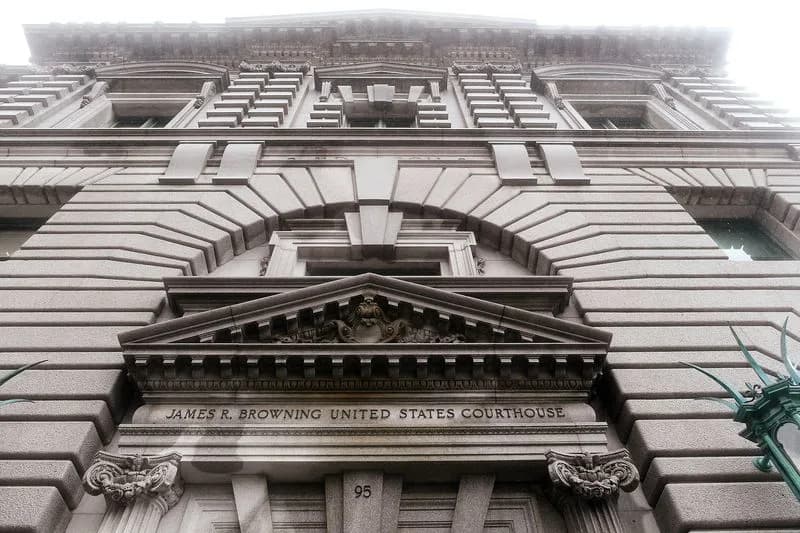
Related cases include consolidated suits by school districts and dozens of state attorneys general in federal court in Northern California, with trials and summary‑judgment motions scheduled this year before U.S. District Judge Yvonne Gonzalez Rogers.
What To Watch
- Whether the jury finds platform design features were a substantial cause of K.G.M.'s alleged harms.
- How judges and juries treat the design‑vs‑content distinction under Section 230 and the First Amendment.
- Potential ripple effects for future suits and for industry practices around product design and warnings.
Other Notes
Observers are divided: some see a necessary accountability test for platforms that shape attention and behavior; others warn against oversimplifying mental‑health causation or curbing online speech through litigation. The coming weeks of trial in Los Angeles and parallel federal proceedings could influence legal strategy, regulation and public policy for years to come.
Help us improve.