China’s one‑child policy, enforced for 35 years, produced forced abortions, widespread sterilizations and a cultural preference for sons that contributed to gender imbalance and social strain. Official data show record‑low birth rates last year and four straight years of population decline, prompting renewed debate about the policy’s necessity and consequences. Although rules were relaxed (two children in 2016, three in 2021), economic and social pressures make reversing the decline difficult, with long‑term risks for the labor force and pensions.
Experts Revisit China’s One‑Child Policy as Births Plunge and Population Falls
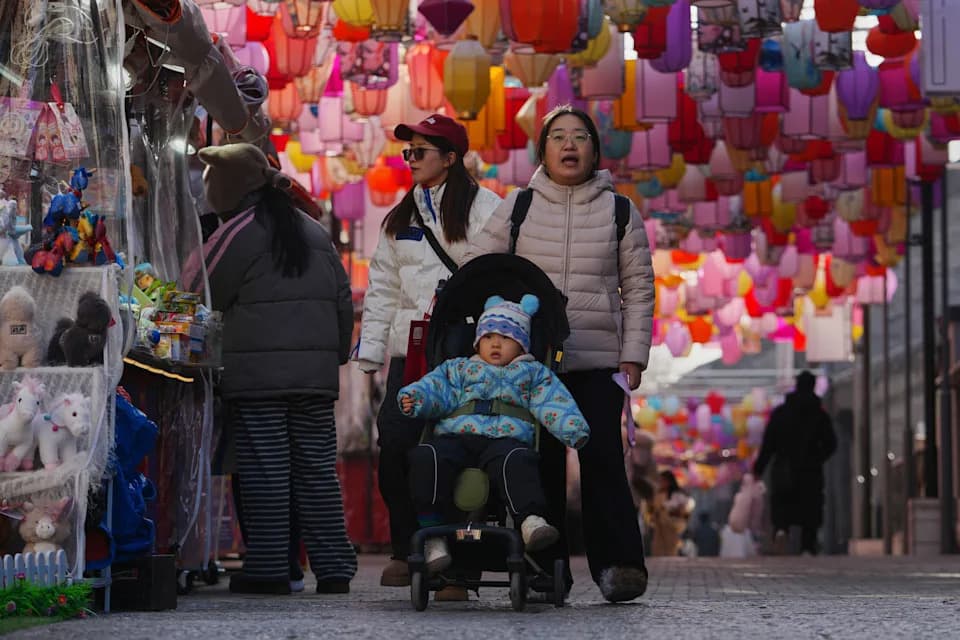
FILE - Women push a toddler on a stroller as they tour the Qianmen shopping street with lantern decorations in Beijing, China on Jan. 12, 2026. (AP Photo/Andy Wong, File)(ASSOCIATED PRESS)
China’s one‑child policy, enforced for 35 years, is under fresh scrutiny as official data show the country’s birth rate fell to record lows last year and the population has declined for four consecutive years. What was once defended as an urgent measure to curb runaway population growth is now widely debated for its human cost and long‑term demographic consequences.
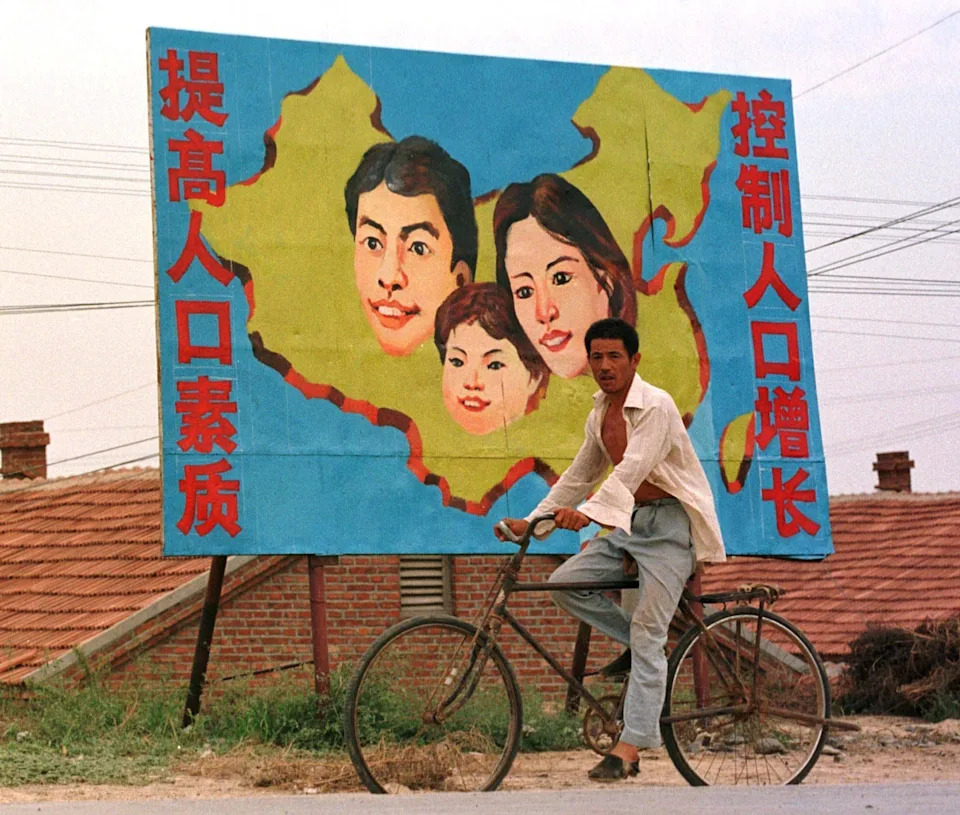
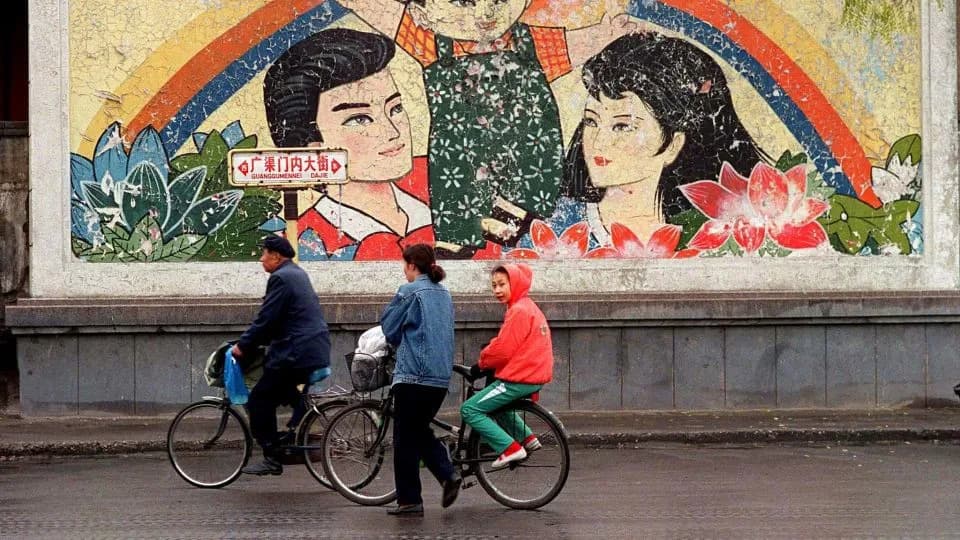
FILE - A farmer rides past a billboard which promotes China's one-child policy, on the outskirts of a village near Dongying, in Shandong province, Aug. 18, 1997. (AP Photo/Greg Baker, File)(ASSOCIATED PRESS)
Why It Was Adopted
In 1980 China’s leaders viewed rapid population growth as a threat to development and food security for a nation of roughly 1 billion people. At the time, limiting births was a common policy response globally. The government had already promoted smaller families in the 1970s, and the birth rate began falling before the strict limits were introduced; how much of the long‑term decline resulted from the one‑child policy versus broader social and economic change remains contested.
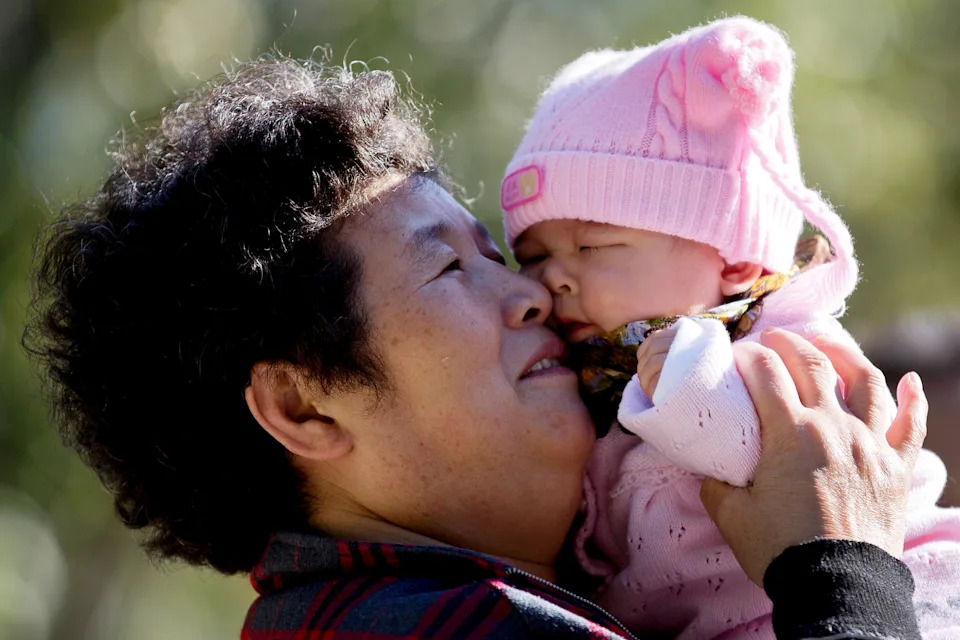
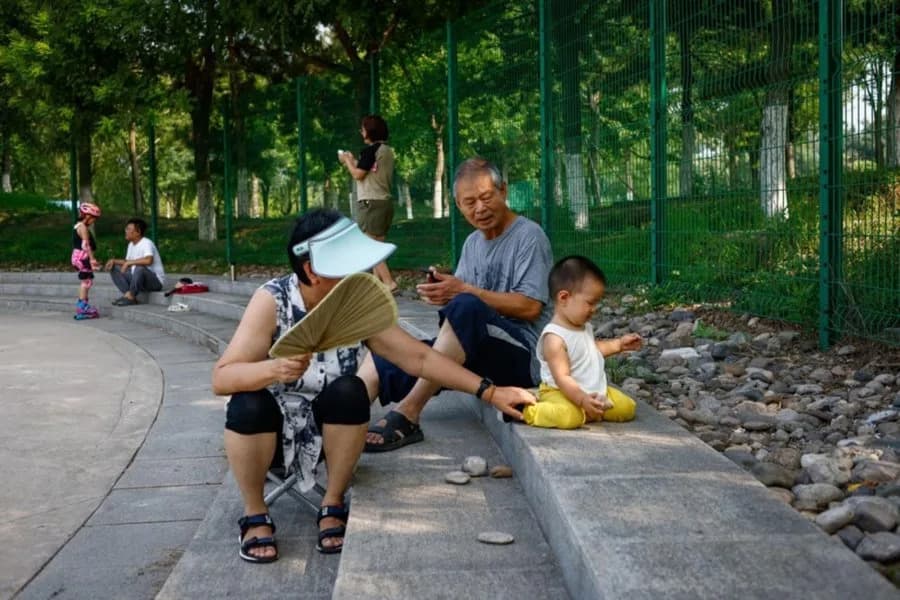
FILE - A Chinese woman plays with her grandchild at the Ritan Park, in Beijing, China on Oct. 31, 2012. (AP Photo/Andy Wong, File)(ASSOCIATED PRESS)
How It Was Enforced
Rather than rely solely on persuasion, Beijing imposed strict limits and penalties. The one‑child policy was backed by heavy fines for families that exceeded quotas and by campaigns that included forced abortions and sterilizations. These measures continued for decades and left lasting social scars.
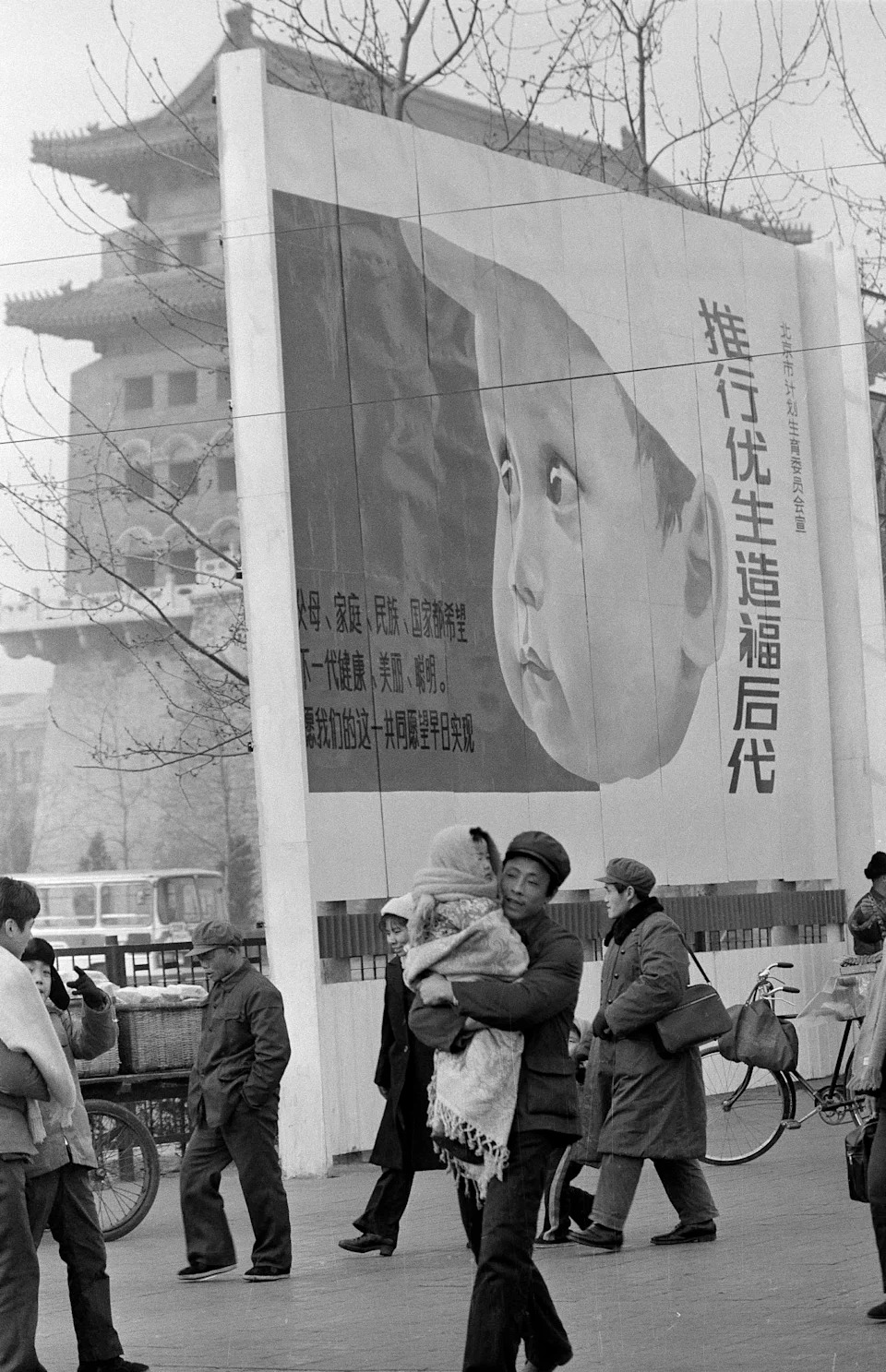
FILE - A man holds a child as he walks past a propaganda billboard with the words "practice birth control to benefit the next generation," in the Front Gate area in Peking, China, Feb. 22, 1983. (AP Photo/Liu Heung Shing, File)(ASSOCIATED PRESS)
Scale Of Sterilization And Its Reversal
Research highlights a sharp fall in sterilization procedures after the policy was relaxed: procedures for women dropped from about 1.4 million in 2014 to roughly 190,000 in 2020, while male sterilizations declined from approximately 180,000 in 2014 to about 2,600 in 2020. These figures underscore how policy changes can quickly alter medical and reproductive trends.
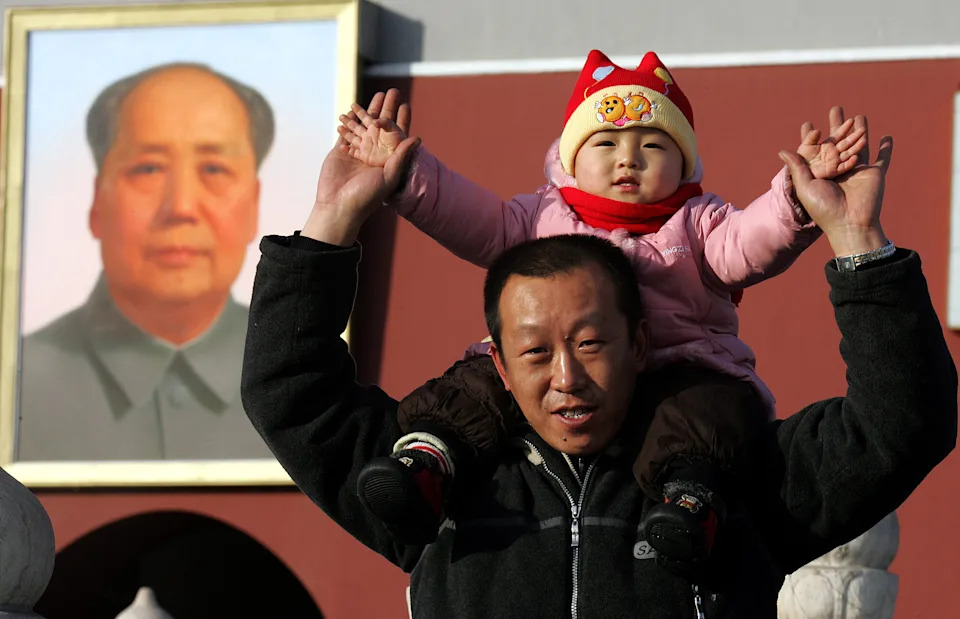
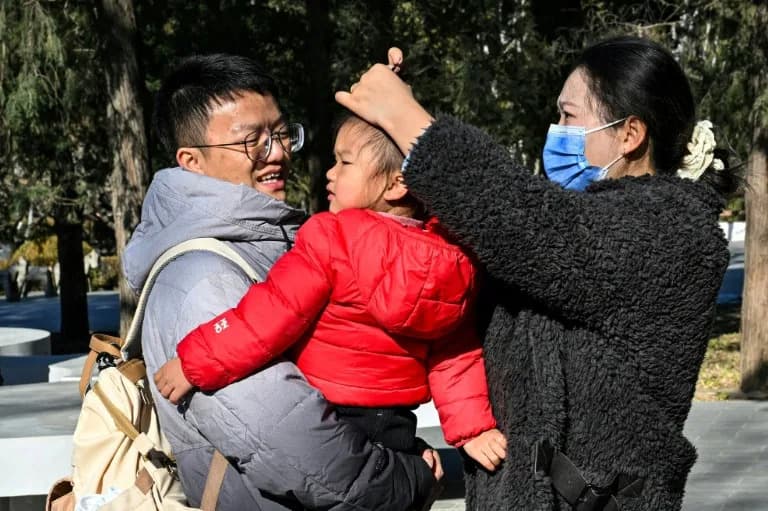
FILE - A Chinese man lifts his child onto his shoulders as they pose for a picture in front of a portrait of late communist leader Mao Zedong in Beijing, China, Jan 6, 2005. (AP Photo/Ng Han Guan, File)(ASSOCIATED PRESS)
“It’s hard to escape the fact that China demographically shot itself in the foot,”
— Mei Fong, author of One Child: The Story of China’s Most Radical Experiment.
Longer‑Term Social Effects
The policy intensified a cultural preference for sons, contributing to gender imbalances among the one‑child generation. Many only children—sometimes labeled “little emperors” because of intense parental and grandparental attention—now face heavy expectations as adults. As these only children reach their 30s and 40s, a single child may be expected to support two parents and, in some cases, four grandparents, creating financial and emotional pressure that can worsen anxiety and depression.
Policy Reversal And Current Challenges
Beijing began easing restrictions in 2015, officially allowing couples to have two children in 2016 and raising the limit to three in 2021. But changing laws has proven easier than changing attitudes: rising living costs, high housing prices, and career pressures mean many couples remain reluctant to have more children. The government has introduced incentives—from cash subsidies to tax changes that removed a previous exemption for condoms—but international experience suggests it is difficult to reverse an entrenched decline in birth rates.
What’s At Stake
China faces a growing imbalance between retirees and working‑age people. A sustained shortfall in the workforce could strain public finances and pension systems, slow economic growth, and reshape social policy for decades. The debate today centers not only on whether the one‑child policy was necessary, but on how the country should respond to its enduring legacy.
Help us improve.