Researchers at Fertility 2026 reported that levels of the protective protein Shugoshin decline with age and may contribute to chromosomal errors in eggs. Laboratory microinjection of Shugoshin mRNA into mouse and human eggs partially restored chromosome cohesion, raising intact-egg rates from ~50% to ~75%. The study is not yet peer-reviewed, and experts say boosting Shugoshin could be helpful but is unlikely to be the sole solution; further validation and clinical testing are required.
New Evidence Links Decline of ‘Shugoshin’ Protein to Age-Related Drop in Egg Quality
Researchers presented new evidence at the Fertility 2026 conference in Edinburgh suggesting that a decline in a protective protein called Shugoshin may help explain why human eggs lose quality with age. The work, reported in mouse and human cells, points to one molecular mechanism behind chromosomal errors that contribute to miscarriage, infertility and failed IVF cycles — though scientists stress this is an early step and not a complete explanation.
The Biological Puzzle
Women are born with a finite number of oocytes (egg precursor cells) that can remain arrested for years or decades before ovulation. During that prolonged arrest, the structures that hold paired chromosomes together can weaken. When chromosome pairs separate prematurely, eggs can end up with the wrong number of chromosomes (aneuploidy), a leading cause of infertility and pregnancy loss.
Shugoshin: A Guardian for Chromosomal Cohesion
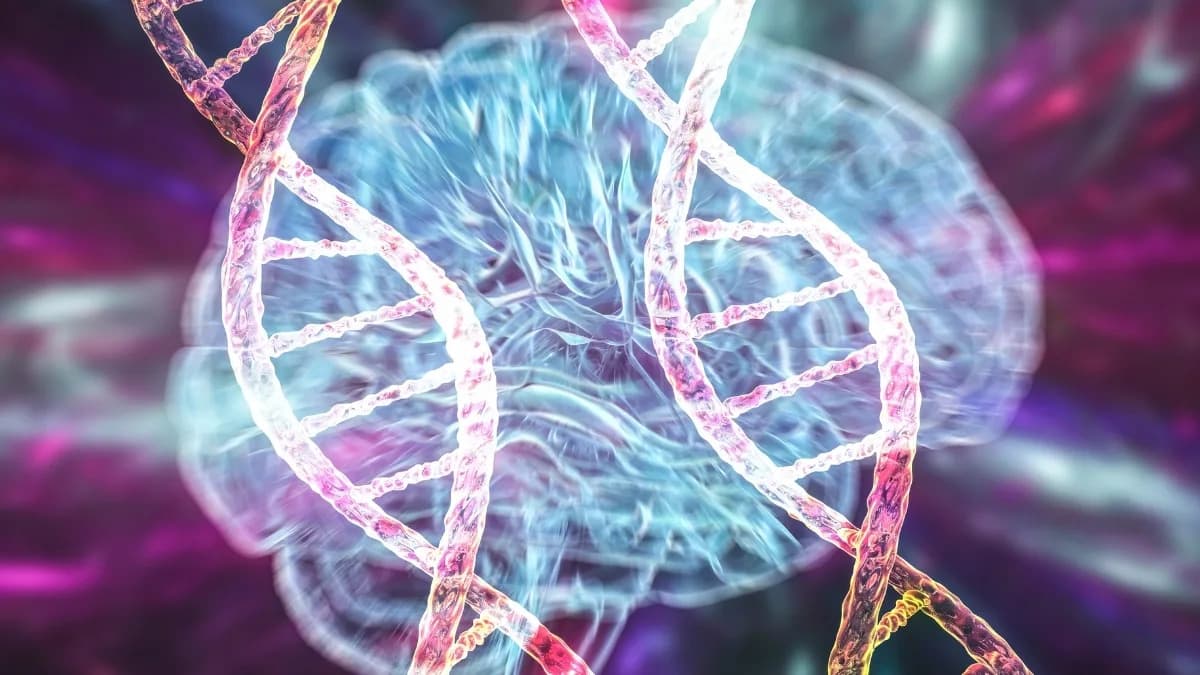
The new study, led by Melina Schuh with co-authors including Agata Zielinska, reports an age-related drop in levels of Shugoshin — a protein whose name means “guardian spirit” — that helps protect cohesion proteins holding chromosomes in place. The researchers found that reduced Shugoshin makes cohesion more vulnerable and increases the risk that chromosomes will prematurely come apart.
“If you want to come up with strategies to improve egg quality and develop clinical ways to actually help couples to conceive, you have to understand what’s going wrong at the molecular level,” said Agata Zielinska, a co-author and co-founder of Ovo Labs.
Partial Rescue in the Lab
In laboratory experiments the team microinjected mRNA encoding Shugoshin into eggs. This intervention produced a partial rescue: the proportion of eggs with intact chromosome cohesion rose from about 50% to nearly 75%. That improvement indicates Shugoshin contributes to cohesion stability, but it does not prove it is the only factor responsible for age-related chromosomal errors.
Experts not involved with the study welcomed the findings as an important clue. Michael Lampson of the University of Pennsylvania noted that previous work focused on the loss of cohesin proteins themselves; protecting the remaining cohesin with Shugoshin is a complementary angle. Binyam Mogessie of Yale highlighted the need to test whether boosting Shugoshin can reverse existing damage or mainly prevent further deterioration.
Context And Next Steps
The study has not yet been peer-reviewed, and translating these laboratory results into safe, effective treatments for people will require many additional steps: replication, rigorous peer review, animal studies where appropriate, safety testing and carefully designed clinical trials. Ovo Labs has indicated plans to explore translational work and potential trials, but any clinical application is likely years away and will face scientific, regulatory and ethical hurdles.
Complementary research — for example, a recent Nature Aging paper that developed a mouse model to mimic egg aging — gives researchers tools to systematically test molecular causes and potential therapies. Some scientists hope that, even if partial, interventions could modestly extend the reproductive window by several years, which would be consequential for many people trying to conceive.
Bottom line: Declining Shugoshin levels offer a plausible molecular explanation for some age-related egg errors and a potential therapeutic target, but the finding is preliminary and likely represents one piece of a complex biological puzzle.
Help us improve.