Researchers injected the chromosome‑protecting protein Shugoshin 1 into donated human eggs and reported a sharp fall in chromosomal defects — from 53% to 29% overall, and from 65% to 44% in women over 35. The technique targets aneuploidy by restoring proteins that keep chromosome pairs together during meiosis. Teams from Ovo Labs and the Max Planck Institute presented the findings in Edinburgh and are planning clinical trials, but independent experts say it remains to be shown whether embryo and live‑birth outcomes will also improve.
Lab 'Rejuvenation' Of Human Eggs Cuts Chromosomal Defects Nearly In Half — Could Boost IVF Success For Older Women
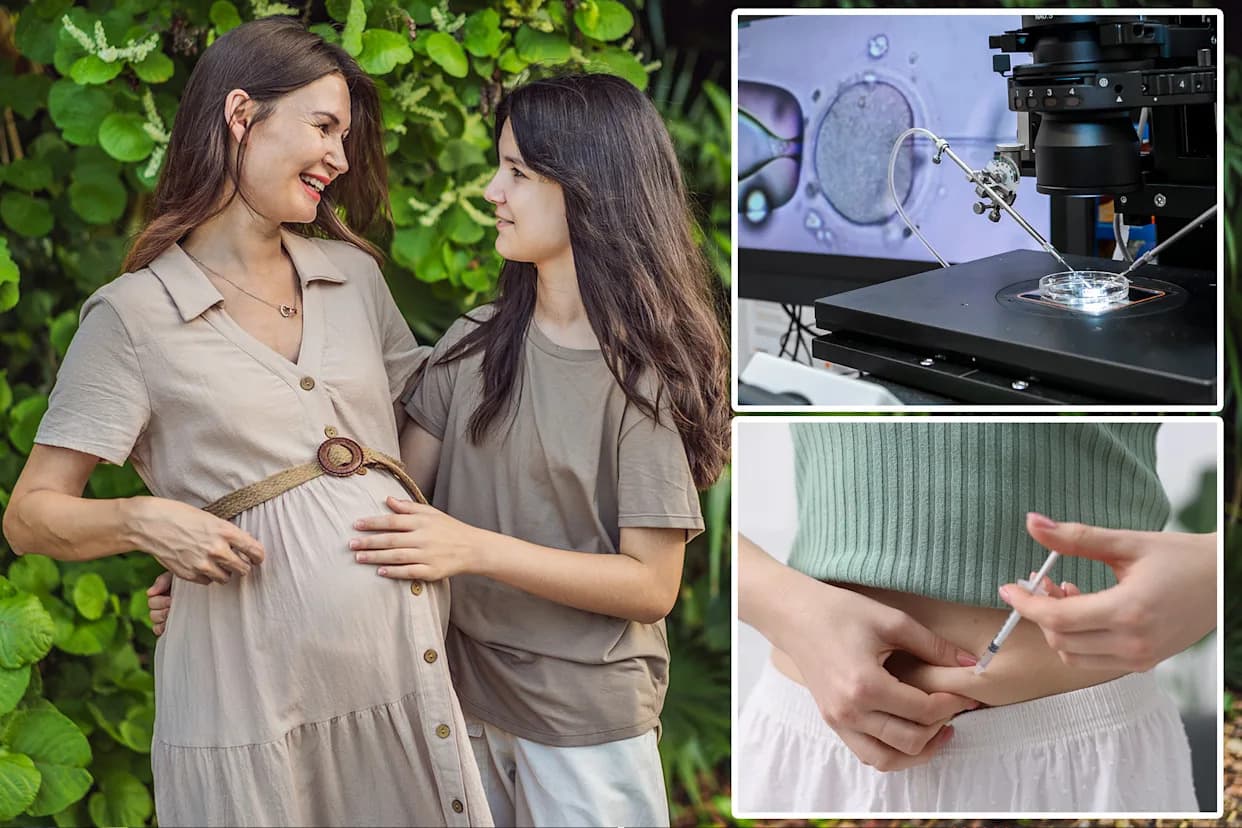
Revolutionary new research shows eggs can be "rejuvenated," offering fresh hope for older women looking to conceive.
Researchers report a laboratory technique that appears to "rejuvenate" human eggs by restoring a key protein, dramatically reducing chromosomal defects that undermine IVF success in older women.
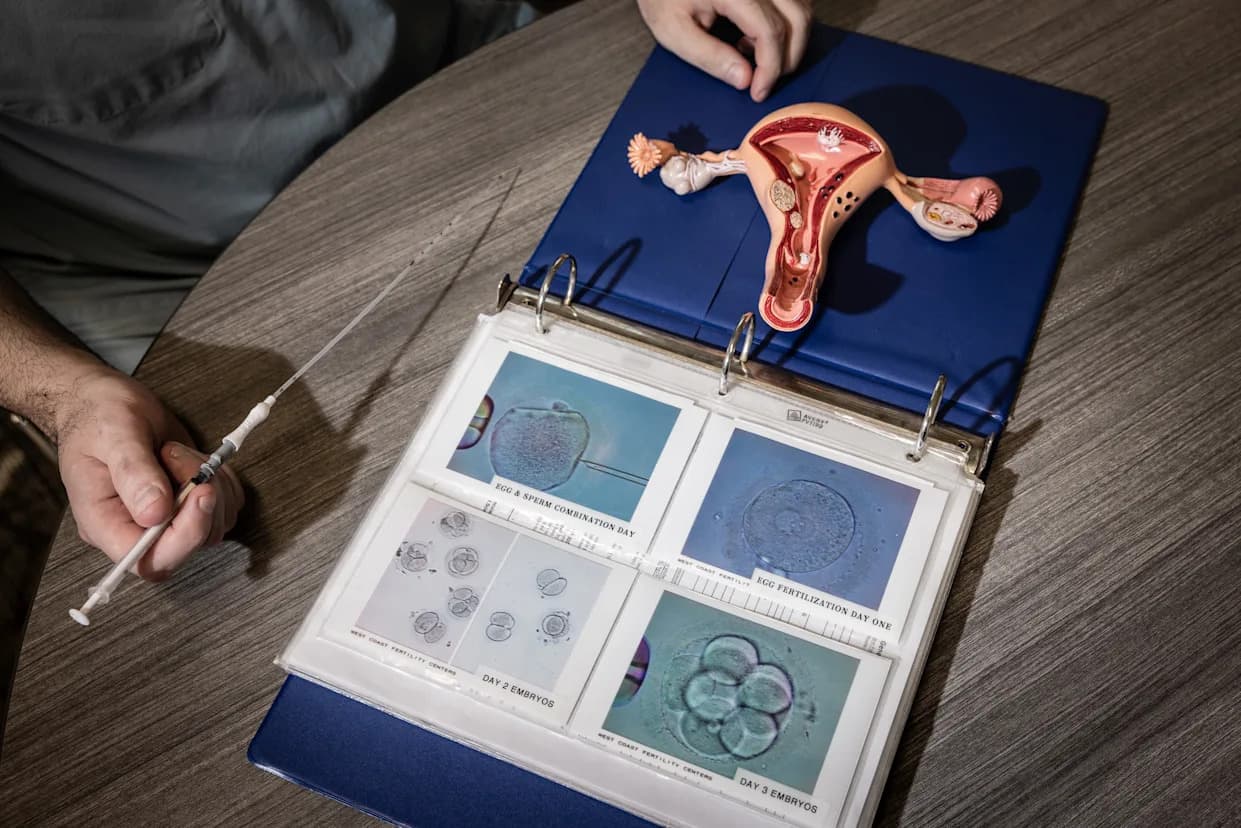
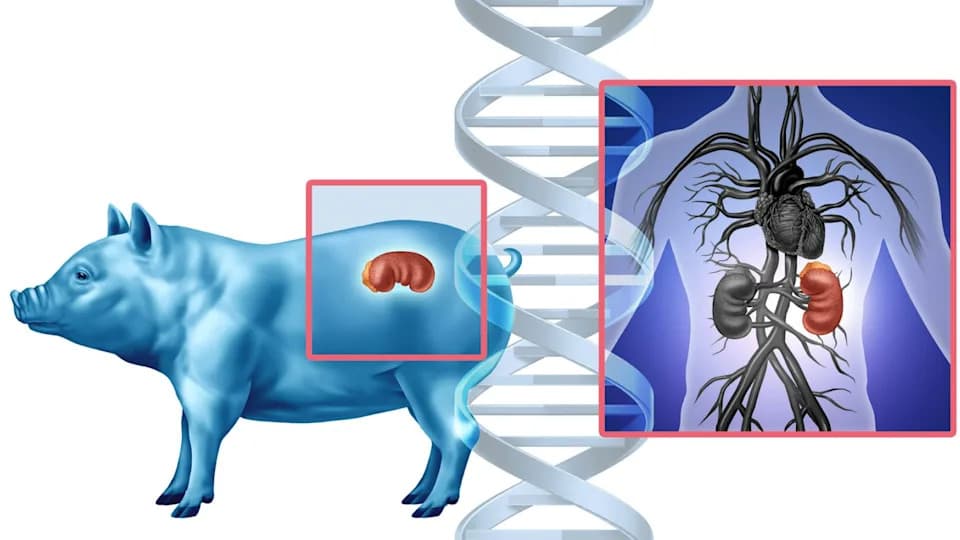
The revolutionary treatment could dramatically improve IVF success rates, particularly for older women. galitskaya – stock.adobe.com
What the Study Did
Teams from Ovo Labs and the Max Planck Institute for Multidisciplinary Sciences used microinjections to deliver the protein Shugoshin 1 into donated human eggs. Shugoshin 1 helps protect chromosome pairs during meiosis, the specialised cell division that ensures an embryo receives the correct number of chromosomes from egg and sperm.
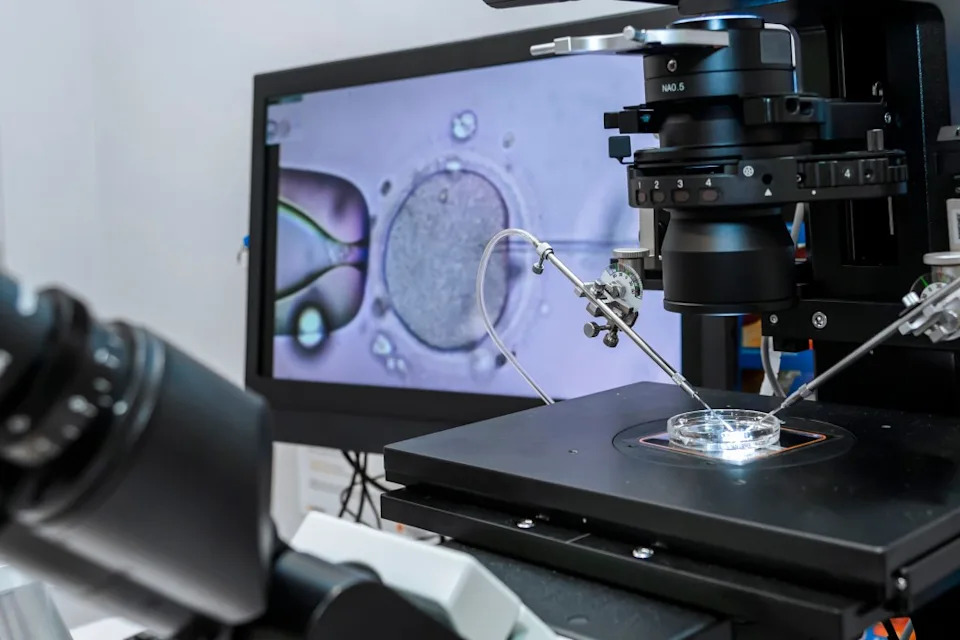
Research shows that by a woman’s mid-30s, more than half of her eggs contain too many or too few chromosomes. ATRPhoto – stock.adobe.com
Key Results
Across tests presented at the British Fertility Conference in Edinburgh, treated eggs showed far fewer chromosomal abnormalities: the overall defect rate fell from 53% to 29%, and in women over 35 the rate dropped from 65% to 44%. In younger women (ages 20–32), prior research suggests about one in five eggs carry chromosome errors; that risk climbs sharply with age.
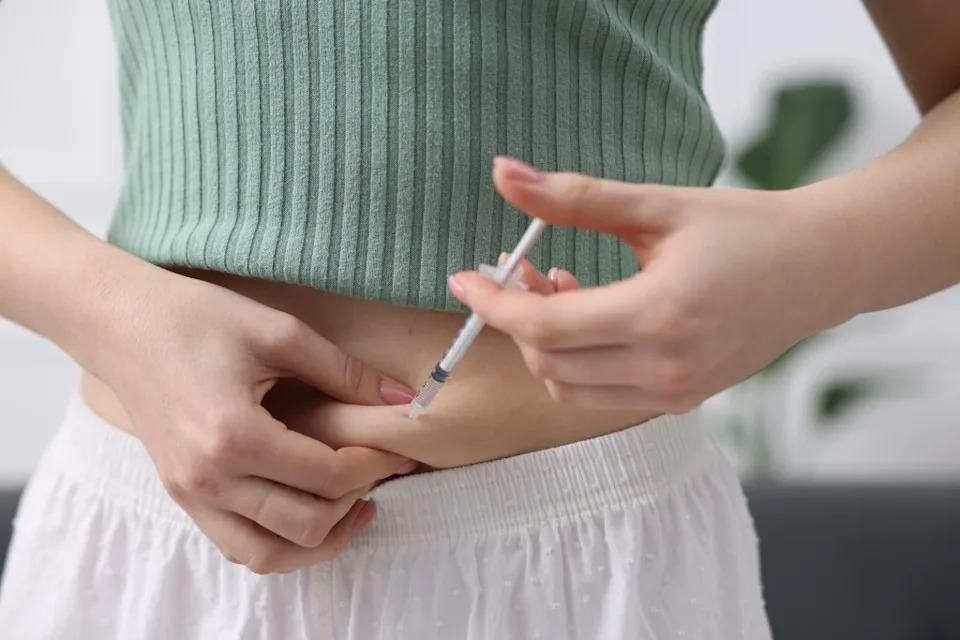
Scientists note that their approach would not extend fertility beyond menopause, when egg reserves run out. New Africa – stock.adobe.com
How It Works
With age, the proteins that act like a "glue" holding chromosome pairs together can degrade, increasing the risk of aneuploidy (an abnormal chromosome number). By restoring Shugoshin 1 to levels seen in younger eggs, the researchers preserved chromosome pairing during meiosis and markedly reduced aneuploidy rates in their samples.
What The Researchers Say
"We have been able to achieve the first rejuvenation of a human egg in vitro," said Dr Agata Zielinska, co‑founder and co‑CEO of Ovo Labs. "If this could then be translated to the clinic, this could potentially be the biggest improvement in IVF success rates of the last decade."
Dr Melina Schuh, director at the Max Planck Institute and co‑founder of Ovo Labs, added: "Overall, we can nearly halve the number of eggs with [abnormal] chromosomes. That's a very prominent improvement." She emphasized the approach restores a younger molecular state rather than increasing egg supply, and so it would not extend fertility past menopause.
Caveats And Next Steps
The results are promising but preliminary. The teams do not foresee major safety obstacles and are in discussions with regulators about clinical trials, but independent experts stress the crucial remaining question: whether the lower egg aneuploidy rates will translate into embryos with fewer genetic errors and higher live‑birth rates. Until clinical trials demonstrate improved embryo viability and birth outcomes, the technique should be considered experimental.
Bottom line: Microinjection of Shugoshin 1 reduced chromosomal defects in donated eggs in the lab, offering a potential path to improve IVF outcomes for older women — but clinical validation is still required.
Help us improve.