Researchers examining the blood of centenarians and supercentenarians have identified distinctive immune, lipid and metabolic signatures linked to extreme longevity. Detailed analyses — including a study of 117-year-old Maria Branyas and a large November 2024 metabolomics survey of ~5,000 people — point to roles for essential fatty acids, diet and the gut microbiome. However, blood biomarkers are complex and no single test yet predicts lifespan reliably. Scientists hope these findings will guide future interventions to extend healthy ageing.
What the Blood of Centenarians Reveals About Healthy Ageing — Clues From Superagers
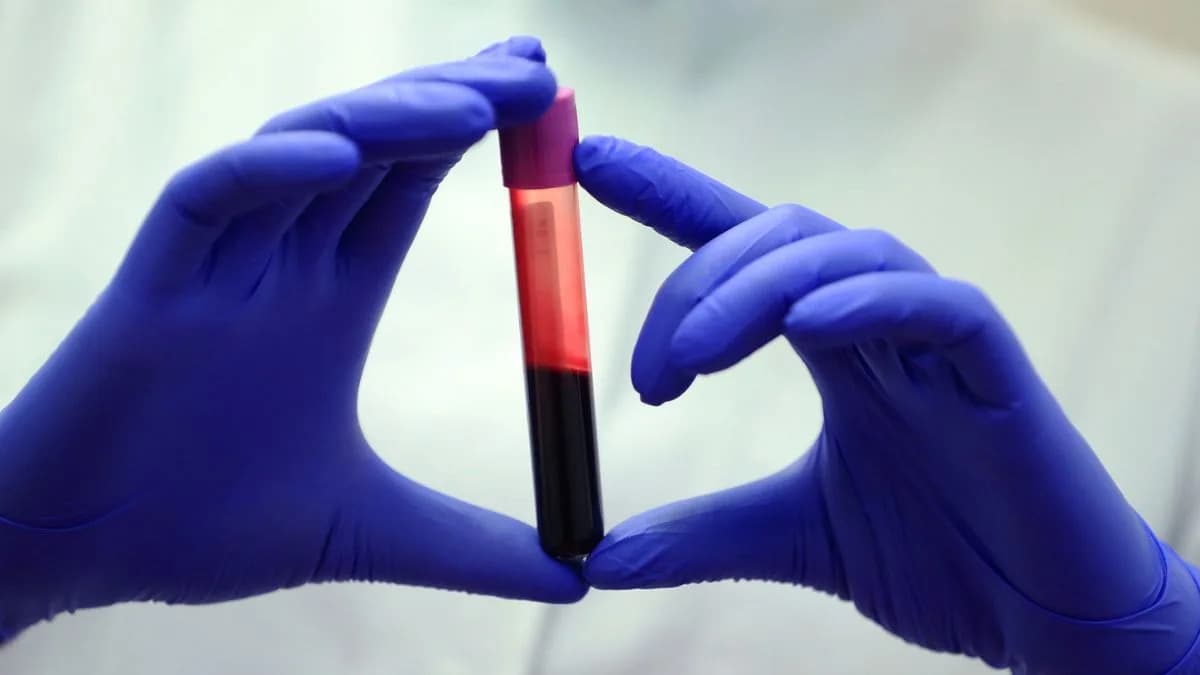
Blood of Exceptionally Long-Lived People Reveals Crucial Differences
Scientists are studying the blood of exceptionally long-lived people — centenarians (age 100) and supercentenarians (age 110+) — to identify biological signatures that may protect against ageing and disease. Emerging metabolomic and physiological data suggest that the bloodstream carries distinctive markers linked to extreme longevity, and these signals could point to new strategies for extending healthy years.
Distinctive Blood Signatures
Multiple studies report that people who live to 100 or beyond show characteristic differences in immune, lipid and metabolic profiles compared with shorter-lived individuals. Some favourable biomarkers appear decades earlier: several teams have observed blood indicators associated with long life emerging by around age 65. Researchers are exploring whether these signatures help protect tissues from damage or simply reflect a lifetime of healthy behaviours and genetics.
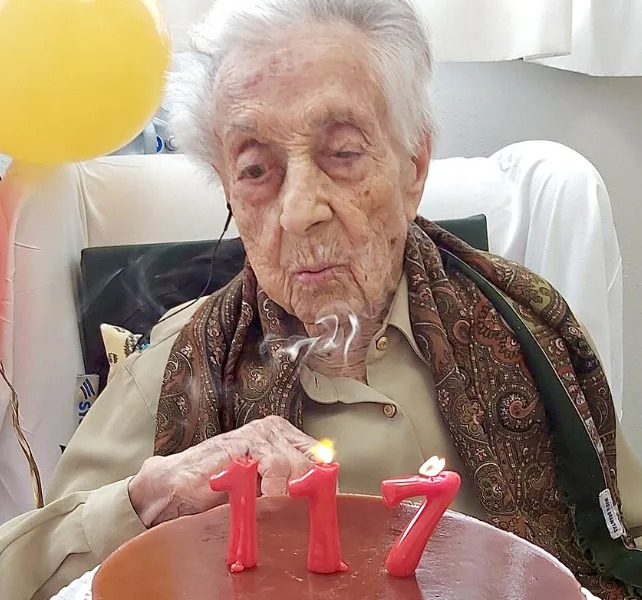
Maria Branyas on her 117th birthday. (Family archive of Maria Branyas Morera/Wikimedia Commons/PD)
A Close Look at One Supercentenarian
Earlier this year, a comprehensive physiological and genetic analysis in Spain examined blood samples from Maria Branyas, who lived to age 117. Investigators reported markers of a well-preserved immune system, unusually low levels of LDL (so-called "bad") cholesterol, and cellular behaviour that appeared younger than her chronological age.
Study authors, led by epigeneticists Eloy Santos-Pujol and Aleix Noguera-Castells, concluded that extreme age does not necessarily equate to poor health.
The Telomere Paradox
Surprisingly, Branyas showed pronounced telomere shortening — the usual biomarker that correlates with ageing and mortality risk. Recent work suggests telomere length may be an unreliable ageing marker among the extremely old. In this exceptional case, researchers hypothesize that very short telomeres and rapid cellular turnover may have limited cancerous growth, illustrating that biomarkers can have complex, context-dependent effects.

Subscribe to ScienceAlert's free fact-checked newsletter
Population Studies and Metabolomics
Broader analyses add supporting evidence. A July study in China profiling 65 centenarians found lower levels of certain fatty acids, fatty alcohols and other metabolites compared with younger groups. In November 2024, a large metabolomics study of roughly 5,000 people aged 18–110 identified a molecular signature associated with extreme longevity and highlighted a critical role for essential fatty acids in linking lipid metabolism to broader metabolic pathways.
Because many longevity-associated metabolites relate to nutrition, diet is a plausible intervention target. For example, Branyas reportedly followed a Mediterranean-style diet rich in yogurt, and researchers observed a relatively youthful gut microbiome — a pattern consistent with diet shaping metabolic and microbial markers of health.

(Dimitri Otis/Getty Images)
Limitations And Future Directions
Blood is complex and highly variable. Metabolomics yields many candidate biomarkers, but interpreting cause versus consequence remains a major challenge. Currently there is no single blood test that reliably predicts an individual’s lifespan: genetics, environment, lifestyle and chance all interact to shape longevity.
Despite limitations, researchers hope blood-based biomarkers could eventually support "longevity clocks" to identify high-risk individuals and guide interventions, or inspire drugs and lifestyle recommendations that extend healthy years for the broader population.
Help us improve.