The article maps the 10 countries that hold the most overseas territories, explaining why these outposts persist — for strategic, military, economic and scientific purposes. It highlights the UK (14 territories), France (13), and the US (five inhabited territories plus several uninhabited outlying islands), and reviews other countries including Australia, the Netherlands, Norway, New Zealand, Denmark, China and Portugal. Recent flashpoints include US interest in Greenland and the UK’s transfer of the Chagos Islands to Mauritius.
Mapping The 10 Countries With The Most Overseas Territories — Strategic Outposts And Disputes
INTERACTIVE - yRGTS-united-kingdom-14-territories-1769067236
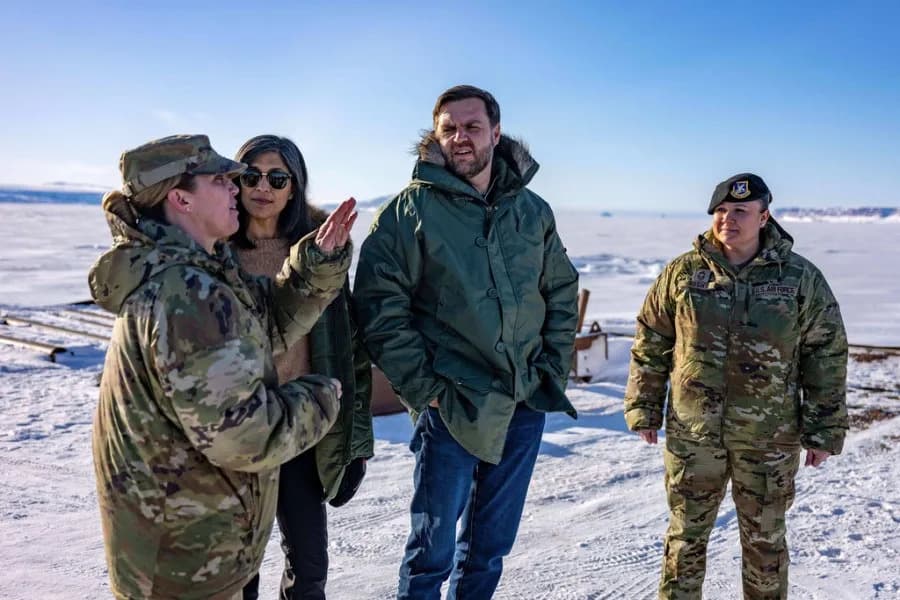
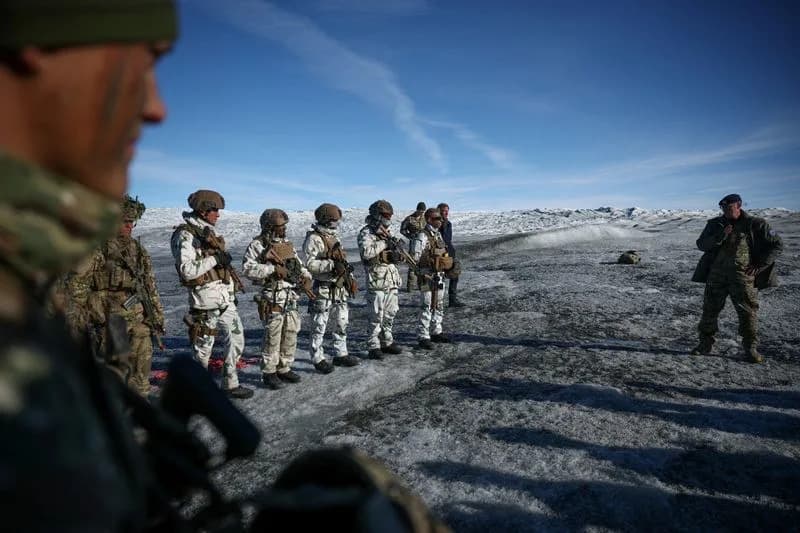
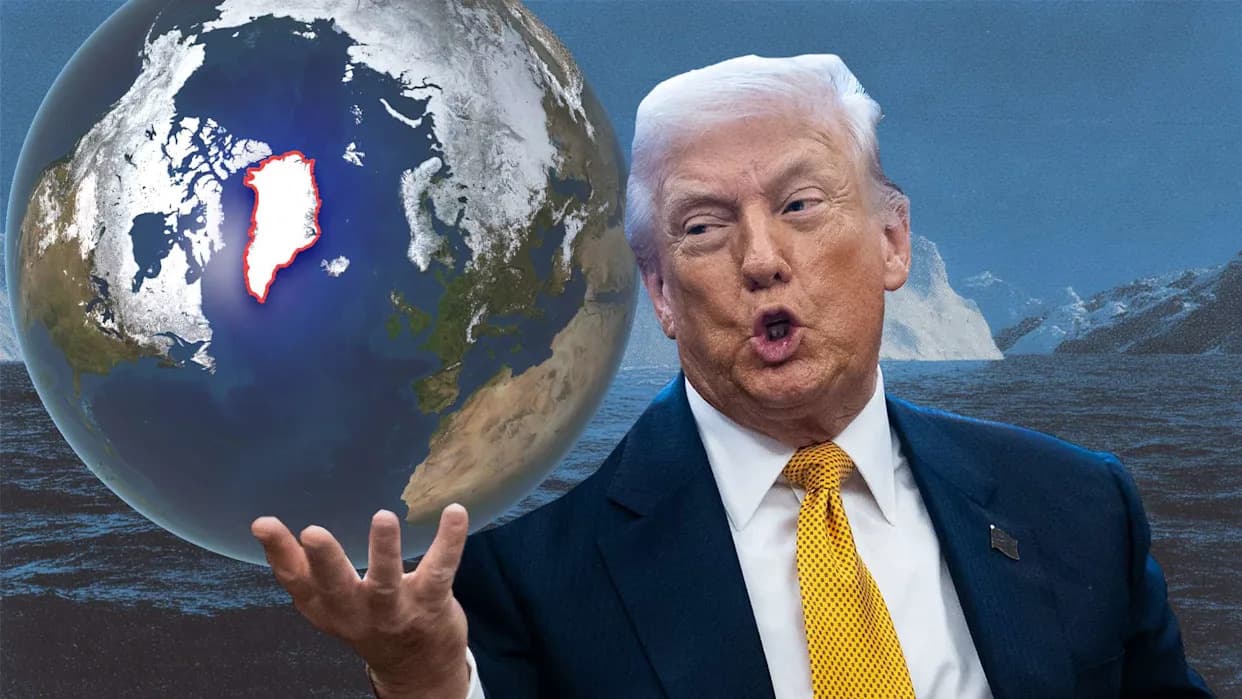
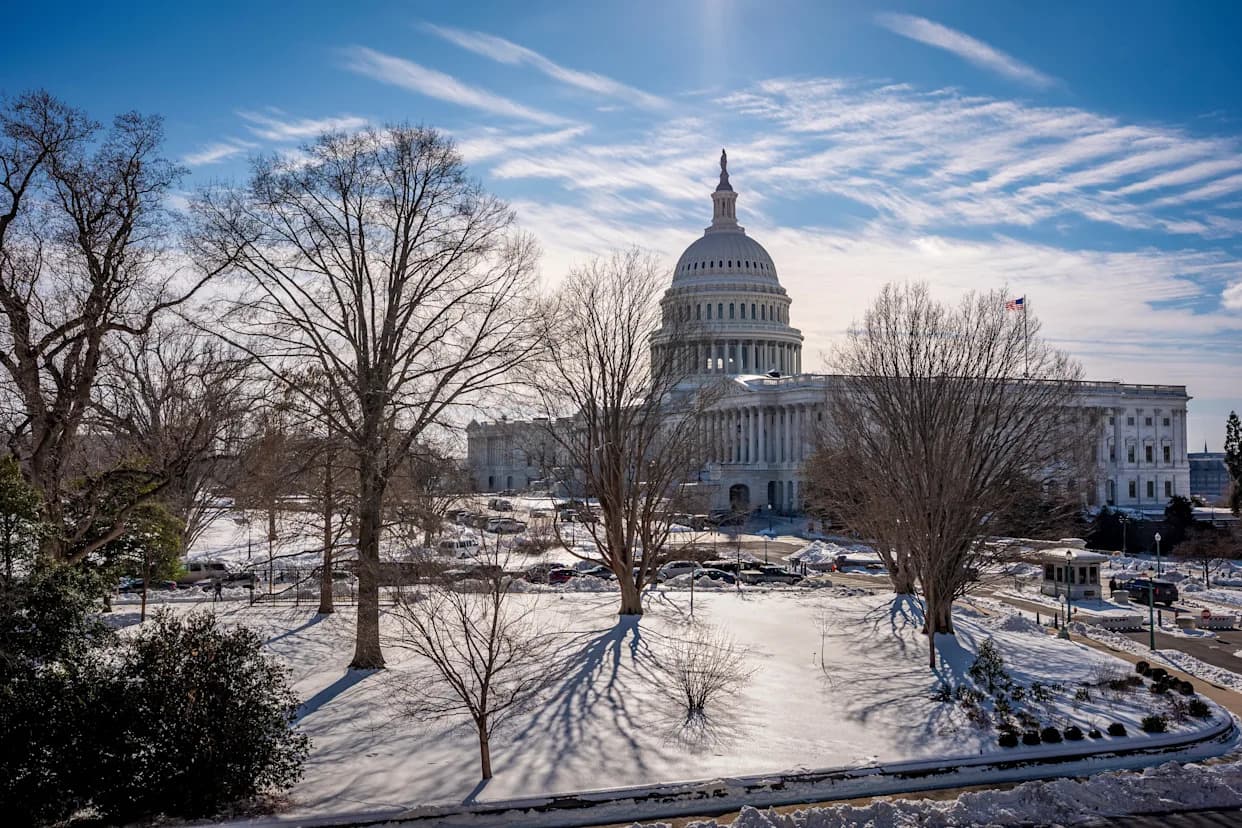
Speaking at the World Economic Forum in Davos, US President Donald Trump said the US needs ownership of Greenland to guard against rivals such as China and Russia, adding he "won't use force" to acquire the self-governing island that belongs to the Kingdom of Denmark. The remark renewed public attention to the strategic value of overseas territories.
INTERACTIVE - lTC0p-united-states-14-territories--1769067241
Across the world, states retain overseas territories for strategic, military, historical, economic and environmental reasons. Many are legacies of colonial empires; others remain closely linked to former metropoles by choice for economic stability, security or practical governance. These territories vary widely in status — from fully integrated regions to overseas collectivities, free associations and uninhabited installations used for science or defence.
INTERACTIVE - oE0s0-france-13-territories--1769067238
United Kingdom
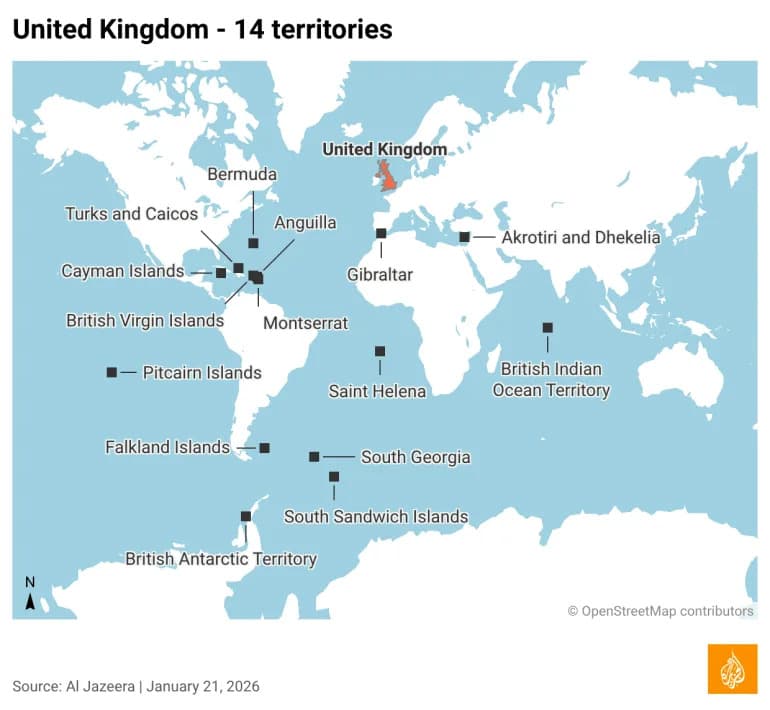
The UK administers 14 overseas territories across the Atlantic, Caribbean, the Pacific and polar regions. Inhabited territories include Anguilla, Bermuda, the British Virgin Islands, the Cayman Islands, the Falkland Islands, Gibraltar and Montserrat, which exercise substantial self-government while the UK retains responsibility for defence and foreign affairs.
INTERACTIVE - C8add-australia-7-territories--1769067250
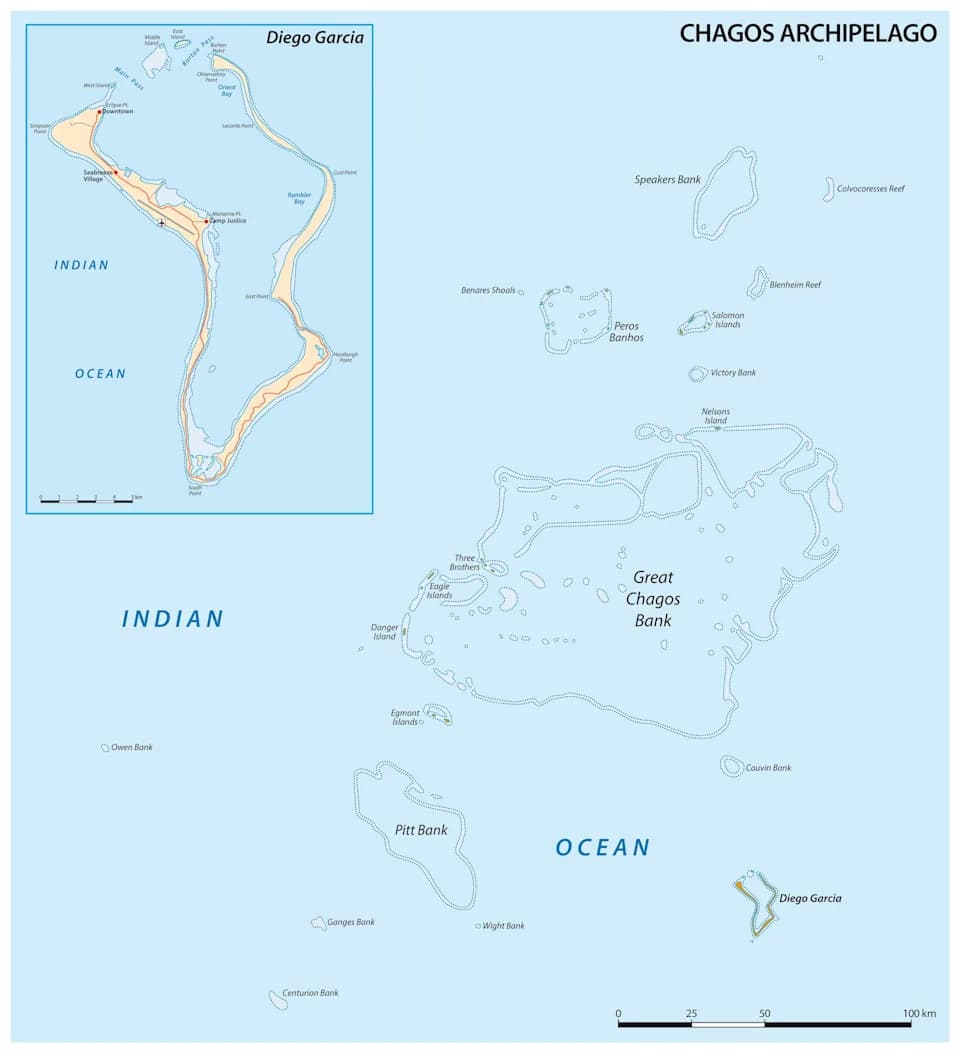
Sparsely populated areas include the British Antarctic Territory, the British Indian Ocean Territory, the Pitcairn Islands, South Georgia and the South Sandwich Islands, and the Sovereign Base Areas of Akrotiri and Dhekelia in Cyprus. These are primarily used for military, scientific and environmental purposes. The UK recently transferred sovereignty over the Chagos Islands to Mauritius after a long dispute — a move that drew criticism from some international figures.
INTERACTIVE - wxTQm-netherlands-6-territories--1769067247
The UK also has three Crown Dependencies — Jersey, Guernsey and the Isle of Man — which are not colonies and are not part of the United Kingdom. They owe allegiance to the Crown and manage their own tax systems and courts, while the UK handles defence and foreign relations.
(Al Jazeera)
United States
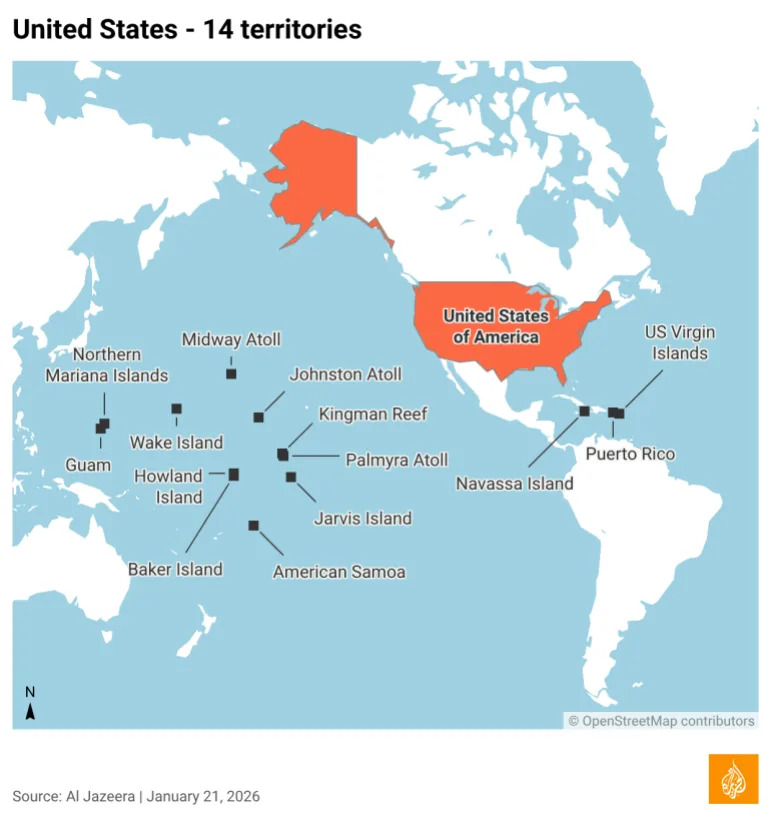
The US has five permanently inhabited territories and a number of largely uninhabited outlying islands, mainly in the Caribbean and the Pacific. The inhabited territories are Puerto Rico, Guam, the US Virgin Islands, American Samoa and the Northern Mariana Islands; Puerto Rico is the most populous and is a self-governing commonwealth. These territories have local governments but limited representation in the US federal system.
INTERACTIVE - BmBsn-new-zealand-4-territories--1769067243
The US Minor Outlying Islands — Baker Island, Howland Island, Jarvis Island, Johnston Atoll, Kingman Reef, Midway Atoll, Navassa Island, Palmyra Atoll and Wake Island — are mostly uninhabited and are used for strategic, environmental and scientific purposes.
INTERACTIVE - yN3BP-denmark-2-territories--1769067257
France
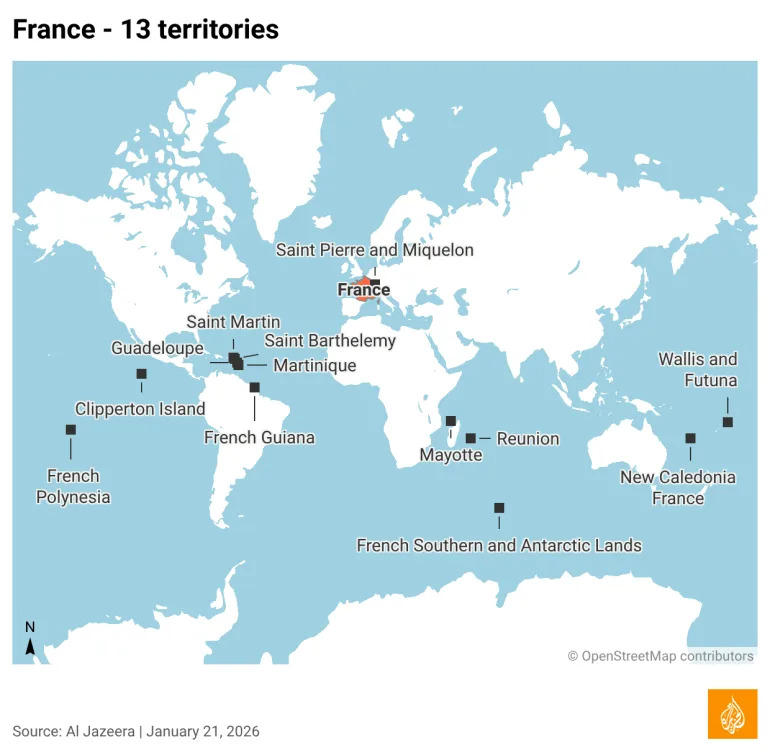
France administers 13 overseas territories across multiple oceans and South America. Five — French Guiana, Guadeloupe, Martinique, Mayotte and Réunion — are fully integrated departments and regions of France with representation in the French parliament and use the euro. Other possessions, such as French Polynesia, New Caledonia, Saint Pierre and Miquelon, Wallis and Futuna, Saint Martin and Saint Barthélemy, are overseas collectivities or territories with varying degrees of autonomy.
INTERACTIVE - beel9-china-2-territories--1769067252
France also claims the French Southern and Antarctic Lands, largely uninhabited and used for scientific research; some of these claims have been contested by other states.
INTERACTIVE - UHJpp-portugal-2-territories--1769067254
Australia
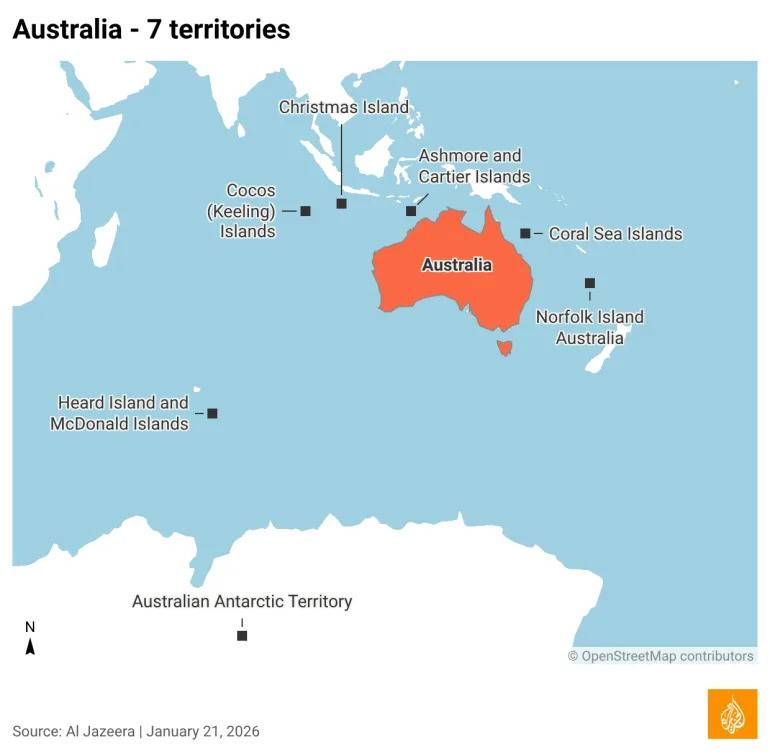
Australia administers seven external territories. Three are inhabited — Norfolk Island, Christmas Island and the Cocos (Keeling) Islands — whose residents are Australian citizens and which have differing governance arrangements. The other four — Heard Island and McDonald Islands, Ashmore and Cartier Islands, the Coral Sea Islands Territory and Australia's Antarctic claim — are mainly uninhabited and used for scientific research, environmental protection and maritime administration.
Netherlands
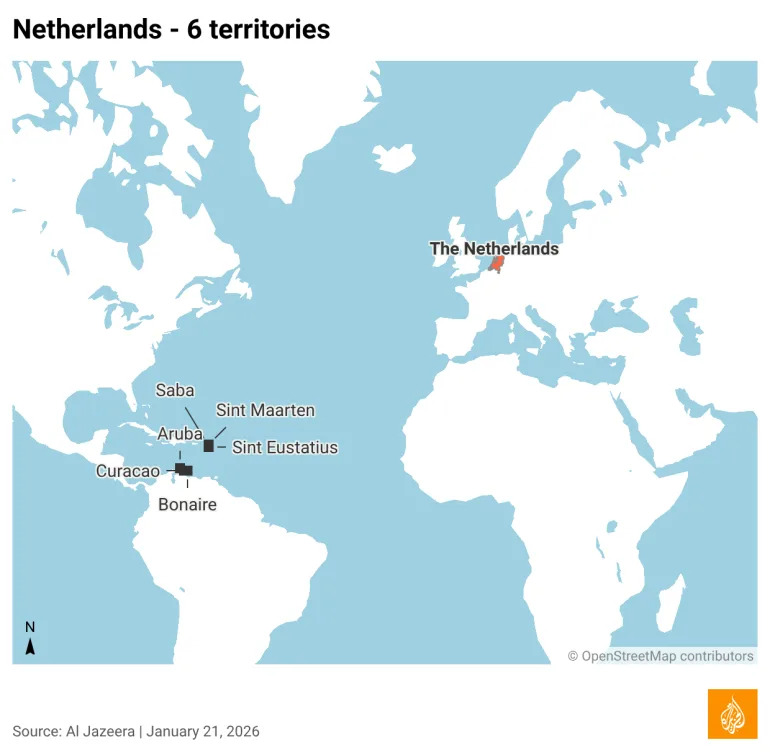
The Kingdom of the Netherlands has six territories in the Caribbean. Aruba, Curaçao and Sint Maarten are constituent countries with their own governments and parliaments; Bonaire, Sint Eustatius and Saba are special municipalities administered directly by the Dutch government but retain local administration and use the US dollar.
Norway
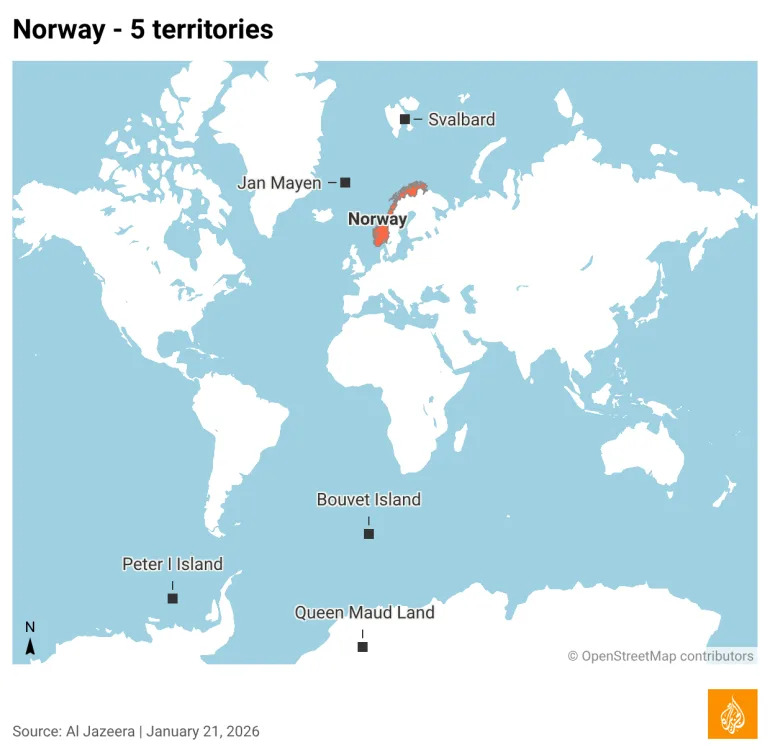
Norway controls five territories in Arctic and Antarctic regions. Svalbard has a unique international status under the 1920 Svalbard Treaty, permitting settlement by treaty signatories and limiting military activity. Jan Mayen is an uninhabited volcanic island used for meteorological and monitoring purposes. Norway also claims Bouvet Island, Peter I Island and Queen Maud Land in Antarctica; like other Antarctic claims, these are subject to the Antarctic Treaty System.
New Zealand
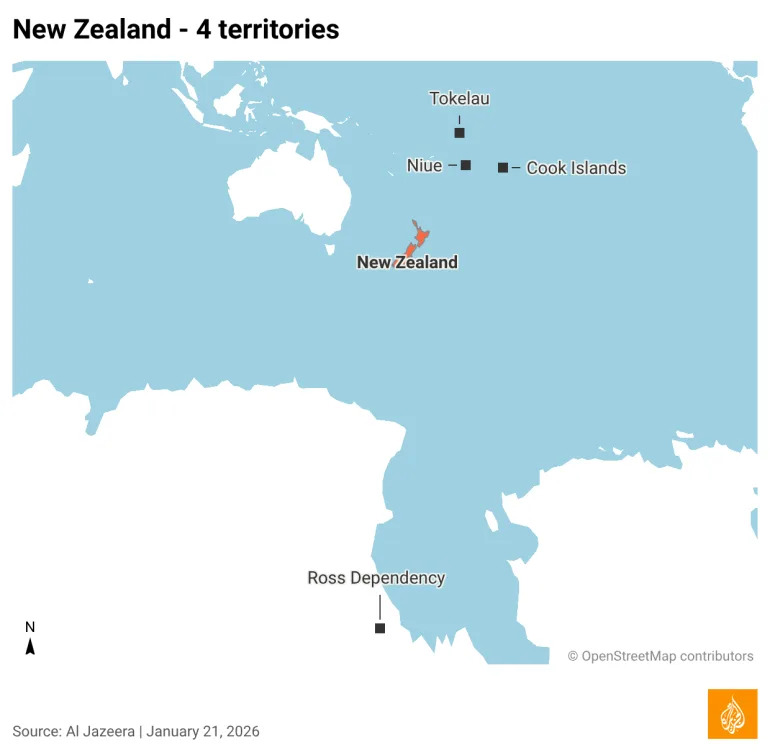
New Zealand is associated with two self-governing states in free association — the Cook Islands and Niue — where local authorities manage domestic affairs while New Zealand can assist with defence and foreign policy. Tokelau is a non-self-governing territory administered by New Zealand. New Zealand also maintains a claim in Antarctica (the Ross Dependency) managed for scientific research within the Antarctic Treaty framework.
Kingdom of Denmark
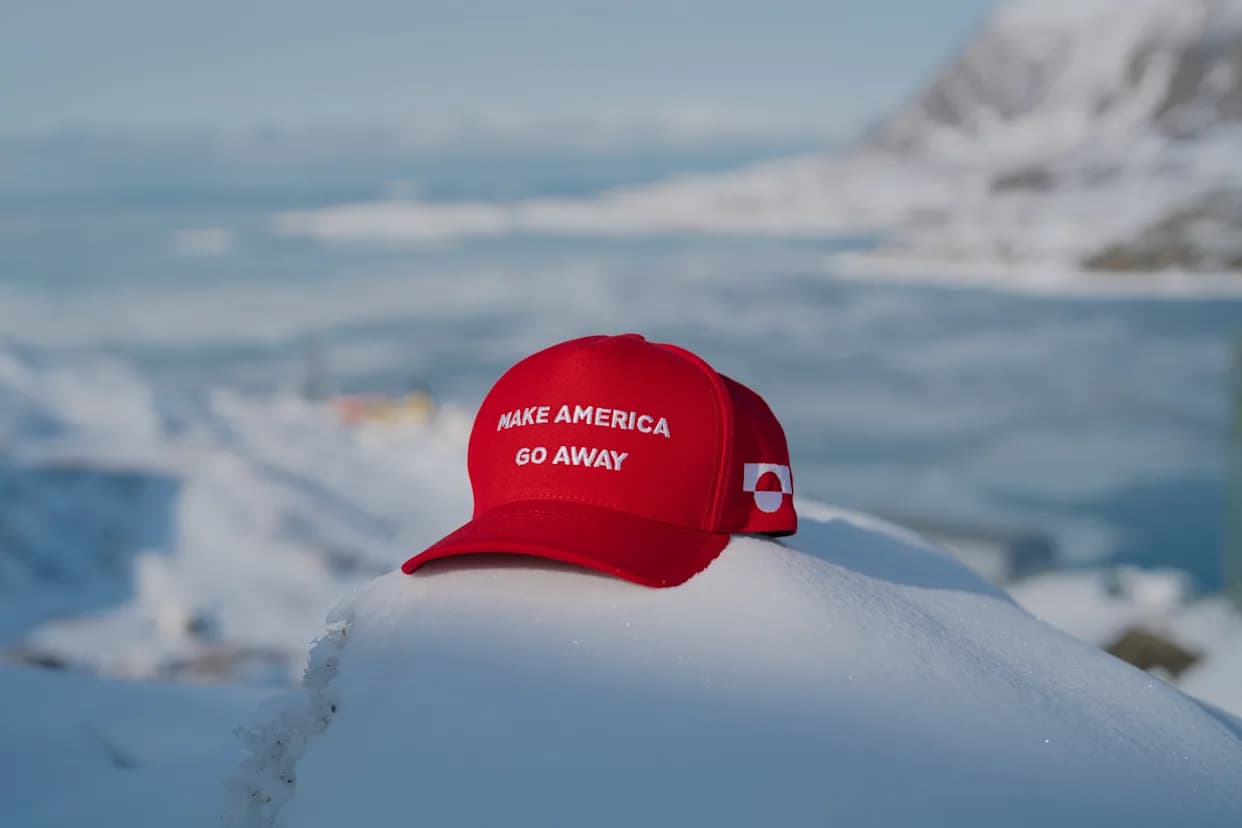
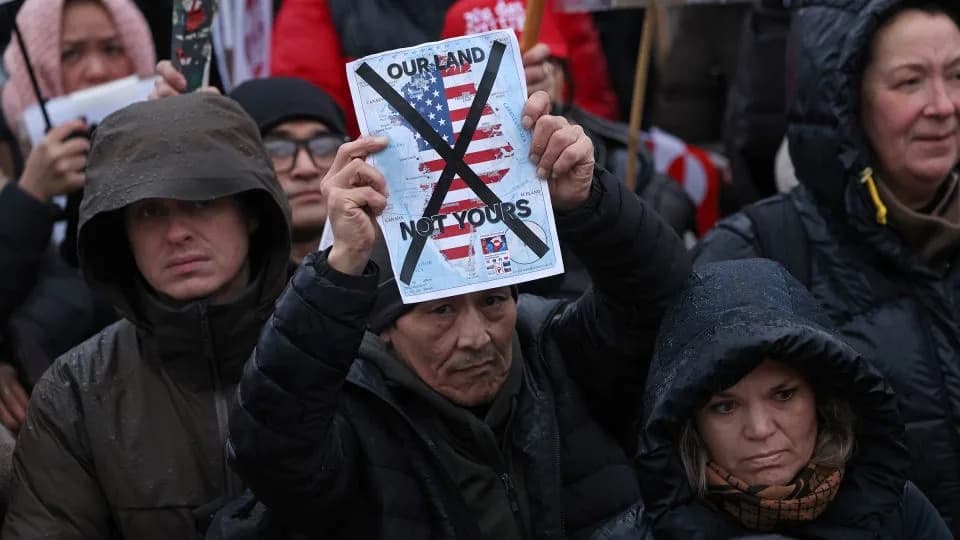
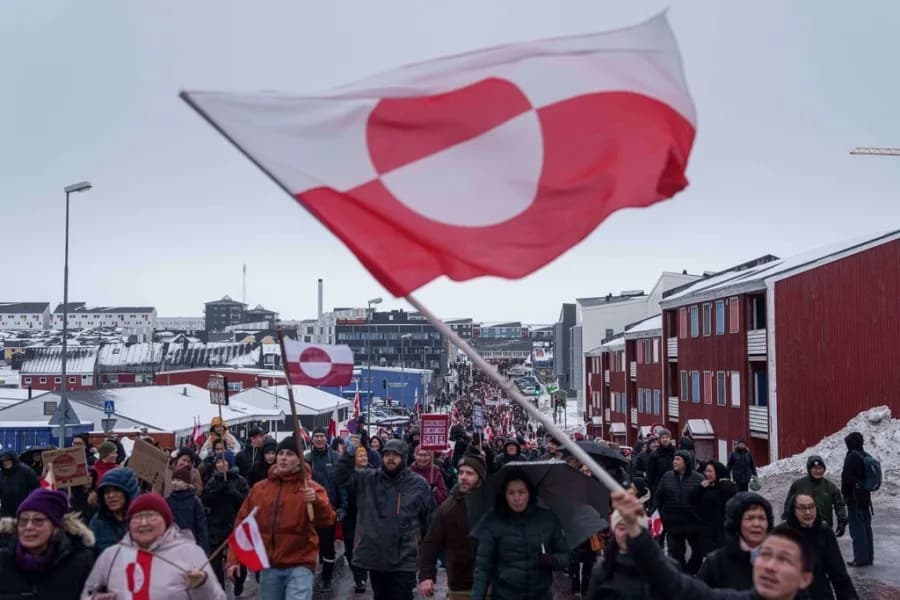
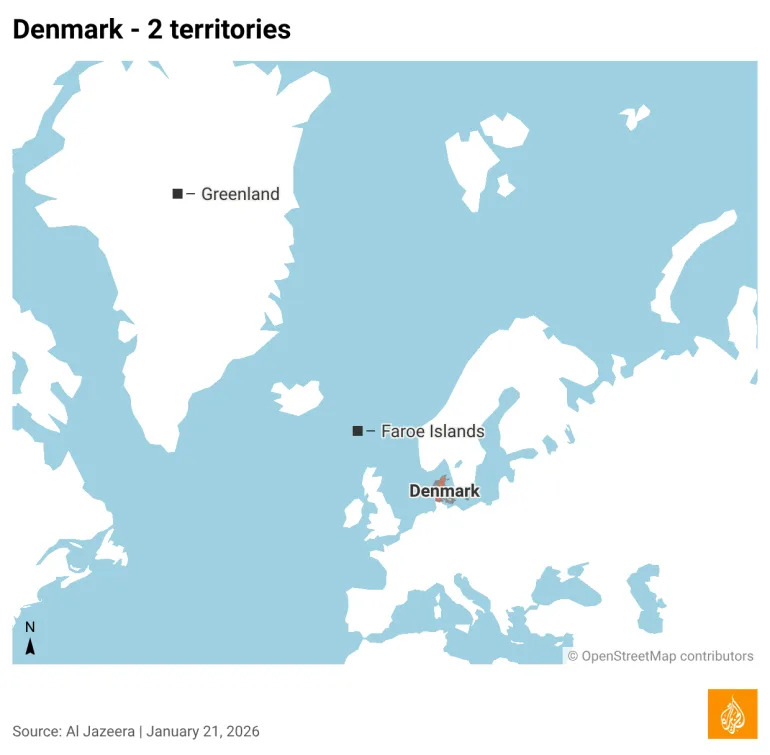
Denmark comprises two largely self-governing territories: Greenland and the Faroe Islands. Greenland, rich in resources and strategically located, drew renewed international attention after public speculation about its sale — which both Denmark and Greenland have firmly rejected. The Faroe Islands exercise broad self-government in the North Atlantic.
China
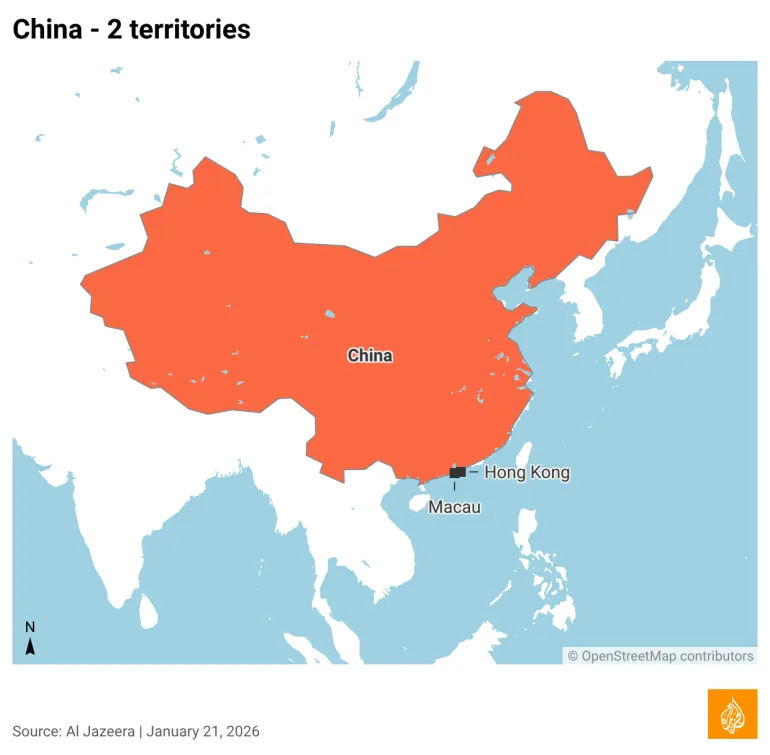
China does not possess overseas territories in the classic colonial sense but governs two Special Administrative Regions, Hong Kong and Macau, which operate with a high degree of autonomy under the "One Country, Two Systems" principle. Hong Kong remains a major financial centre with a common-law-based system, while Macau follows a legal framework influenced by Portuguese civil law. Beijing also administers five autonomous regions within the mainland; Taiwan functions as a self-governing polity but is claimed by China.
Portugal
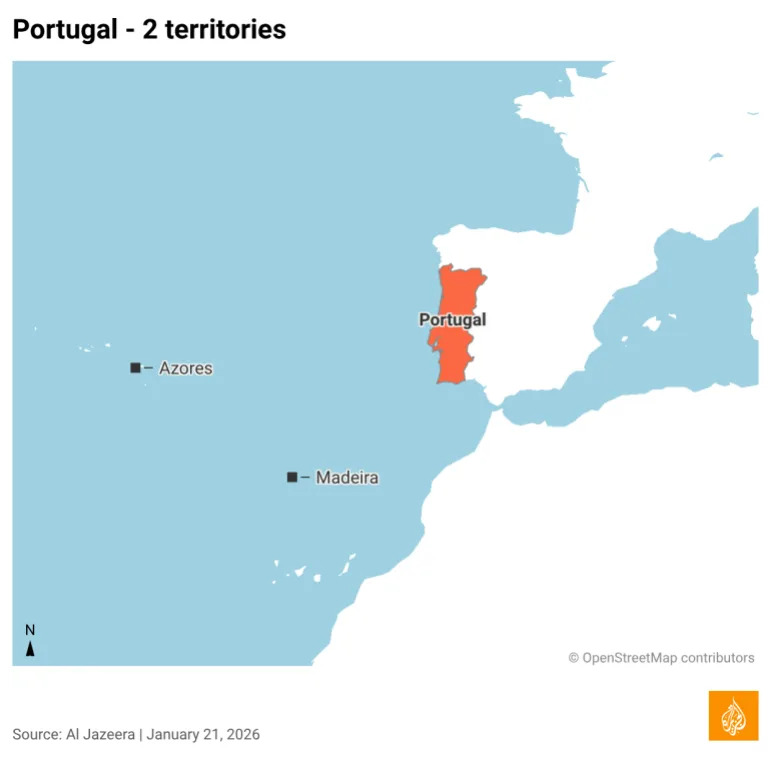
Portugal has two autonomous regions in the Atlantic: the Azores and Madeira. The Azores are an archipelago of nine islands with regional government and roughly 245,000 residents; in 2025 Portugal approved a multi-year licence for a spaceport on Santa Maria Island. Madeira, discovered in the 15th century, has autonomy and a population of about 260,000.
Note: Many territorial claims in polar regions are affected by international agreements such as the 1959 Antarctic Treaty System, which preserves Antarctica for peaceful scientific activity and places a hold on sovereignty disputes. The status and governance of overseas territories vary widely, from fully integrated administrative regions to external territories, free associations and uninhabited strategic sites.
Help us improve.