Bill Press argues that Donald Trump treats geopolitics like a personal game of Monopoly, with Greenland as his latest obsession. Press dismantles the security, strategic, and economic arguments for seizing Greenland — noting a 1951 treaty already permits U.S. forces and Greenlandic officials reject a sale. Public opinion, NATO allies, and many Republicans oppose any use of force, making annexation illegal, unnecessary, and politically dangerous.
Opinion: Trump Treats Greenland Like a Monopoly — Why That’s Dangerous and Unnecessary

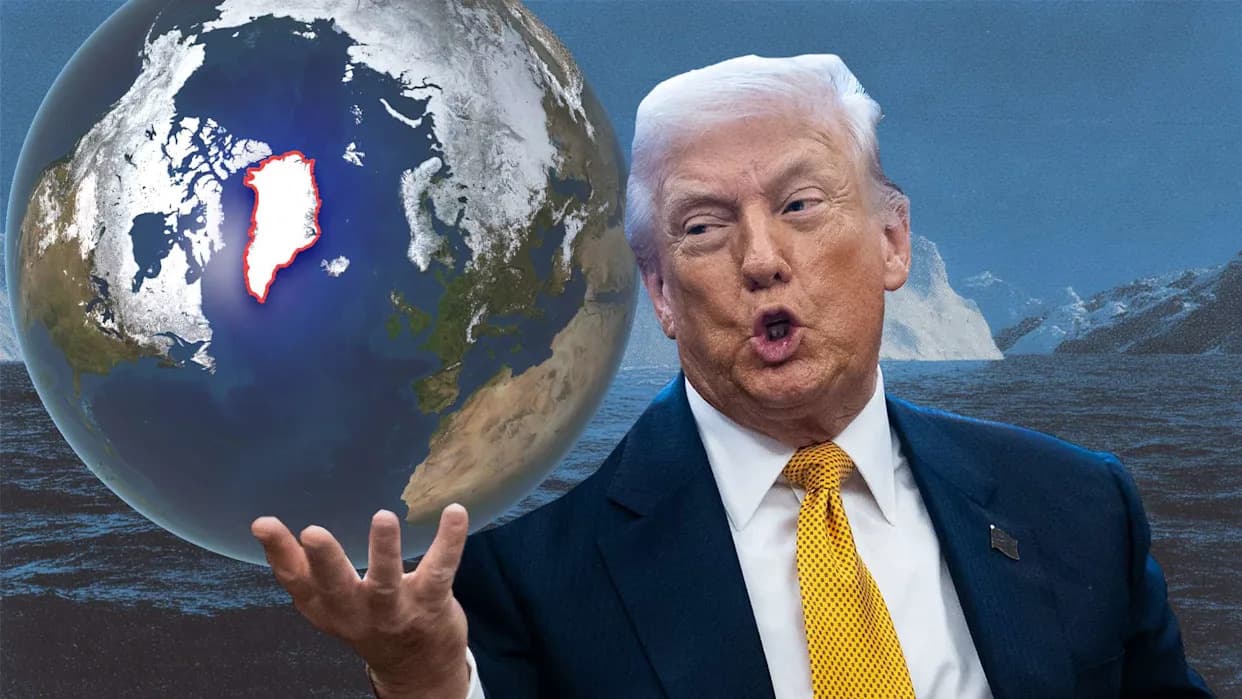
Bill Press argues that Donald Trump treats foreign policy like a high-stakes board game — and Greenland is his latest target. What reads like a childhood obsession with property acquisition could become a dangerous and unnecessary geopolitical move.
Trump’s Monopoly Mentality
Before social media and video games, board games were an escape for many young people. For some, that pastime is left behind; for others it becomes a lifelong mindset. In Press’s view, Trump’s career has mirrored a game of Monopoly: roll the dice, buy and trade properties with borrowed money, and always go for the most expensive squares — not because they make sense but because he wants them.
Greenland: Obsession, Not Strategy
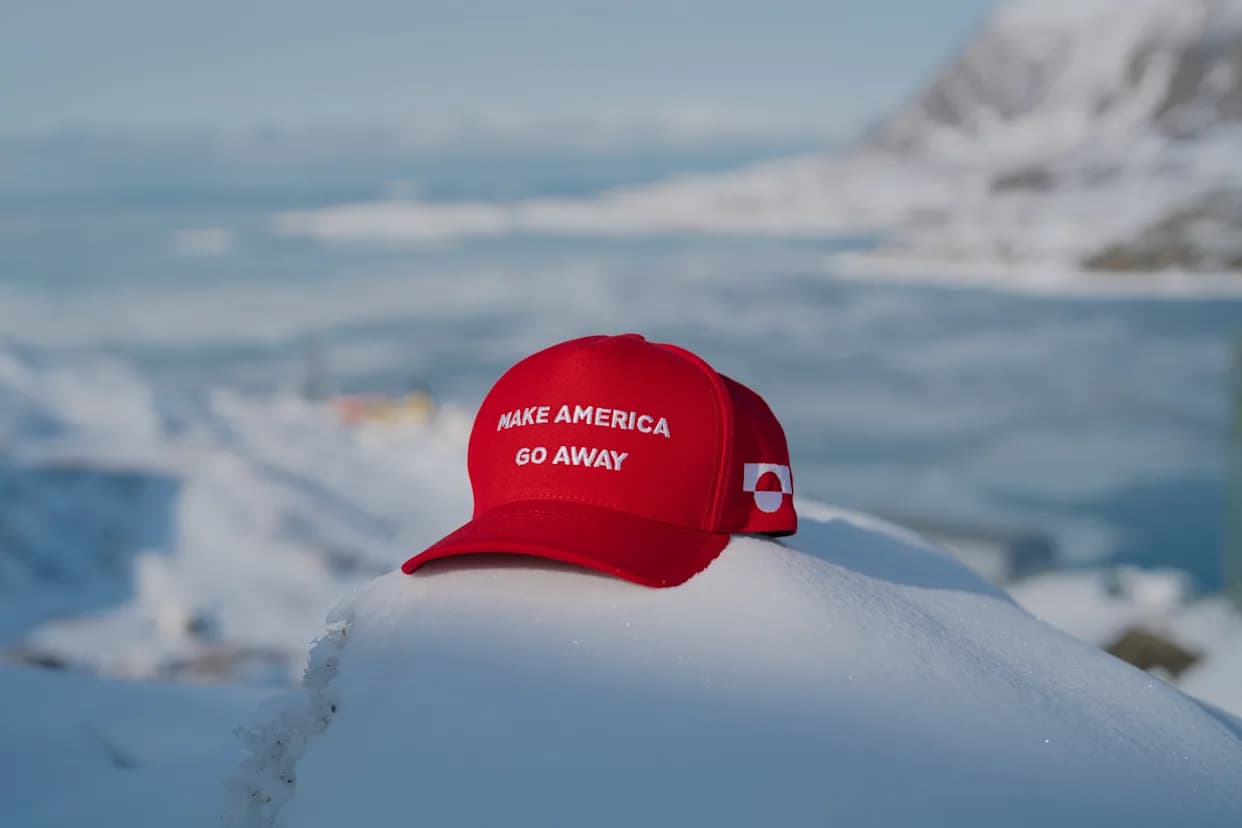
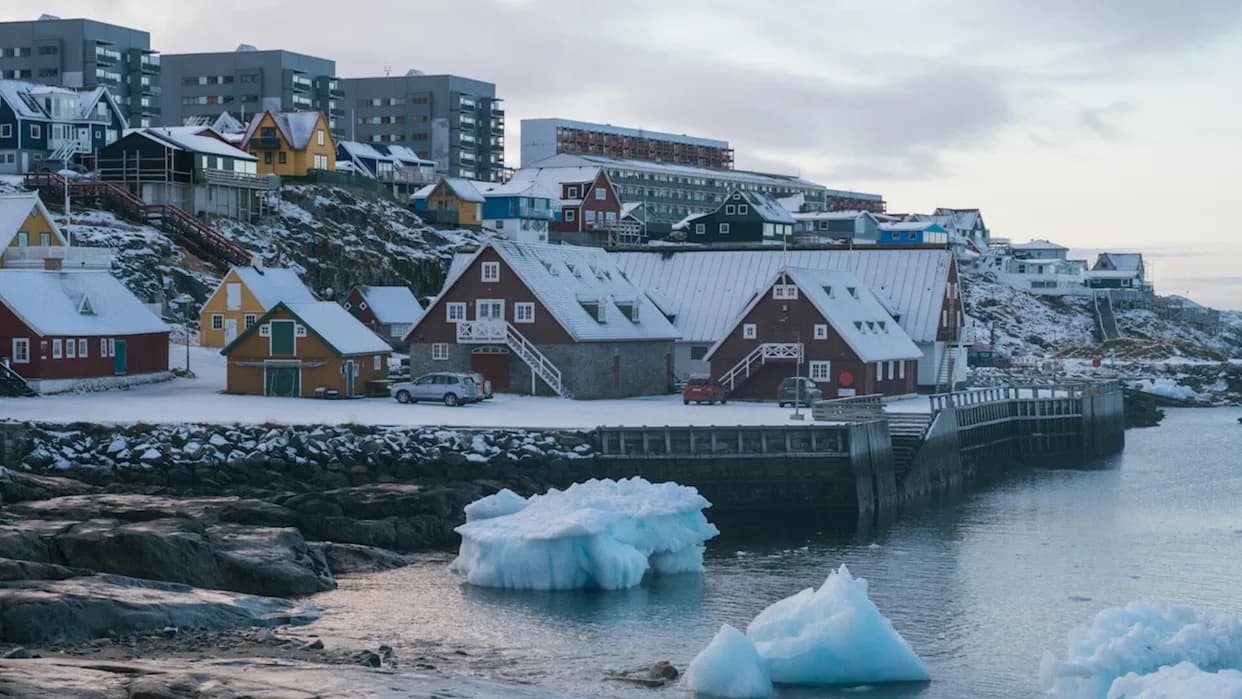
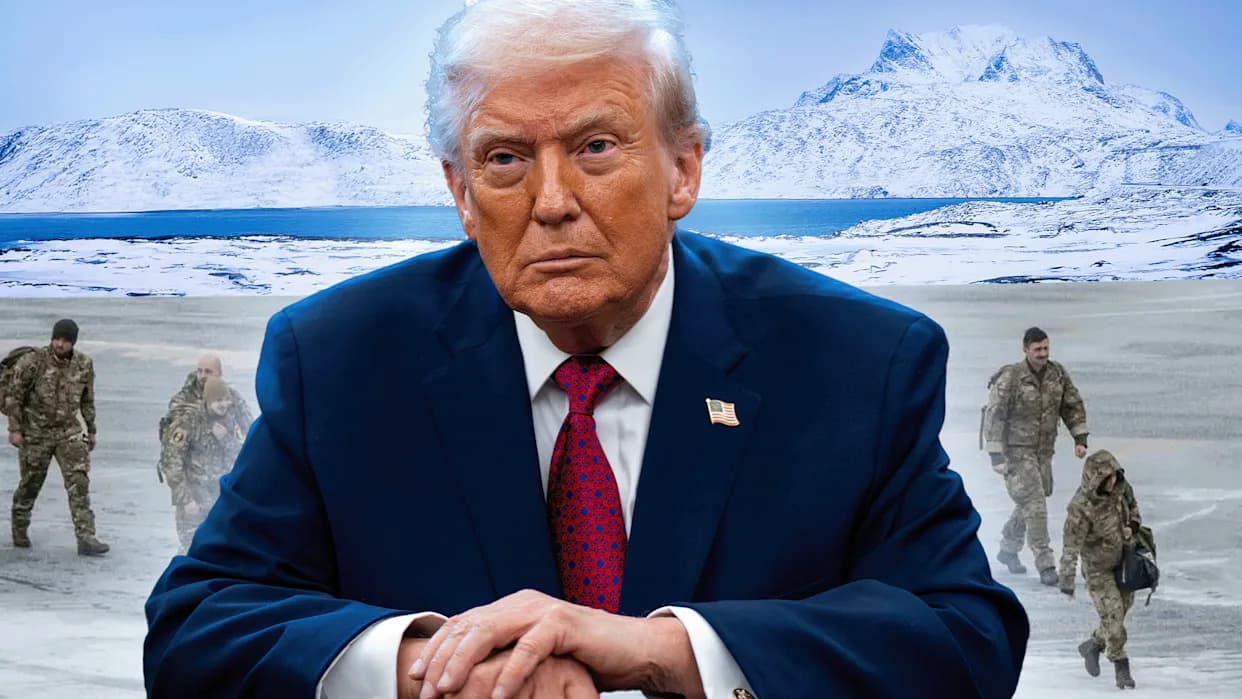
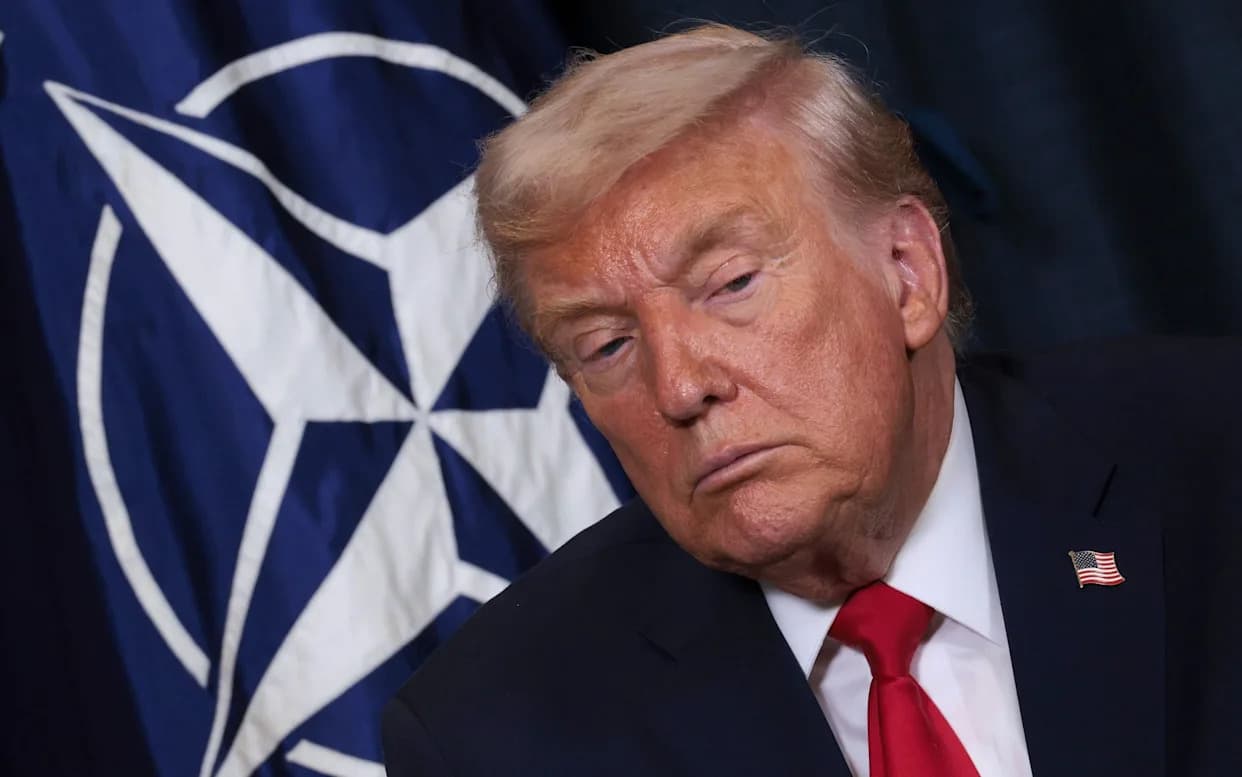
Trump has publicly declared the United States must have “full control” of Greenland and has said he would buy it or, failing that, consider seizing it — a suggestion that would violate the NATO Charter and set a precedent not seen among NATO members in roughly 80 years. Denmark and Greenland both say the territory is not for sale, and Greenlandic officials have rejected the notion outright.
Why the Rationales Don’t Hold Up
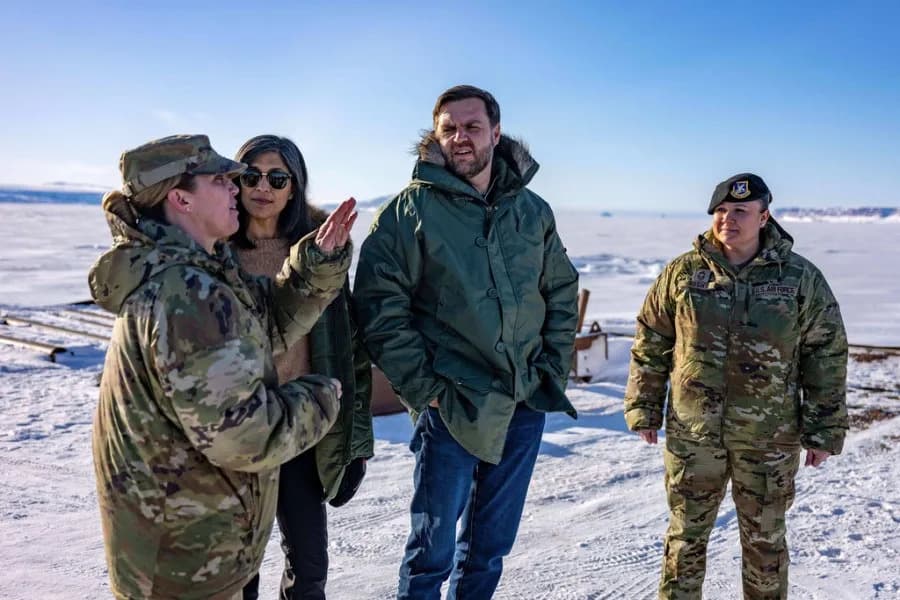
National Security: Trump claims the U.S. needs more troops in Greenland to bolster defense. But a 1951 treaty with Denmark already permits U.S. forces on the island, and historically the U.S. operated numerous bases there. The U.S. could expand its presence under that framework without annexation.
Russia and China: The suggestion that Greenland is at risk of being taken by Moscow or Beijing is not supported by Greenlandic officials, who say they have had no substantive contacts with China and no Cold War–style dealings with Russia. External-state takeover is not the current threat; pressure from U.S. policy proposals is.
Missile Defense (“Golden Dome”): Trump has invoked a national missile-defense project as a reason to control Greenland. That claim is hard to justify: past U.S. defense initiatives, including Reagan’s Strategic Defense Initiative, did not hinge on Greenland, nor is there a clear technical need for Greenland specifically to protect the continental U.S.
Mineral Wealth: Greenland’s mineral resources are often cited as motivation, but much of that wealth lies beneath thick polar ice north of the Arctic Circle, making extraction technically difficult and costly. Greenlandic officials say they welcome foreign investment without giving up sovereignty.
Political and Public Backlash
Public opinion and political institutions strongly oppose a forcible seizure. A recent CBS poll reported that 86 percent of Americans oppose using military force to take Greenland. NATO allies and growing numbers of Republicans — including members of Congress — have also rejected the idea, warning it could prompt impeachment or a war powers response.
Bottom Line
Economically and militarily, there is little that a forced takeover would provide that the United States cannot already access through treaties, investment, or established military arrangements. Attempting to seize Greenland would be illegal under international law, strategically unnecessary, and politically toxic — a fool’s errand rather than a sound policy.
About the author: Bill Press hosts "The Bill Press Pod" and is author of "From the Left: A Life in the Crossfire."
Help us improve.