President Trump proposed acquiring Greenland for strategic reasons, prompting firm rejections from Denmark and Greenland. Public polling shows a majority of Greenlanders favor independence from Denmark, but 85% oppose joining the United States. Experts argue the U.S. should expand defense cooperation under existing treaties and respect Greenlanders' right to self-determination rather than pursue annexation.
Greenland Isn't For Sale: Why Greenlanders Reject Becoming Americans — And What the U.S. Should Do Instead
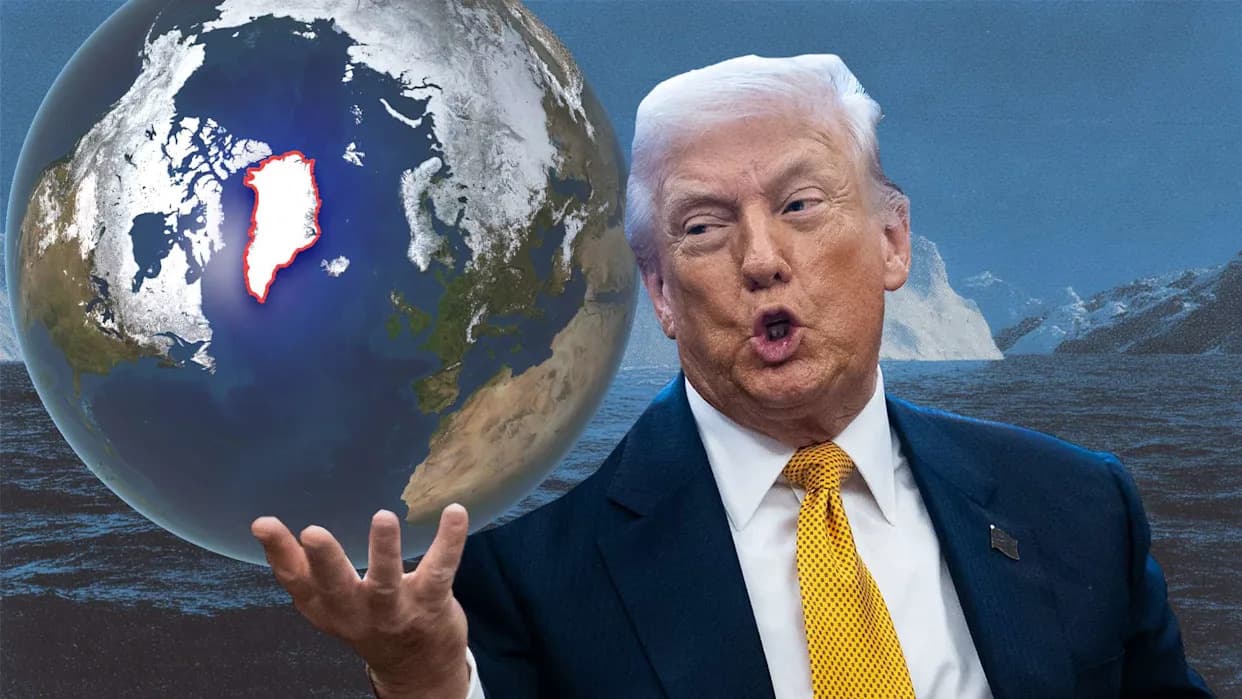
Greenlanders Don't Consent To Becoming Americans
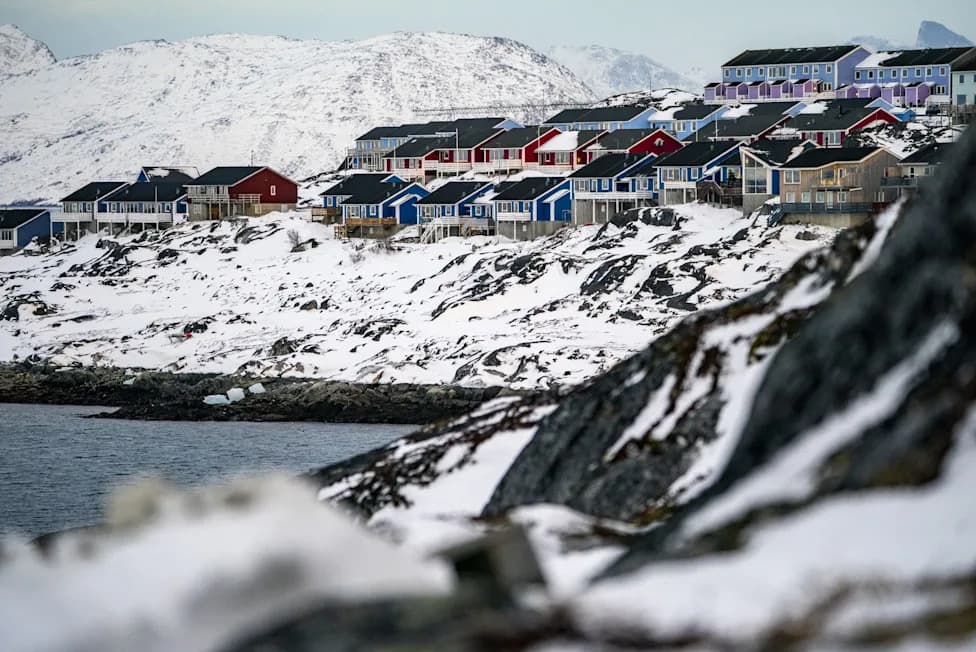
President Donald Trump has repeatedly suggested that the United States should acquire Greenland for strategic reasons, even saying the U.S. might pursue the territory "the easy way" or "the hard way." His comments prompted swift rebukes from Copenhagen and Nuuk and renewed debate about consent, sovereignty and security in the Arctic.
On January 14, the president wrote on Truth Social: "The United States needs Greenland for the purpose of National Security. It is vital for the Golden Dome that we are building. NATO should be leading the way for us to get it. IF WE DON'T, RUSSIA OR CHINA WILL, AND THAT IS NOT GOING TO HAPPEN!" Days earlier at the White House he told reporters, "We are going to do something in Greenland, whether they like it or not... If we don't do it the easy way, we're going to do it the hard way."
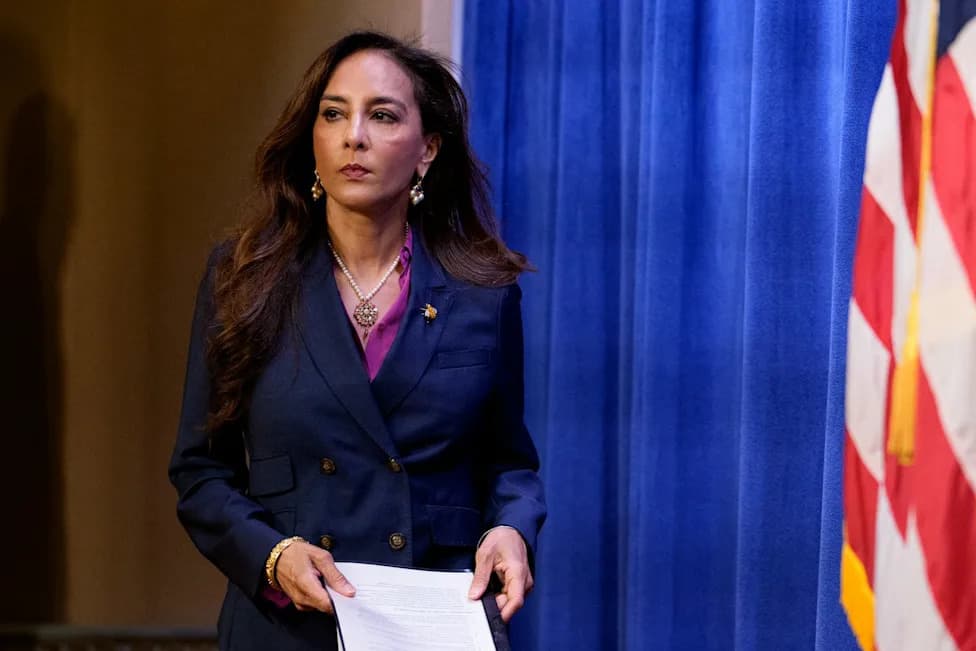
Danish officials answered calmly but firmly. Foreign Minister and former prime minister Lars Løkke Rasmussen said, "The president has made his view clear, and we have a different position." Greenland's prime minister, Jens-Frederik Nielsen — who leads the Democrats party that won the island's March 2025 election on a platform favoring free markets and increased self-determination — put it bluntly: "If we have to choose between the US and Denmark here and now, then we choose Denmark. We choose NATO, the Kingdom of Denmark and the EU."
What Greenlanders Actually Want
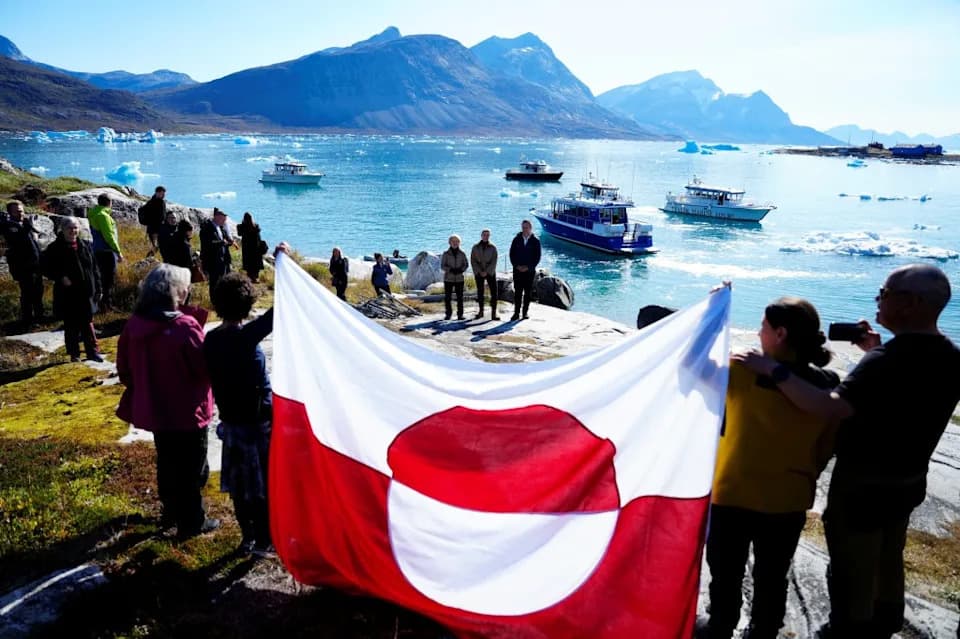
Public-opinion data make the islanders' preferences clear. A Verian Group survey published a year ago found that 56% of respondents would vote yes to Greenlandic independence if a referendum were held today, 28% would vote no, and 17% were undecided. At the same time, Verian's Camilla Kann Fjeldsøe reported that 85% of Greenlanders do not want to leave the Realm of Denmark and become part of the United States; only 6% expressed a desire to join the U.S., and 9% were undecided.
Put simply: while many Greenlanders contemplate greater autonomy or full independence from Denmark, an overwhelming majority reject becoming American. Faced with a binary choice between two external rulers, residents tend to prefer the familiar political and social links to Denmark — including continued financial support — over a radical transfer of sovereignty to the U.S.
Security Concerns and Practical Alternatives
Concerns about Russian or Chinese influence in the Arctic are shared by the U.S., Denmark and Greenland. But annexation would require overruling the clear preference of Greenland's people and negotiating the surrender of Danish sovereignty — a political and legal minefield unlikely to win international or local legitimacy.
"Governments are instituted among Men, deriving their just powers from the consent of the governed." — Declaration of Independence
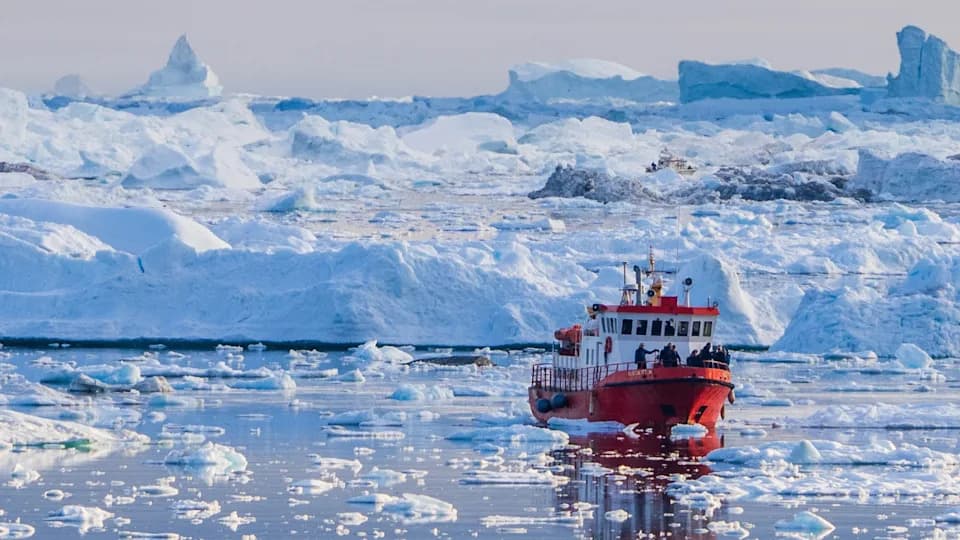
If securing Greenland is the goal, there are less disruptive, more legitimate options. The United States and Denmark already have a long-standing defense relationship: U.S. forces were stationed in Greenland during World War II, and a 1951 defense agreement governs cooperation on the island today. Pituffik (formerly Thule) Space Base currently hosts roughly 150 U.S. military personnel; during the Cold War the presence was in the thousands and could be increased under existing treaties if both governments agreed.
Expanding cooperation under current frameworks could address strategic concerns without violating Greenlanders' right to choose their government. It would also avoid immediate fiscal responsibilities: Greenland receives substantial subsidies from Denmark. In the last year Denmark and Greenland agreed to new initiatives and investments in Greenland totaling DKK 1.6 billion (about $249 million), on top of generous welfare spending financed by Denmark's high tax-to-GDP ratio (45.2% in 2024 versus 25.6% in the U.S.).
Why Consent Matters
America’s founding principles emphasize consent of the governed. Imposing U.S. governance on Greenlanders who overwhelmingly oppose incorporation would contradict that principle and risk international condemnation, destabilizing an already delicate Arctic order.
The pragmatic choice is to deepen defense cooperation, clarify mutual security commitments with Denmark and Greenland, and support Greenland's own political and economic development — including its path toward potential independence if that is what a majority decide through transparent, democratic means.
Conclusion: Strategic interests do not justify overriding the democratic preferences of Greenland's population. The United States can safeguard Arctic security by working with — not annexing — Greenland: strengthen treaty-based defense ties, increase presence through agreement, and respect the islanders' right to self-determination.
Help us improve.