An ODI Global survey of 29 small island developing states (July–Nov 2025) found China is the most valued bilateral development partner for many respondents, driven in part by cuts to U.S. aid and scaled-back climate funding. ODI analysis shows China provided about $6 billion in development finance to these states from 2020–2023, outpacing Australia, the U.S. and Japan. Officials warned of severe vulnerability to extreme weather, limited access to concessional finance, and low uptake of debt-relief tools that fail to reduce total debt.
China Tops Donor Rankings For Small Island States As Western Aid Falls
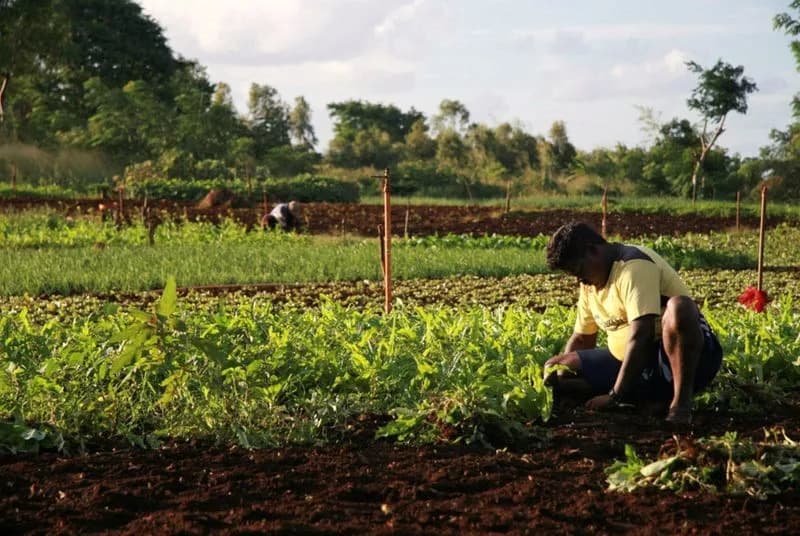
FILE PHOTO: A Mauritian man tends to his vegetables in Terre Rouge May 8, 2008. Ed Harris/File Photo
LONDON, Jan 28 — A new ODI Global survey of officials from 29 small island developing states finds China is now the most valued bilateral development partner for many of these countries, a shift linked to cuts in U.S. aid and reduced U.S. climate funding.
Surveyed between July and November 2025, respondents represented islands across the Caribbean, Pacific and Indian Ocean regions, including the Solomon Islands, Papua New Guinea, Barbados, Cabo Verde, Mauritius and the Maldives. The World Bank definition of small island developing states also covers some non-island countries such as Belize and Guyana.
"These countries are important to different donors for geopolitical reasons," said Emily Wilkinson, lead author of the ODI Global report, in an interview with Reuters.
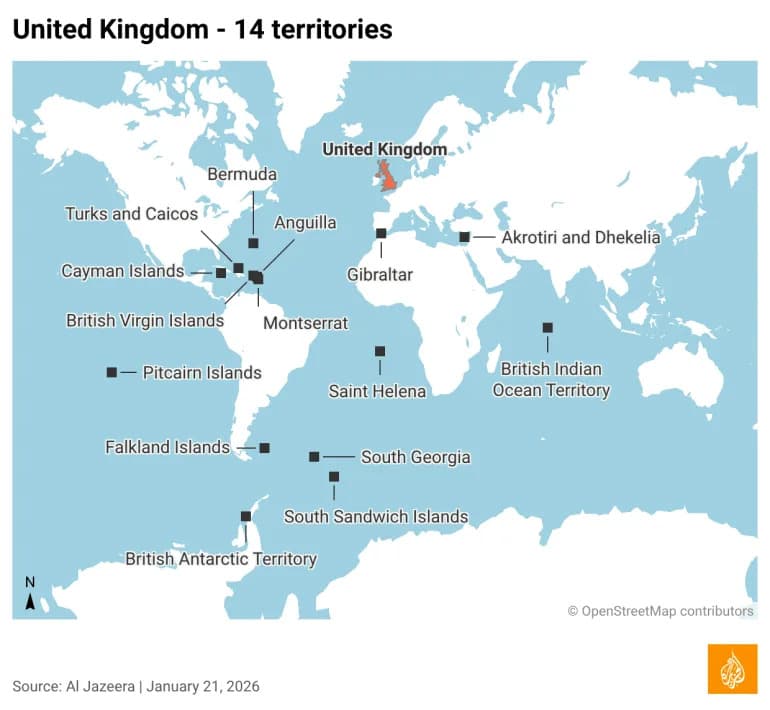
Regional Patterns: Responses vary by region. The United Kingdom ranked as the top bilateral partner for half of Caribbean respondents, Australia led in the Pacific, and China was rated first among island states in the Atlantic, Indian Ocean and South China Sea.
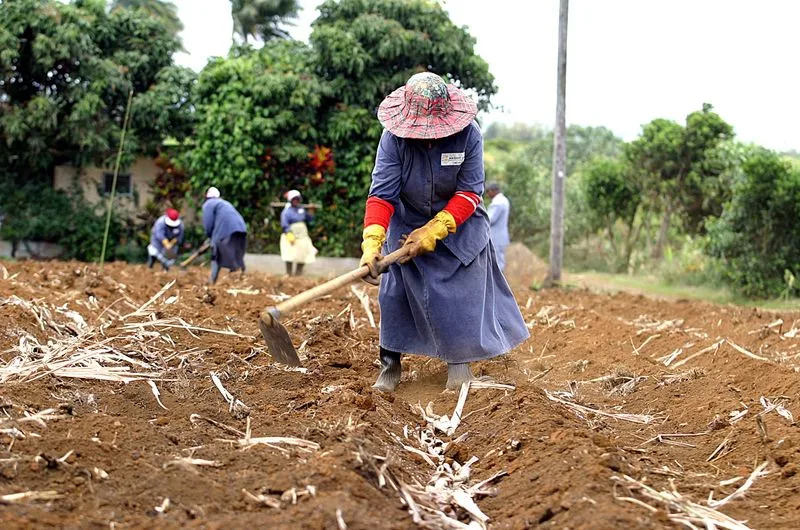
FILE PHOTO: A Mauritian man tends to his vegetables in Terre Rouge May 8, 2008. REUTERS/Stringer/File Photo
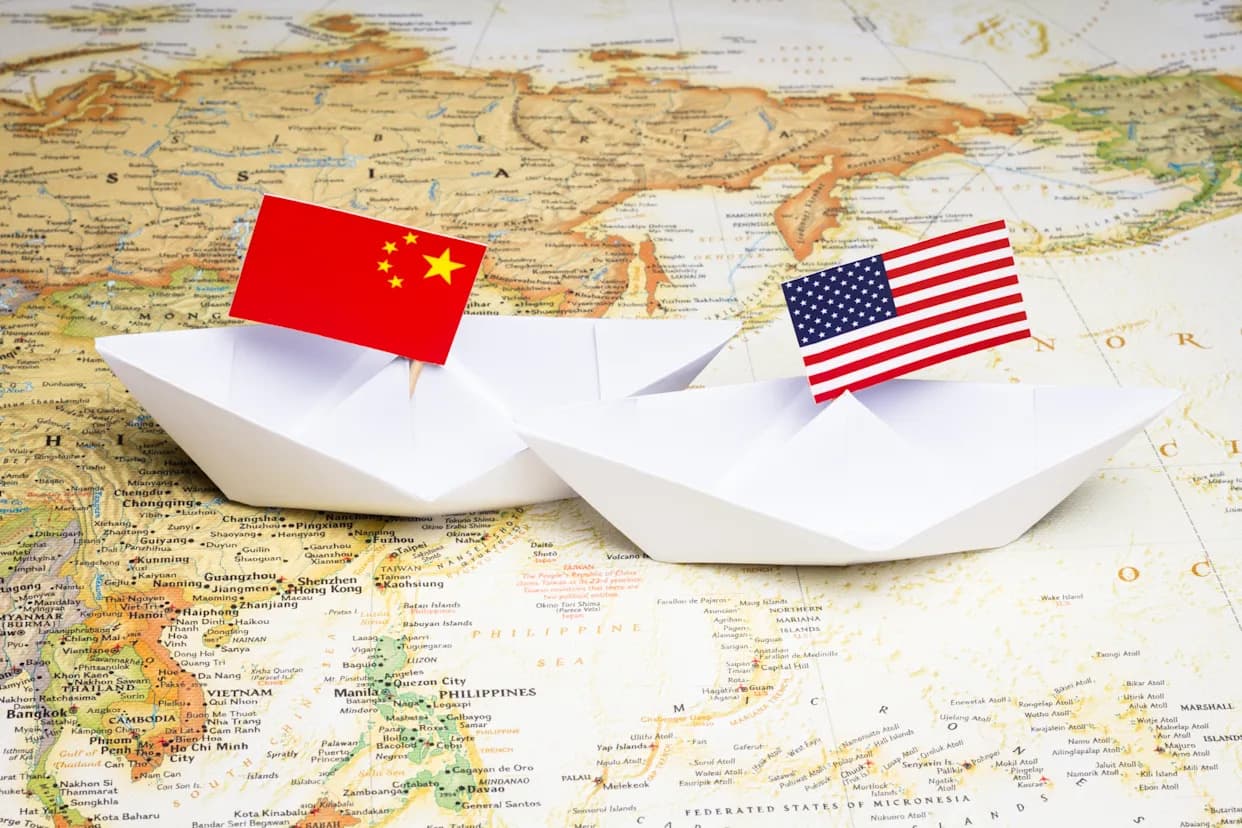
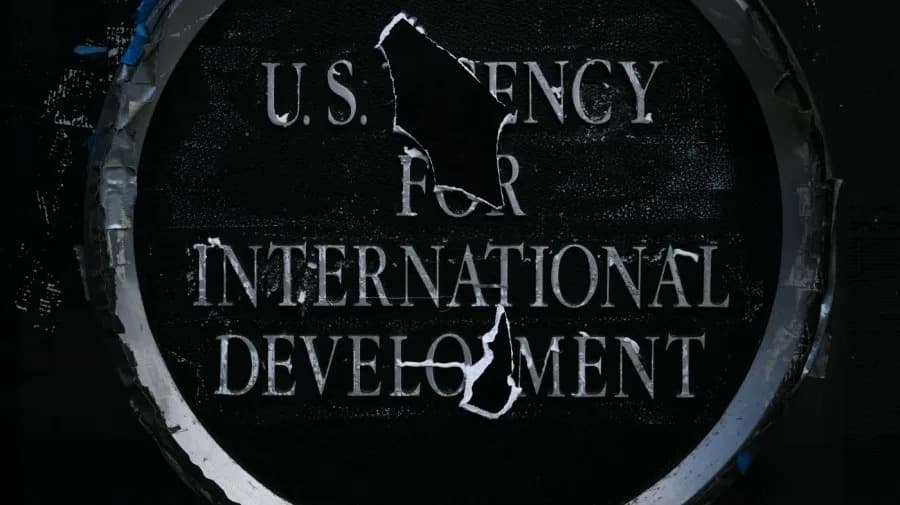
Finance Flows (2020–2023): ODI's analysis shows Beijing provided roughly $6 billion in development finance to small island states between 2020 and 2023 — more than Australia ($4.78 billion), the United States ($3.17 billion) and Japan ($2 billion). These figures predate the January 2025 return of U.S. President Donald Trump, after which U.S. development assistance through USAID was significantly curtailed and climate-related funding reduced.
Climate Vulnerability and Financing Gaps: Officials highlighted the disproportionate economic impact of extreme weather events on small island states and their limited access to concessional finance. While donors increasingly promote innovative instruments — such as debt swaps and clauses that pause repayments when climate disasters hit — uptake has been low.
Wilkinson noted such instruments often do not address the core problem because they typically do not reduce total debt burdens or improve long-term fiscal resilience. For many small states, the combination of strategic location, high climate risk and constrained concessional financing raises geopolitical as well as development concerns.
Implications: The ODI Global findings suggest that shifts in donor priorities and financing availability are reshaping partner preferences in small island states, with potential long-term geopolitical consequences as major powers increase engagement in strategically located maritime regions.
Help us improve.