The article argues that renewed U.S. interest in Greenland reflects hard geopolitical realities rather than mere recklessness. Melting Arctic ice, new shipping lanes, subsea cables and shorter missile paths raise Greenland’s strategic value as a surveillance and denial platform. The author recommends negotiation — fair compensation for Denmark and protections for Greenlandic self‑rule — over military action, citing historical precedents where the U.S. secured critical positions through deals.
Why the U.S. Is Talking About Greenland — And Why It Matters
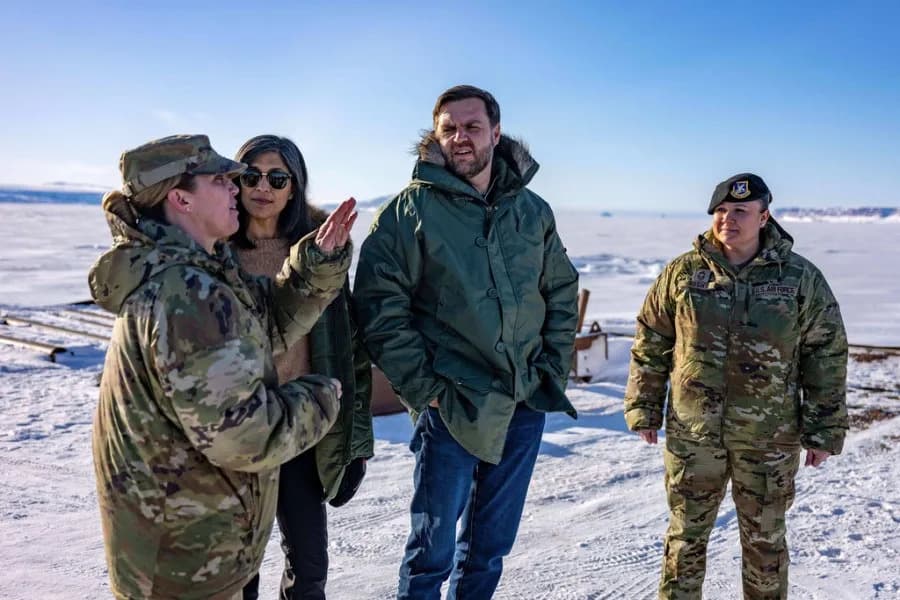
The White House has amplified talk about Greenland. That volume is not necessarily a sign of irrationality. This debate is less a sudden slide into imperial fantasy than a blunt exercise in power politics — expressed in contemporary language but rooted in long‑standing strategic realities.
Why Greenland Matters
Geography still shapes outcomes. Distance can both shield and expose states. As Arctic ice melts, sea lanes open, missile and flight trajectories shorten, subsea cables become more important, and surveillance gaps narrow. Greenland sits at the center of these changes — not because of its population but because of the strategic consequences its location creates.
Realism, Rivalry, and Strategy
Viewed through a realist lens — the kind described by John Mearsheimer — great powers do not rely on goodwill. They compete, maneuver and deny rivals advantage wherever they can. The United States did not invent this contest; for a century it has shaped trade routes, secured chokepoints and prevented adversaries from gaining vital footholds. Walking away now would not end great‑power competition; it would surrender a positional edge.
"Sovereignty is sacred until security is threatened; then it becomes negotiable."
What's Driving the Renewed Focus
Melting ice has turned a frozen buffer into a contested corridor. Russia and China recognize the Arctic’s growing importance and are investing in presence, infrastructure and influence. The United States can treat Greenland as a distant curiosity or recognize it as a forward position that will shape future balances of power.
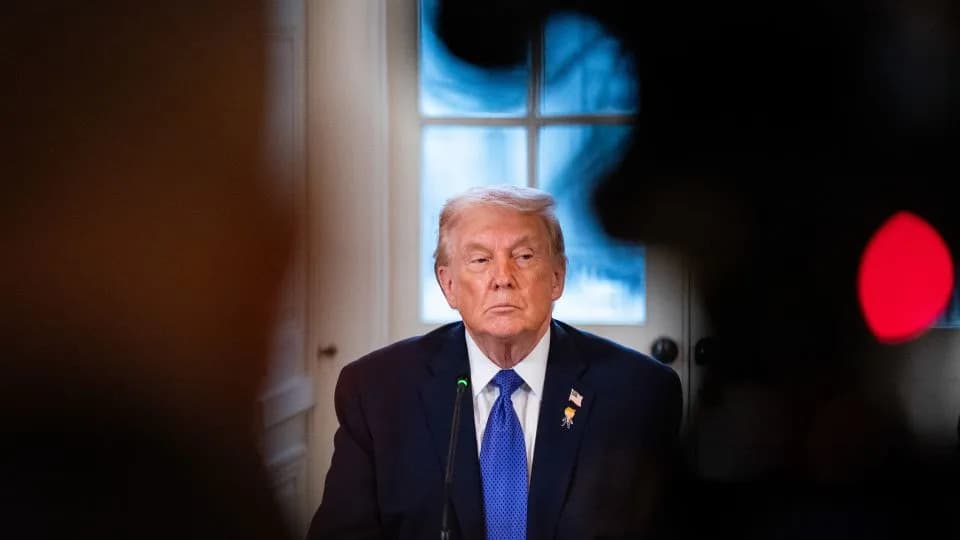
Under President Trump the idea of acquisition resurfaced not purely from recklessness but from bluntness: he voiced a strategic argument many officials have discussed privately. Allies reacted with alarm, but political outrage should not obscure the strategic calculus.
Preferred Approach: Negotiation, Not Force
The least disruptive and most legitimate path would be negotiation. A negotiated transfer or long‑term agreement that includes fair compensation for Denmark and strong guarantees for Greenlandic self‑rule would be cleaner and cheaper than any military option. Threats of force tend to function as leverage and signal seriousness rather than announce imminent invasion; war in the Arctic would be absurdly costly and counterproductive.
Historical Precedents
There are historical examples of the United States securing strategic positions through purchase or negotiation rather than conquest: the Louisiana Purchase (strategic control of the Mississippi), backing Panama’s separation from Colombia (to secure the canal), and the purchase of Alaska (to keep Russia at a distance). Similarly, U.S. strategic access to Iceland, negotiated basing arrangements in Okinawa, and the development of Diego Garcia show alternatives to open conflict.
European Reaction
European outrage is predictable and revealing: many European states rely heavily on American security guarantees while bristling when Washington acts like a power rather than a charity. That tension colors criticisms of any assertive U.S. move regarding Greenland.
Policy Recommendations
- Open serious, respectful negotiations with Denmark and Greenlandic authorities.
- Offer fair compensation and robust protections for Greenlandic self‑rule and local interests.
- Pursue security agreements or long‑term basing arrangements rather than unilateral annexation or military action.
- Coordinate transparently with NATO allies to reduce regional friction and maintain European trust.
Greenland is not a vanity project or merely a colonial relic: it is a strategic anchor, a surveillance platform, a logistics hub and a denial asset. Losing influence there would not produce immediate collapse, but it would mark a significant strategic retreat that rivals would notice long before voters did.
John Mac Ghlionn is a writer and researcher who explores culture, society and the impact of technology on daily life.
Copyright 2026 Nexstar Media, Inc. All rights reserved. This material may not be published, broadcast, rewritten, or redistributed.
Help us improve.