Summary: The Iranian army has pledged to protect strategic infrastructure and public property as nationwide antigovernment protests over rising living costs intensify. Authorities have imposed a near‑nationwide internet blackout, which monitors said lasted about 36 hours, while rights groups report dozens of deaths—Iran Human Rights cites at least 51 fatalities, including nine children. Former US President Donald Trump and Senator Marco Rubio publicly voiced support for protesters, and international ministers condemned the use of excessive force.
Iran’s Army Vows to Protect Strategic Assets as Protests Escalate and Internet Blackout Persists

This screengrab taken from a video shot on January 6, 2026 shows Iranian security forces using tear gas to disperse protesters at the iconic Tehran's Grand Bazaar [AFP]
The Iranian army said it would protect strategic infrastructure and public property while urging citizens to oppose what it called "the enemy’s plots," as authorities moved to suppress nationwide antigovernment demonstrations sparked by rising living costs.
Military Statements and Warnings
In a statement carried by semi-official outlets on Saturday, the regular army accused Israel and "hostile terrorist groups" of trying to "undermine the country’s public security" as Tehran stepped up efforts to contain the largest protests in years. The statement said the Army, "under the command of the Supreme Commander-in-Chief, together with other armed forces... will resolutely protect and safeguard national interests, the country’s strategic infrastructure, and public property."
Army statement: "The Army... will resolutely protect and safeguard national interests, the country’s strategic infrastructure, and public property."
Iran’s Islamic Revolutionary Guard Corps (IRGC), which operates separately from the regular army, reiterated that defending the achievements of the 1979 revolution and the country’s security remains a "red line," state television reported.
Political Responses and International Reactions
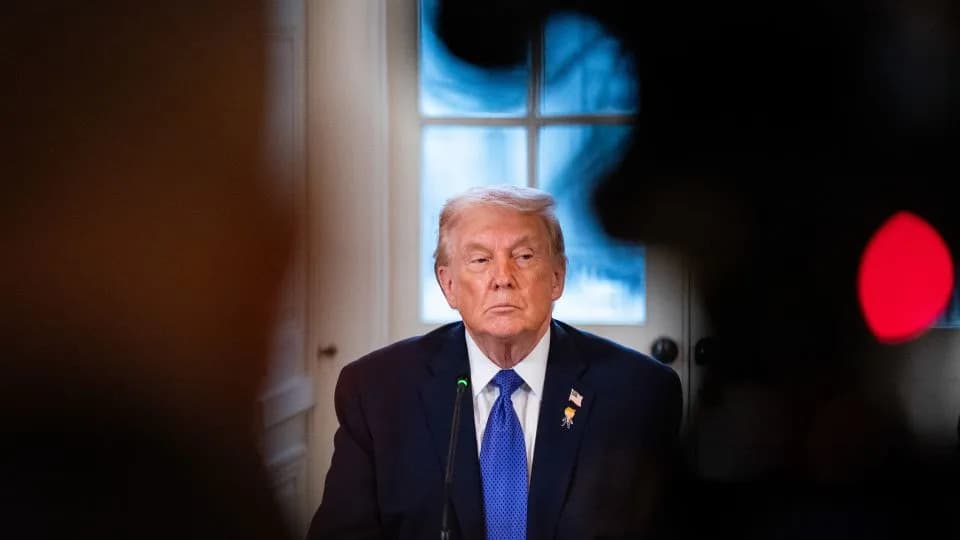
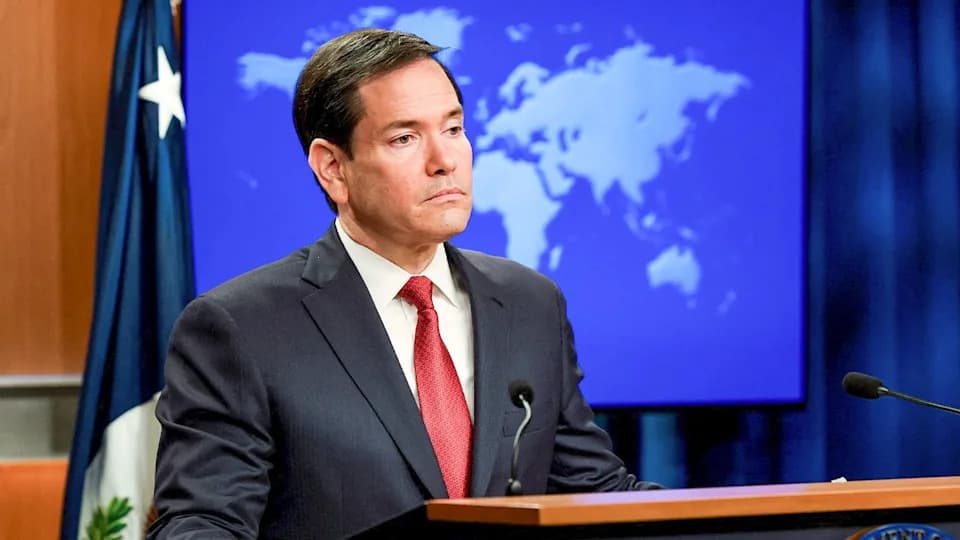
Former US President Donald Trump issued a stark warning to Iran’s leadership, saying, "You better not start shooting because we’ll start shooting too," and suggesting the Iranian leadership was "in big trouble." Senator Marco Rubio posted on X that "The United States supports the brave people of Iran."
Several foreign ministers from Australia, Canada and the European Union issued a joint condemnation of the violence and urged Tehran to "immediately end the use of excessive and lethal force by its security forces." Rights groups, including Amnesty International and Norway-based Iran Human Rights, have also documented civilian casualties and criticized a nationwide internet shutdown.
Street Protests and Security Crackdown
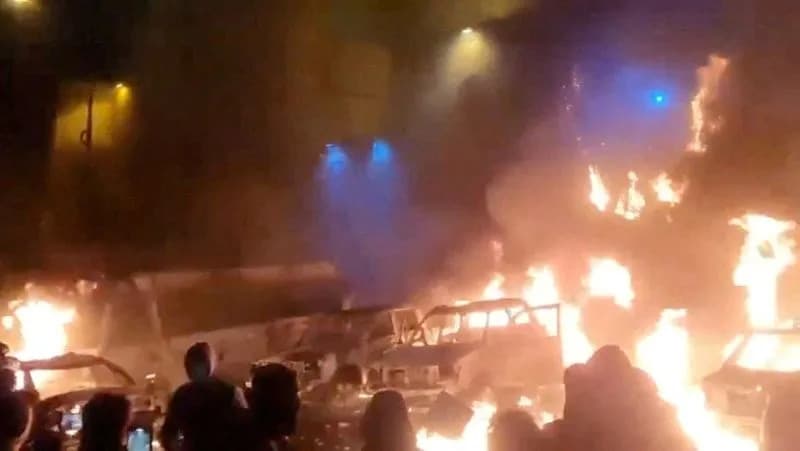
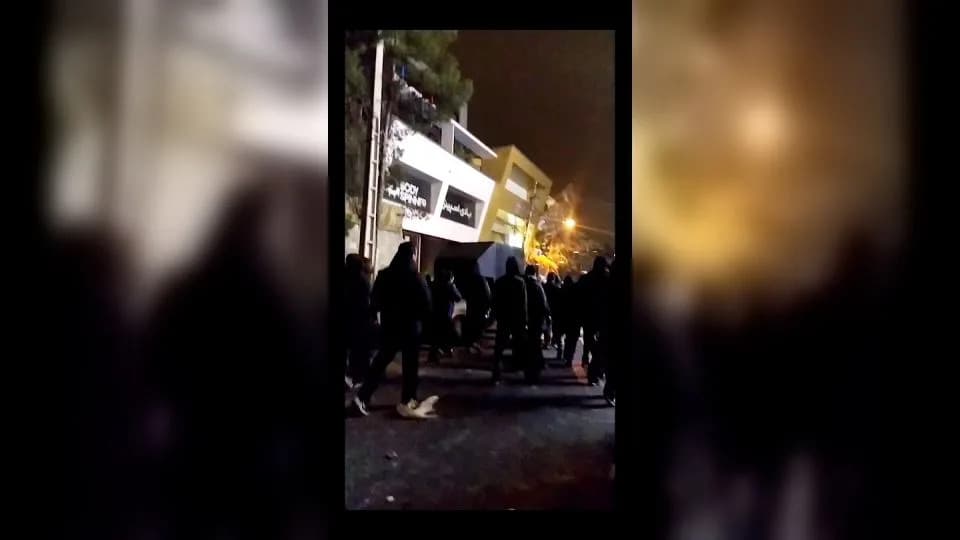
Demonstrations have spread across major cities since January 3, driven by anger over rising living costs and mounting calls to reform or end the clerical system that has governed since the 1979 revolution. State media blamed "rioters" for torching a municipal building in Karaj, and state broadcasters aired funerals for security personnel said to have been killed in clashes.
Videos broadcast by Persian-language channels outside Iran showed large gatherings in cities including Mashhad and Tabriz. Al Jazeera reporting from Tehran described protests that began sporadically but intensified over a few days, including incidents of violence on some streets.
Communications Blackout and Human Rights Concerns
NetBlocks reported a nationwide internet blackout lasting about 36 hours, a measure that Amnesty International called a "blanket internet shutdown" seemingly intended to conceal the scale of rights violations. Norway-based NGO Iran Human Rights updated its toll to at least 51 protesters killed, including nine children, and said hundreds more were injured.
Reza Pahlavi, the US-based son of Iran’s deposed shah, urged targeted protests aimed at seizing and holding city centres and said he was preparing to return to Iran when conditions allowed.
What To Watch
- Whether security forces further escalate operations and whether protests spread to new cities.
- Any extension of the internet blackout or additional restrictions on media and communications.
- International diplomatic responses, including calls for investigations into reported use of lethal force.
Reporting draws on statements from Iranian state and semi-official outlets, international monitoring groups (NetBlocks, Iran Human Rights, Amnesty International), and statements posted on social media by US political figures.
Help us improve.