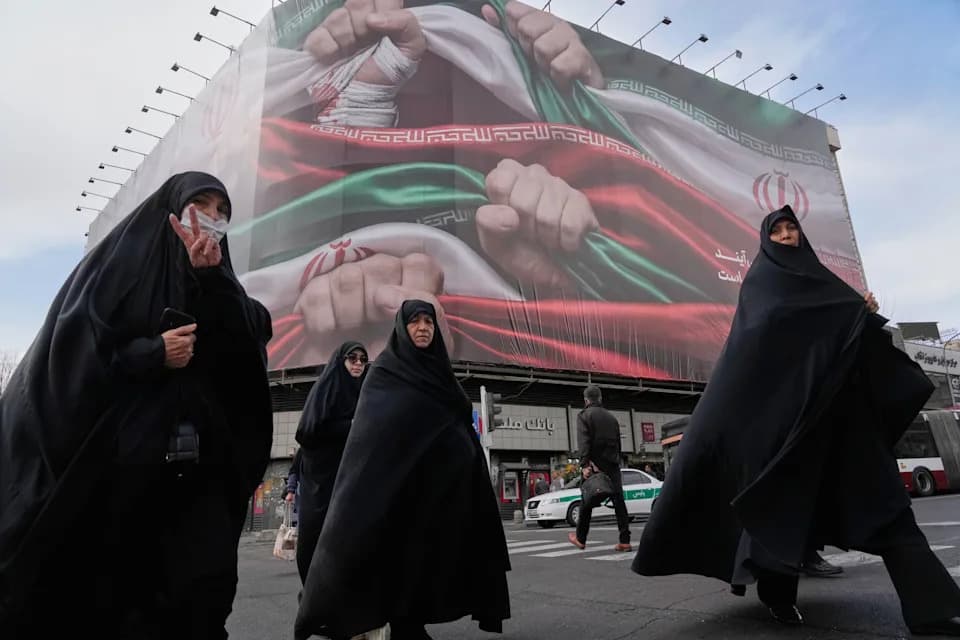
A UN official warned that public threats of military strikes — including comments by President Trump — are increasing volatility in Iran amid some of the largest anti-government protests in the country's history. The demonstrations have been curtailed by repression and a week-long internet blackout. At the UN Security Council, Washington said "all options remain on the table," while Iran accused the US of exploiting protests for geopolitical ends. UN leaders urged restraint to prevent further escalation.
UN: Public Threats Of Military Strikes Raise Volatility Amid Iran Protests
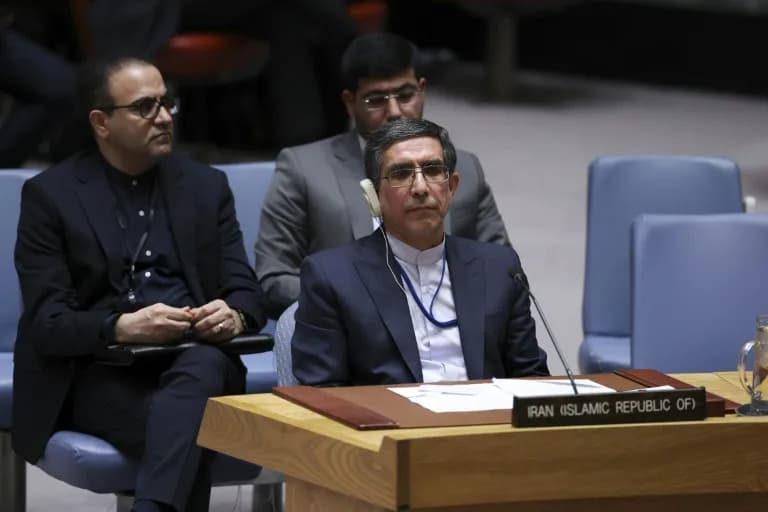
Iran's Ambassador and Deputy Permanent Representative to the UN Gholamhossein Darzi accused the US of fomenting protests for its own geopolitical advantage (ANGELA WEISS)(ANGELA WEISS/AFP/AFP)
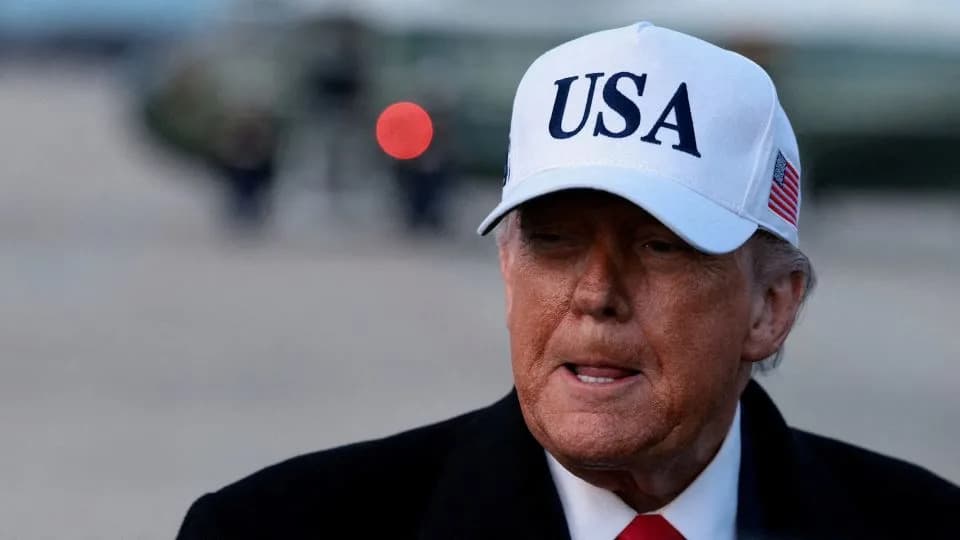
A senior United Nations official warned on Thursday that public threats of military action against Iran — including comments by US President Donald Trump — are adding dangerous volatility to a country already shaken by mass protests.
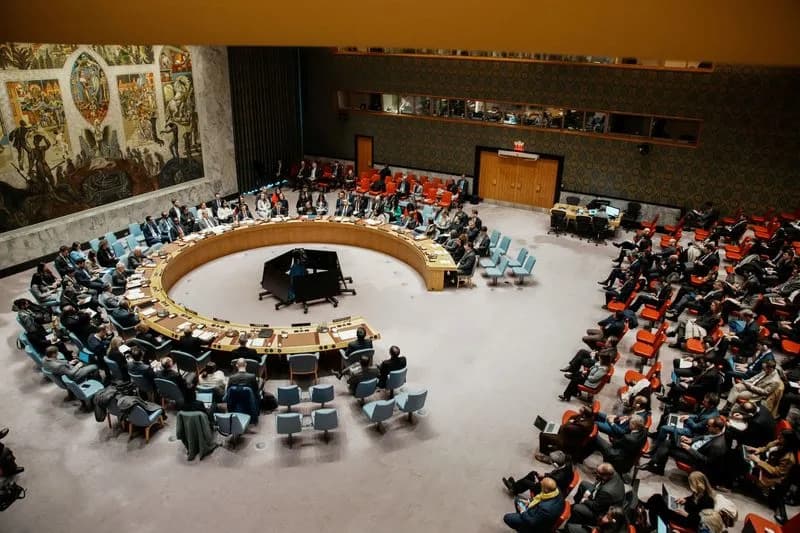
UN Security Council Debate
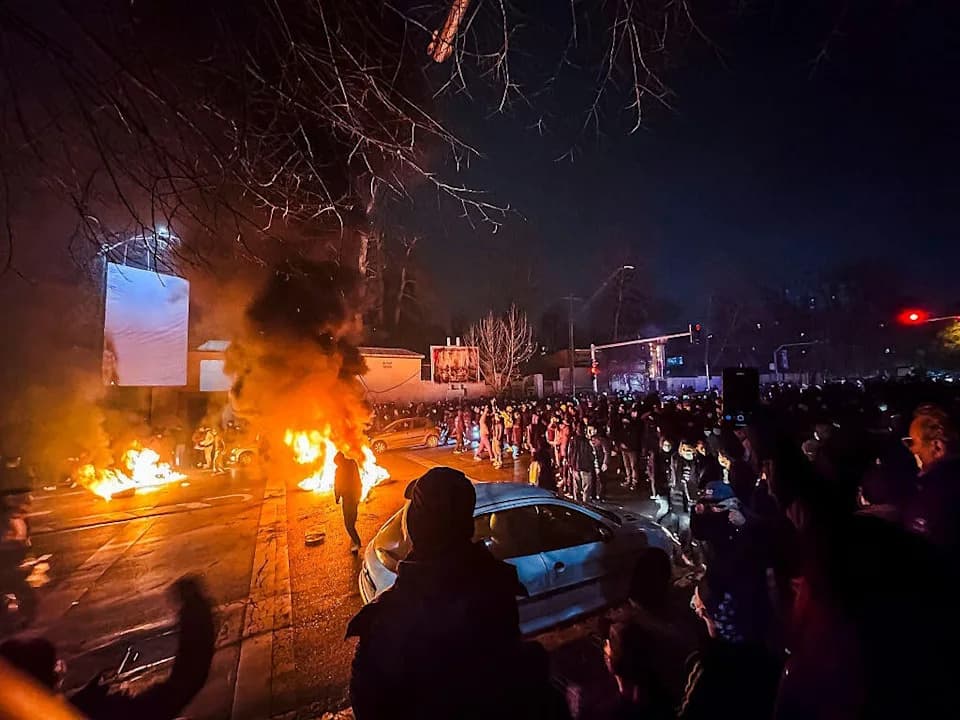
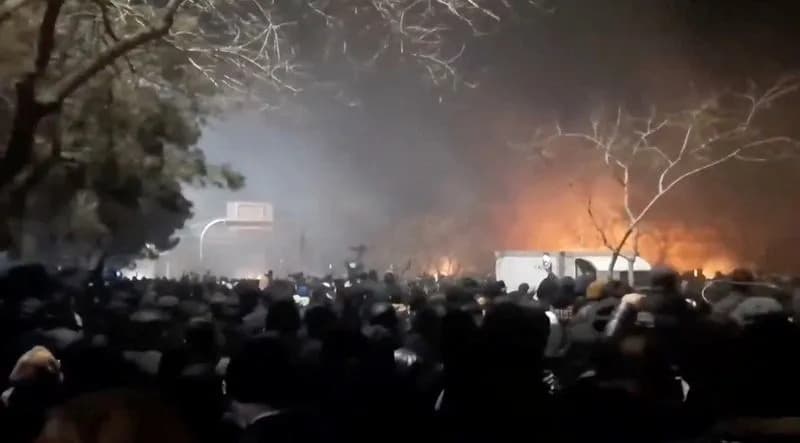
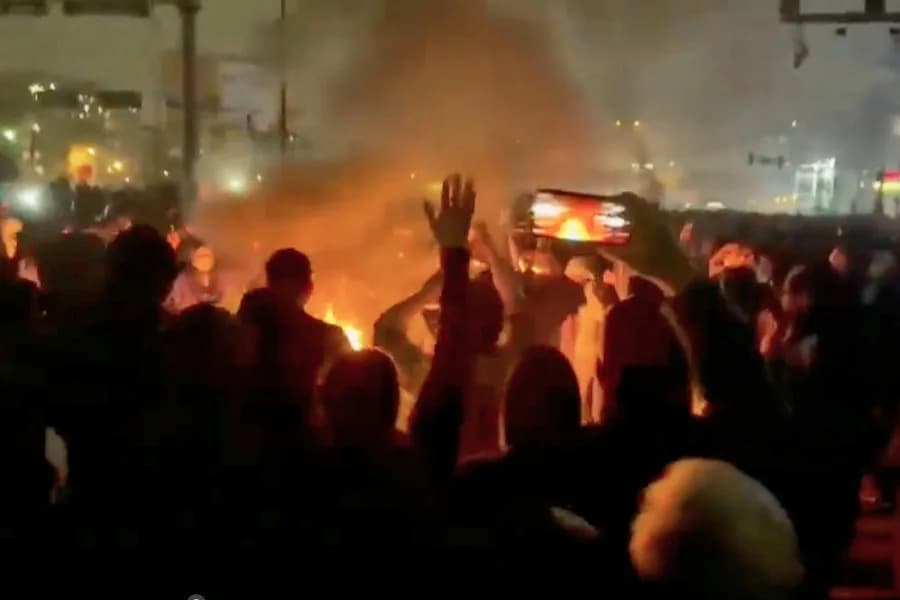
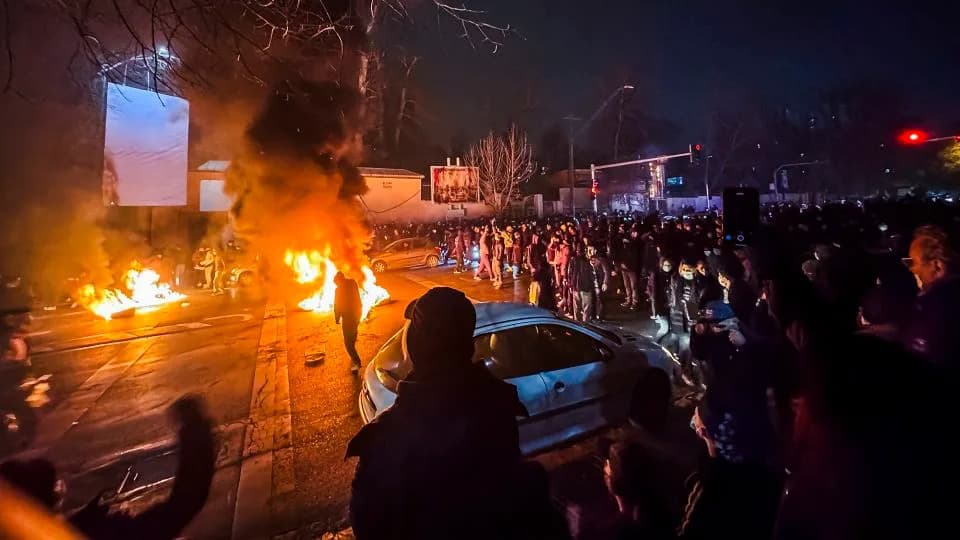
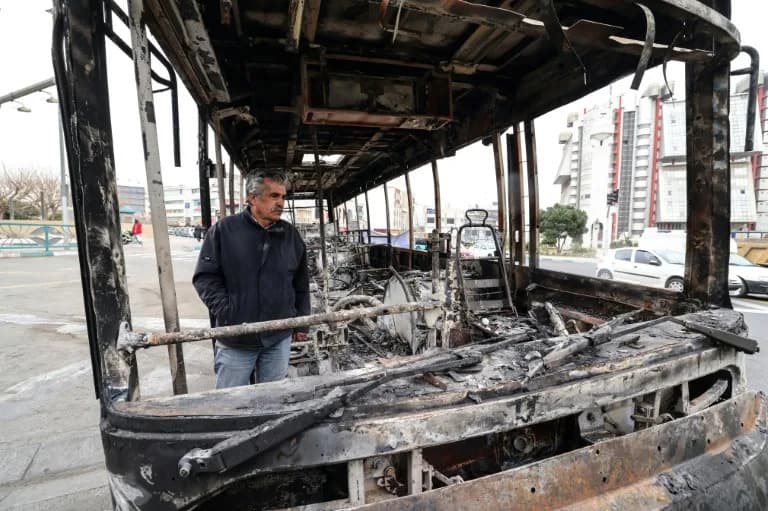
Over the past week Iran experienced some of the largest anti-government demonstrations in the Islamic Republic's history. The unrest has since been blunted by a campaign of repression and a week-long internet blackout that restricted communications and reporting.
"We note with alarm various public statements suggesting possible military strikes on Iran. This external dimension adds volatility to an already combustible situation,"
Pobee urged restraint and called on all parties to take every measure to prevent further deterioration of the situation.
US Position
Until Wednesday, the United States had warned it might consider military measures if Iran carried out death sentences for people detained in the protests. Washington's UN envoy said that "all options remain on the table," a stance that UN officials warned could inflame tensions.
Iranian Response
Iran's representative to the Council, Gholamhossein Darzi, accused Washington of "exploitation of peaceful protests for geopolitical purposes," saying remarks from US leaders were "aimed at reigniting unrest."
Voices From Civil Society
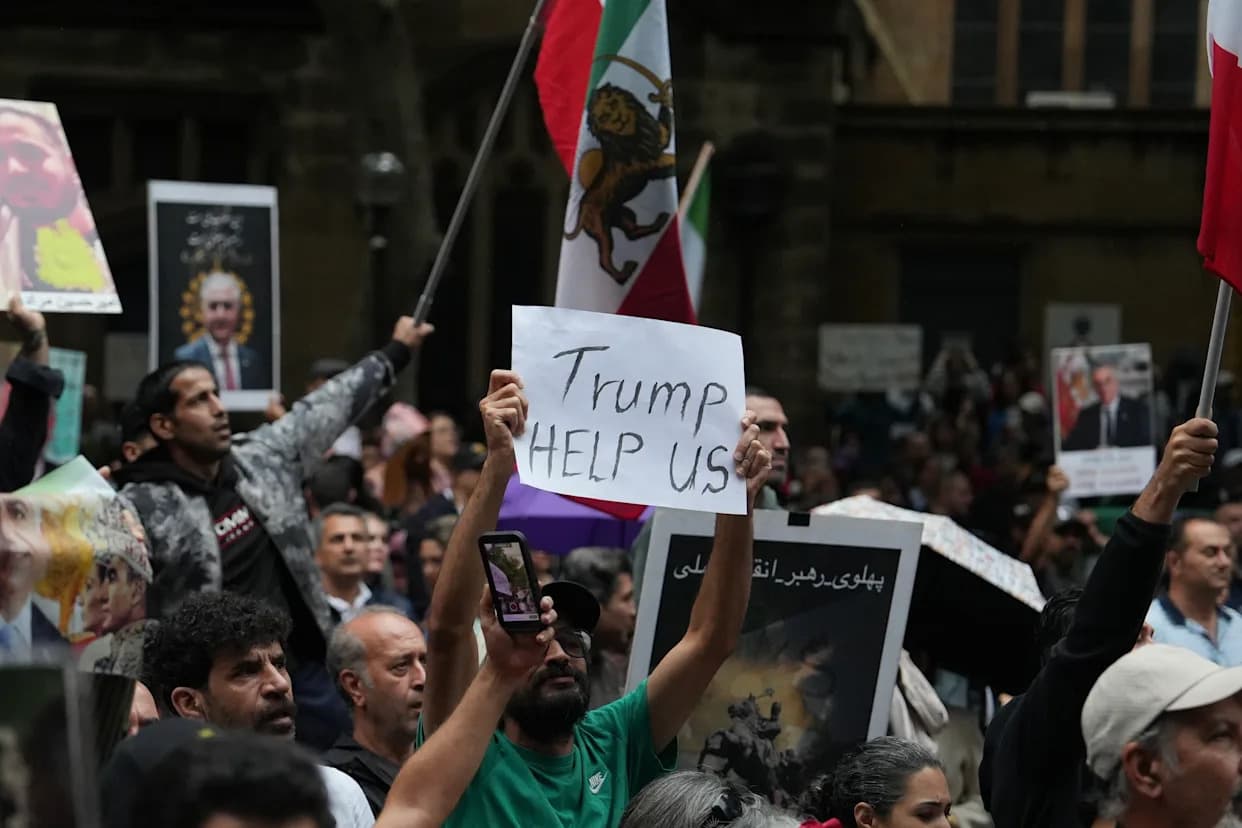
Iranian-American journalist Masih Alinejad, invited by the United States to address the Council, told diplomats that "all Iranians are united" in opposition to the clerical system. She said "millions of Iranians flooded into the streets demanding that their money stop being stolen and sent to Hamas, to Hezbollah, to Houthi fighters," referring to Tehran-backed groups.
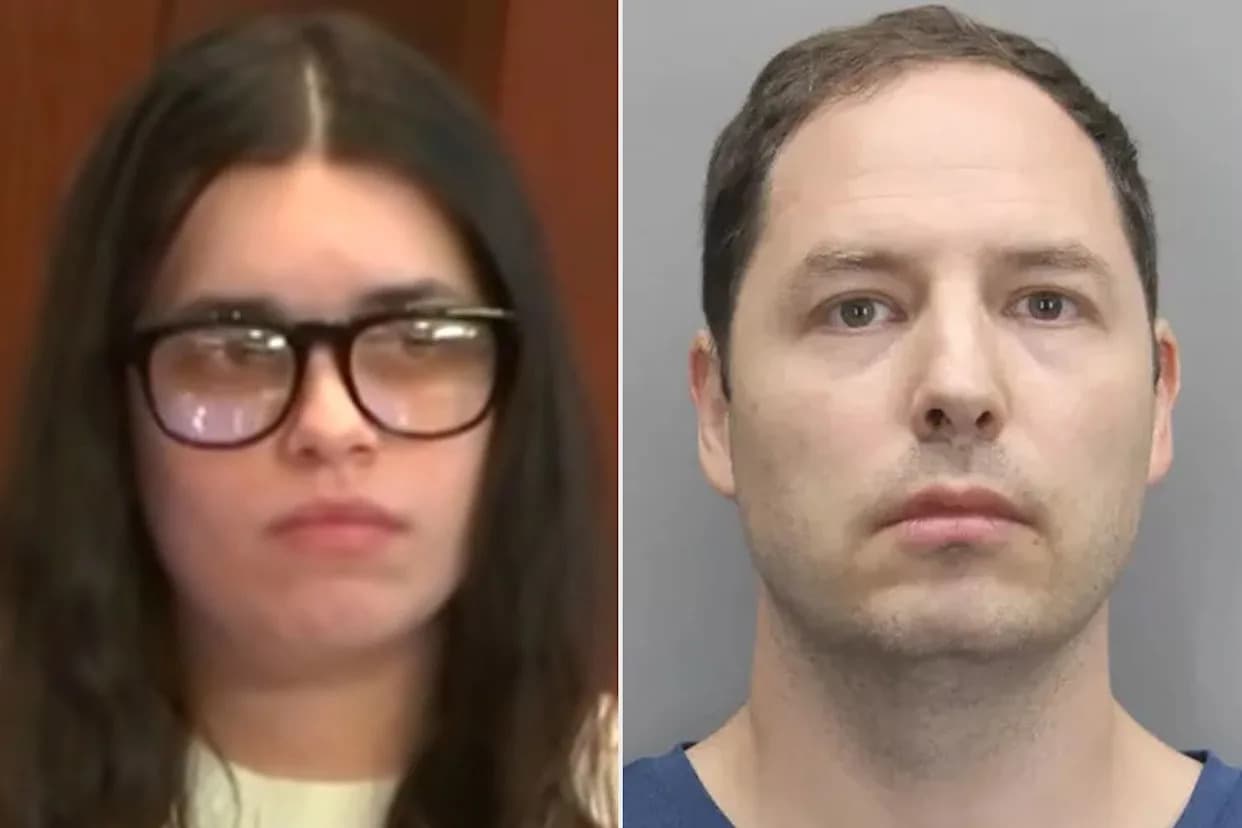
Alinejad also noted that in October a US judge sentenced two men to 25 years each after convicting them in an alleged plot to murder her that prosecutors say was hatched by Tehran. She said Iranians welcomed when President Trump "offered to rescue unarmed people being shot in their heart, in their chest by the security forces inside Iran."
US Ambassador's Remarks
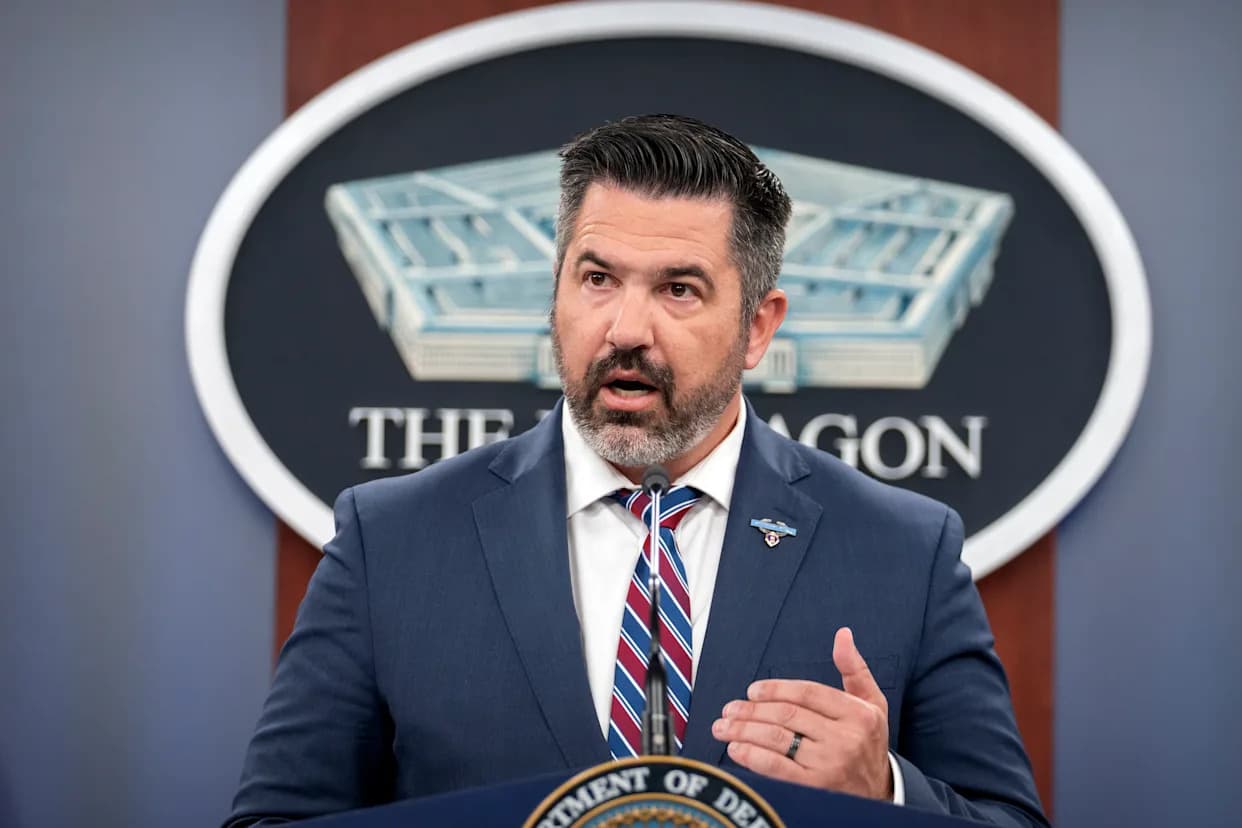
U.S. Ambassador to the UN Mike Waltz expressed support for protesters, saying, "The United States stands by the brave people of Iran. Period." He added that the scale of repression inside Iran has repercussions for international peace and security.
The Security Council debate highlighted a sharp split between Tehran and Washington, with UN officials warning that public threats of intervention risk escalating an already volatile domestic crisis. International actors and diplomats called for restraint and for measures that reduce, rather than intensify, the risk of further violence.
Help us improve.