A recent House subcommittee hearing underscored bipartisan agreement that the U.S. child care system is essential but failing families, employers and educators. The Trump administration froze federal child care funds to Minnesota and paused payments to California, New York, Illinois and Colorado after allegations from a right‑wing influencer; a federal court has temporarily blocked those freezes. Additional documentation mandates, proposed regulatory rollbacks, and ICE deployments have fueled fear, threatened about 300,000 children, and contributed to violent intimidation of providers. The author argues these actions appear politically motivated rather than aimed at strengthening child care.
Trump Administration’s Freeze On Child Care Funds Threatens Thousands — And Appears Politically Driven
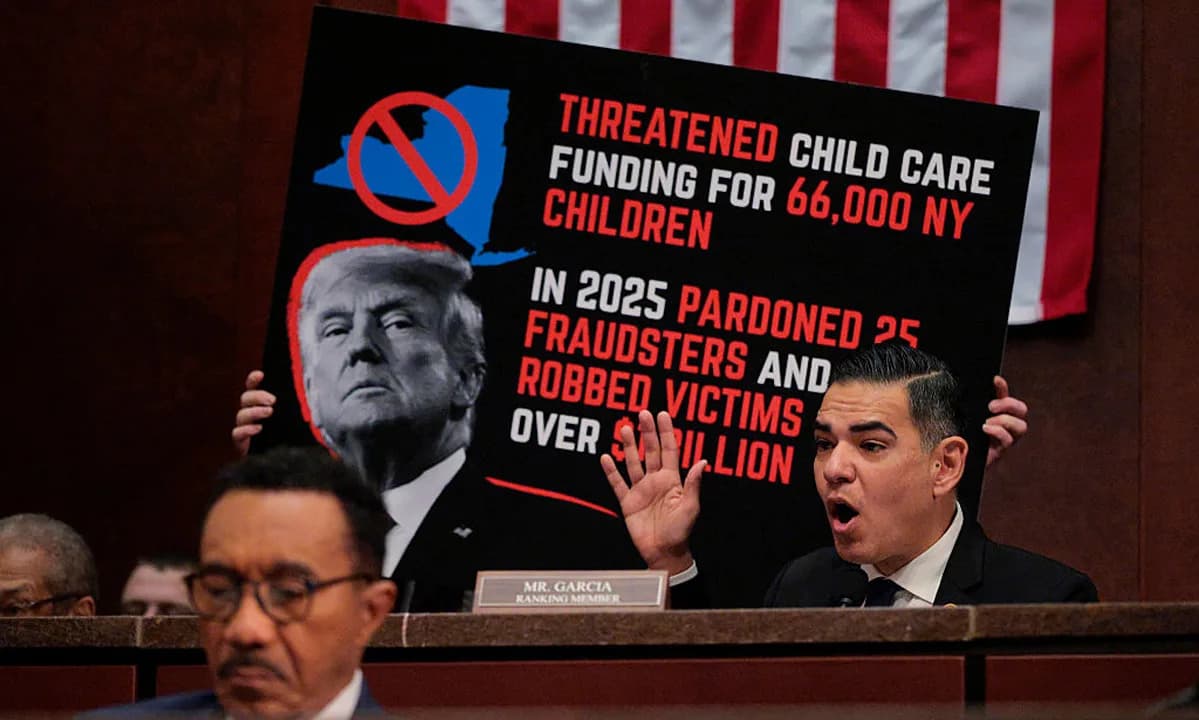
Earlier this month a rare bipartisan consensus emerged at a House subcommittee hearing: child care is essential to children, families, employers and the broader economy, yet the current system falls far short of meeting those needs.
I testified at that hearing that we cannot build an affordable, reliable child care system that fairly compensates early educators without substantial public investment. Recent actions by the administration, however, risk destabilizing an already fragile, underfunded system.
What Happened
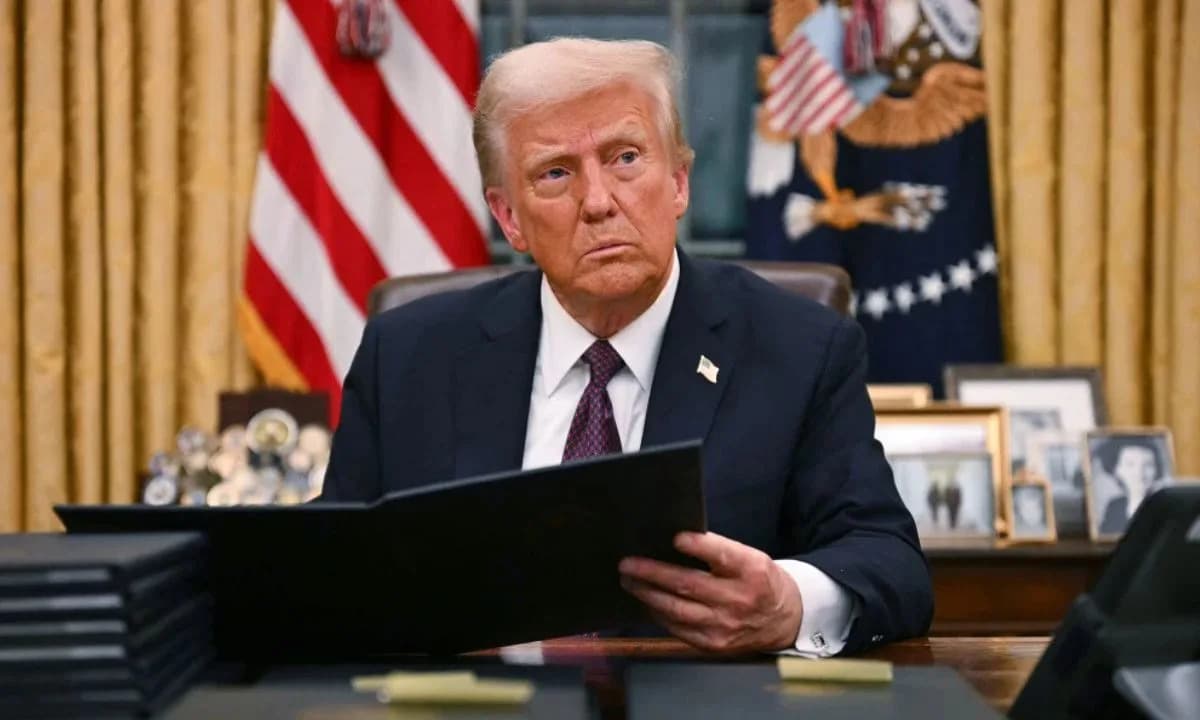
The administration began withholding federal child care funds to Minnesota after allegations surfaced from a right-wing influencer who visited local providers demanding to know “where is the money going.” Funding to California, New York, Illinois and Colorado was also paused. A federal court has since temporarily enjoined the administration from withholding funds in all five states.
But the administration did not stop there. It announced new national documentation requirements for states to receive child care dollars — a policy it labeled “defend the spend.” It also proposed rolling back parts of a regulation that capped family payments and helped make provider payments predictable and stable.
Wider Consequences
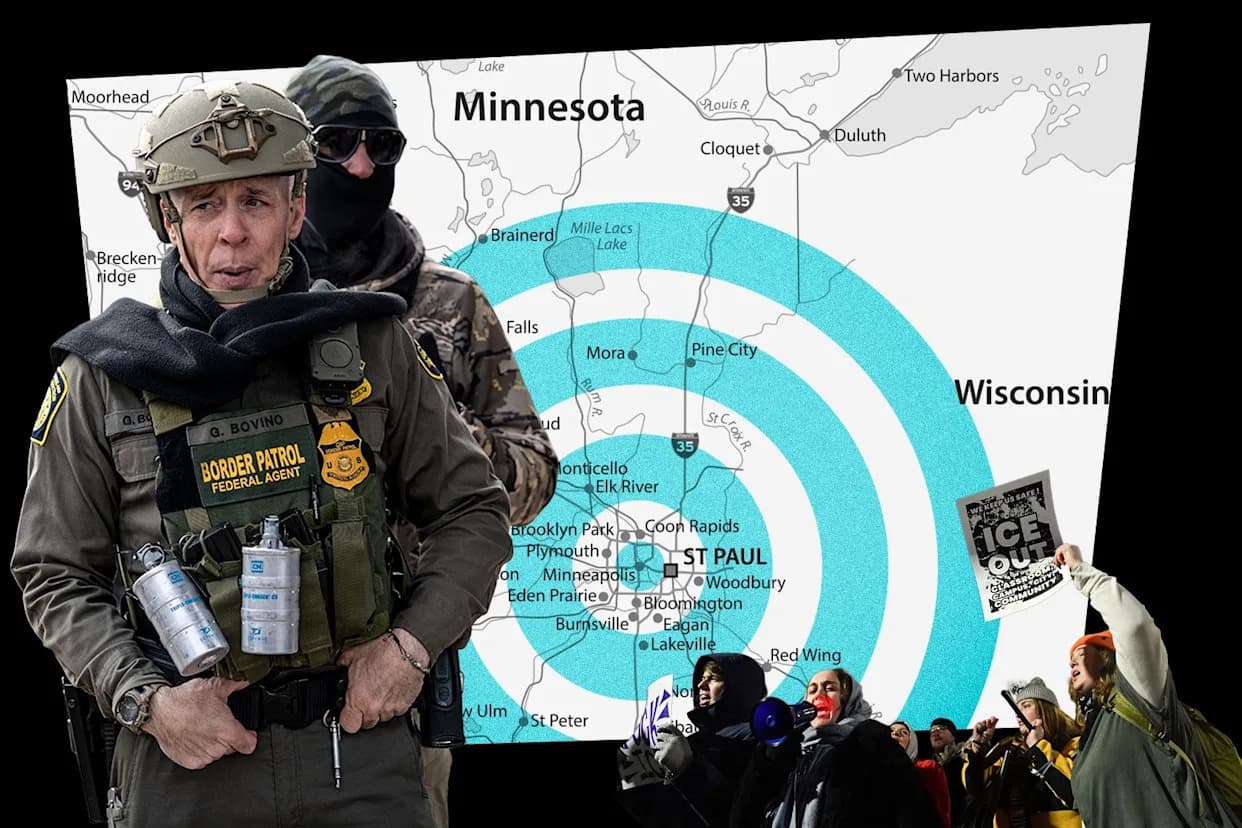
Federal immigration enforcement entered the picture as well: the administration deployed ICE agents to Minnesota and other states, actions that coincided in some cases with violent confrontations and a tragic loss of life. The Department of Justice has said it will create a new position focused on investigating fraud.
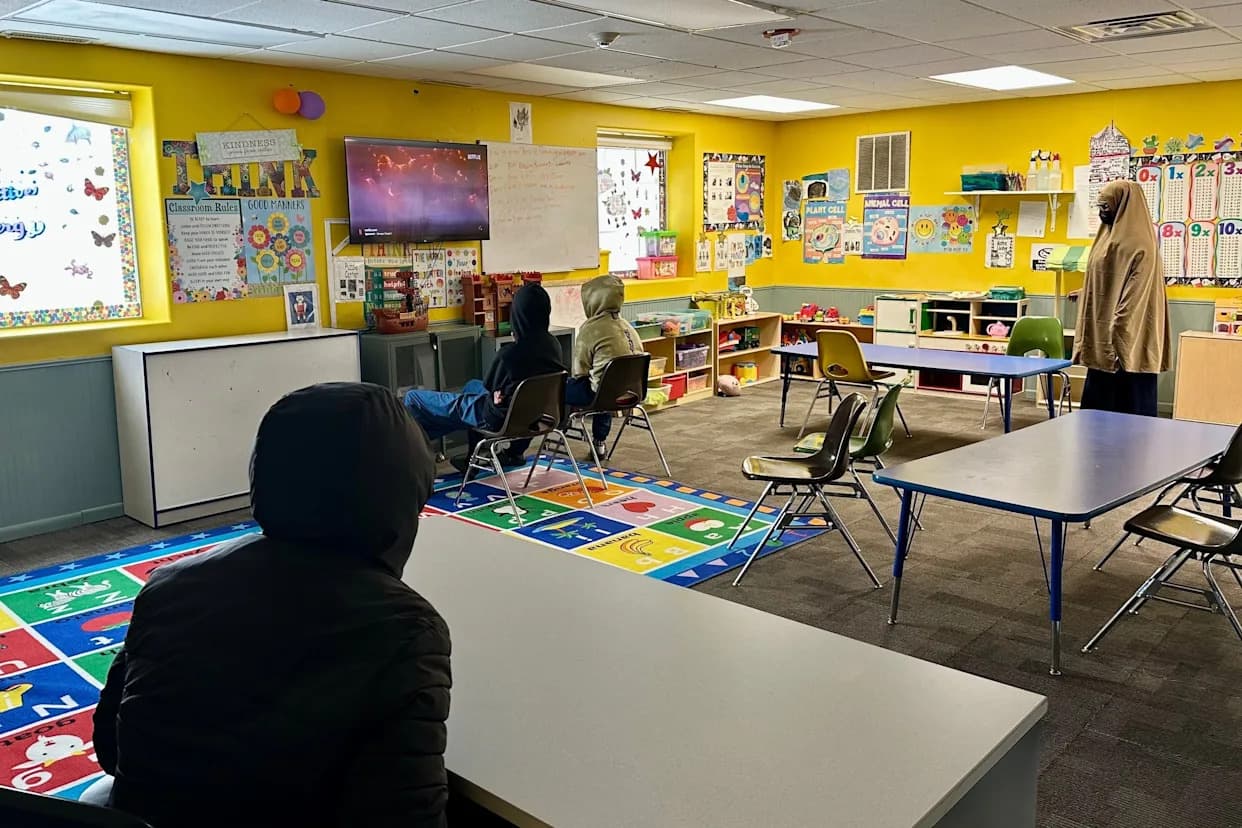
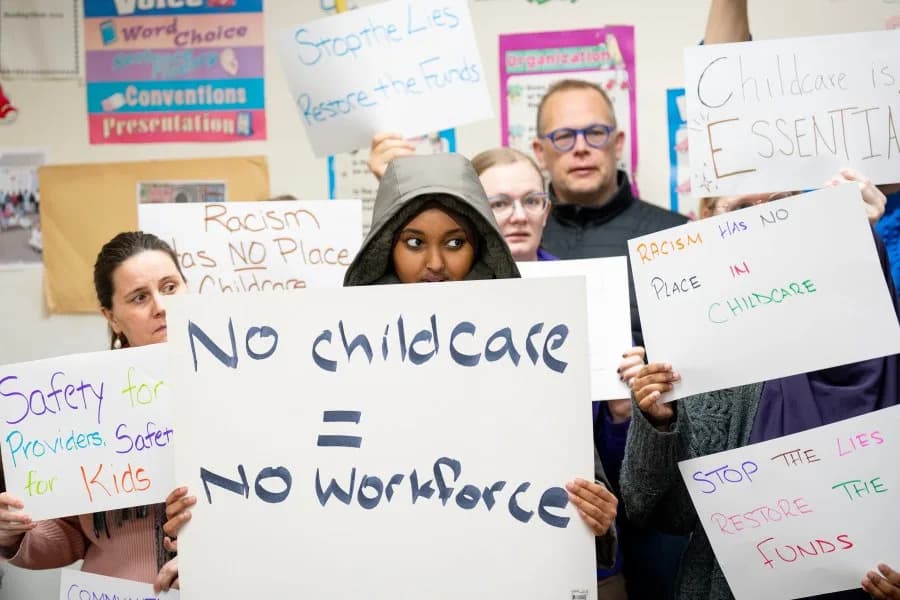
These measures have real human consequences. If funding to California, Colorado, Illinois, Minnesota and New York were cut, roughly 300,000 children could be directly affected. Thousands of parents could lose the child care they need to work or look for work; employers would lose productivity and revenue; and child care providers could be forced to close their doors.
Even though courts have temporarily blocked the funding freezes, fear and uncertainty have already spread. Parents worry whether they can rely on care. Providers worry about paying rent and payroll. And, disturbingly, reports have surfaced of people — self-styled concerned citizens — pounding on child care doors in Minnesota and in other states including Ohio, Washington State and Maine.
Why This Matters
The administration’s rapid, sweeping response to unverified allegations stands in stark contrast to its lack of constructive action over the past year to address long-standing weaknesses in the child care system. Rather than investing in solutions that would make care more accessible and better paid, many recent moves look designed to punish political opponents, vilify immigrant communities and cut supports families rely on.
Bottom line: We should be strengthening and expanding the child care system families deserve — not threatening thousands of children, parents and providers by withholding funding and enabling intimidation.
Amy K. Matsui, JD, is Vice President for Child Care and Income Security at the National Women’s Law Center and a Public Voices Fellow of the OpEd Project in partnership with the National Black Child Development Institute.
Help us improve.