Researchers at Harvard and the Stevens Institute of Technology created an AI model to predict toxicity among byproducts formed when disinfectants like chlorine and chloramine react with organic matter in drinking water. Trained on toxicity data for more than 200 chemicals, the model assessed over 1,100 additional byproducts and flagged some with higher predicted toxicity than certain EPA-regulated compounds. The authors stress this does not mean tap water is unsafe; rather, the tool can help prioritize laboratory testing and guide regulatory review.
New AI Model Flags Potentially Toxic Byproducts From Drinking Water Disinfection
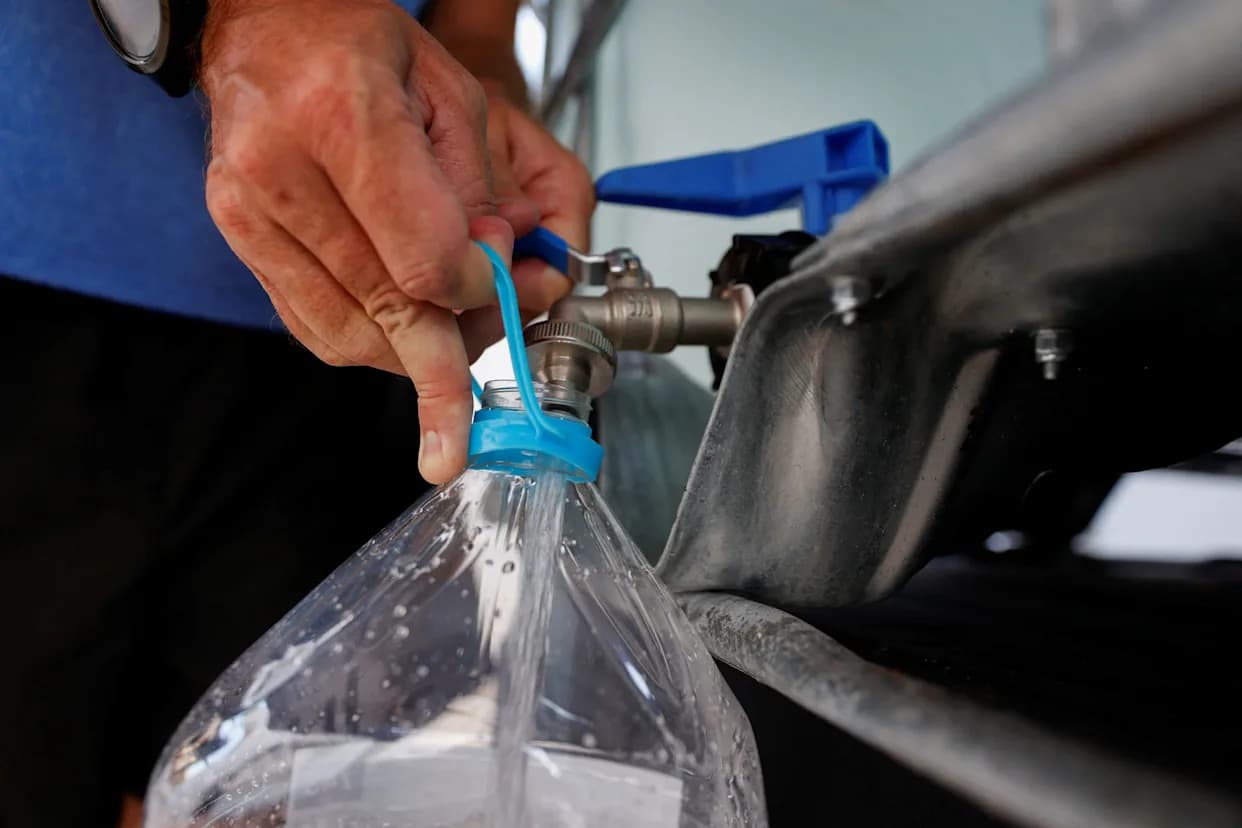
Researchers at Harvard University and the Stevens Institute of Technology have developed an artificial intelligence model designed to predict the toxicity of byproducts produced during the disinfection of drinking water.
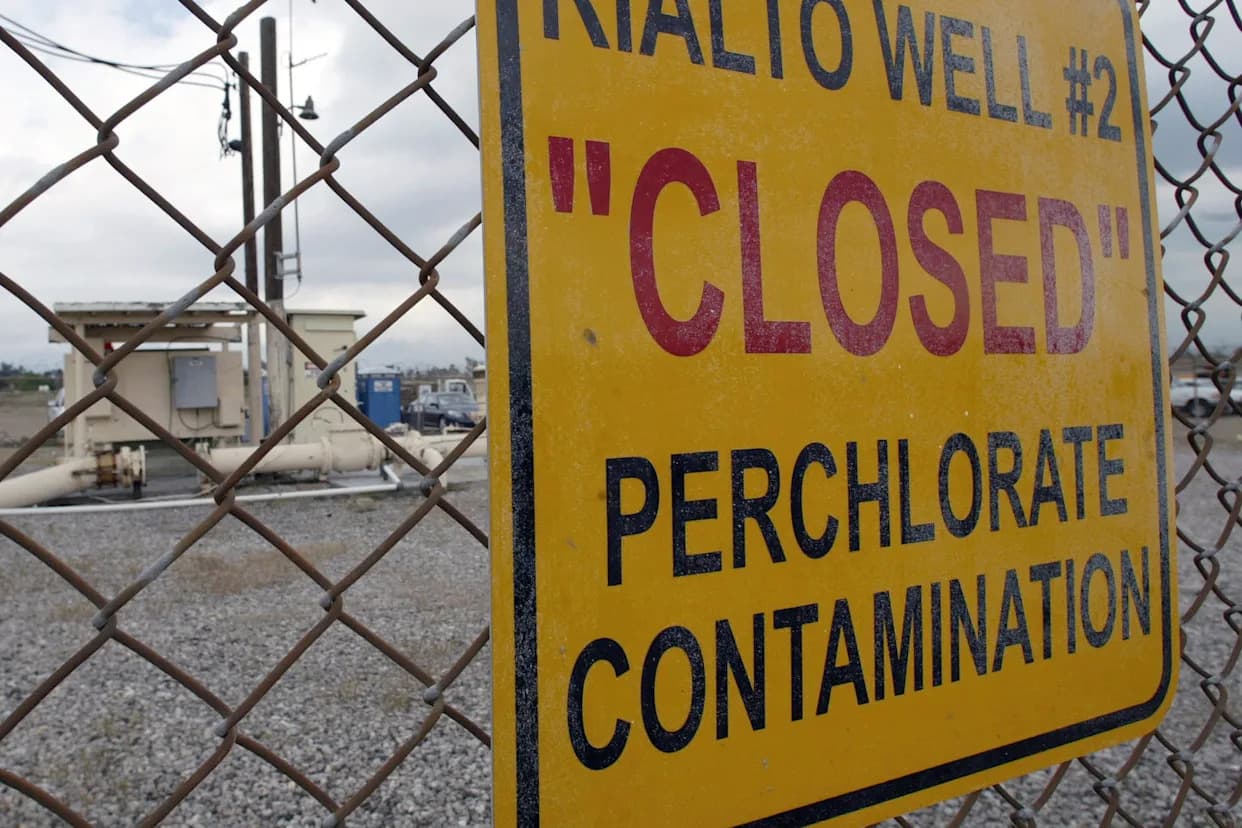
Why this matters: Common disinfectants such as chlorine and chloramine react with organic matter naturally present in water to form disinfection byproducts (DBPs). Some DBPs have been linked to cancer and adverse fetal development outcomes. While the US Environmental Protection Agency (EPA) regulates many DBPs, not all are covered.
What the AI does
The team trained a predictive machine-learning model using toxicity data from more than 200 chemicals with known profiles. Using that training set, the model estimated toxicity for more than 1,100 additional disinfection byproducts. The AI identified a subset of those byproducts as having predicted toxicity levels higher than some chemicals currently regulated by the EPA.
Researchers’ caution: These results do not mean that a typical glass of tap water is unsafe. Instead, the model is intended to help prioritize which compounds should receive further laboratory testing and regulatory review.
Implications and next steps
The AI-driven approach can help researchers and regulators focus resources on the most suspicious compounds, accelerating lab work to confirm toxicity and informing potential updates to safety standards. Future work will need wet-lab validation, broader chemical coverage, and collaboration with public-health agencies to translate predictions into policy.
Bottom line: The model is a tool to guide further investigation—not a definitive judgment on drinking water safety. It highlights potential gaps in current regulation and offers a scalable way to screen many more chemicals than traditional testing alone.
Help us improve.
![Evaluating AI Safety: How Top Models Score on Risk, Harms and Governance [Infographic]](/_next/image?url=https%3A%2F%2Fsvetvesti-prod.s3.eu-west-1.amazonaws.com%2Farticle-images-prod%2F696059d4e289e484f85b9491.jpg&w=3840&q=75)