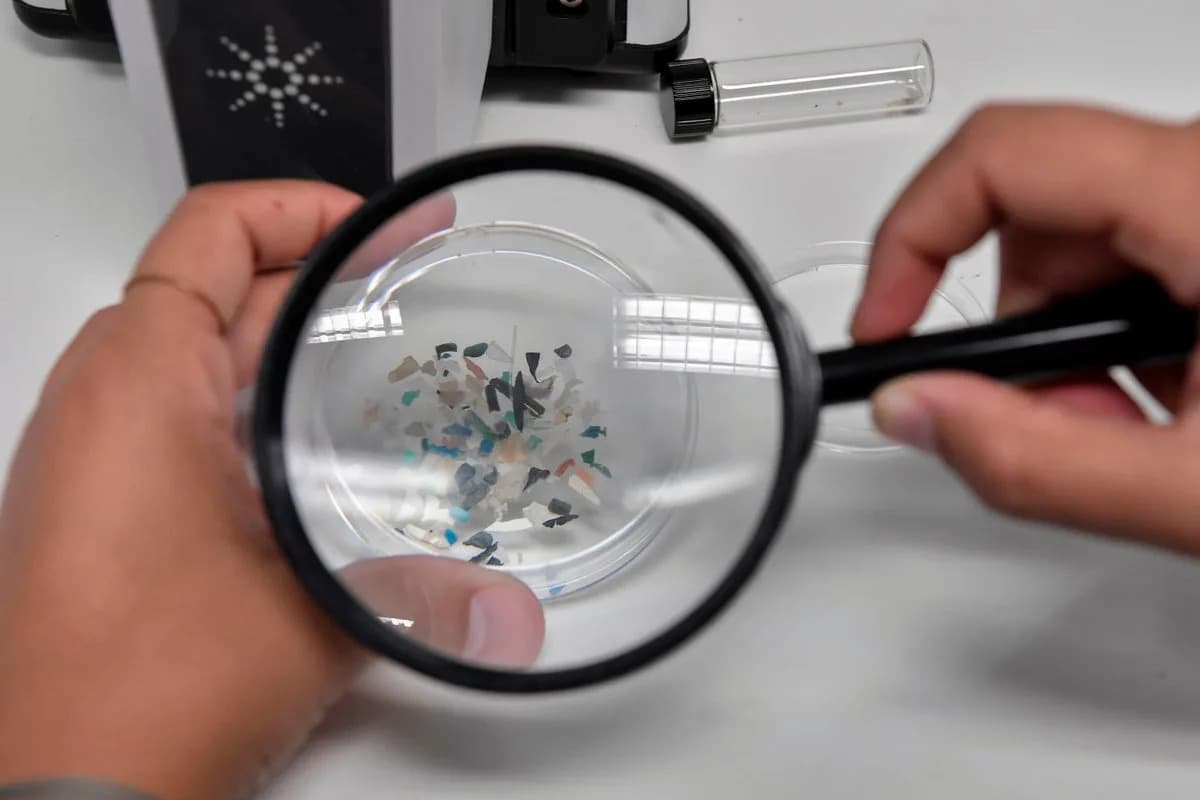
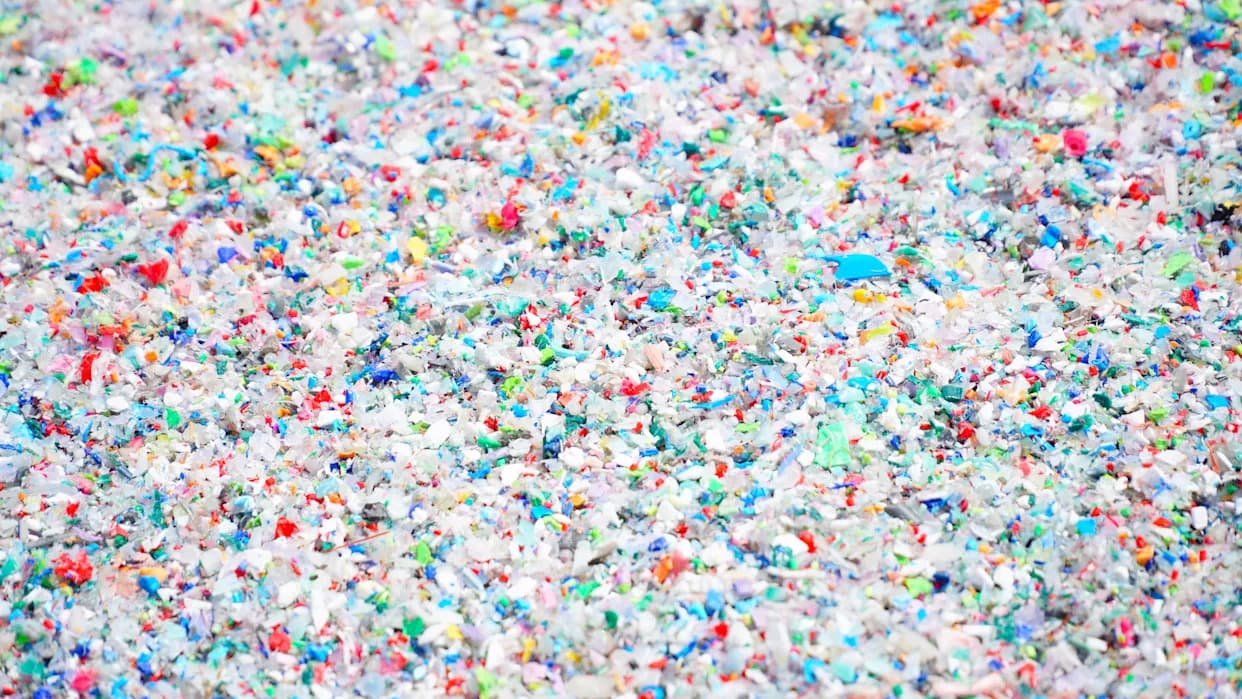
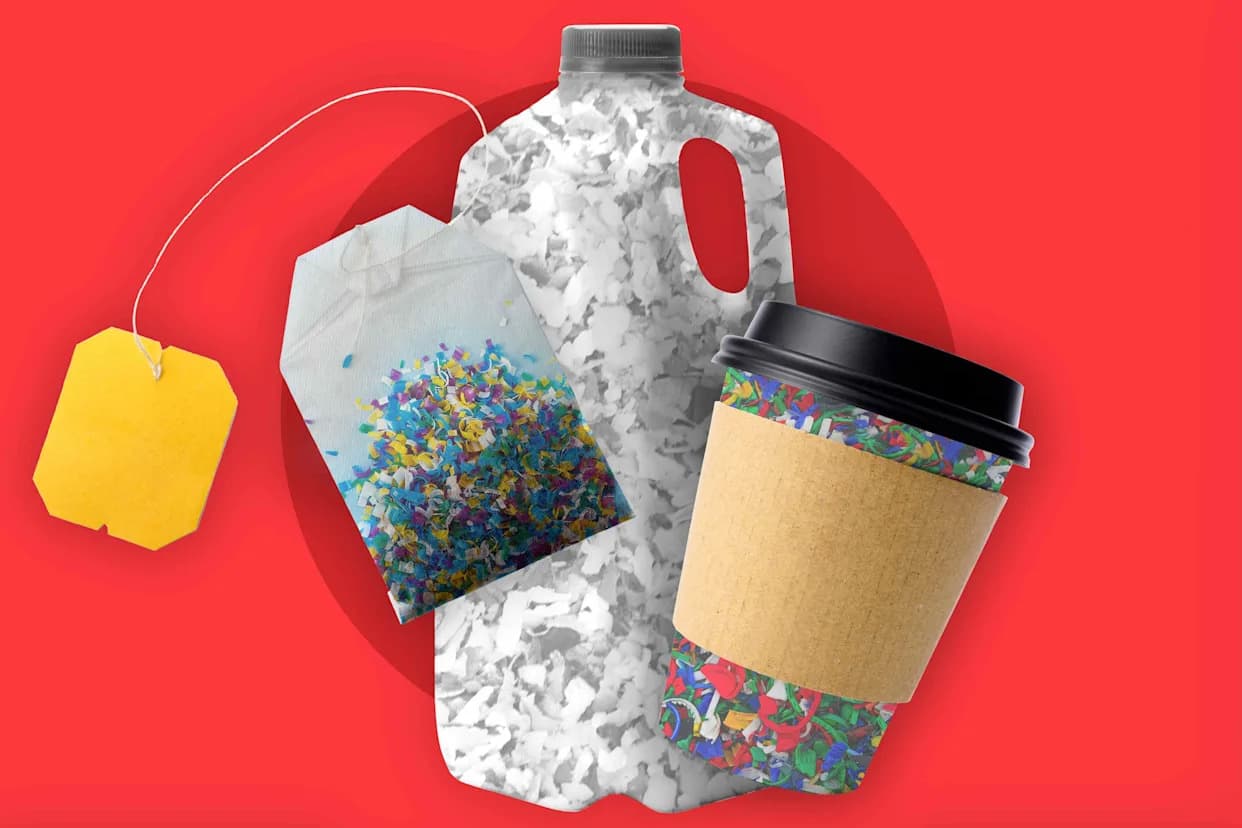
Mouse experiments at UC Riverside show paternal exposure to microplastics can alter sperm content and lead to metabolic problems in offspring, with female mice more likely to develop diet-induced obesity and insulin resistance. The findings were published in the Journal of the Endocrine Society in late December and are described as having potential "implications for humans," though they remain preliminary. Researchers advise would-be fathers to consider steps to reduce microplastic exposure while further human-focused research is pursued.
Father's Microplastic Exposure Tied to Higher Diabetes Risk in Female Mouse Offspring — Human Implications Remain Preliminary
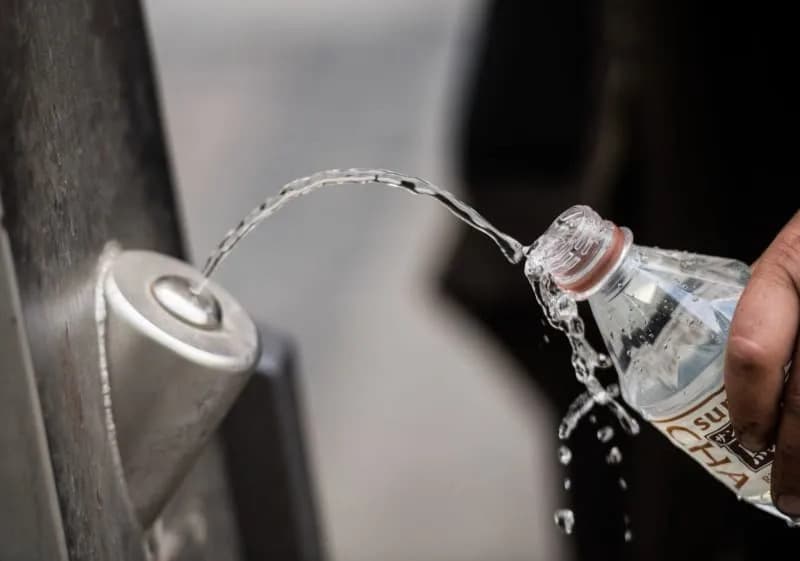
It's not only water you're drinking, but also the plastic: Research shows that plastic water bottles contain hundreds of thousands of tiny bits of plastic. Andreas Arnold/dpa
Laboratory experiments at the University of California, Riverside, suggest that when male mice are exposed to microplastics, their offspring — particularly females — may face greater risk of metabolic problems later in life. The study, published in the Journal of the Endocrine Society in late December, found changes to sperm that appear to contribute to diet-induced obesity and insulin resistance in female pups.
Study Findings
Researchers reported that paternal microplastic exposure altered the molecular "cargo" carried by sperm. Those changes were associated with sex-specific metabolic effects: female descendants of exposed males displayed altered body composition and "exacerbated insulin resistance," while impacts on male offspring were less pronounced. The team emphasized that these results were observed in mice and described them as having "implications for humans."
Why This Matters
Microplastics — tiny particles shed from larger plastic items — have already been detected in human tissues and even in unborn children in prior studies. A separate clinical report last year found microplastics more often in the placentae of premature babies than in those born full-term. Together, these findings add to growing concerns about the potential health effects of widespread microplastic exposure.
"Men planning to have children should consider reducing their exposure to harmful substances like microplastics to protect both their health and that of their future children," the researchers advised.
Limitations and Context
It is important to stress that this was an animal study. While the results raise plausible biological mechanisms and justify further research, they do not prove that the same effects occur in humans. More studies — including epidemiological work and mechanistic research in people — are needed to determine the relevance and magnitude of any risk.
Practical Steps to Reduce Microplastic Exposure
Although definitive human effects are not established, people who want to minimize potential risks can consider simple measures: reduce use of single-use plastics, avoid heating food in plastic containers, prefer glass or stainless-steel for food and drink storage, and choose fresh or minimally packaged foods when possible.
Source: University of California, Riverside; Journal of the Endocrine Society (published late December). Prior clinical observations have reported microplastics in human organs and in some placentae, particularly among premature births.
Help us improve.