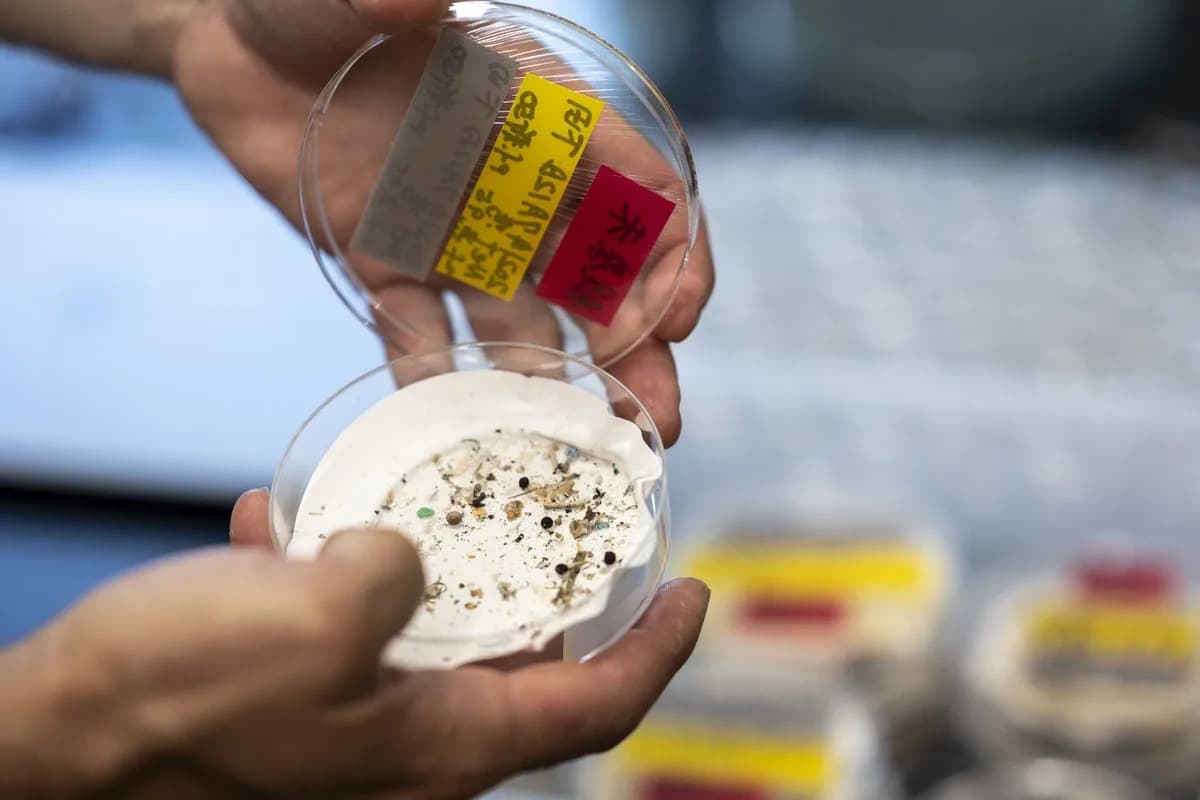
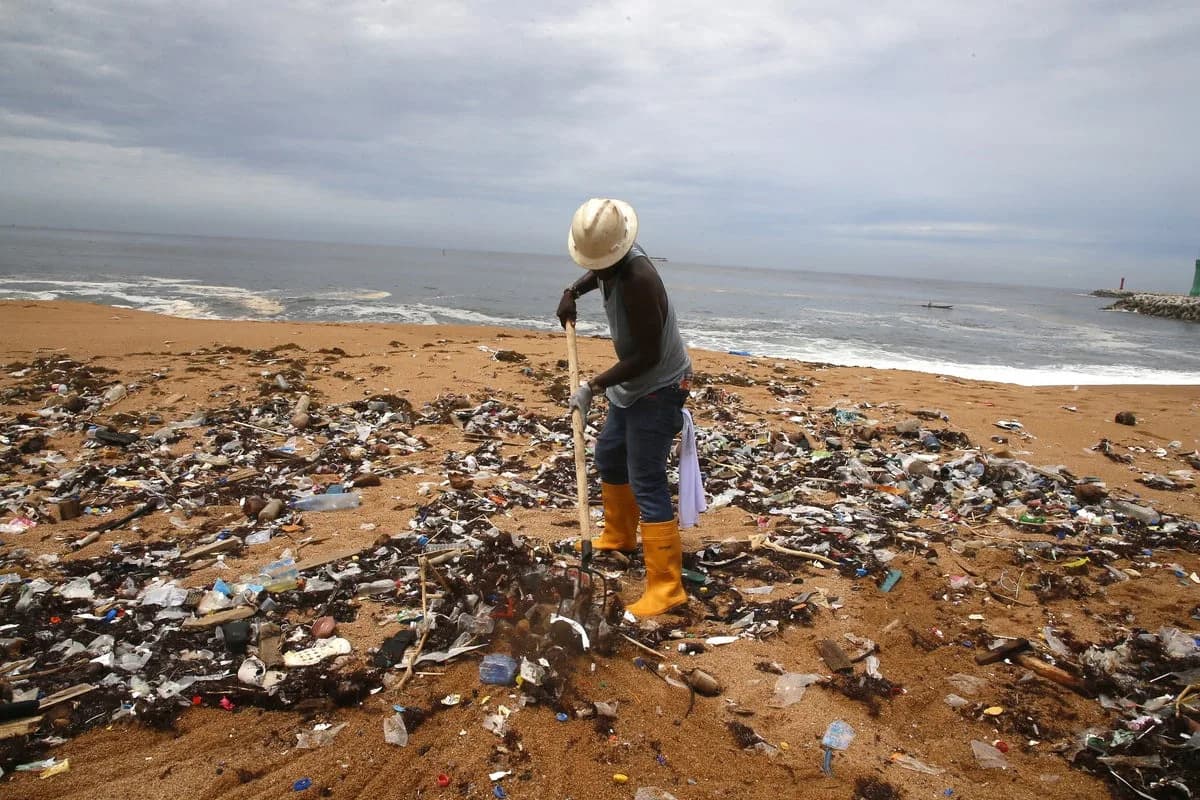
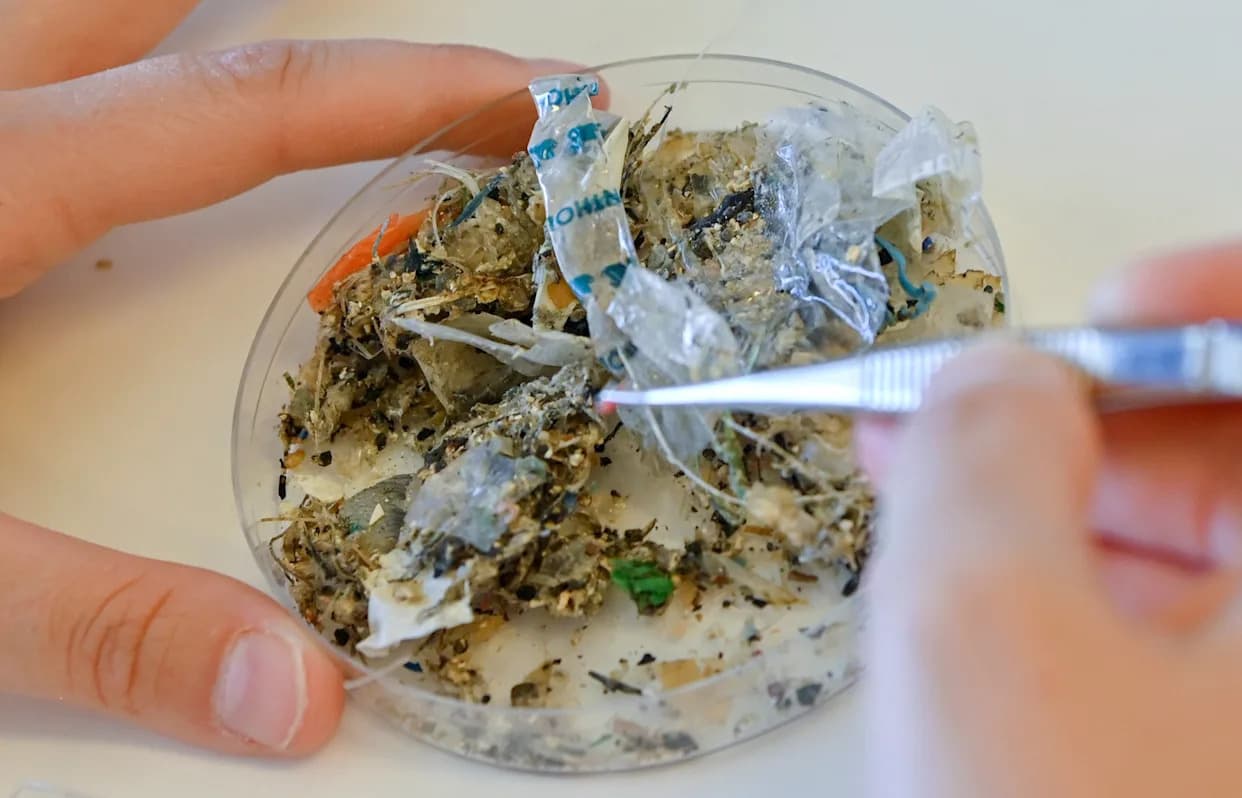
Indian researchers detected tiny inhalable microplastics in air samples from markets in four major cities, estimating they may constitute up to 5% of particulate pollution. The particles often carried diverse microbial communities, including newly observed antibiotic‑resistant bacteria and fungi, and can persist for decades. Studies also report widespread microplastics in food and blood; scientists are testing removal methods (e.g., boiling, filtration) and probiotic approaches. Experts advise cutting single‑use plastics and avoiding bottled water to reduce exposure.
Invisible, Inhalable Microplastics Found in India's Cities Could Carry Antibiotic‑Resistant Microbes
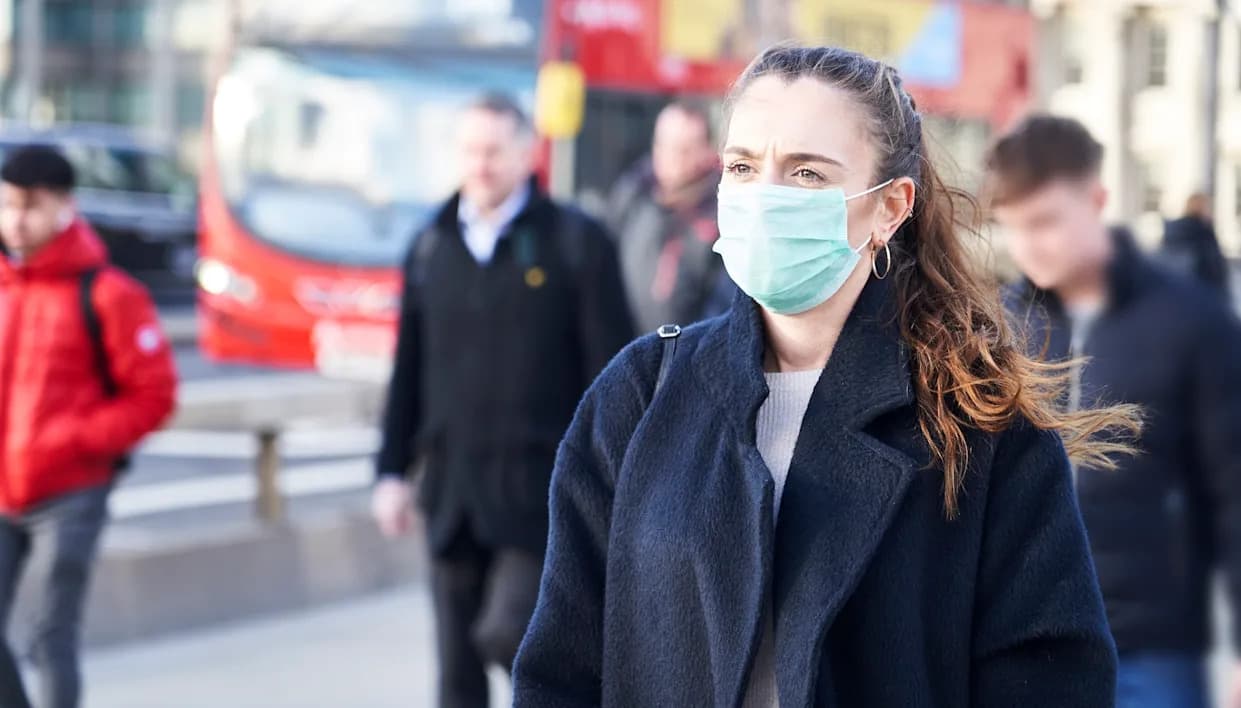
Photo Credit: iStock
Scientists in India have identified a previously unrecognised form of air pollution with potentially serious health implications: inhalable microplastics. New tests of air in markets across four major metropolitan areas show tiny plastic particles that can remain airborne, travel long distances and enter the lungs through the nose.
What Researchers Found
The team estimated that these inhalable microplastics could make up as much as 5% of particulate pollution in sampled urban air. During peak pollution periods, many particles carried diverse microbial communities, including newly observed strains of bacteria and fungi showing antibiotic resistance.
"So imagine a COVID-like situation where viruses sitting on these plastics spread through the air," lead researcher Gopala Krishna Darbha told Down To Earth. "Some of these particles have a lifespan of more than 100 years. So we are not just talking about plastic toxicity here, but also heavy metals and disease-causing microbes that they carry."
How Widespread Are Microplastics?
These findings add to growing evidence that microplastics are ubiquitous. One study cited by researchers found microplastics in more than 90% of certain protein sources (for example, tofu and chicken). Microplastics have also been detected in water, soil and ambient air, and one study reported microplastics in the blood of about 77% of participants.
Health Risks and Uncertainties
Scientists are still investigating the full health effects of microplastic exposure. Some research has associated microplastics with conditions such as cancer, cognitive decline and impaired cerebral blood flow, but many questions remain about causation, exposure levels and long-term risk.
Mitigation Strategies Under Study
Researchers are exploring a range of interventions. Laboratory and pilot studies include new filtration and removal techniques for water (one experimental method that involved boiling reportedly removed nearly 90% of microplastic particles in tests) and early evidence that certain probiotic treatments may reduce gastrointestinal inflammation and toxicity caused by microplastics.
Practical Steps To Reduce Exposure
Public-health experts recommend source reduction and personal precautions to limit exposure: cut down on single-use plastics, avoid bottled water when possible, and use non-plastic containers for food and drinks. Reducing plastic waste prevents fragmentation into ever-smaller particles that can become airborne.
Bottom line: The discovery of inhalable microplastics carrying antibiotic-resistant microbes raises new concerns about air quality and public health. While further research is needed to quantify the risks, reducing plastic pollution and personal exposure are prudent steps.
Help us improve.