New research in a mouse model prone to atherosclerosis found that nine weeks of exposure to roughly 10 mg/kg of microplastics significantly accelerated artery plaque buildup in male mice but not female mice. Male animals showed a 63% increase in plaque near the heart and over a sevenfold rise in the brachiocephalic artery. Endothelial cell dysfunction and inflammation appear to be key mechanisms. While concerning, these animal results do not prove the same effects occur in humans and further study is needed.
Study: Microplastics Accelerate Artery Plaque in Male Mice — Implications for Human Health Under Investigation
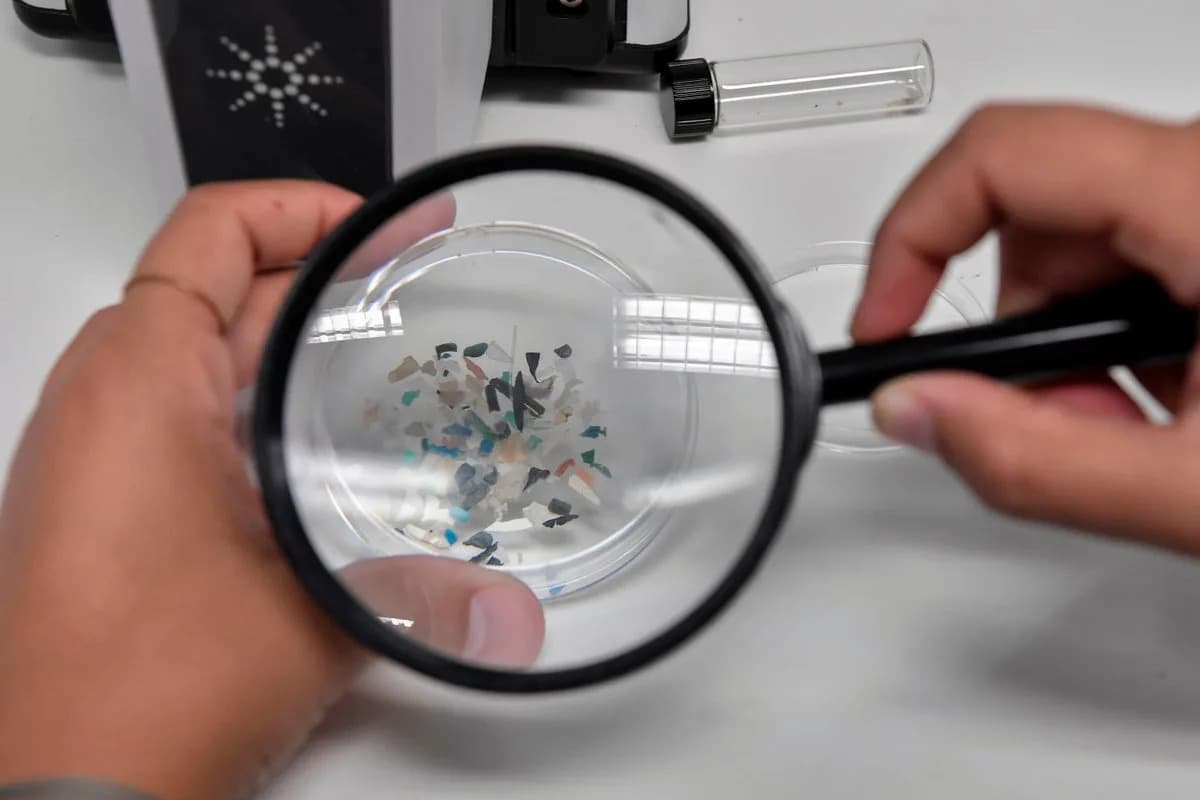
Microplastics can raise heart disease risk in men, study finds
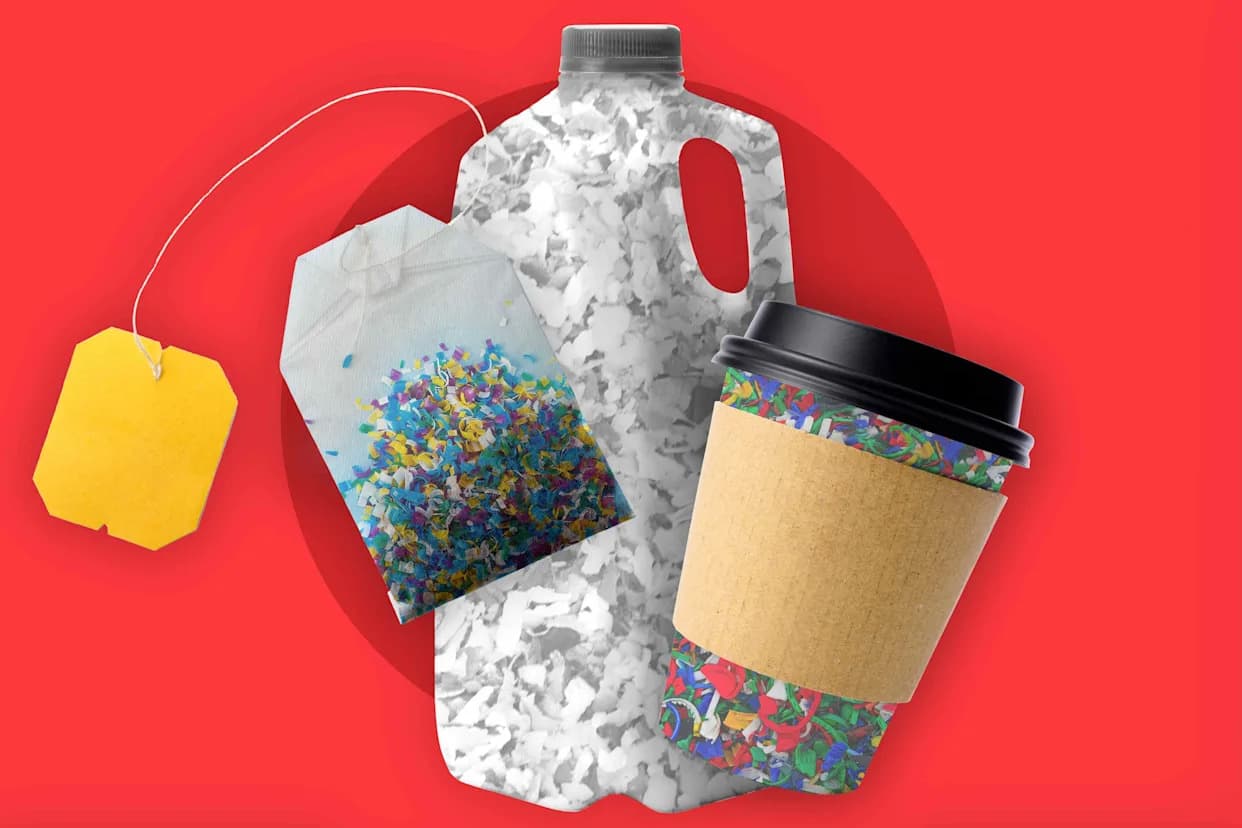
Microplastics — tiny plastic fragments found in food, drinking water and the air — may directly damage arteries and accelerate atherosclerosis in male mice, according to a new study published in Environment International. The research finds a striking sex-specific effect: males developed substantially more arterial plaque after exposure, while females did not show the same response.
What the Study Did
Researchers fed genetically atherosclerosis-prone mice a low-fat, low-cholesterol diet and exposed them to microplastics for nine weeks at a dose of roughly 10 mg per kilogram of body weight. The microplastics used ranged in size from about a thousandth of a millimetre (≈1 μm) up to 5 mm, consistent with commonly defined microplastic sizes. The exposure level was chosen to approximate amounts humans might ingest through contaminated food and water.
Key Findings
Even though the mice did not gain weight or develop higher blood cholesterol on the microplastic-containing diet, the researchers observed clear arterial damage. Male mice showed markedly accelerated atherosclerosis: plaque accumulation increased by 63% in the portion of the main artery nearest the heart and by more than sevenfold in the brachiocephalic artery in the upper chest. Female mice exposed to the same regimen did not have a significant increase in plaque formation.
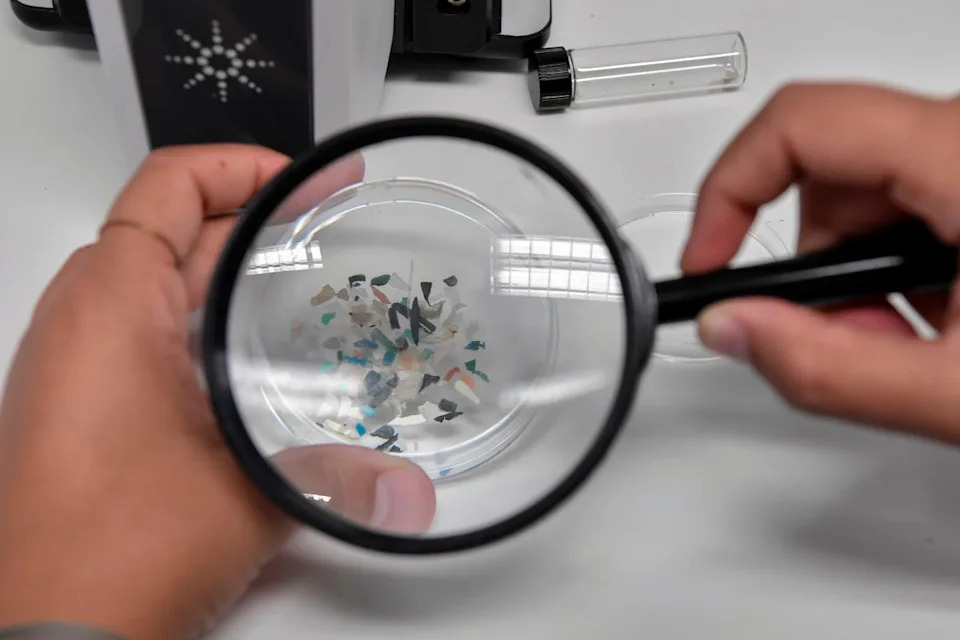
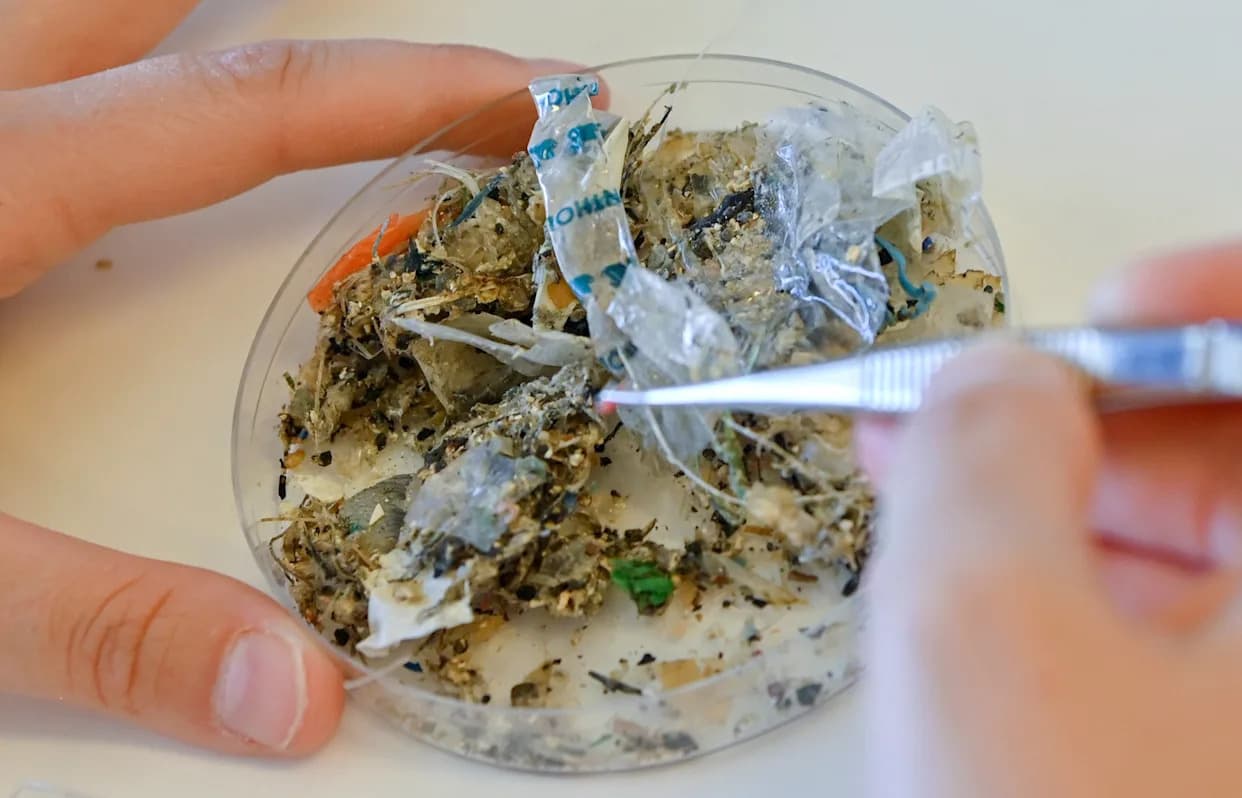
A biologist looks at microplastics found in sea species (AFP via Getty)
“Our study provides some of the strongest evidence thus far that microplastics may directly contribute to cardiovascular disease, not just correlate with it,” said Changcheng Zhou, professor of biomedical sciences at the University of California, Riverside, and an author of the paper. “The surprising sex-specific effect — harming males but not females — could help researchers uncover protective factors or mechanisms that differ between men and women.”
Mechanisms and Cellular Effects
Investigators reported that microplastics disrupted the behavior and balance of multiple vascular cell types, with endothelial cells (which line blood vessels) showing the strongest dysfunction. Because endothelial cells are the first cells to encounter circulating particles, their impairment can trigger inflammation and promote plaque formation.
Limitations and Human Relevance
Important caveats apply: this study used a mouse model genetically predisposed to atherosclerosis, and exposures were controlled and delivered experimentally. Results in animals do not prove the same outcomes will occur in humans. Researchers emphasize the need for further work to understand the biological mechanisms behind the sex difference and to evaluate human risk across realistic exposure scenarios.
Practical Takeaways
Dr. Zhou notes that completely avoiding microplastics is nearly impossible with current environmental contamination. There are no established methods to remove microplastics from the body, so the most practical steps today are reducing exposure where possible (for example, limiting single-use plastics and contaminated food sources) and maintaining cardiovascular health through diet, exercise, and management of traditional risk factors.
Bottom line: In this animal study, microplastic exposure substantially worsened artery plaque in male mice but not females. The findings raise concern and warrant further research to determine whether similar risks could apply to people.
Help us improve.