Analysis of more than 1,100 whale skin samples (1992–2019) shows fin, humpback and minke whales in the Gulf of St. Lawrence are shifting from krill to fish-based diets as Arctic krill declines. The study finds reduced dietary overlap — indicating resource partitioning — but no evidence of species displacement; whales appear to adjust timing, location, or prey choice to coexist. Authors stress isotope-method limitations and urge continued monitoring to inform fisheries management and marine protected areas.
Whales Shift From Krill To Fish and Partition Food as Climate Change Alters Ocean Prey
Whales are now ‘sharing’ food amid shortages due to climate change
A nearly 30-year study finds fin, humpback and minke whales in the Gulf of St. Lawrence are eating less krill and more fish, and appear to be partitioning prey to coexist as warming waters and human pressures reshape marine food webs.
Researchers analysed stable nitrogen and carbon isotopes from more than 1,100 skin samples collected between 1992 and 2019, and published their findings in Frontiers in Marine Science. These chemical markers reveal broad diet composition and trophic position over time, spanning three environmental phases in the North Atlantic: cooler 1990s conditions, a transitional 2000s, and warmer, lower-ice 2010s.
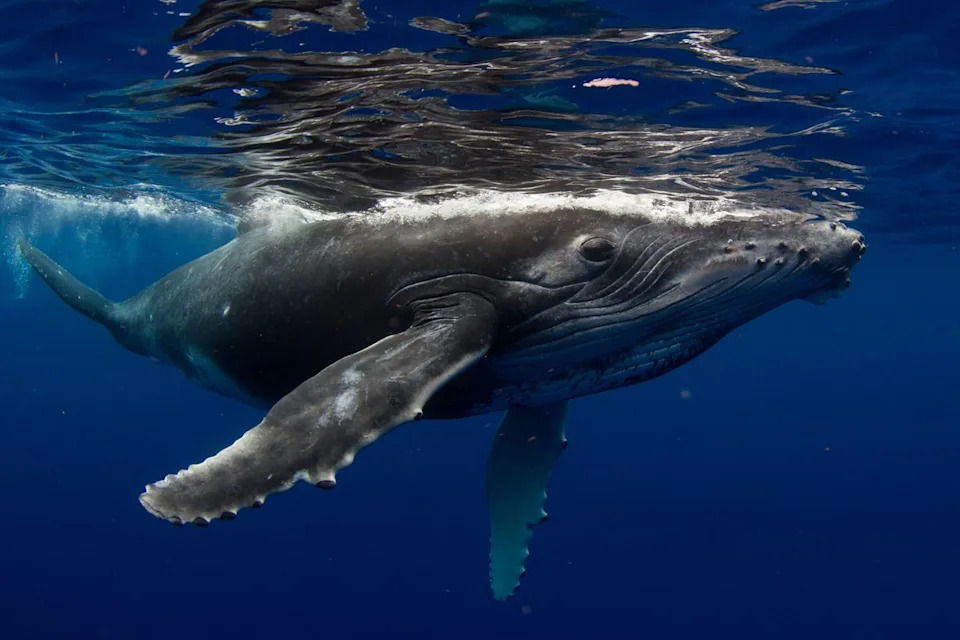
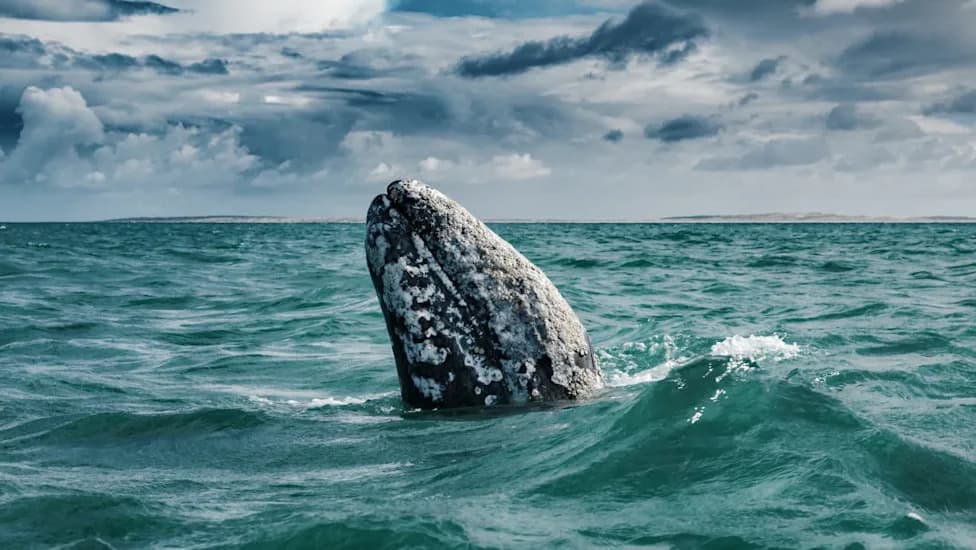
Humpback whales playing on surface in the blue between Tahiti and Moorea (Getty/iStock)
Key dietary shifts: All three rorqual species moved toward more fish-based diets as Arctic krill — a historically important prey — declined in importance. Fin whales, which fed mainly on krill in the 1990s, increased consumption of fish such as capelin, herring and mackerel in the 2000s, then showed higher use of sand lance and some northern krill in the 2010s. Humpback whales relied consistently on a small set of fish species throughout the study period. Minke whales primarily consumed pelagic fish but continued to incorporate krill later into the time series.
The researchers interpret a narrowing dietary overlap among the three species as increased resource partitioning: when resources become scarce, animals often diversify or specialize to reduce direct competition. Lead author Charlotte Tessier-Larivière of Canada’s Maurice Lamontagne Institute says this pattern likely reflects heightened competition as warming seas and shifting ecosystems alter prey availability.
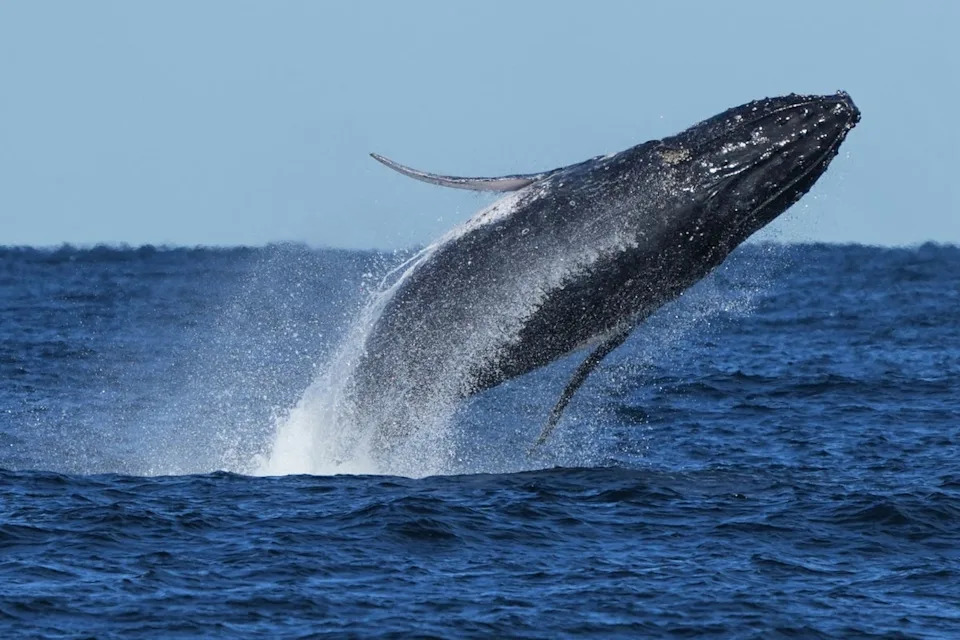
A humpback whale breaches off the coast of Port Stephens north of Sydney, Australia (AP)
Coexistence, not displacement: Despite greater niche separation, the study found no evidence that one species is displacing another. Instead, highly mobile baleen whales appear to adopt behavioural strategies — shifting feeding times or areas and selecting different prey within the same feeding grounds — that promote coexistence where alternative prey remain available.
The Gulf of St. Lawrence has experienced rapid environmental change in recent decades, including rising temperatures, reduced sea ice and increased human activities such as shipping and fishing. These factors can reduce Arctic krill abundance and rearrange prey communities, with cascading effects on predators.
Study limitations: Isotope analysis is powerful for detecting broad dietary and trophic shifts, but it cannot precisely identify feeding locations or quantify the exact contribution of each prey species. Some zooplankton consumption may also be underestimated.
"This ecosystem seems sufficiently productive and offers alternative prey that are partitioned across space and time. These conditions promote co-existence rather than one species outcompeting the others," Tessier-Larivière said.
Overall, the findings underscore the need to monitor trophic niches and consider trophic changes in fisheries management and the design of marine protected areas, as climate-driven shifts subtly but significantly reconfigure marine food webs over decades.
Help us improve.