Researchers used drones equipped with sterile Petri dishes and live video feeds to collect whale exhalations and screen them for pathogens. A December 2025 study sampled humpback, sperm, fin and long-finned pilot whales near Norway, Iceland and Cape Verde, detecting cetacean morbillivirus in Arctic whales for the first time and herpesvirus in humpbacks. Brucella and H5N1 were not found. Scientists say the noninvasive method enables ongoing disease surveillance as climate change shifts whale migrations and could inform mitigation measures.
Drones Sniff Whale 'Blow' to Detect Deadly Diseases — Morbillivirus Found in the Arctic
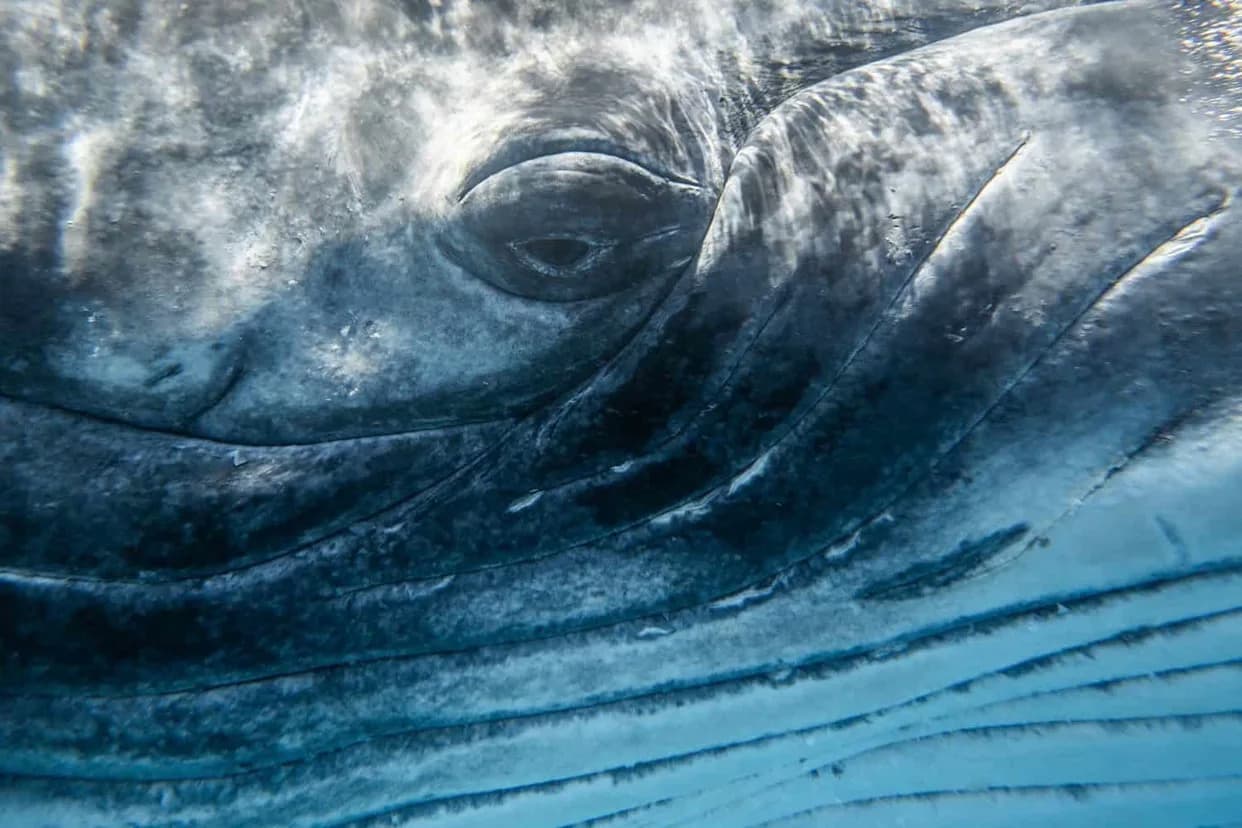
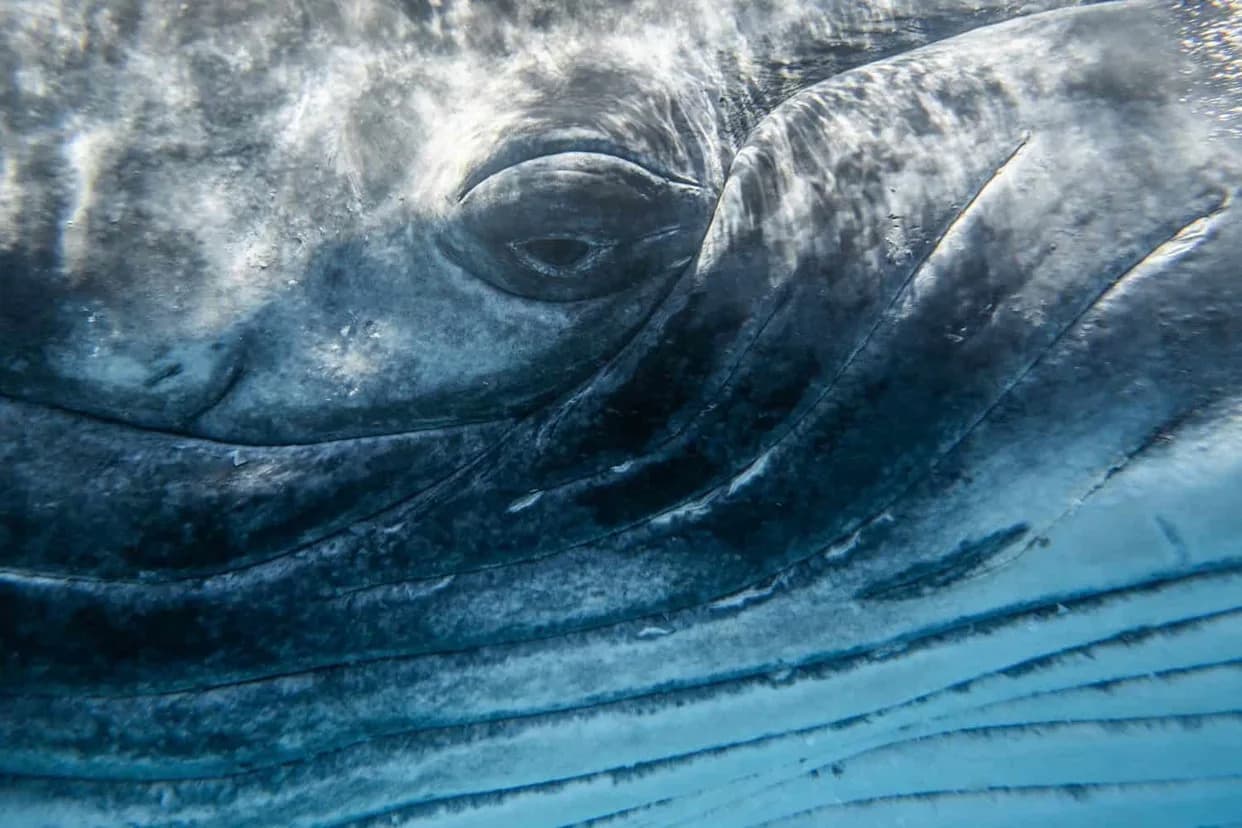
Eye of humpback whale very close© Stepan Artemyev/Shutterstock.com
Researchers have developed a far less invasive way to screen whales for pathogens by using drones to collect exhaled breath, or “blow,” from animals at sea. The technique allows scientists to sample respiratory droplets without darting or otherwise stressing the animals, giving a clearer, real-time view of whale health across changing marine environments.
How The Method Works
In a study published in December 2025, a team deployed drones fitted with sterile Petri dishes and a live video feed to intercept droplets from whale exhalations. Operators watched the feed and maneuvered the aircraft into position just above the blowhole when a whale surfaced and exhaled. The captured material was then tested in the laboratory for viral and bacterial pathogens.
What They Sampled
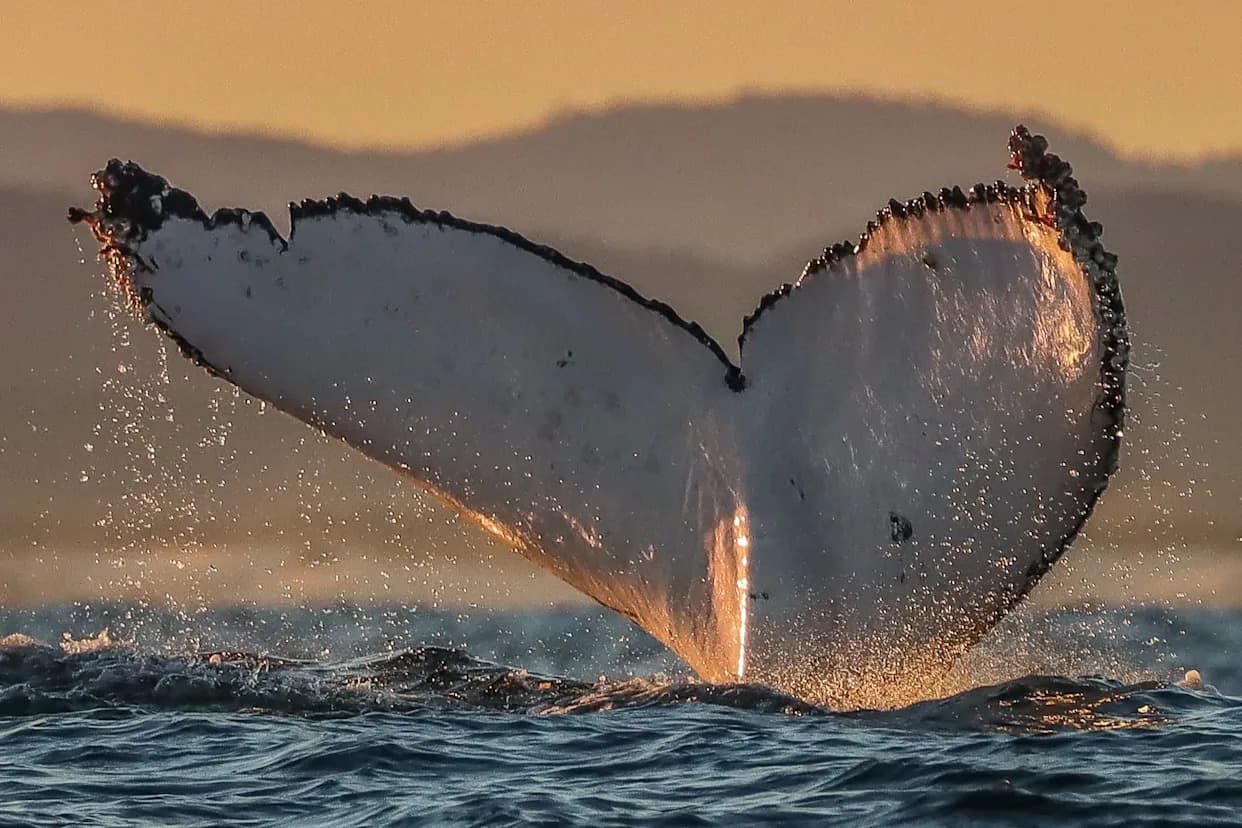
The project collected blow samples from four species: humpback whales (Megaptera novaeangliae), sperm whales (Physeter macrocephalus), fin whales (Balaenoptera physalus) and a long-finned pilot whale (Globicephala melas) near northern Norway, Iceland and Cape Verde.
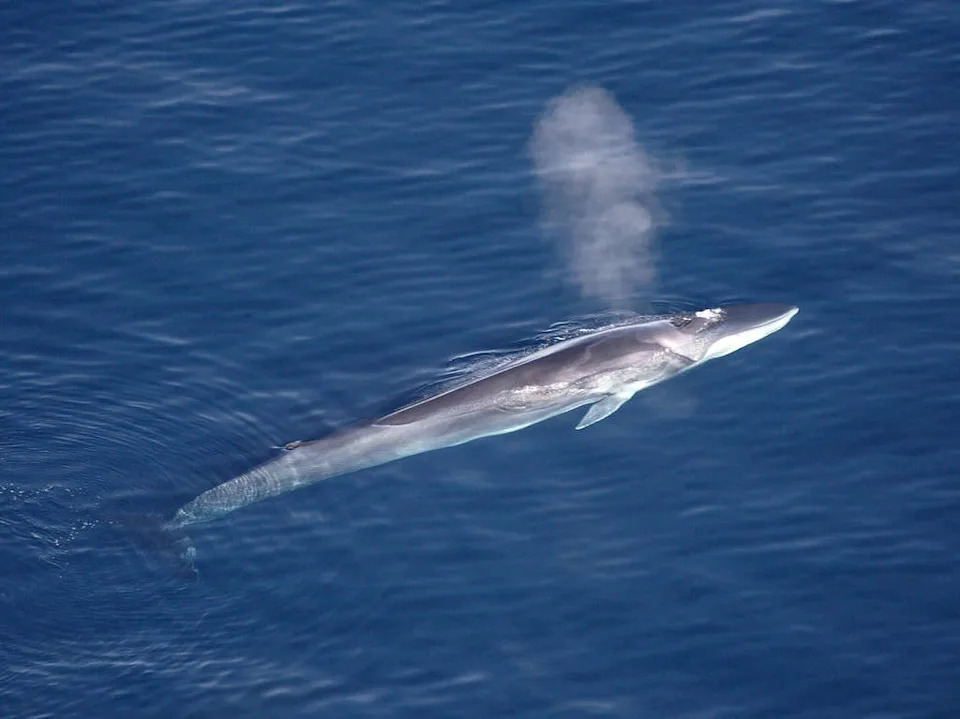
By using drones, scientists can test whales for deadly pathogens without causing stress to the animals.©Aqqa Rosing-Asvid – Visit Greenland, CC BY 2.0 –Original/License(Aqqa Rosing-Asvid - Visit Greenland, CC BY 2.0 )
Key Findings
The researchers screened samples for cetacean morbillivirus, herpesvirus, the bacterium Brucella, and avian influenza H5N1. Their results showed:
- Cetacean morbillivirus was detected in Arctic whales for the first time on record.
- Herpesvirus was found in humpback whales sampled near Norway, Iceland and Cape Verde.
- Brucella and H5N1 were not detected in the collected samples.
Why It Matters
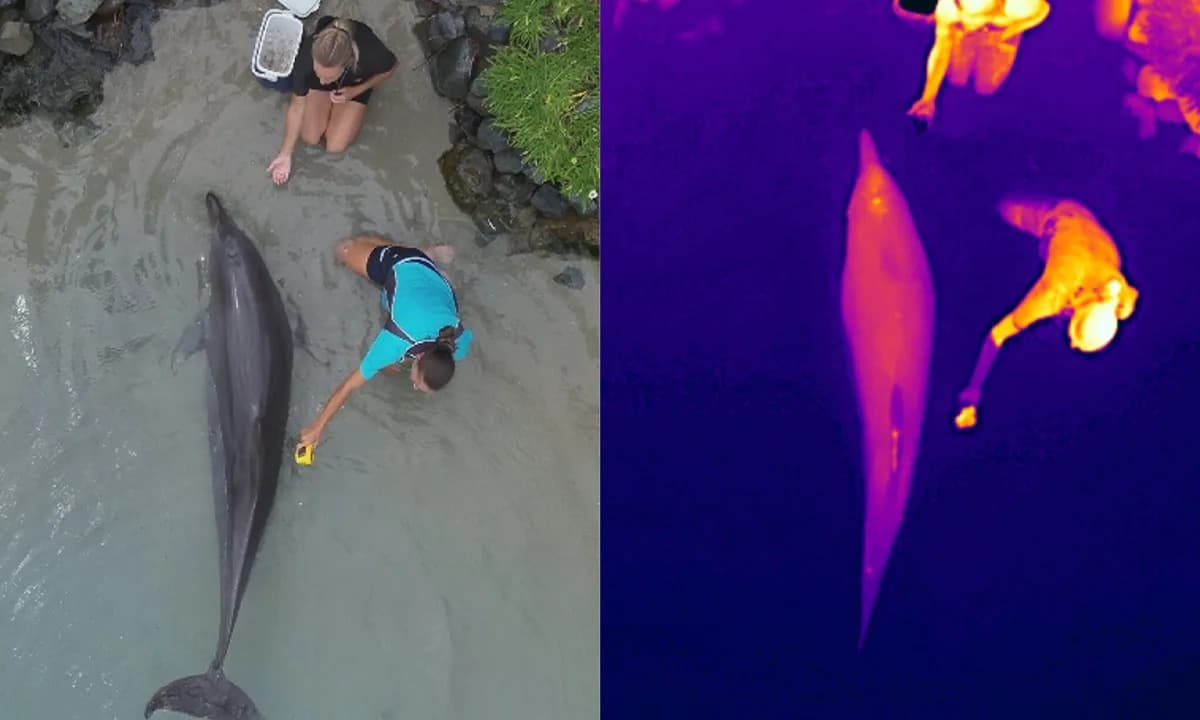
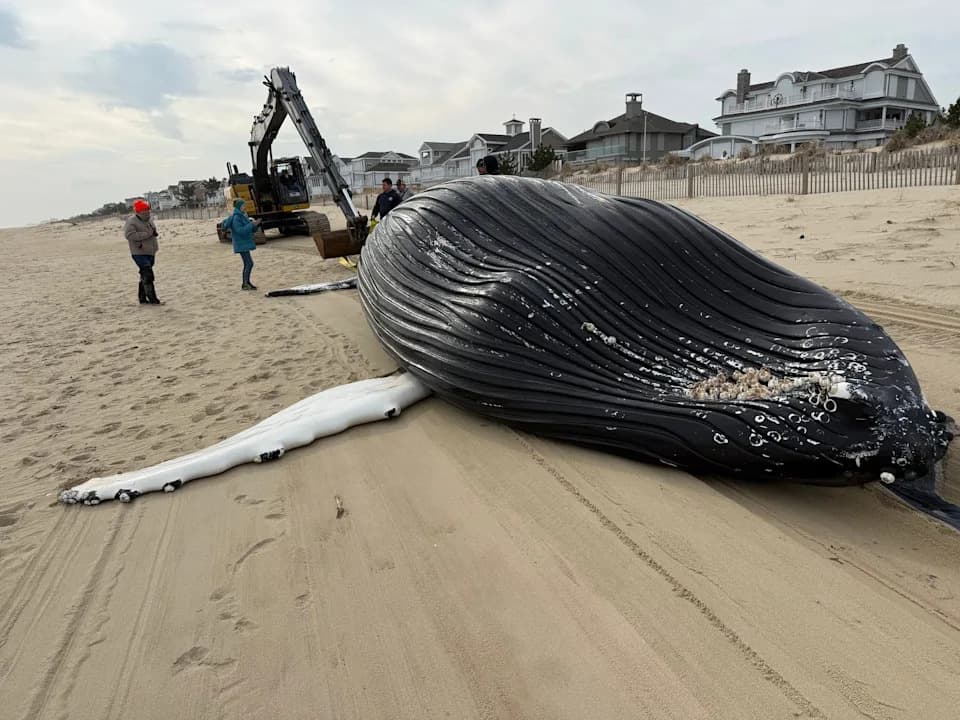
Cetacean morbillivirus is highly contagious and can cause lethal outbreaks by damaging the immune, respiratory and nervous systems of cetaceans; it has been responsible for mass die-offs in the past. Herpesvirus infections are often asymptomatic in healthy animals but can be deadly in immunocompromised individuals. Detecting these pathogens early—especially as whale ranges shift northward with climate change—gives wildlife managers time to consider mitigation measures.
“Drone blow sampling is a game-changer,” said co-author Terry Dawson in a press release. “It allows us to monitor pathogens in live whales without stress or harm, providing critical insights into diseases in rapidly changing Arctic ecosystems.”
Lead author Helena Costa described the logistics to NPR: operators work in a hectic on-deck environment—coordinating by eye and video feed—racing to position drones under surfacing whales. Despite the challenges, the approach produced reliable results and is now seen as a promising surveillance tool.
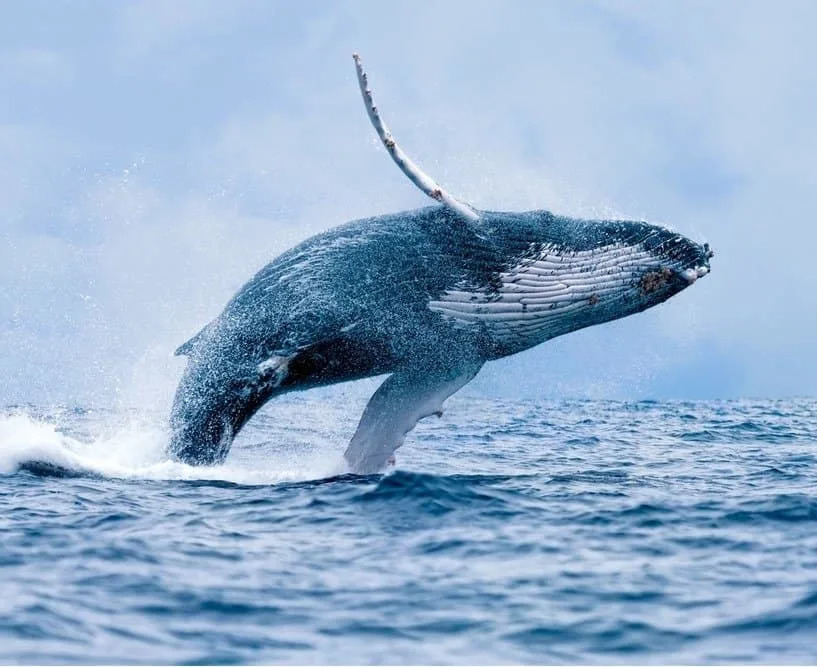
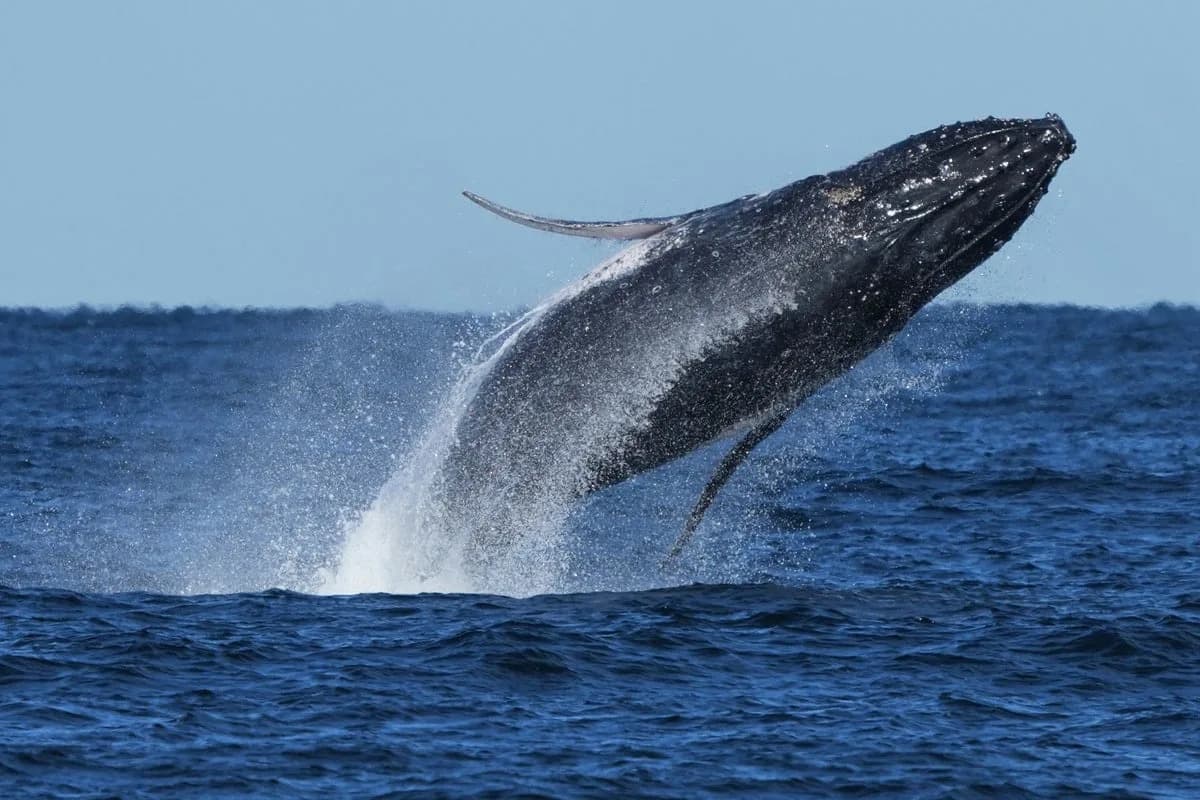
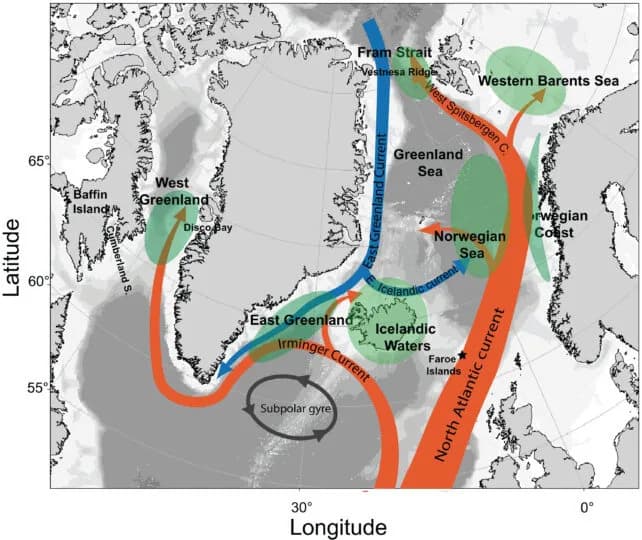
Humpback whales migrate north to cooler waters during the summer.©Paul S. Wolf/Shutterstock.com(Paul S. Wolf/Shutterstock.com)
Management And Public Health Implications
While there are no practical treatments for infectious diseases in wild whales, monitoring can inform responses that reduce stress and transmission risks—such as temporary adjustments to shipping lanes or targeted conservation actions. Surveillance also helps assess any potential zoonotic risks and better prepares authorities to manage human-wildlife interfaces.
Looking Ahead
As climate change alters migration patterns and opens new habitats in the Arctic, noninvasive, repeatable monitoring like drone blow sampling will be essential to track emerging diseases, identify vulnerable populations, and guide conservation and public-health decisions.
Study locations: northern Norway, Iceland, Cape Verde. Pathogens tested: cetacean morbillivirus, herpesvirus, Brucella, H5N1.
Help us improve.