Researchers used drones fitted with sterile Petri dishes to collect exhaled breath from whales off Northern Norway, Iceland and Cape Verde and test the samples for pathogens. A December 2025 study found cetacean morbillivirus circulating in Arctic whales for the first time and detected herpesvirus in humpbacks; Brucella and H5N1 were not found. The noninvasive technique enables long-term health surveillance and early detection of emerging threats as climate change alters whale migration patterns.
Drones Sniff Whale Breath to Detect Deadly Viruses — A Noninvasive Breakthrough
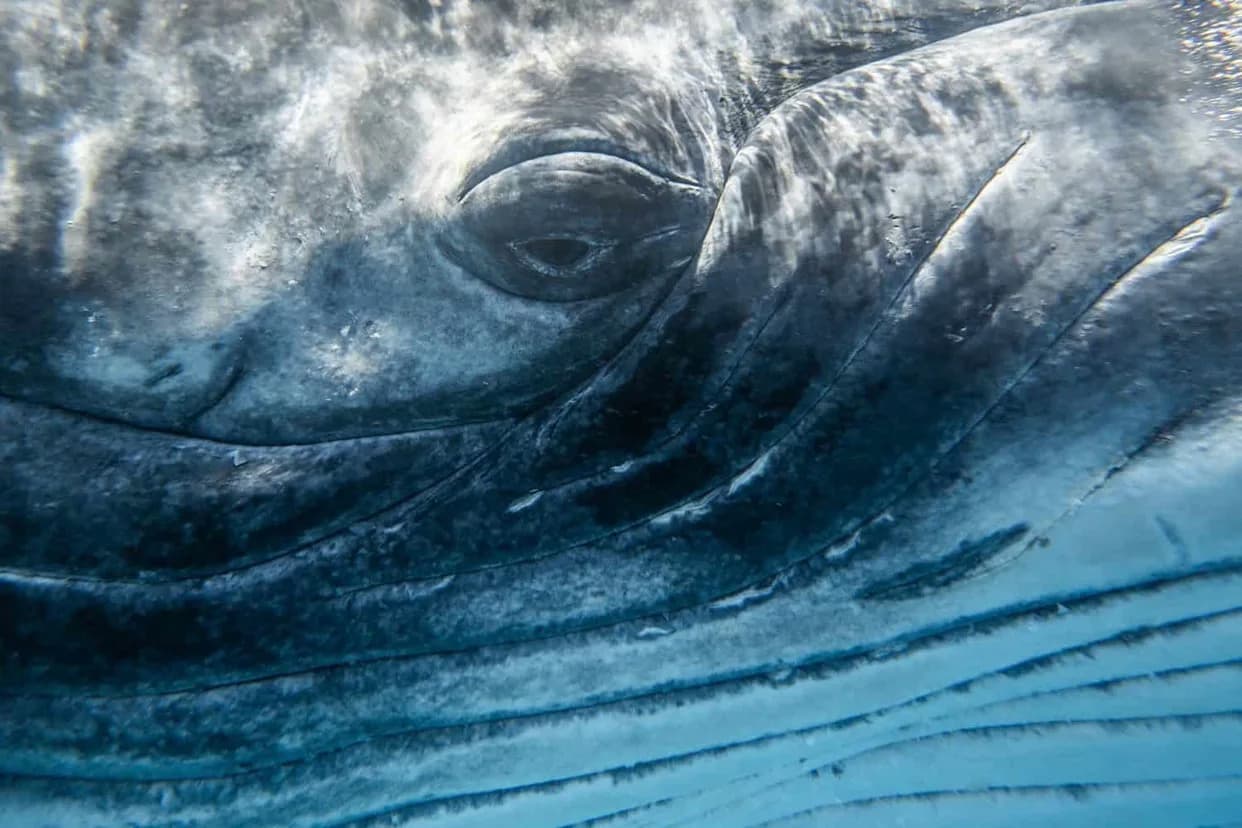
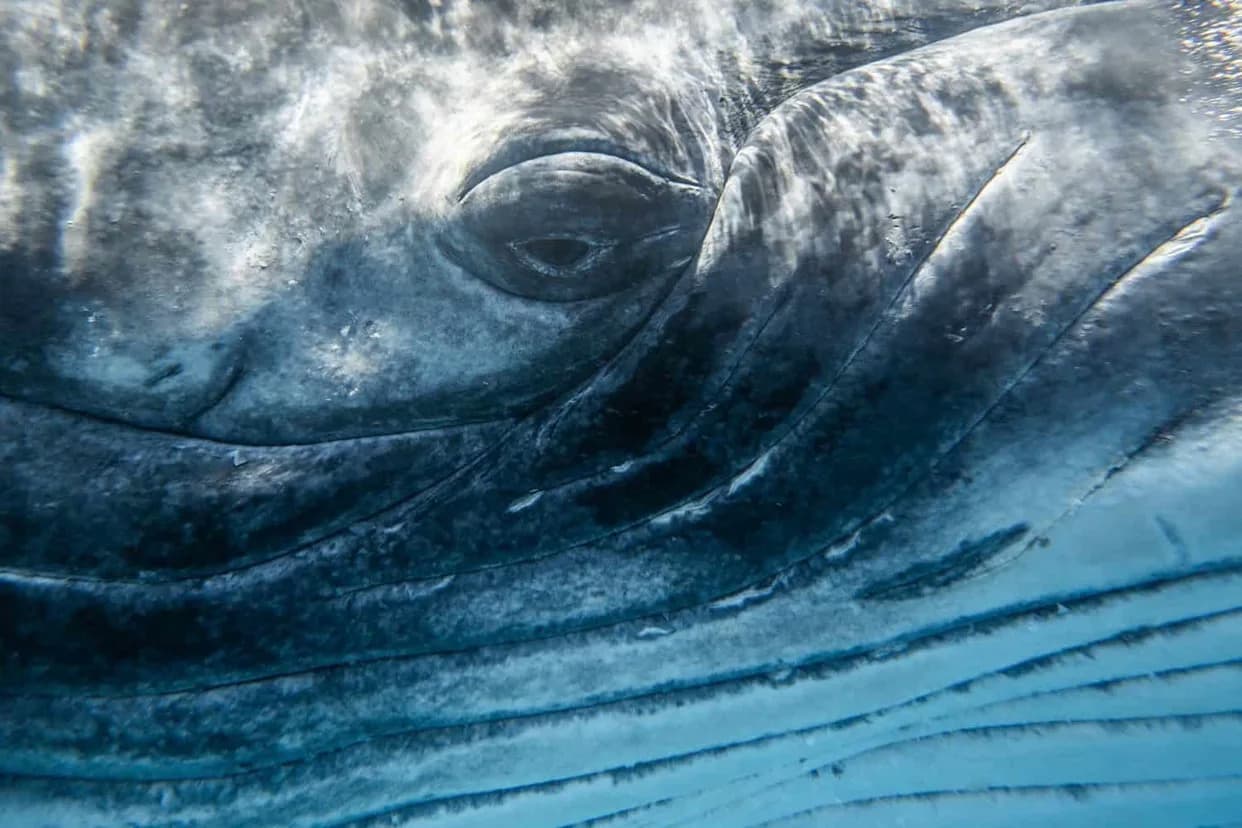
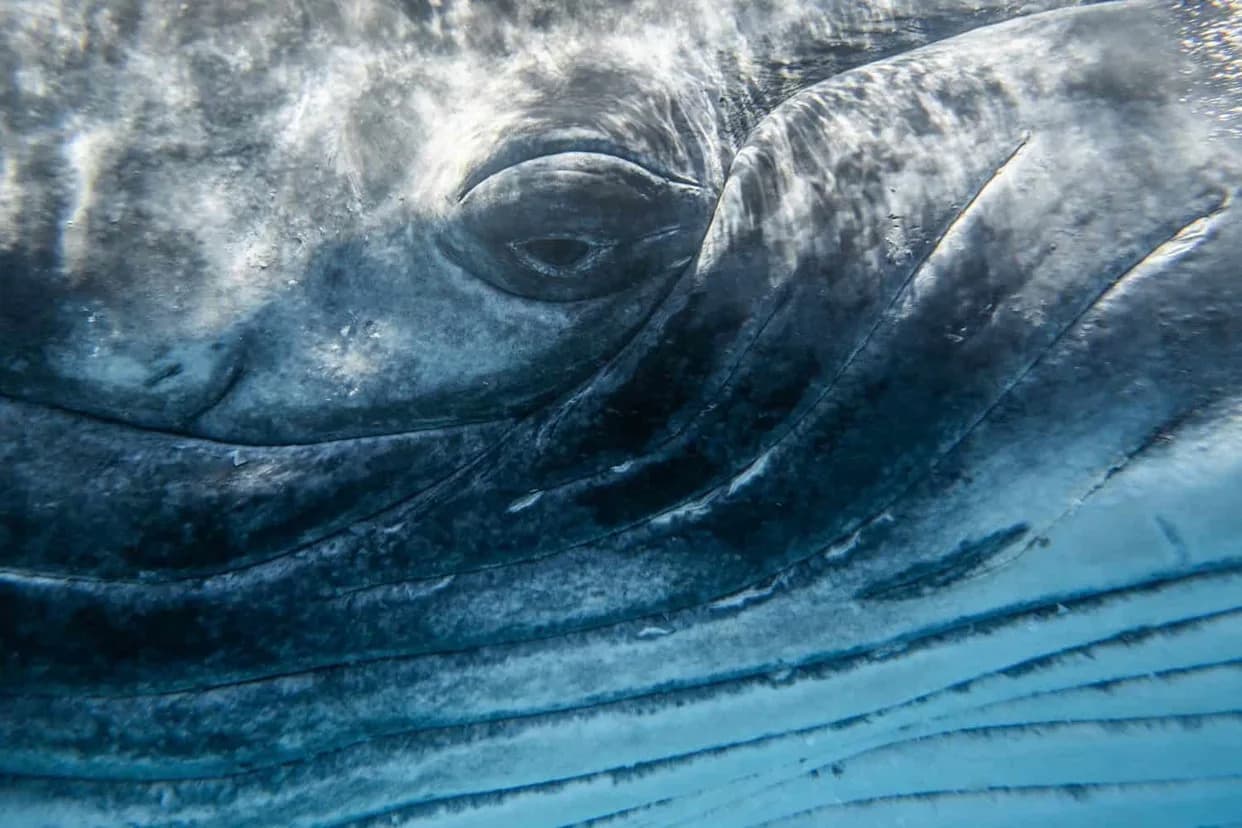
Eye of humpback whale very close© Stepan Artemyev/Shutterstock.com
Scientists have developed a far less invasive way to check whale health by using drones to sample exhaled breath, or "blow," and test it for pathogens. A December 2025 field study used small unmanned aircraft fitted with sterile Petri dishes to collect respiratory droplets from several large whale species off Northern Norway, Iceland and Cape Verde. The approach provides real-time surveillance without wounding or stressing the animals.
How The Drone Sampling Works
Field teams mounted sterile Petri dishes to drones and used live video feeds to time collections so that the dish could capture droplets when a whale exhaled through its blowhole. Pilots and researchers coordinated closely on the boat to position the drone over the spray, a task that can be hectic but effective when executed well.
Terry Dawson, a co-author of the study, called the method a game-changer because it allows pathogen monitoring in live whales without stress or harm.
Helena Costa, lead author, described the logistics to NPR: it can feel chaotic in the moment as operators shout guidance, but the clear results make the effort worthwhile.
What They Tested And What They Found
The study sampled humpback whales (Megaptera novaeangliae), sperm whales (Physeter macrocephalus), fin whales (Balaenoptera physalus) and a long-finned pilot whale (Globicephala melas). Researchers screened samples for cetacean morbillivirus, herpesvirus, the bacterium Brucella and avian influenza (H5N1).
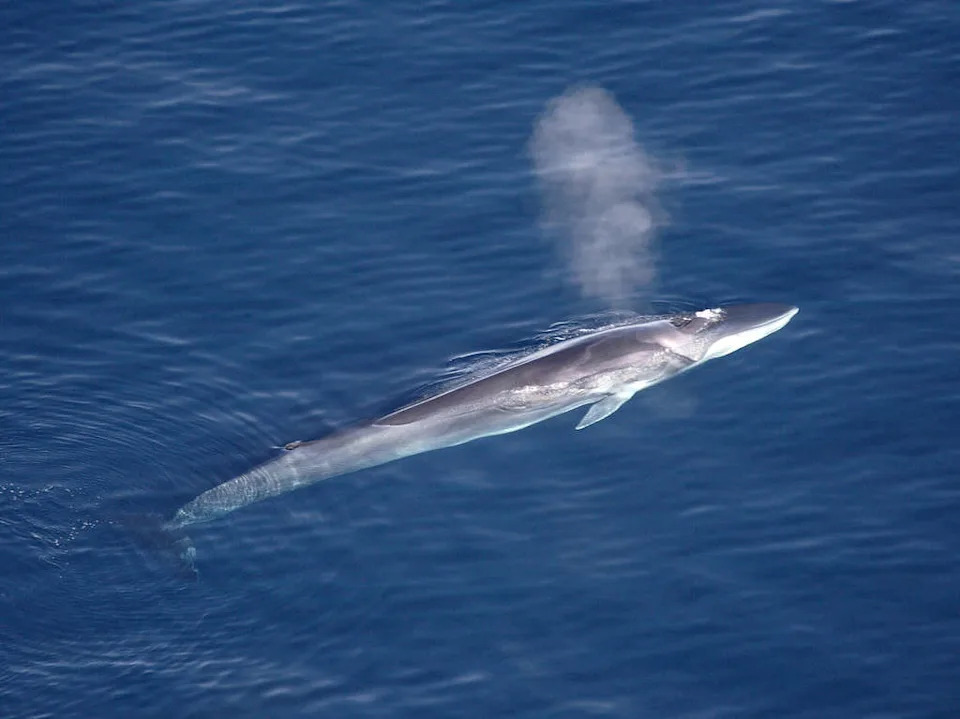
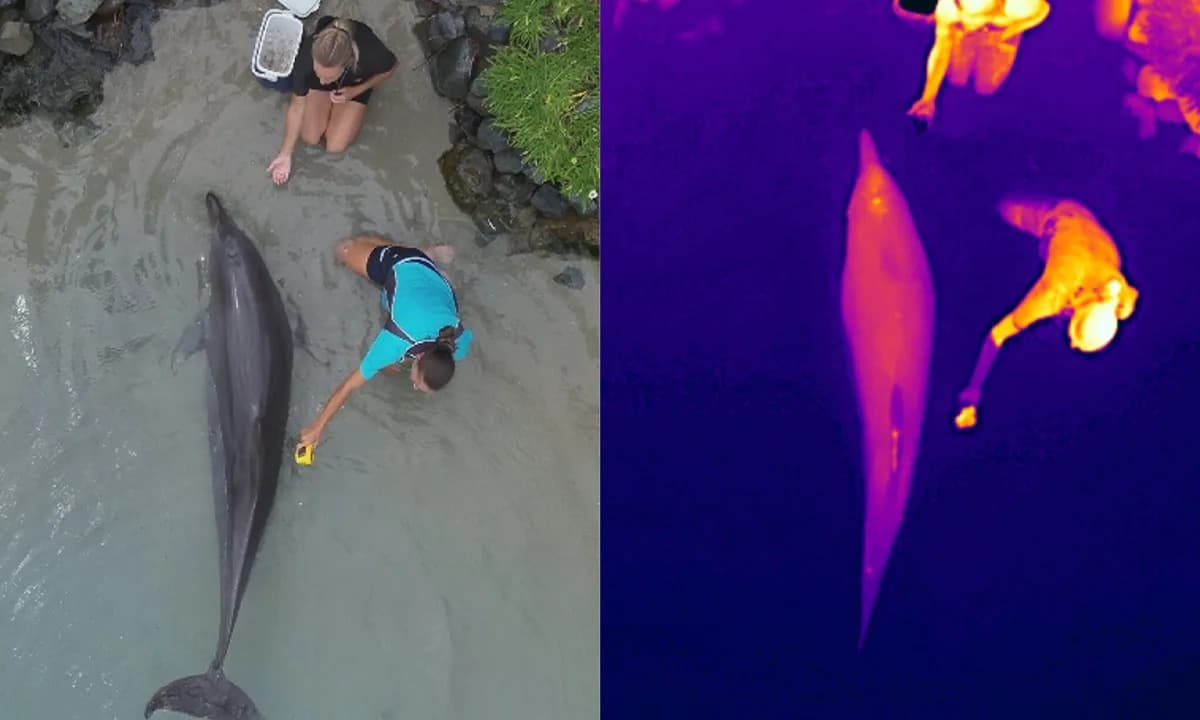
By using drones, scientists can test whales for deadly pathogens without causing stress to the animals.©Aqqa Rosing-Asvid – Visit Greenland, CC BY 2.0 –Original/License(Aqqa Rosing-Asvid - Visit Greenland, CC BY 2.0 )
Key results: cetacean morbillivirus was detected circulating in Arctic whales for the first time; herpesvirus was identified in humpback whales sampled near Norway, Iceland and Cape Verde; Brucella and H5N1 were not found in any samples.
Why This Matters
Cetacean morbillivirus is highly infectious and can be lethal, attacking immune, respiratory and neurological systems and causing mass die-offs in cetaceans. Herpesvirus often causes subclinical infections but can be dangerous for immunocompromised animals. Drone-based blow sampling expands the ability to track these pathogens across populations without harming animals, improving early detection and long-term surveillance.
Although there is no large-scale way to treat infectious diseases in wild whales, monitoring helps researchers understand how pathogens move through populations and how environmental change influences disease risk. Managers could use this information to reduce stressors — for example, by temporarily adjusting shipping lanes or enforcing localized vessel speed restrictions — and to better assess risks to humans who may come into contact with marine mammals.
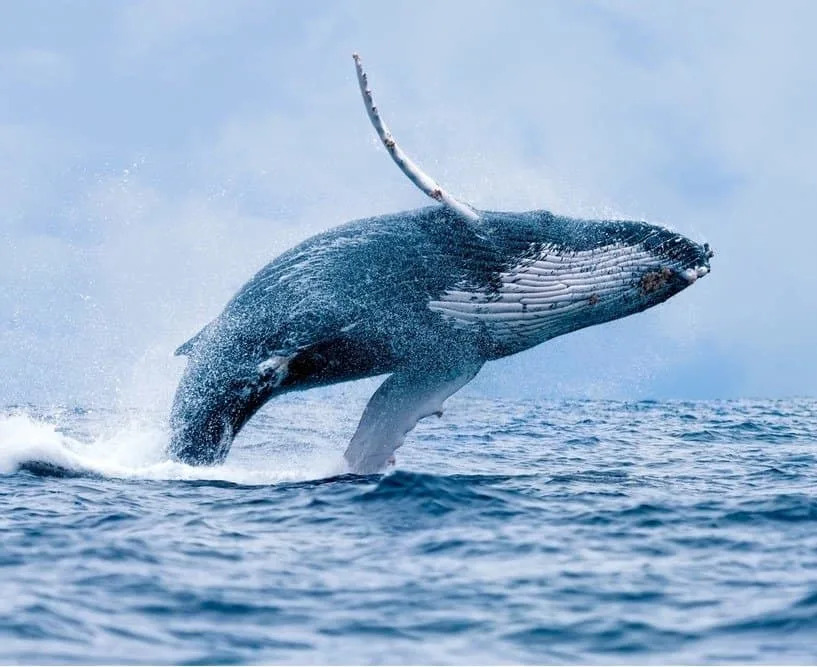
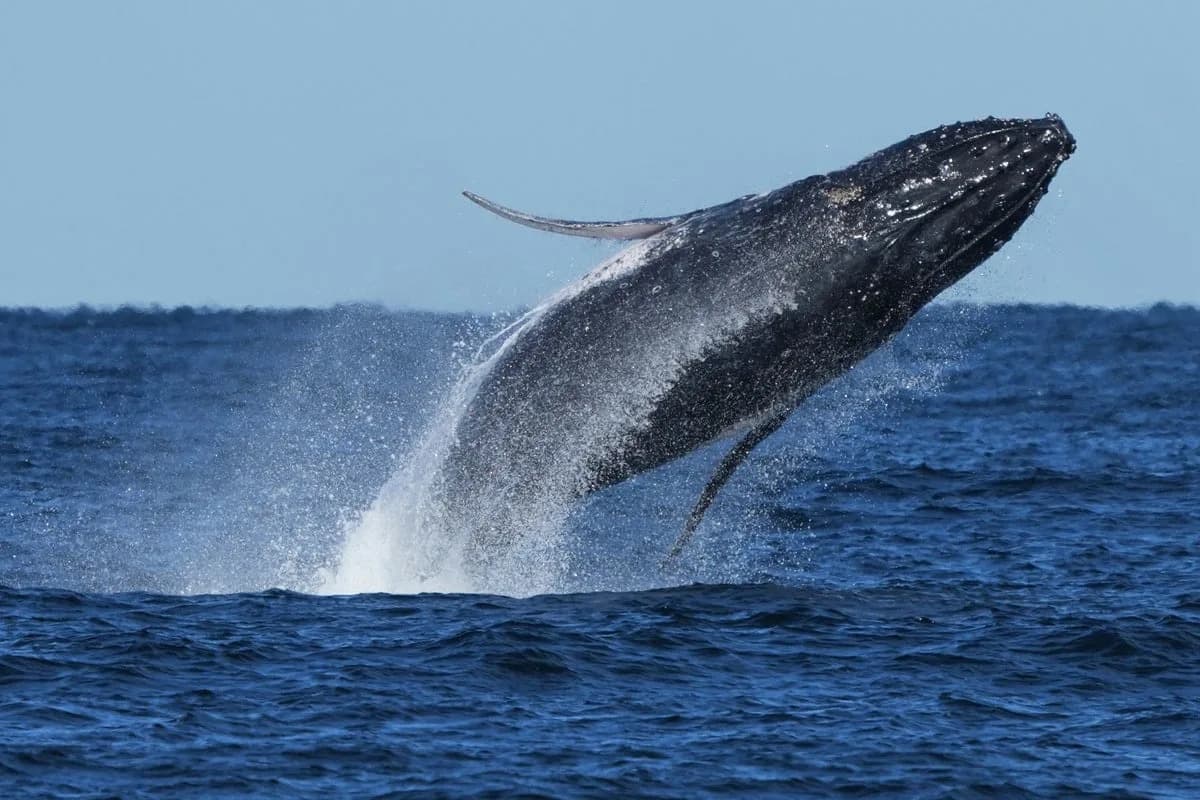
Humpback whales migrate north to cooler waters during the summer.©Paul S. Wolf/Shutterstock.com(Paul S. Wolf/Shutterstock.com)
Climate Change And Disease Spread
As climate change alters migration patterns, species such as humpback whales are moving farther north. Infected animals moving into new areas could expose previously unconnected host populations to pathogens. Noninvasive drone surveillance offers an early-warning tool to detect emerging threats in Arctic and other changing ecosystems.
Limitations And Next Steps
Drone blow sampling cannot cure infected wild whales, but it can provide invaluable data for conservation and public-health planning. Researchers recommend scaling up long-term monitoring, improving sample processing and integrating pathogen surveillance with broader ecosystem and climate data to better forecast disease risk.
Study locations: Northern Norway, Iceland, Cape Verde. Species sampled: Humpback, sperm, fin, and long-finned pilot whales. Pathogens tested: Cetacean morbillivirus, herpesvirus, Brucella, H5N1.
Help us improve.