Study Finds Dual Effects From China's Offshore Wind Farms. A December 2025 paper in Global Ecology and Conservation reports that Chinese offshore wind farms not only produce clean energy but also alter nearby marine ecosystems. Using ecopath models and 2022–2023 survey data, researchers found benthic fish biomass near turbines was nearly double that of a nearby control area, likely because monopiles reduce trawling and provide hard substrate for sessile species. The paper also warns of construction noise, electromagnetic effects, habitat fragmentation and difficult decommissioning, underscoring the need for careful planning and monitoring.
China's Offshore Wind Farms Are Boosting Marine Life — But Trade-offs Remain
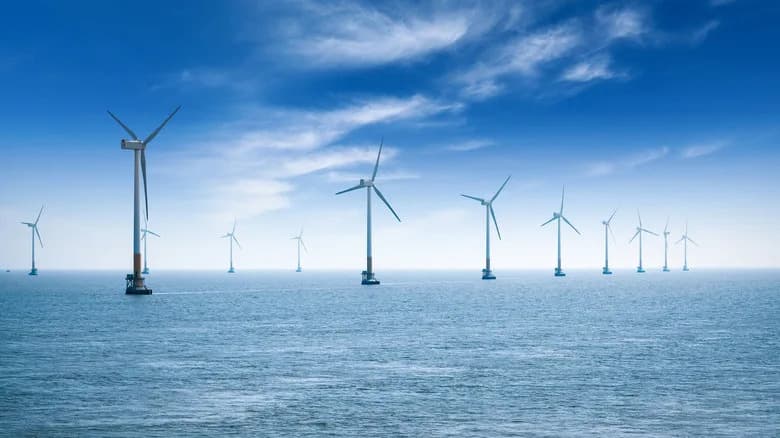
Wind farms in the ocean. - chuyuss/Shutterstock
Countries worldwide are rapidly expanding renewable energy to curb climate change, and China has been a major driver of that shift. In October 2025 the BBC summarized an Ember analysis showing renewables overtook coal as the largest global source of electricity, with Chinese wind and solar capacity growth in the first half of 2025 exceeding that of all other countries combined.
Wind Farms: Power Generation and Ecological Effects
A December 2025 study published in Global Ecology and Conservation — "Offshore wind farms can enhance the structural composition and functional dynamics of coastal waters" — examined how Chinese offshore wind farms affect nearby marine ecosystems. The authors found that, while offshore wind farms (OWFs) make an important contribution to clean energy, they also trigger physical, chemical and biological changes in coastal waters.
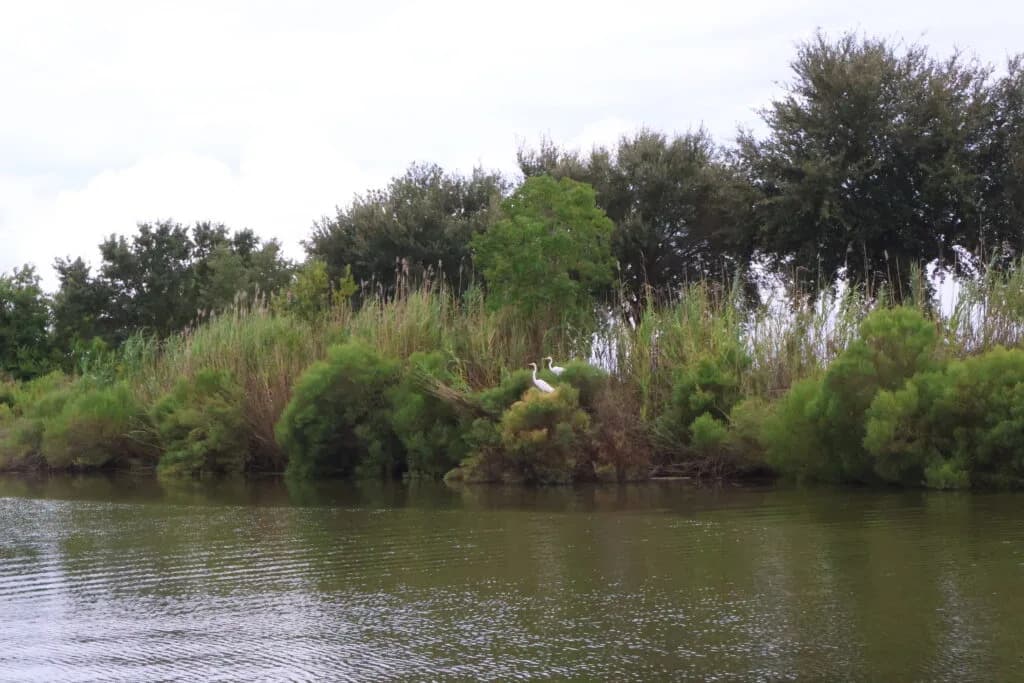
Land near the seashore. - inna_sandrakova/Shutterstock
How The Study Was Conducted
Researchers used ecopath food-web models developed for an OWF area and a nearby control area, based on biological and environmental surveys conducted in 2022 and 2023. These models allowed the team to compare community structure and energy flow between the two zones and estimate the broader ecological consequences of turbines and their foundations.
Positive Effects Observed
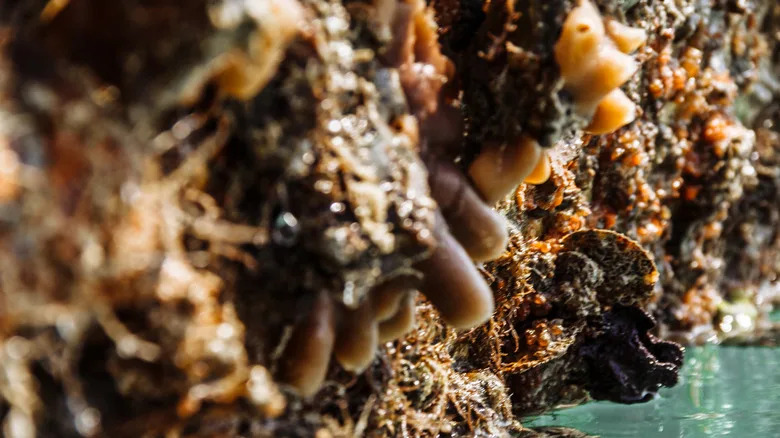
The study reports several potentially beneficial effects: turbine monopiles can act as de facto refuges by impeding bottom trawling, and the hard surfaces of turbine columns encourage colonization by sessile organisms such as oysters and barnacles. These new three-dimensional structures can increase local habitat complexity in areas where natural hard substrate is sparse.
Offshore wind farm turbine being repaired. - Ryan Pyle/Getty Images
Our results showed that in the offshore windfarm area, benthic fish biomass was almost doubled compared to the control area.
— Zhongxin Wu, Associate Professor, Dalian Ocean University
In practical terms, the study found benthic fish biomass near turbines to be nearly double that of nearby control sites. The combination of reduced fishing pressure and added habitat appears to support denser, more productive local communities — similar to the ecological effects often documented around artificial reefs and shipwrecks.
Costs, Risks, And Long-Term Challenges
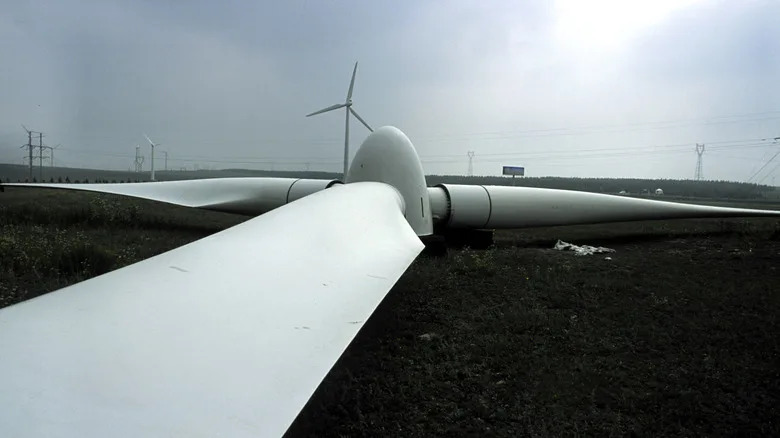
The authors — including Liwei Si and colleagues — also emphasize that OWFs carry environmental costs. Construction and installation can produce physical disturbance and underwater noise that stress marine animals. The study highlights potential electromagnetic interference from cables, habitat fragmentation, and impacts on benthic invertebrates, fish and marine mammals. Large turbine components (for example, towers with ~81-meter blades that can reach ~200 meters above the sea surface) make installation and eventual decommissioning technically complex and costly.
Balancing Benefits With Careful Planning
Overall, the research suggests offshore wind farms in the Chinese sites studied provided measurable ecological benefits in addition to clean energy. However, those benefits coexist with real environmental risks. The authors recommend careful site selection, mitigation measures during construction, ongoing monitoring and adaptive management to maximize ecological gains while minimizing harm.
Sources: Ember/BBC reporting on renewables (Oct 2025); Liwei Si et al., "Offshore wind farms can enhance the structural composition and functional dynamics of coastal waters," Global Ecology and Conservation (Dec 2025).
Help us improve.