Researchers report a neural circuit in macaque monkeys that functions as a “motivation brake,” slowing action when tasks are paired with an unpleasant stimulus. Using chemogenetics to suppress a pathway from the ventral striatum to the ventral pallidum made monkeys less hesitant to perform tasks paired with an aversive air puff. The study, published in Current Biology, establishes a causal link between this circuit and reduced motivation and highlights potential implications for treating disorders such as depression and schizophrenia, while warning of possible risks.
Scientists Identify a Brain ‘Brake’ That Slows Motivation — Suppressing It Makes Monkeys Less Hesitant

Most people put off unpleasant tasks — from tedious chores to difficult conversations. New research suggests that this reluctance is not just poor willpower but can be traced to a specific neural circuit in the brain that acts like a “motivation brake.”
In a study published in Current Biology, researchers working with macaque monkeys report that a pathway linking the ventral striatum and the ventral pallidum appears to dampen motivated behavior when an action is expected to produce an unpleasant outcome.
How the Study Worked
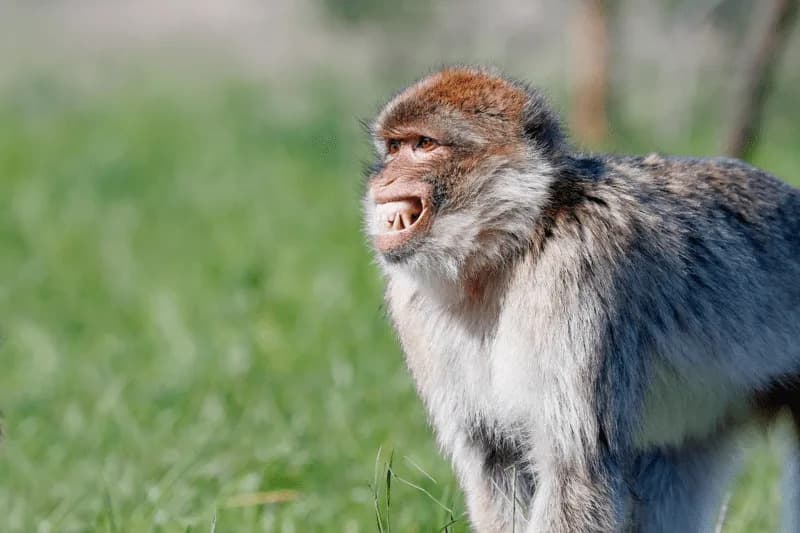
The team presented macaques with simple tasks that delivered either a reward alone or a reward paired with a brief, mildly unpleasant puff of air to the face. As anticipated, monkeys hesitated and took longer to initiate tasks when the air puff was scheduled.
To test causality, the researchers used chemogenetics — a technique that uses designer drugs to selectively reduce activity in targeted groups of neurons — to suppress signaling along the ventral striatum → ventral pallidum pathway. When that circuit’s activity was dampened, the animals were noticeably less reluctant to perform the tasks even when the aversive air puff remained part of the trial.
“We were able to causally link a specific brain pathway to a ‘brake’ on motivation when individuals face unpleasant tasks in daily life,” says Ken-ichi Amemori, an associate professor at the Institute for the Advanced Study of Human Biology at Kyoto University and a co-author of the paper.
Implications and Cautions
The findings provide a causal link between a defined neural circuit and reduced motivation in the face of aversive outcomes. The authors suggest the discovery could eventually inform treatments for psychiatric conditions that involve impaired motivation, such as depression and schizophrenia.
However, the researchers caution against simplistic interventions: weakening this neural “brake” could, if applied indiscriminately, promote unsafe risk-taking or other unintended consequences. Further research is needed to explore therapeutic possibilities and safety.
Overall, the study offers a clearer mechanistic picture of why people (and other primates) sometimes hesitate to act when a task promises both reward and an unpleasant cost.
Help us improve.